Introduction to Havan Magh Mela
Explore the power of Havan at Magh Mela—its procedure, sacred mantras, and spiritual benefits. Purify your mind and soul through this ancient Vedic ritual.
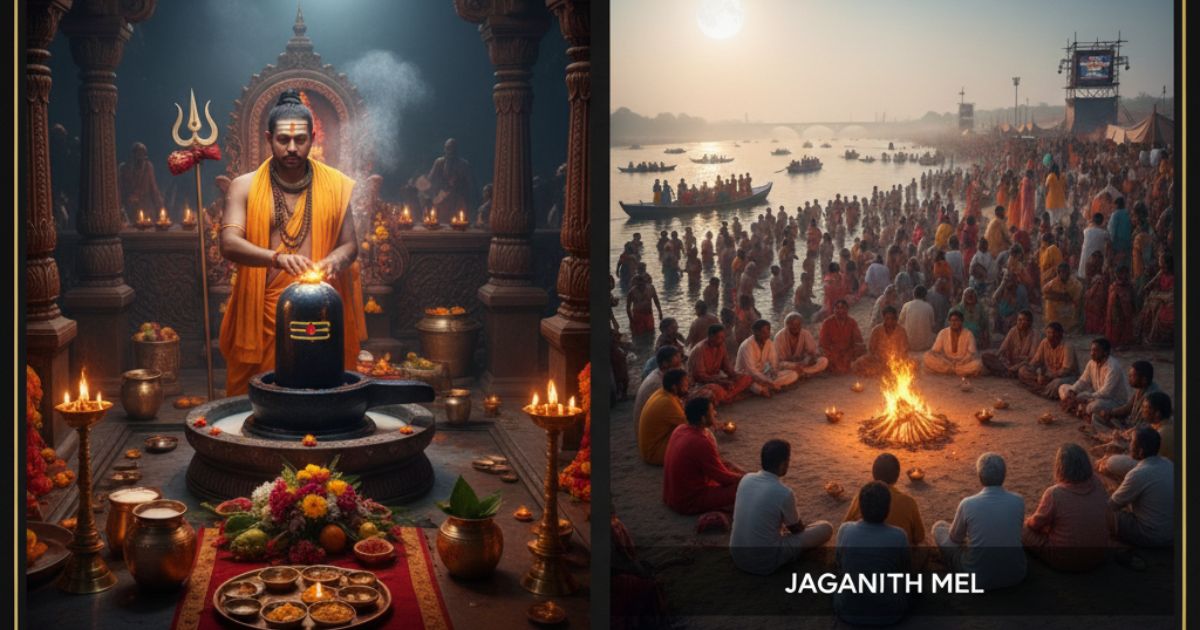
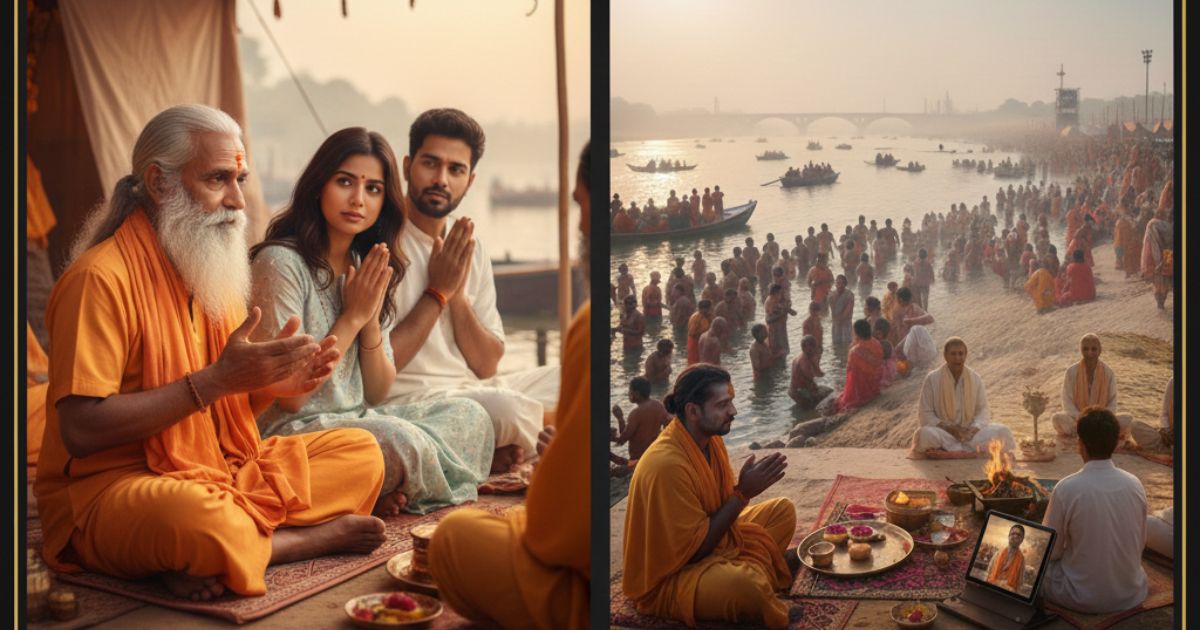
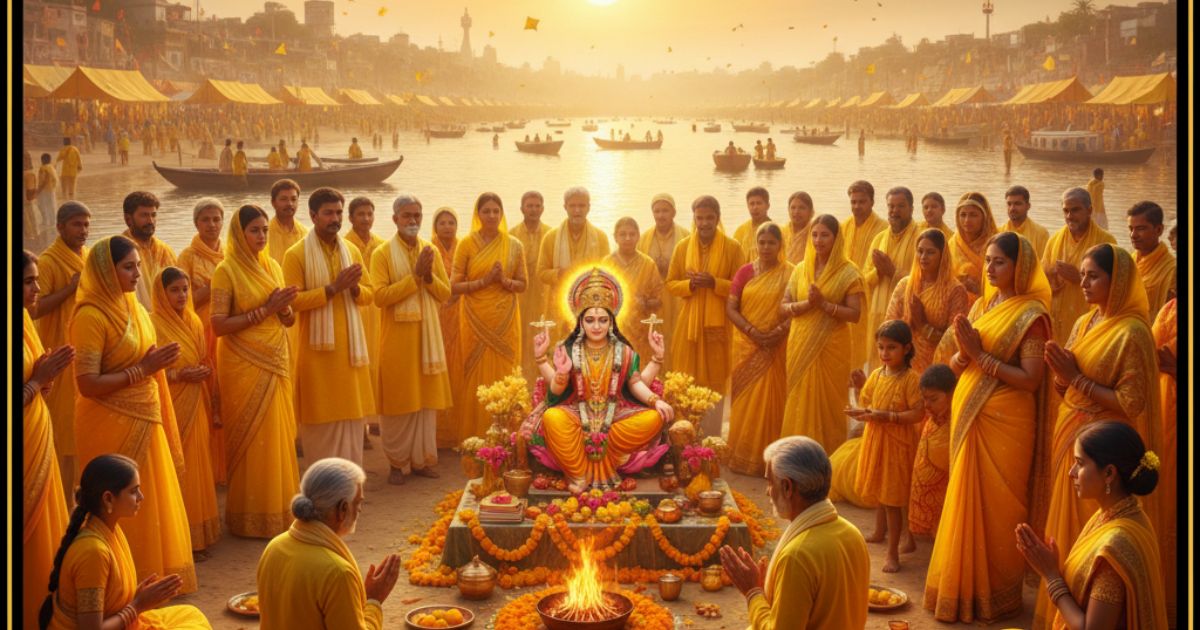
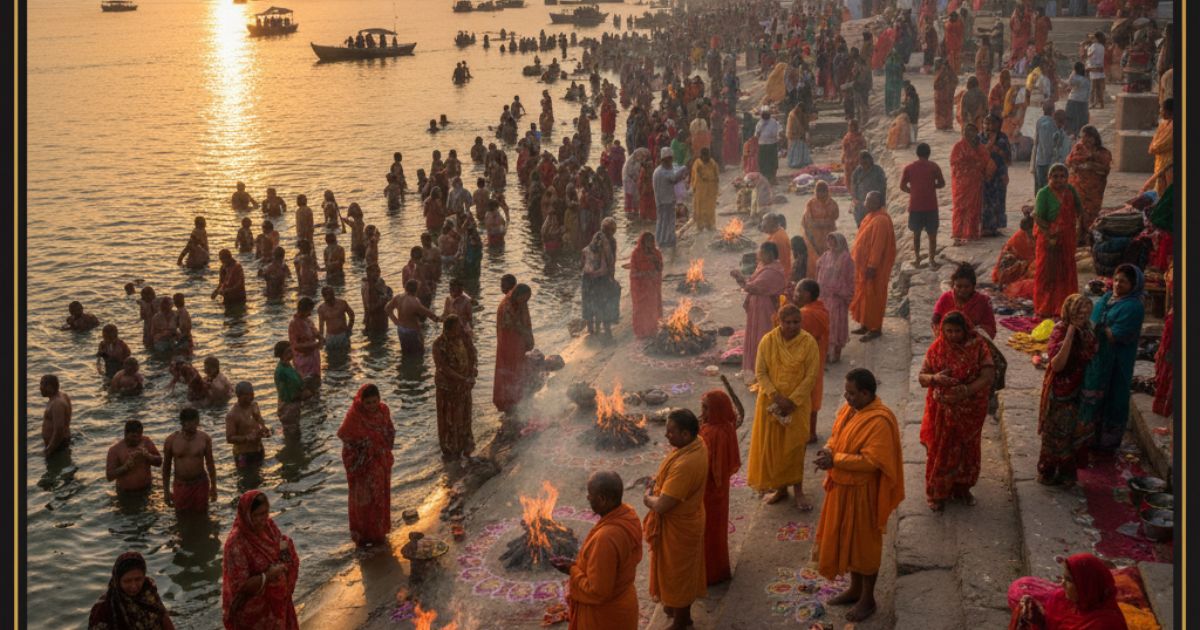
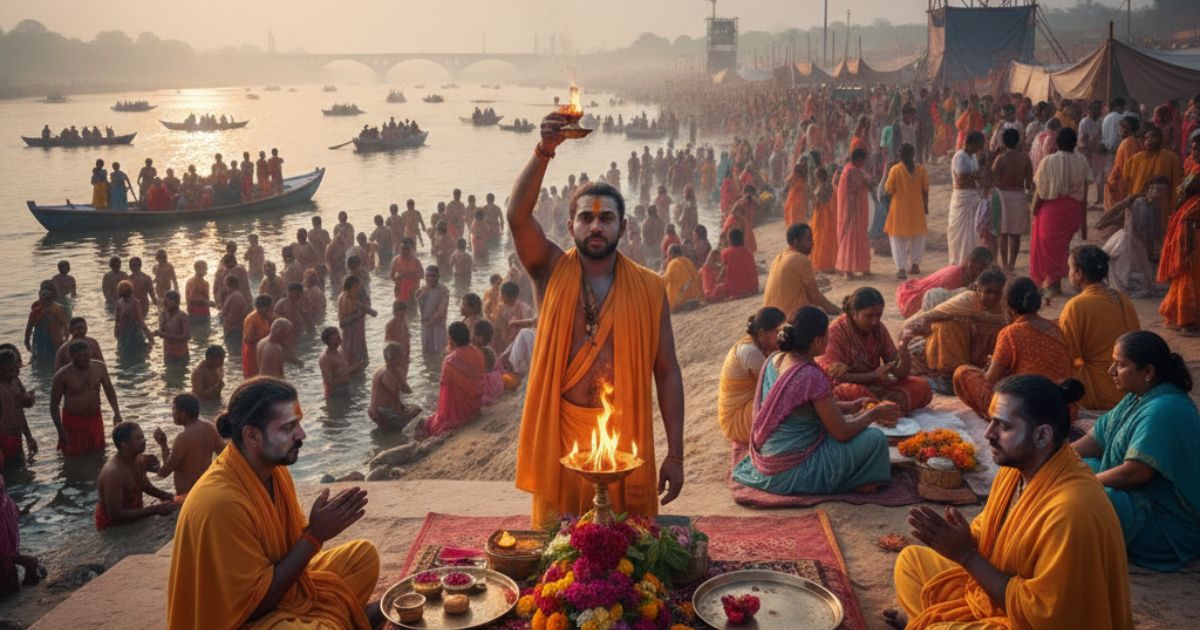
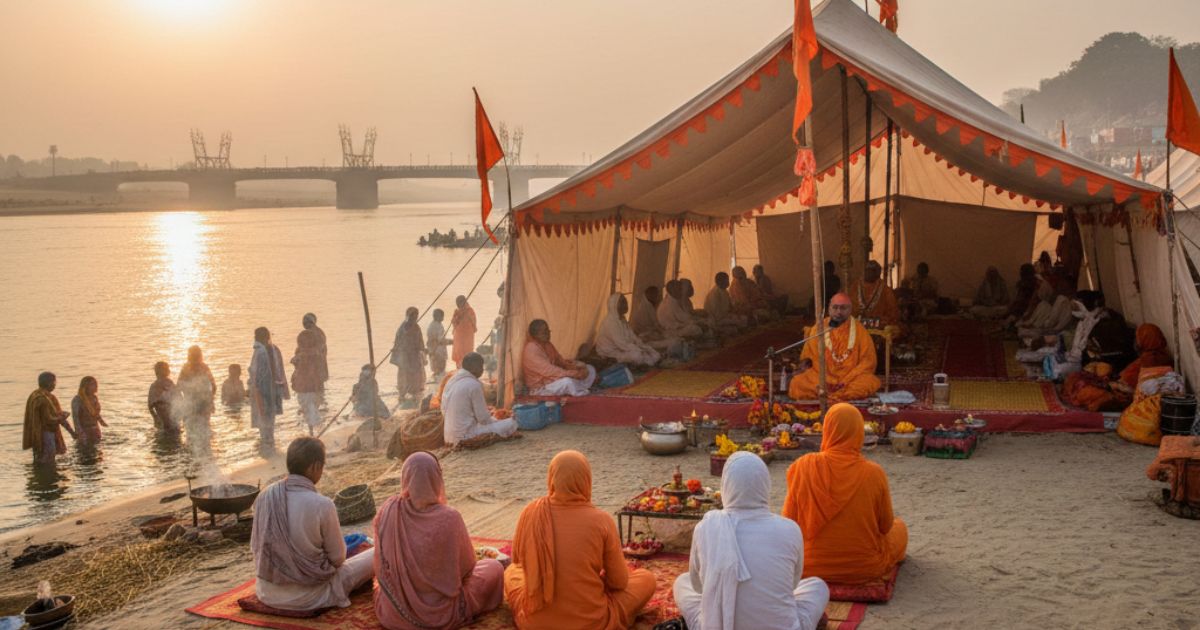
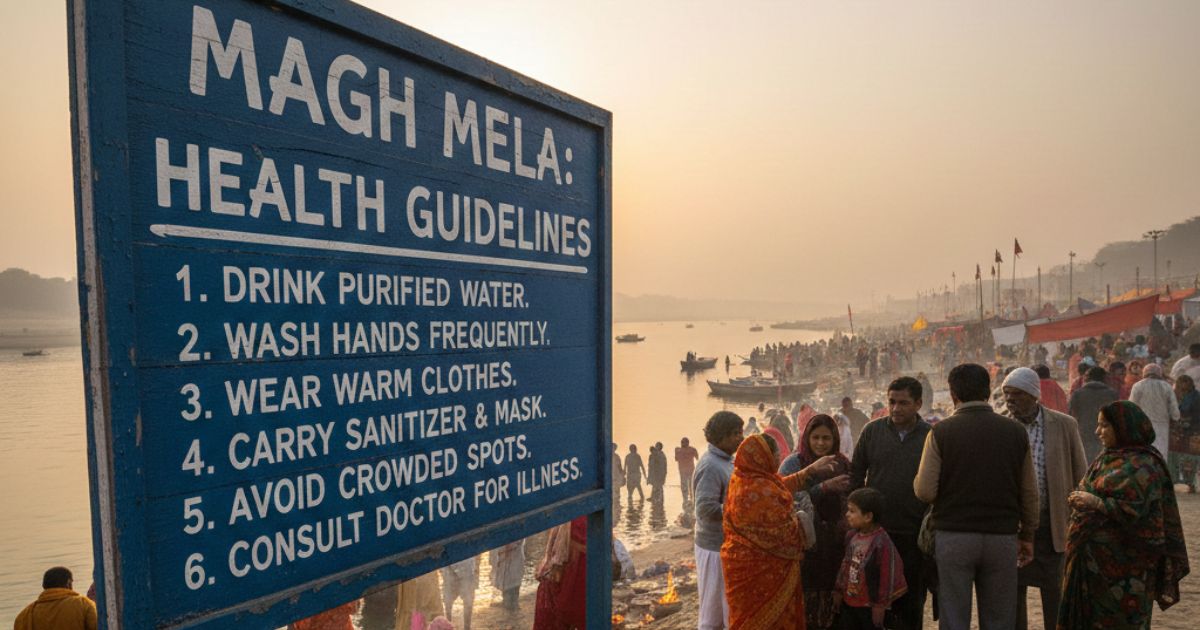
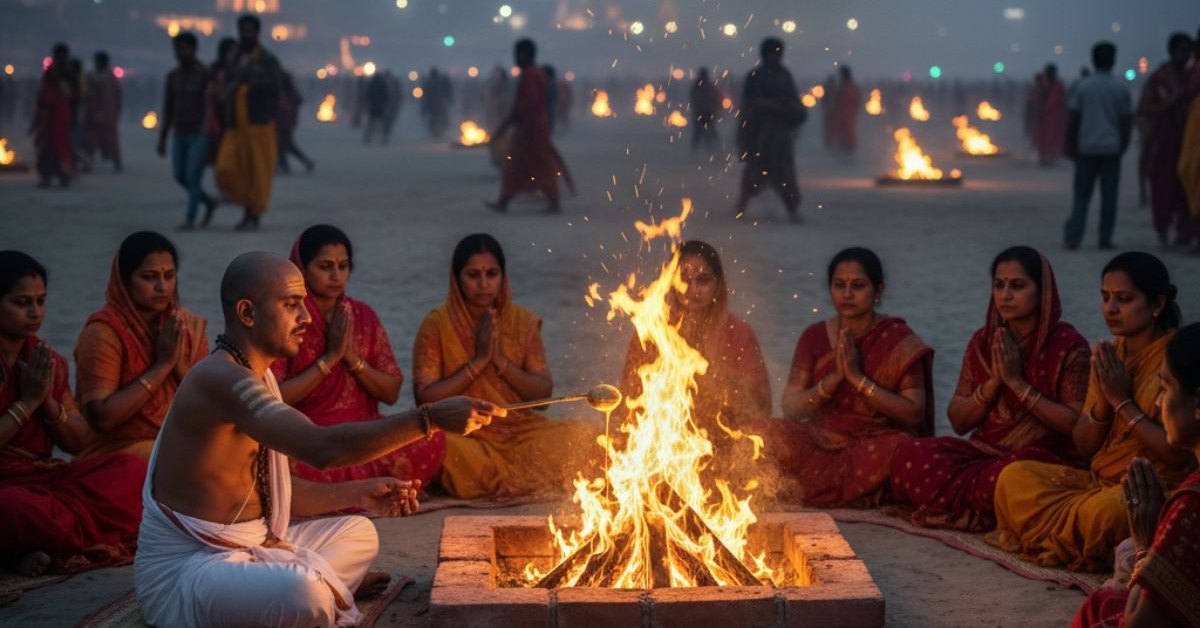
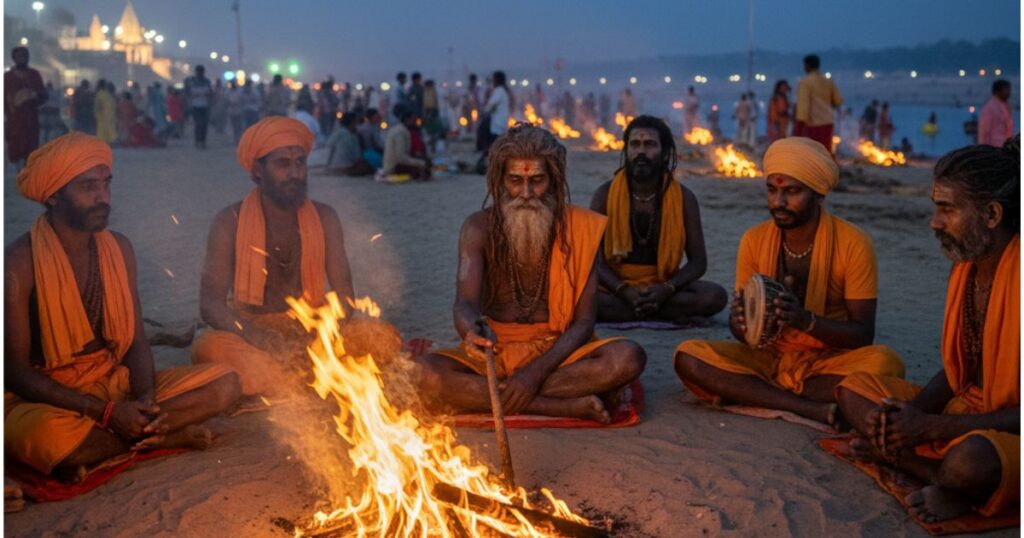
Stand near the Triveni Sangam during Magh Mela at dawn, and you’ll witness thousands of sacred fires blazing simultaneously—plumes of fragrant smoke rising toward heaven, mantras echoing across the waters, priests making offerings into flames while devotees sit in reverent circles. This is havan magh mela at its most magnificent, where the ancient elements of fire and water converge to create a spiritual alchemy that transforms participants at the deepest levels.
But what exactly is happening in these fire rituals? Why does Vedic tradition place such emphasis on fire offerings sangam? And how can you harness this ancient agnihotra rituals practice to address your specific life challenges, heal planetary afflictions, and accelerate spiritual growth?
Havan—also called homa, yajna, or agnihotra—represents one of humanity’s oldest spiritual technologies. For over 5,000 years, practitioners have understood that fire doesn’t just burn physical substances; it transmutes offerings into subtle energies that travel to celestial realms, invoking divine blessings and dissolving karmic blockages.
During Magh Mela, when cosmic energies concentrate at Prayagraj and millions gather in collective devotion, havan gains exponential power. The sacred geography amplifies the ritual, the auspicious timing optimizes results, and the collective sankalp (intention) of countless practitioners creates a spiritual momentum that individual practice could take years to achieve.
Whether you’re seeking planetary remedies, karmic healing, material prosperity, or spiritual elevation—the sacred fires of Magh Mela offer a direct channel to transformation. Let’s explore how these ancient agnihotra rituals work, what procedures to follow, and how to maximize the profound benefits they offer.
The Ancient Science of Agnihotra Rituals
What is Havan and Why Fire?
Havan is a Vedic fire ritual where specific materials are offered into sacred flames while chanting mantras. But why fire? Why not simply pray or meditate?
Fire as Divine Intermediary:
In Vedic cosmology, Agni (fire) serves as the divine messenger between humans and gods. The Rigveda describes Agni as “the mouth of the gods”—whatever you offer into fire reaches the celestial realms instantly.
Think of it like this: prayers and thoughts travel through the subtle realms at one speed, but fire transforms physical matter into energy that shoots directly upward, carrying your intentions on smoke that rises to heaven. The physical becomes spiritual through fire’s transformative power.
The Five Elements Integration:
Havan beautifully integrates all five elements (Pancha Mahabhuta):
- Earth: Sacred ground, brick altar, offerings of grains
- Water: Purification, mixing paste for samidha (sacred wood)
- Fire: The central element, transformative power
- Air: Fan the flames, breath during mantras, smoke carrying prayers
- Space: Sacred space created, prayers traveling through ether
This five-element integration makes havan magh mela uniquely powerful—you’re not just working with one dimension but orchestrating all elements in sacred harmony.
The Spiritual Significance of Agni (Fire)
Ancient rishis recognized fire’s multiple spiritual dimensions:
Purification: Fire purifies everything it touches. Just as physical fire burns impurities in gold, revealing its pure essence, spiritual fire burns karmic impurities, revealing your soul’s true nature.
Transformation: Fire transforms solid matter into subtle energy. This represents the spiritual journey—transforming gross material identification into subtle spiritual awareness.
Upward Movement: Fire always moves upward, symbolizing the soul’s natural direction toward divine union. Unlike water (flows down) or earth (stays still), fire reaches toward heaven—perfect metaphor for spiritual aspiration.
Illumination: Fire illuminates darkness. Spiritually, it represents knowledge dispelling ignorance, consciousness awakening from unconsciousness.
Digestion: Your digestive fire (agni) transforms food into energy. Similarly, spiritual fire transforms experiences into wisdom, karma into understanding.
The agnihotra rituals tradition harnesses these fire qualities to accelerate spiritual evolution, purify consciousness, and transmute karmic patterns.
Types of Fire Offerings Sangam Performed at Magh Mela
Simple Havan (Basic Fire Ritual)
Duration: 30-45 minutes
Purpose: General purification, daily spiritual practice
Suitable for: Individual devotees, small families
Key Features:
- Small fire established in portable altar
- Basic offerings: ghee, grains, herbs
- Simple mantras or Gayatri repetition
- One priest or self-performed
- Cost: ₹500-1,500
This is the most common form at Magh Mela—thousands perform simple havans daily after morning bath.
Maha Havan (Grand Fire Ceremony)
Duration: 2-4 hours
Purpose: Major life events, serious problems, comprehensive blessings
Suitable for: Families, groups, significant occasions
Key Features:
- Large elaborate fire pit
- Extensive offerings including special herbs, precious items
- Multiple priests chanting in coordination
- Specific deity invocations
- Elaborate procedures with multiple stages
- Cost: ₹5,000-50,000+
Maha Havans create spectacular scenes at Magh Mela—massive fires, synchronized chanting, dozens of participants.
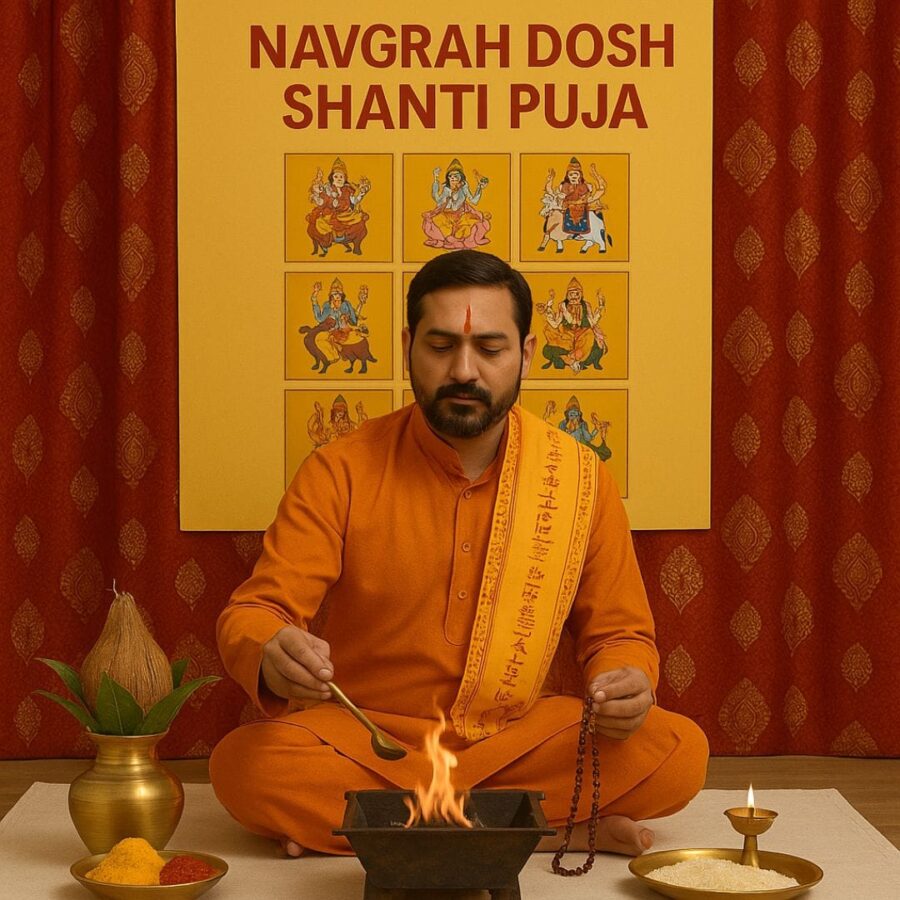
Navagraha Havan (Planetary Fire Ritual)
Duration: 2-3 hours
Purpose: Planetary pacification, astrological remedies
Suitable for: Those with identified doshas or planetary afflictions
Key Features:
- Nine types of offerings corresponding to nine planets
- Specific mantras for each planet
- Color-coded offerings (red for Mars, yellow for Jupiter, etc.)
- Precise sequences following astrological principles
- Cost: ₹3,000-15,000
This is among the most sought-after fire offerings sangam at Magh Mela for those seeking astrological remedies.
Special Purpose Havans
Mahamrityunjaya Havan:
- For health, longevity, overcoming death-like situations
- Shiva-focused fire ritual
- Bilva leaves, white sesame as primary offerings
Lakshmi-Kubera Havan:
- For wealth, prosperity, business success
- Goddess Lakshmi and Lord Kubera invoked
- Turmeric, gold-colored items offered
Ganesha Havan:
- For obstacle removal, new beginnings, success
- Lord Ganesha invoked
- Modak (sweet), durva grass offered
Saraswati Havan:
- For knowledge, education, artistic success
- Goddess Saraswati invoked
- Books, writing instruments symbolically offered
Each special havan serves specific purposes, making the havan magh mela experience highly customizable to individual needs.
Complete Havan Procedure: Step-by-Step Guide
Pre-Havan Preparations
Personal Preparation:
- Morning Bath: Take sacred bath at Sangam before havan
- Clean Clothes: Wear fresh, preferably cotton/silk traditional attire
- Fasting: Light fasting or sattvic breakfast only
- Mental Preparation: Clear intention about havan’s purpose
- Sankalp: Mentally declare your specific intentions
Material Preparation:
- Establishing the havan kund (fire pit)
- Collecting sacred Ganga water
- Arranging all required materials systematically
- Purifying the space with Ganga water sprinkles
- Drawing protective diagrams (if traditional method followed)
Priest Coordination: If using a pandit, brief discussion about:
- Your specific intentions and goals
- Any astrological details needed
- Preferred deity or general havan
- Budget and time constraints
- Language preference for explanations
Setting Up the Sacred Fire
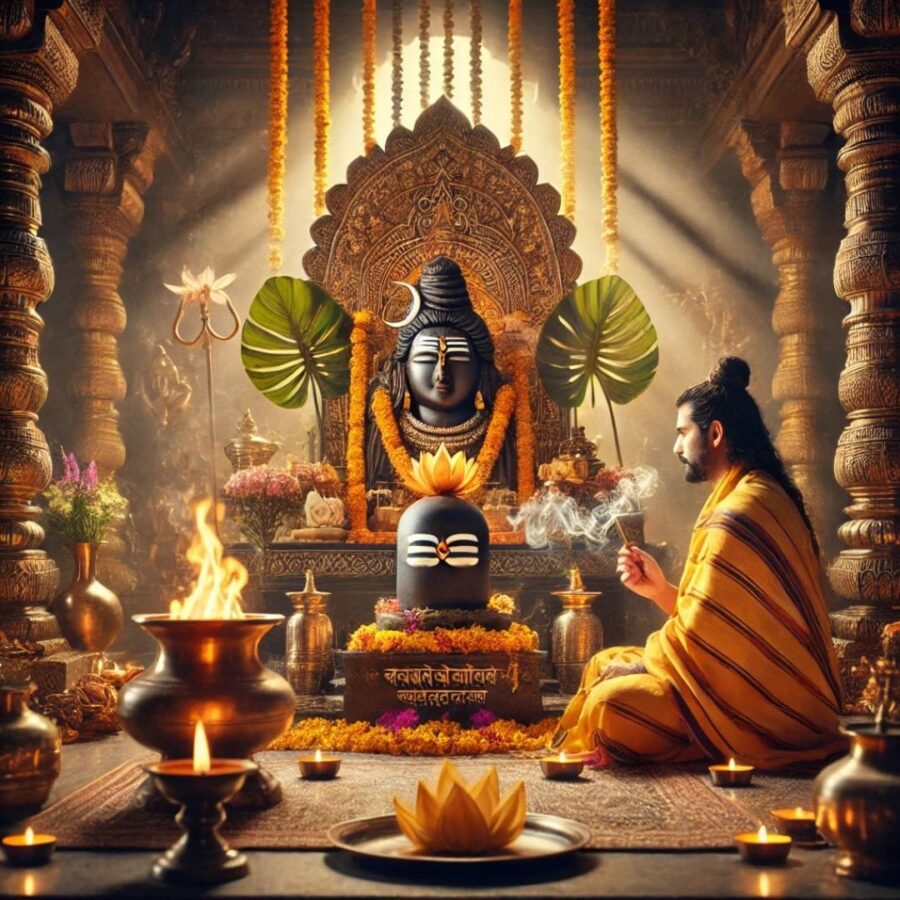
The Fire Altar (Havan Kund):
Traditional havan kunds are:
- Square or triangular brick structures
- Specific dimensions following Vedic measurements
- Positioned facing east (direction of divine light)
- Purified with sacred substances
At Magh Mela, temporary kunds are established with:
- Metal containers with sacred ash base
- Proper ventilation for smoke
- Safe distance from crowds
- Protection from wind
Igniting the Sacred Fire:
Traditional Method:
- Place sacred wood (samidha) in kund
- Sprinkle ghee and camphor
- Light using traditional method (not matches if being orthodox)
- Invoke Agni deity with specific mantras
- Feed fire gradually with ghee-soaked wood
- Establish steady, clean-burning flame
The First Offerings: Before main ritual, preliminary offerings to:
- Ganesha (obstacle removal)
- Guru (spiritual teacher blessing)
- Family deity (personal protection)
Main Ritual Sequence
Phase 1: Invocation (Avahana)
- Invoking chosen deity into the fire
- Mantra: “Om [Deity Name] Ehi Ehi” (Come, come)
- Visualizing divine presence entering the flames
Phase 2: Offerings (Ahuti)
The core of havan involves repeated offerings while chanting:
Offering Rhythm:
- Take offering material in right hand
- Recite specific mantra
- On the word “Swaha” (I offer this), place offering into fire
- Feel the intention traveling with the smoke
Common Mantras:
- “Om Agnaye Swaha” (offering to fire deity)
- “Om [Deity] Swaha” (offering to specific deity)
- Gayatri Mantra with “Swaha”
- Specific planetary mantras for Navagraha Havan
Number of Offerings:
- Minimum: 21-28 offerings
- Standard: 108 offerings
- Elaborate: 1,008 or more offerings
Each offering should be made with full awareness, not mechanical repetition.
Phase 3: Special Requests (Prarthana)
- After main offerings, specific prayers
- Personal intentions clearly stated (mentally or aloud)
- Requests for planetary grace, problem resolution, spiritual growth
- Gratitude for past blessings
Poornahuti (Final Offering)
The culmination of havan magh mela ritual:
What is Poornahuti? “Poorna” means complete, “ahuti” means offering. This is the grand finale where a coconut (symbol of ego/head) is offered, representing total surrender.
Poornahuti Procedure:
- Priest prepares special offering: coconut filled with various items, wrapped in sacred cloth, tied with red thread
- Final powerful mantras recited
- With maximum devotion, coconut placed in fire
- Large flame erupts (ghee and camphor create this effect)
- Moment of complete surrender and release
Symbolic Meaning: The coconut represents your ego—hard outer shell, sweet interior. Offering it to fire symbolizes surrendering individual identity to divine will, the culmination of spiritual aspiration.
Post-Poornahuti:
- Prayers of gratitude
- Sprinkling of sacred ash (vibhuti) on participants
- Distribution of prasad (blessed food/sweets)
- Taking blessings from priest and elders
Essential Materials for Havan Magh Mela
Core Materials:
Sacred Wood (Samidha):
- Mango wood (most common)
- Peepal, banyan, or fig wood
- Cut into specific lengths (traditionally 9 inches)
- Pre-soaked in ghee for better burning
Offerings (Havan Samagri):
- Ghee: Pure cow ghee (primary offering)
- Grains: Rice, barley, wheat, sesame seeds
- Herbs: Various dried herbs in powdered form
- Sugar Products: Jaggery, sugar crystals
- Nuts: Cashews, almonds, raisins
- Special Items: Camphor, sandalwood powder, turmeric, kumkum
Utensils:
- Sruk and Sruva: Special ladles for ghee offerings
- Copper/Bronze Vessels: For holding offerings
- Panchapatram: Small vessel for sacred water
- Uddharani: Spoon for dry offerings
Supporting Materials:
- Sacred thread (janeu)
- Fresh flowers and garlands
- Betel leaves and nuts
- Fruits for prasad
- Camphor for aarti
- Incense sticks
Where to Obtain at Magh Mela:
Numerous shops near the Sangam sell complete havan packages. Alternatively, AstroInsight.guru coordinates everything when you book havan services—all materials provided, no need to shop or worry about completeness.
Mantras and Their Meanings in Fire Rituals
Understanding mantras deepens participation:
Basic Agni Mantras:
“Om Agnaye Namaha Swaha” Translation: “I bow to the fire deity, I offer this” Purpose: General fire invocation
“Om Agnaye Idam Na Mama” Translation: “This belongs to fire, not to me” Purpose: Surrender, non-attachment
Gayatri Mantra in Havan:
“Om Bhur Bhuvah Svah, Tat Savitur Varenyam, Bhargo Devasya Dhimahi, Dhiyo Yo Nah Prachodayat Swaha”
Translation: “We meditate on the divine light of the Sun that illuminates all realms; may that light illuminate our intellect”
This universal mantra works for all fire offerings sangam.
Planetary Mantras:
For Navagraha Havan, each planet has specific mantras:
- Sun: “Om Hram Hreem Hraum Sah Suryaya Swaha”
- Moon: “Om Shram Shreem Shraum Sah Chandraya Swaha”
- Mars: “Om Kram Kreem Kraum Sah Bhaumaya Swaha”
- Mercury: “Om Bram Breem Braum Sah Budhaya Swaha”
- Jupiter: “Om Gram Greem Graum Sah Gurave Swaha”
- Venus: “Om Dram Dreem Draum Sah Shukraya Swaha”
- Saturn: “Om Pram Preem Praum Sah Shanaye Swaha”
- Rahu: “Om Bhram Bhreem Bhraum Sah Rahave Swaha”
- Ketu: “Om Shram Shreem Shraum Sah Ketave Swaha”
The Power of Swaha:
“Swaha” is the key offering word—it releases your offering energetically. Ancient texts say pronouncing “Swaha” correctly creates a sonic vibration that propels offerings through dimensions.
Scientific Benefits of Agnihotra Rituals
Environmental Purification
Modern research has validated some traditional claims:
Air Purification: Studies show havan smoke contains:
- Antiseptic properties killing airborne bacteria
- Negative ions improving air quality
- Aromatic compounds with therapeutic effects
One study found that havan performed in a closed room reduced bacterial count by 94% that persisted for 24 hours.
Atmospheric Improvement: The agnihotra rituals tradition performs fire ceremonies at sunrise and sunset—times when atmospheric conditions optimize smoke dispersion and environmental effect.
Chemical Analysis: Havan smoke contains:
- Formaldehyde reducing agents
- Ozone-friendly compounds
- Pleasant aromatic molecules affecting mood positively
Health and Wellness Effects
Respiratory Benefits: Despite being smoke, properly performed havan with correct materials can:
- Clear sinuses (camphor and eucalyptus in samagri)
- Improve lung capacity through pranayama during ritual
- Deliver medicinal herbs through inhalation
Mental Clarity: The combination of:
- Focused attention during ritual
- Rhythmic breathing synchronized with offerings
- Aromatic compounds affecting brain chemistry
- Meditative state induced by fire gazing
…creates measurable improvements in mental clarity and stress reduction.
Immune Enhancement: Regular participants report:
- Fewer seasonal illnesses
- Faster recovery from ailments
- General vitality improvement
While more research is needed, preliminary studies support these anecdotal claims.
Psychological Benefits
Ritual Psychology: Modern psychology recognizes that rituals:
- Provide sense of control in uncertain circumstances
- Create meaning through symbolic actions
- Build community through shared practices
- Offer structured way to process emotions
Mindfulness Training: Havan naturally induces mindfulness:
- Present-moment awareness while making offerings
- Single-pointed focus on mantras and fire
- Sensory engagement (sight of flames, sound of mantras, smell of smoke, feel of heat)
Intention Setting: The havan magh mela structure provides powerful framework for:
- Clarifying goals and desires
- Releasing what no longer serves
- Committing to positive changes
- Experiencing symbolic death-and-rebirth (fire transforming offerings)
Spiritual Benefits of Fire Offerings Sangam
Karmic Cleansing Through Fire
How Fire Purifies Karma:
Vedic philosophy explains karma as subtle impressions (samskaras) stored in consciousness. These impressions are:
- Difficult to access directly
- Resistant to ordinary methods
- Capable of burning in spiritual fire
When you offer into sacred fire with proper mantras and intention, the ritual creates conditions where:
- Karmic seeds can be accessed
- Fire’s transformative power burns them
- Space opens for new, positive patterns
The Offering as Surrender: Each “Swaha” represents surrender—letting go of:
- Attachment to outcomes
- Egoic control
- Personal will in favor of divine will
This repeated surrender practice dissolves ego structures that perpetuate karmic cycles.
Planetary Pacification
For those performing Navagraha Havan:
How Fire Affects Planets:
Astrologically, planets operate through specific energetic frequencies. Fire offerings with appropriate mantras, colors, and materials:
- Resonate with planet’s frequency
- Appease malefic planetary influences
- Strengthen benefic planetary energies
- Create direct communication with planetary intelligences
Visible and Invisible Benefits:
- Visible: Life circumstances improving in planet-governed areas
- Invisible: Subtle energy field restructuring, karmic debt payment
Many report that after fire offerings sangam at Magh Mela, planetary dashas (periods) that were challenging become suddenly manageable or even beneficial.
Wish Fulfillment and Manifestation
The Manifestation Mechanism:
Fire rituals work on manifestation through:
1. Clarity: Havan forces you to clarify intentions precisely 2. Energy: Fire transforms intention into energy form 3. Release: Smoke carries intention to subtler realms 4. Divine Attention: Proper ritual attracts divine support 5. Karmic Clearing: Obstacles removed, allowing manifestation
Types of Wishes:
- Material: Wealth, property, career success
- Relationships: Marriage, children, family harmony
- Health: Healing, vitality, longevity
- Spiritual: Peace, wisdom, enlightenment
Important Principle: Wishes must be:
- Dharmic (ethical, not harming others)
- Specific (vague wishes yield vague results)
- Accompanied by personal effort (divine grace supports human action)
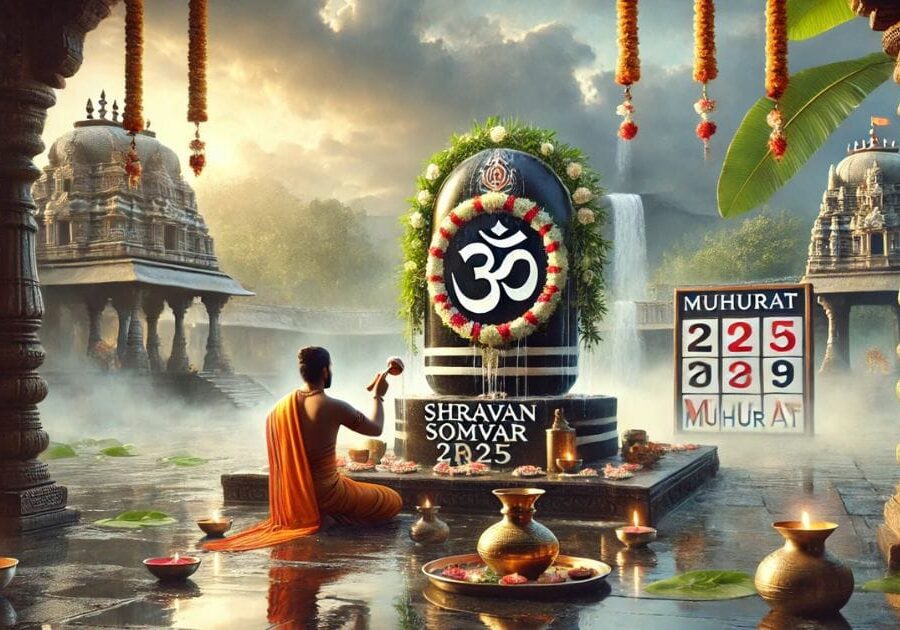
Timing Your Havan: Auspicious Muhurat at Magh Mela
Best Days for Havan Magh Mela:
Makar Sankranti: First major day, excellent for beginning any new spiritual practice including regular havan commitment
Mauni Amavasya: Supreme for ancestor-related havans, karmic cleansing fires, silent contemplative rituals
Basant Panchami: Perfect for Saraswati Havan (knowledge, education, arts)
Maghi Purnima: Excellent for completion rituals, fulfillment havans, gratitude fires
Daily Optimal Times:
Brahma Muhurta (Pre-Dawn): 4:00-6:00 AM—most spiritually potent, best for serious spiritual havans
Sunrise: Perfect for Surya Havan, general prosperity rituals
Noon: Good for Mars-related havans, energy and courage prayers
Sunset: Beneficial for completion rituals, release ceremonies
Avoid: Rahu Kaal (inauspicious daily period)—varies by day, consult pandit or AstroInsight.guru for daily calculations
Personal Muhurat: Your birth chart determines optimal havan timing. AstroInsight.guru calculates personalized muhurats ensuring your fire ritual occurs when planetary support is maximum for your specific chart.
Special Havans for Specific Life Situations
For Marriage:
- Venus/Jupiter Havan
- Swayamvara Parvathi Havan (for women seeking husband)
- Kalyana Sundara Havan (for men seeking wife)
For Children:
- Santana Gopala Havan (child conception/protection)
- Jupiter Havan (children and wisdom)
For Business Success:
- Lakshmi-Kubera Havan
- Ganesha Havan for removing obstacles
- Mercury Havan for communication/trade
For Health:
- Mahamrityunjaya Havan
- Dhanvantari Havan (physician deity)
- Sun Havan for vitality
For Legal Matters:
- Jupiter Havan (justice, dharma)
- Saturn Havan (patience through delays)
For Education:
- Saraswati Havan
- Mercury Havan
- Jupiter Havan
For Peace:
- Shanti Havan (general peace)
- Moon Havan (mental peace)
- Simple Gayatri Havan
Each situation benefits from specific agnihotra rituals designed to address that particular challenge.
Common Mistakes to Avoid During Havan
Mistake 1: Wrong Materials Using incorrect or impure offerings—some materials create toxic smoke. Always use authentic havan samagri.
Mistake 2: Improper Fire Too large (wasteful, dangerous) or too small (ineffective). Fire should be steady, medium-sized flame.
Mistake 3: Mechanical Participation Making offerings while distracted, chatting, or without awareness. Each offering needs full attention.
Mistake 4: Pronunciation Errors Badly mispronounced mantras lose efficacy. If unsure, better to chant simple “Om” correctly than complex mantras incorrectly.
Mistake 5: Unsafe Practices Fire hazards near crowds. Always maintain safety, especially at crowded Magh Mela grounds.
Mistake 6: Skipping Poornahuti Incomplete rituals leave energy unresolved. Always complete with proper poornahuti.
Mistake 7: Ignoring Post-Ritual Practices Rushing away immediately. Spend few minutes in silent integration after havan.
Mistake 8: Wrong Intentions Negative wishes or harm to others. Fire offerings sangam should only be for positive, dharmic purposes.
Can You Perform Havan Yourself or Need a Priest?
Self-Performed Havan:
Advantages:
- Personal, intimate experience
- Budget-friendly
- Full control over pace and focus
- Daily practice feasible
Requirements:
- Basic mantra knowledge
- Understanding of procedure
- All materials
- Safe location
- Time and patience
Suitable For:
- Simple daily agnihotra
- Personal spiritual practice
- Those trained in basics
- Small, informal intentions
Priest-Led Havan:
Advantages:
- Authentic procedure guaranteed
- Correct pronunciation and sequence
- Astrological calculations included
- Elaborate rituals possible
- Teaching opportunity
When Essential:
- Complex rituals (Navagraha, Rudra Havan)
- Astrological remedies
- Major life events
- When precision matters
- Group/family ceremonies
The Balanced Approach:
Many combine both:
- Major havans with priest at Magh Mela
- Simple daily agnihotra self-performed at home
- Learning from priest to improve personal practice
AstroInsight.guru offers:
- Full priest-conducted havans for major rituals
- Basic training for self-practice
- Guidance materials for home continuation
- Remote consultation for self-performed havans
Post-Havan Practices and Maintenance
Immediate Post-Havan:
Ash (Vibhuti) Collection: Sacred ash from havan magh mela holds spiritual potency:
- Apply to forehead (third eye activation)
- Mix small amount in water and drink (internal purification)
- Keep small portion at home altar
- Use in future pujas
Prasad Consumption: Food blessed during havan:
- Eat with reverence, not casually
- Share with family
- Never waste or discard carelessly
Silent Integration: 15-30 minutes of silence after havan:
- Sit quietly near dying embers
- Absorb the energy generated
- Reflect on experience
- Avoid immediate chatter
Ongoing Practices:
Home Fire Rituals: Establish simple daily agnihotra:
- Morning and/or evening
- Even 5-10 minutes beneficial
- Maintains connection started at Magh Mela
Mantra Continuation: Keep chanting mantras used in havan:
- Same mantras daily
- Even without fire, mantras retain power
- 108 repetitions minimum
Lifestyle Support: Fire rituals work best when supported by:
- Sattvic diet
- Ethical living
- Regular spiritual practice
- Service to others
AstroInsight.guru‘s Expert Havan Services
Comprehensive Havan Magh Mela Packages:
Basic Package:
- Simple havan with experienced pandit
- Standard materials provided
- 30-45 minute ritual
- Prasad and vibhuti
- Investment: ₹2,100
Standard Package:
- Navagraha Havan or deity-specific ritual
- 2-3 hours
- All materials, multiple priests if needed
- Video documentation
- Post-ritual consultation
- Investment: ₹5,100-11,000
Premium Package:
- Maha Havan with elaborate setup
- Personalized astrological timing
- Multiple priests, grand ceremony
- Complete family participation
- Lunch/prasad arrangements
- Full video documentation
- Follow-up remedial guidance
- Investment: ₹21,000-51,000
Customized Packages: Design your own based on:
- Specific astrological needs
- Budget considerations
- Time availability
- Personal preferences
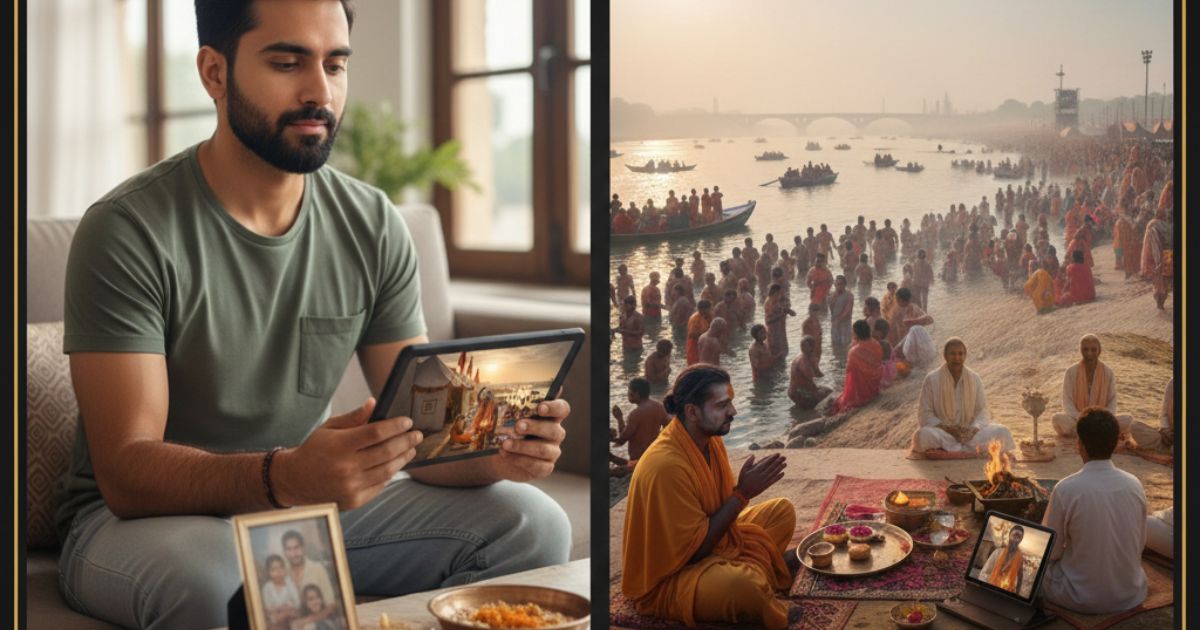
Remote Havan Services: Cannot attend Magh Mela? We perform proxy havans:
- Complete sankalp in your name
- Live video streaming
- Blessed prasad and vibhuti shipped
- Same spiritual efficacy
Year-Round Havan Support:
- Monthly home havan guidance
- Special occasion havan coordination
- Teaching basic agnihotra for daily practice
- Mantra pronunciation training
- Material sourcing assistance
Why Choose Our Havan Services:
Authentic Procedures: Our pandits are trained in traditional gurukuls, ensuring genuine Vedic protocols, not commercialized shortcuts.
Astrological Integration: Havans timed according to your birth chart for maximum benefit—not random scheduling.
Quality Materials: We source pure, authentic havan samagri—no synthetic substances or harmful materials.
Safety Standards: All fire rituals conducted with proper safety measures, especially important in crowded Magh Mela conditions.
Transparent Pricing: Clear costs with detailed breakdowns—no hidden charges or surprise demands.
Personalized Attention: Not mass-production havans. Each ritual receives full attention and customization.
Post-Ritual Support: We don’t abandon you after the ceremony. Follow-up guidance ensures integration and continued benefit.
Connect with AstroInsight.guru:
- 🌐 Website: astroinsights.guru
- 📞 Phone: +916306407641
- 📧 Email: astroinsights.guru@gmail.com
- 🤖 AstroInsights AI: https://bit.ly/astroguru_ai
Conclusion
The sacred fires of havan magh mela represent one of humanity’s most ancient and powerful spiritual technologies. For over five millennia, practitioners have discovered that fire doesn’t just burn physical substances—it transforms consciousness, purifies karma, and creates bridges between human and divine realms.
When performed at the Triveni Sangam during Magh Mela, these agnihotra rituals gain exponential power through:
- Sacred geography (three-river confluence)
- Auspicious timing (Magh month’s cosmic support)
- Collective energy (millions practicing simultaneously)
- Divine presence (deities attending the sacred gathering)
Whether you’re seeking planetary remedies through Navagraha Havan, karmic cleansing through purification fires, wish fulfillment through intention-focused rituals, or simply spiritual elevation through sacred practice—the fire offerings sangam at Magh Mela offer unparalleled opportunities.
But remember: effectiveness depends on proper execution. Random fire-lighting doesn’t constitute authentic havan. Correct materials, accurate mantras, appropriate timing, and sincere intention all matter. This is where expert guidance becomes invaluable.
AstroInsight.guru brings together traditional knowledge with modern accessibility, ensuring your havan experience is:
- Authentically performed according to Vedic standards
- Personally customized to your astrological needs
- Safely conducted with proper precautions
- Reasonably priced with transparent costs
- Supported with follow-through guidance
The flames await. The mantras are ready to be chanted. The offerings prepared to be made. The question is: will you harness this ancient power for your transformation?
May the sacred fires of Magh Mela illuminate your path, burn away your obstacles, and carry your prayers directly to the divine. May Agni Dev bless your offerings, and may the smoke of your sincere intentions rise unobstructed to the celestial realms.
FAQs About Havan Magh Mela
1. Is havan magh mela safe to perform given the crowds, fire hazards, and cold weather conditions?
Safety is paramount, and yes, havan can be performed safely with proper precautions. Fire Safety Measures: Established havan areas at Magh Mela have designated zones with: fire extinguishers nearby, safe distance from tents and crowds, controlled fire pit sizes (not unmanageable bonfires), trained personnel monitoring, wind barriers when necessary. Personal Safety: Use proper utensils (long-handled ladles), maintain safe distance from flames, tie back loose hair and secure flowing clothes, keep children supervised at all times, ensure adequate ventilation for smoke. Cold Weather Considerations: The winter cold actually makes fire rituals more comfortable—you’re sitting near warmth while others shiver. However: arrive in warm clothes (remove outer layers while near fire), protect materials from moisture, ensure ghee isn’t solidified (keep warm), be cautious of frozen ground making setup unstable. Crowd Management: Book havan services through AstroInsight.guru and we: reserve specific timing and location, create protected space for your ceremony, coordinate with Mela authorities for safe access, provide assistance navigating crowds with materials. Professional Oversight: When you use our pandit services, experienced priests handle all fire-related activities, understand safety protocols, have insurance coverage, follow established safety guidelines. The combination of designated areas, professional conduct, and proper precautions makes havan at Magh Mela safe for millions annually—when done correctly.
2. Can women participate in and even conduct agnihotra rituals, or are there traditional restrictions?
This question involves balancing tradition with evolving understanding: Traditional Views: Orthodox traditions suggest women avoid fire rituals during menstruation and pregnancy, with some schools restricting women from independently conducting certain elaborate rituals. Scriptural Ambiguity: Vedic texts themselves show women rishis (like Gargi, Maitreyi) performing fire ceremonies. The Rigveda acknowledges women’s spiritual authority. Restrictions emerged later through cultural interpretations, not original Vedic injunctions. Modern Consensus: Most contemporary spiritual teachers and reformed traditions affirm: Women can and should participate fully in havan, menstruation doesn’t diminish spiritual capacity (though personal comfort matters), pregnant women should avoid excessive smoke inhalation but can participate moderately, women can learn and independently perform simple agnihotra at home, family havans benefit from both partners’ participation. Practical Approach at Magh Mela: Most fire offerings sangam welcome women’s full participation. If performing with traditional pandit, discuss his specific tradition to avoid conflict. AstroInsight.guru works with both orthodox and reformed pandits based on your preference and comfort level. Personal Guidance: Follow your: own spiritual tradition and guru’s guidance, physical comfort and health needs, inner conviction about what feels appropriate, respect for the specific ceremony’s tradition. Bottom line: Women’s spiritual authority is authentic and ancient—modern restrictions don’t reflect original Vedic inclusivity. Participate according to your conviction while respecting varying traditional views.
3. How do fire offerings sangam work from a spiritual/energetic perspective—what actually happens when I offer into the flames?
This addresses the mechanism behind the ritual: The Multi-Dimensional Process: Physical Level: You place material offerings into fire, which combusts them, transforming solid matter into smoke, heat, and ash. This physical transformation is real and measurable. Energetic Level: Each offering carries subtle energy (prana). Fire acts as transformer, converting material-bound prana into free-flowing spiritual energy. Think of fire as a spiritual technology—like how a radio converts electrical signals into sound waves, fire converts physical offerings into subtle energy waves. Mental Level: Your intention (sankalp) and focus while offering creates mental patterns. The ritual structure—repetition, rhythm, mantras—entrains your consciousness into meditative states where intention gains power. Karmic Level: Offerings represent surrendering attachments. Each “Swaha” is a mini-death of ego—releasing control, accepting divine will. This repeated surrender weakens karmic knots (vasanas) that bind consciousness. Divine Level: According to Vedic cosmology, specific mantras and offerings attract attention of deities/cosmic intelligences associated with those vibrations. The fire creates a “communication channel” between material and celestial realms. Scientific Parallel: Modern physics recognizes matter-energy equivalence (E=mc²). Fire literally converts matter to energy. Ancient rishis understood this intuitively—they didn’t have equations but recognized transformation principles. The Smoke Symbolism: Smoke rising represents prayers ascending to higher dimensions. While scientifically smoke just rises due to heat, spiritually it carries intention-energy to subtle realms where “gods” (cosmic forces) receive and respond. Why It Works: Multiple mechanisms operate simultaneously: neurological (ritual inducing brain states conducive to change), psychological (symbolic action creating meaning), energetic (subtle body restructuring), and possibly quantum (consciousness affecting probability fields). The havan magh mela doesn’t require belief in gods to work—the ritual structure itself creates conditions for transformation.
4. After performing havan at Magh Mela, what ongoing practices should I maintain at home to preserve and extend the benefits?
Post-Magh Mela maintenance is crucial—many lose benefits through neglect: Immediate Continuation (First 40 Days): The first 40 days post-havan are critical for “sealing” benefits. Daily Simple Agnihotra: Even 10 minutes morning/evening: Use small clay/copper vessel, light lamp or small fire, offer few drops ghee with simple mantras (“Om Agnaye Swaha”), maintain regularity over elaborateness. Mantra Practice: Continue chanting mantras used in your Magh Mela havan: minimum 108 daily repetitions, same time daily for consistency, use mala beads to track count. Vibhuti Use: Apply sacred ash from Magh Mela havan: daily on forehead before meditation, small pinch in drinking water occasionally, keep remainder on home altar. Lifestyle Support: Sattvic diet (avoid tamasic foods), ethical conduct (honesty, non-violence), regular spiritual study, weekly charity/service, monthly fasting on relevant days. Long-Term Practices: Annual Reinforcement: Return to Magh Mela annually if possible (even for one day). If not possible, perform elaborate home havan on Mauni Amavasya with pandit, maintains the original sankalp’s energy. Monthly Observances: New moon (Amavasya) and full moon (Purnima) are mini-renewal points: light lamp or small fire, offer prayers, reconnect with original intention. Special Occasion Havans: Birthdays, anniversaries, festival days: perform home havan (simple or elaborate), keeps fire relationship active. Learning Progression: Consider learning traditional agnihotra practice properly: attend workshops, study with qualified teacher, gradually expand home practice, eventually teach others. AstroInsight.guru’s Support: We provide: monthly reminder emails with appropriate practices, annual follow-up consultations, home havan guidance and material sourcing, troubleshooting for challenges. The Maintenance Principle: Think of Magh Mela havan as planting a seed. Daily practices are watering and sunlight. Annual returns are fertilizing. Without maintenance, even powerful beginnings fade. With proper care, the sacred fire lit at Magh Mela continues burning in your consciousness throughout life.
5. What’s the difference between havan, homa, yajna, and agnihotra—are these different rituals or just different names for the same practice?
Excellent question—these terms are related but have distinctions: Agni-hotra (अग्निहोत्र): Most specific term. “Agni” = fire, “hotra” = offering. Refers specifically to: twice-daily fire ritual (sunrise/sunset), very simple, short duration (5-10 minutes), minimal materials (ghee, rice/cow dung cakes), precise timing (exact sunrise/sunset moments), traditionally performed by householders daily, focuses on atmospheric purification and dharma maintenance. At Magh Mela, “agnihotra” might refer to these simple, quick fire rituals many perform individually. Havan (हवन): Broad, commonly used term in North India. Encompasses all fire-offering rituals from simple to elaborate, flexible timing and materials, can be short or extended duration, performed for various purposes, most colloquial term in Hindi. When people say “havan magh mela,” they mean the general category of fire rituals performed there. Homa (होम): Sanskrit term, technically equivalent to havan, often used for more elaborate or formal rituals, preferred term in South India and in scholarly contexts, appears in Vedic literature, implies structured ritual with specific sequence. Yajna (यज्ञ): Broadest, most comprehensive term. Ancient Vedic word meaning “sacrifice” or “worship.” Can refer to: fire rituals specifically, but also broader concept of selfless action (Karma Yoga is yajna), any offering with spiritual intention, even life itself as sacrificial offering. Grand ceremonies with elaborate preparations spanning days. The great Vedic fire ceremonies were called “yajnas”—Ashwamedha Yajna, Rajasuya Yajna, etc. Hierarchy: Yajna (broadest concept) → Homa/Havan (fire rituals) → Agnihotra (specific simple fire offering) Practical Usage: At Magh Mela: “Simple havan” = quick fire ritual (30-45 min), “Agnihotra” = very basic daily fire offering, “Maha Havan” = elaborate fire ceremony (2-4 hours), “Yajna” = grand ritual, possibly multi-day. For Your Purposes: When booking fire offerings sangam services, specify: purpose (planetary remedy, general blessing, specific intention), duration preference, budget, formality level (simple or elaborate). AstroInsight.guru guides you to the appropriate ritual type regardless of terminology—we understand what you need based on your situation, not which Sanskrit term you use. The Essence: All these practices share core elements: sacred fire as divine presence, offerings with mantras, transformation through fire, connection between human and divine. The name matters less than sincere participation with proper guidance.