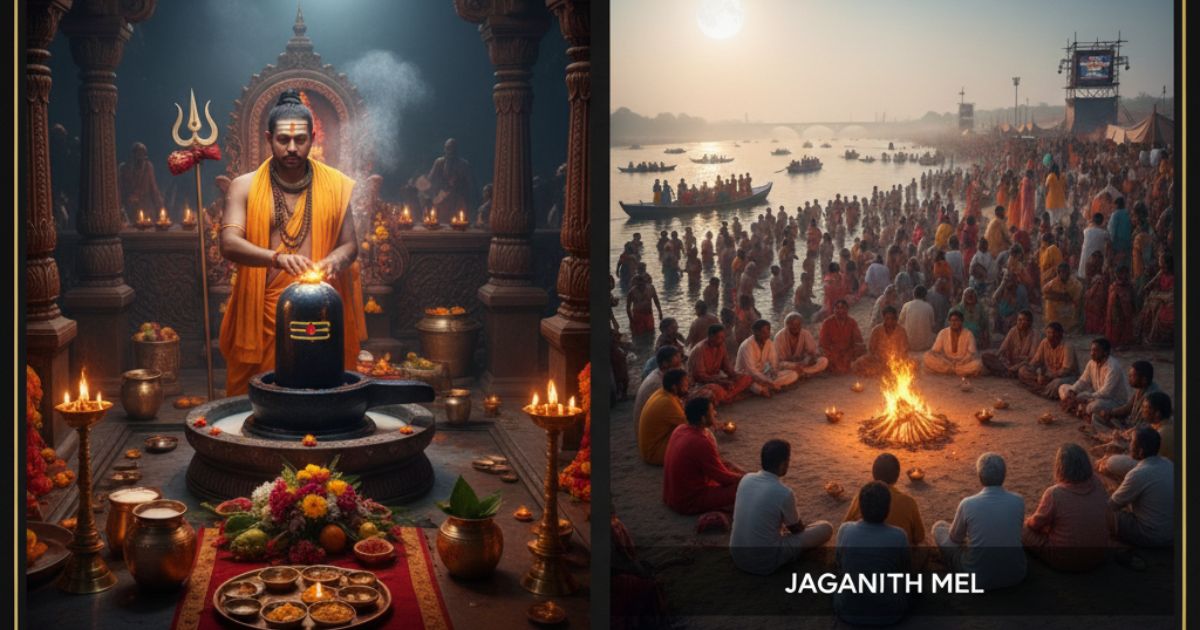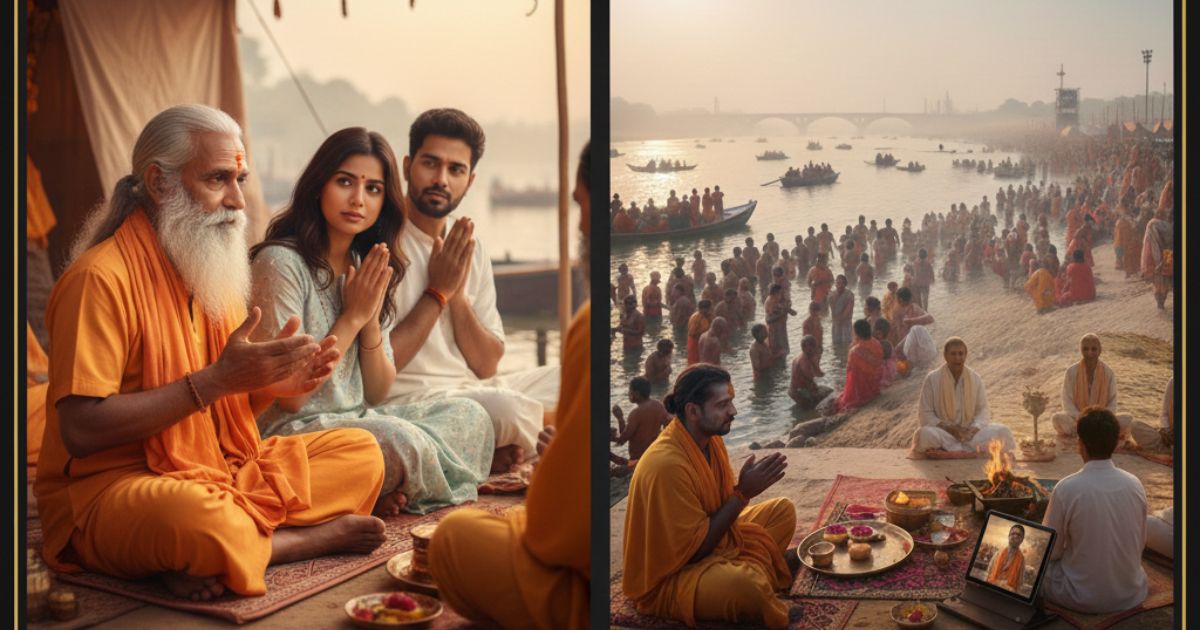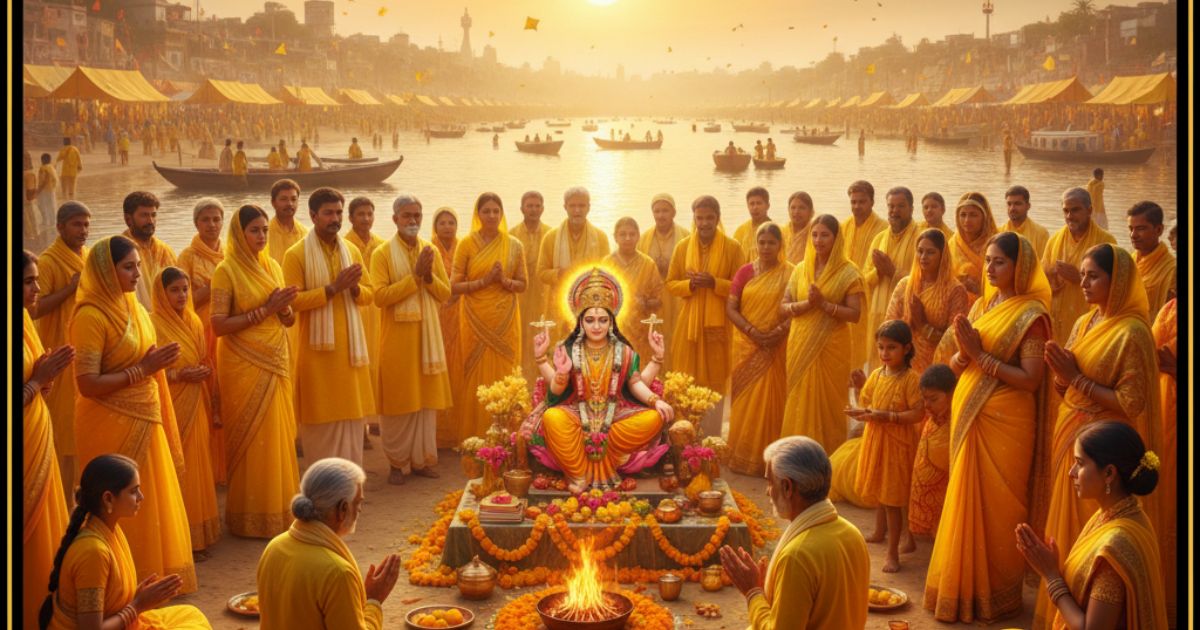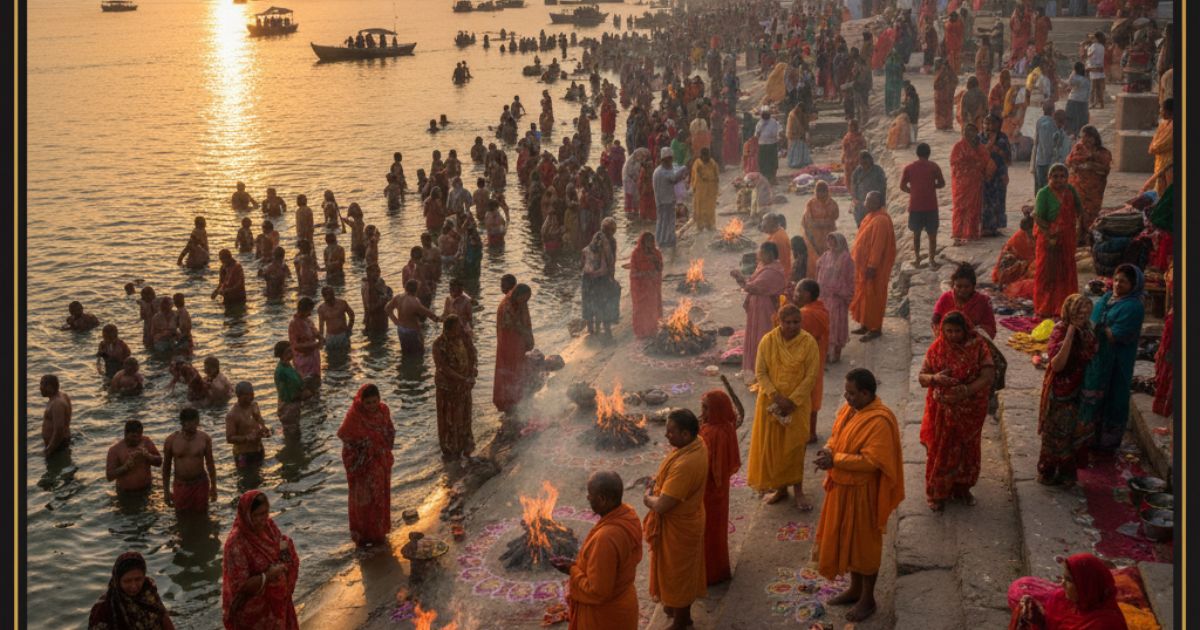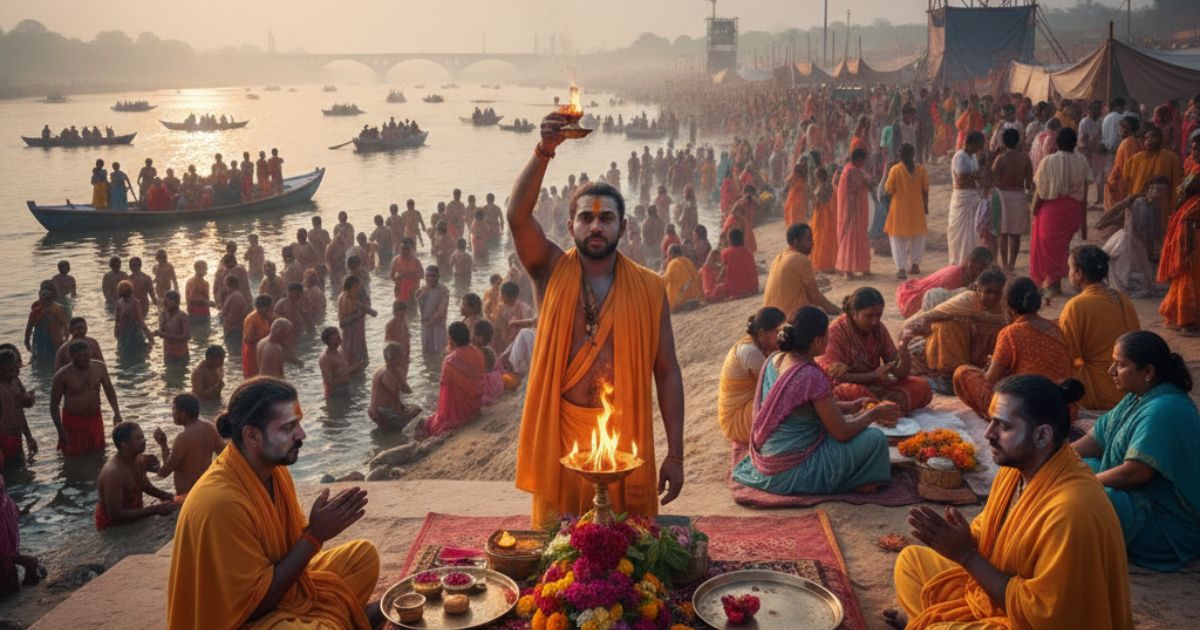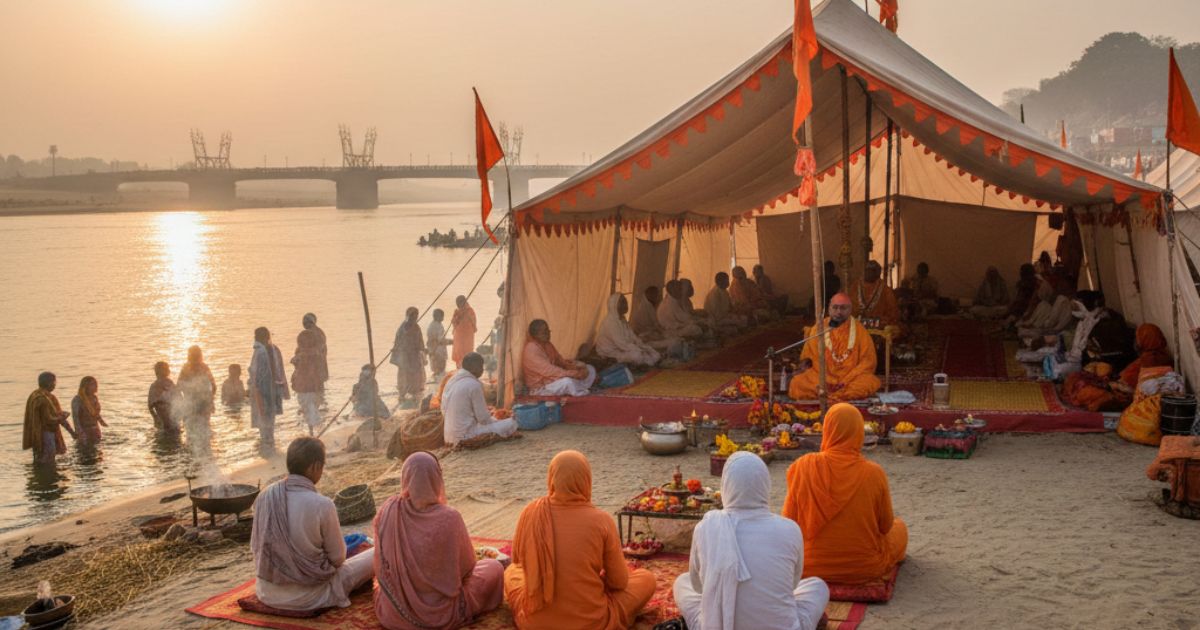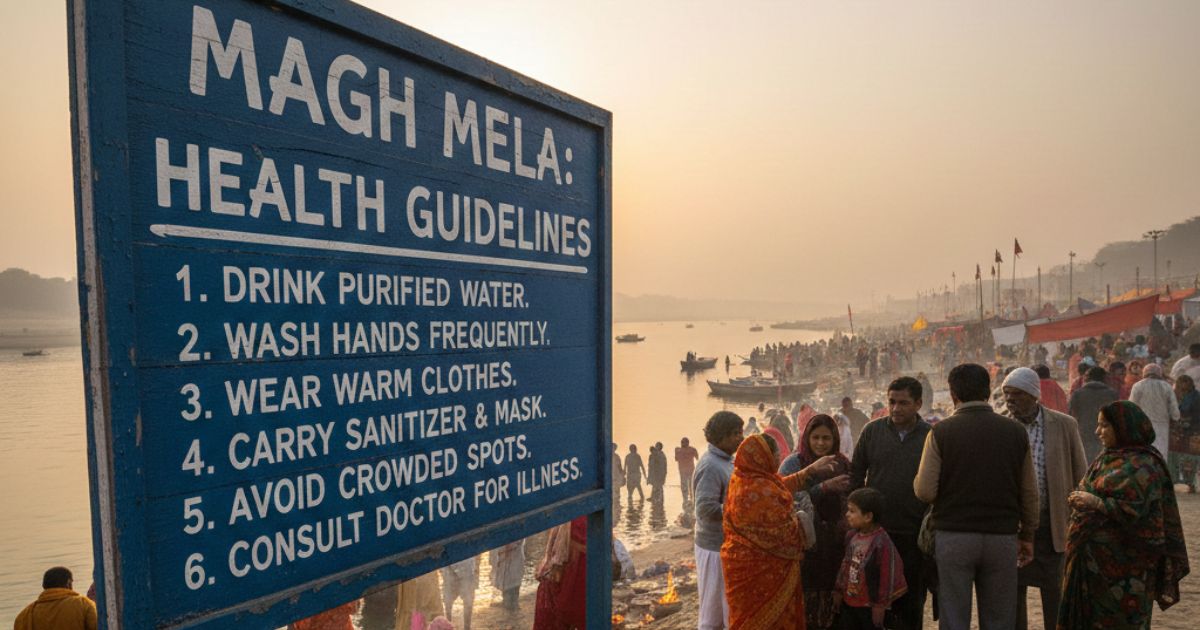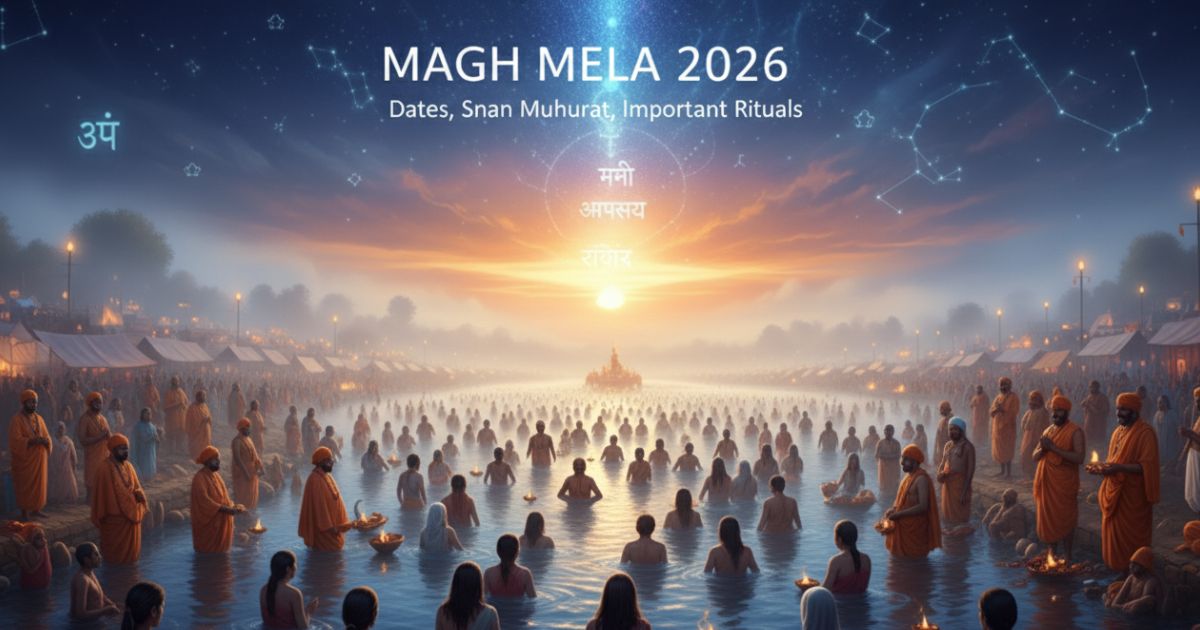
Magh Mela 2026 Dates in Prayagraj is a sacred gathering of faith and devotion. Explore the complete Snan Muhurat, important rituals, and festival significance.
Are you already thinking ahead to Magh Mela 2026? Smart planning makes all the difference when it comes to one of India’s most spiritually significant gatherings. Whether you missed the 2025 edition or you’re planning to make this an annual spiritual practice, knowing the magh mela dates 2026, understanding the precise magh mela 2026 snan muhurat, and familiarizing yourself with essential magh mela rituals will ensure your pilgrimage is both meaningful and well-organized.
Planning a year in advance might seem excessive, but for devotees serious about their spiritual journey, early preparation is actually wisdom. Accommodations book up quickly, travel arrangements become complex during peak season, and understanding the ritual calendar helps you plan vacation time strategically. Think of this guide as your early-bird advantage for experiencing Magh Mela 2026 at its spiritual best.
Let’s walk through everything you need to know—from exact dates to auspicious bathing times to the sacred practices that will make your 2026 pilgrimage truly transformative.
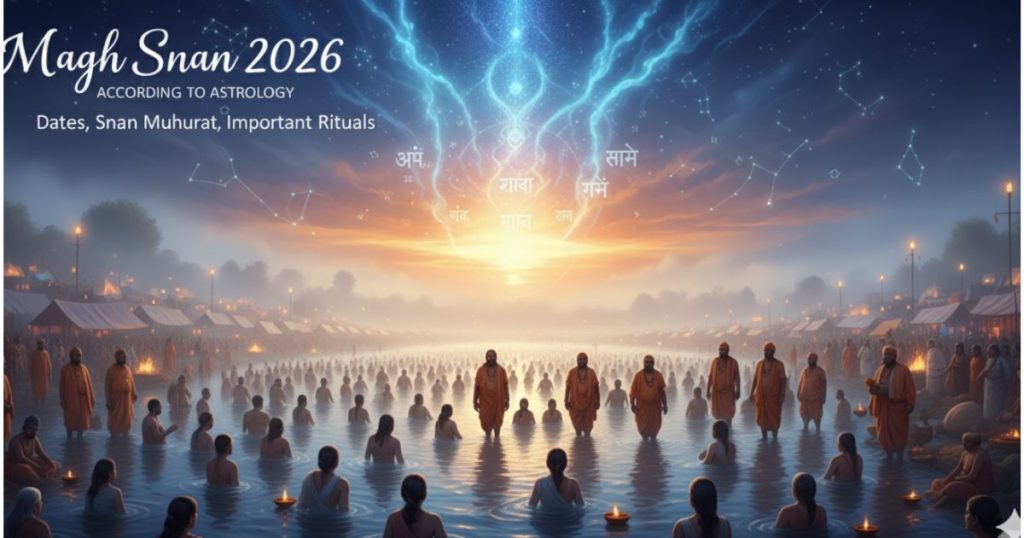
Magh Mela Dates 2026: Complete Calendar
Official Duration of the Festival
The magh mela dates 2026 are projected to run from January 3, 2026, to February 1, 2026. Notice something different? Yes, the entire mela shifts earlier compared to 2025! This happens because the Hindu lunar calendar doesn’t align perfectly with the Gregorian calendar, causing dates to shift by approximately 10-11 days each year.
This month-long festival will once again transform Prayagraj into a spiritual epicenter during the Magh month. The earlier dates mean slightly warmer weather conditions compared to mid-January starts, which might actually be a relief for pilgrims concerned about the cold!
Major Bathing Days for 2026
While daily bathing throughout the month holds significance, five dates stand out as particularly auspicious. Here’s your essential calendar for the magh mela dates 2026:
- Paush Purnima: January 3, 2026 (Saturday)
- Makar Sankranti: January 14, 2026 (Wednesday)
- Mauni Amavasya: January 18, 2026 (Sunday)
- Basant Panchami: January 23, 2026 (Friday)
- Maghi Purnima: February 1, 2026 (Sunday)
Notice that both Mauni Amavasya and Maghi Purnima fall on Sundays in 2026—expect even larger crowds on these days as more people can attend without taking weekdays off work!
Magh Mela 2026 Snan Muhurat: Timing Guide
Understanding Muhurat Calculation
Before diving into specific times, it’s important to understand how the magh mela 2026 snan muhurat gets calculated. Vedic astrologers use complex calculations involving:
- Lunar phase (tithi)
- Nakshatra (lunar mansion)
- Sunrise and sunset times
- Planetary positions
- Yogas and karanas (auspicious combinations)
These calculations happen months in advance, though final confirmations come closer to the actual dates. The timings provided here are based on preliminary astronomical data and traditional calculation methods.
Why 2026 Timings Differ from 2025
You might wonder: can’t we just use the same timings every year? Not quite. The snan schedule prayagraj changes annually because:
Lunar Calendar Shifts: The moon’s phases don’t repeat at the same time each year
Sunrise Variations: The sun rises at slightly different times depending on the exact date
Planetary Transits: Different planetary positions each year affect auspicious timing
Nakshatra Changes: The lunar mansions move through the zodiac differently
This is why checking year-specific muhurat timings is crucial rather than assuming previous years’ schedules apply.
Day-Wise Snan Muhurat for 2026
Paush Purnima Snan Timing
Date: January 3, 2026 (Saturday)
The magh mela 2026 snan muhurat for Paush Purnima is calculated to begin around 5:45 AM and extend until 7:00 AM. This opening day of the mela carries special significance as it marks the transition into the sacred month of Magh.
The full moon energy on this day represents completion and fulfillment. Starting your Magh Mela journey on Paush Purnima is considered highly auspicious, especially for those planning to become Kalpavasis (staying the entire month). The Friday timing adds Venus’s blessings, enhancing the day’s energy for relationships and harmony.
Makar Sankranti Muhurat
Date: January 14, 2026 (Wednesday)
Makar Sankranti’s snan schedule prayagraj shows the prime muhurat falling between 6:20 AM and 8:00 AM. This solar festival remains one of the most significant days at Magh Mela, regardless of which year you attend.
The sun’s entry into Capricorn (Makar) marks the beginning of Uttarayan—the six-month period when spiritual practices yield enhanced results. The 2026 edition falls on a Wednesday, governed by Mercury, adding intellectual clarity and communication skills to the day’s blessings. Expect massive crowds as this remains the most popular bathing day.
Mauni Amavasya Timing
Date: January 18, 2026 (Sunday)
The magh mela 2026 snan muhurat for Mauni Amavasya—the most spiritually potent day—falls between 5:30 AM and 6:45 AM. This new moon day represents the peak of transformative energy at the Sangam.
The Sunday timing in 2026 is particularly interesting. Sundays are governed by the Sun, representing consciousness and the soul. Combined with the dark moon’s introspective power, this creates unique conditions for deep spiritual work. The practice of maintaining silence (maun) throughout the day helps channel this energy inward.
Many astrologers consider the 2026 Mauni Amavasya especially powerful due to certain planetary alignments occurring that day. Mark this date as non-negotiable if you can only attend one day.
Basant Panchami Muhurat
Date: January 23, 2026 (Friday)
The snan schedule prayagraj for Basant Panchami indicates optimal bathing between 6:10 AM and 7:30 AM. This spring celebration dedicated to Goddess Saraswati brings energy of creativity, learning, and new beginnings.
Friday’s Venus energy combined with Saraswati’s blessings makes the 2026 edition particularly favorable for students, artists, musicians, and anyone in creative fields. Wear yellow clothing to align with traditional practices and the vibrant energy of blooming spring.
Maghi Purnima Snan Timing
Date: February 1, 2026 (Sunday)
The concluding magh mela 2026 snan muhurat spans 6:15 AM to 7:45 AM on Maghi Purnima. This full moon marks the festival’s culmination and represents completion of the spiritual cycle.
Landing on a Sunday adds solar blessings to the lunar fullness, creating a powerful combination for integration and manifestation. Kalpavasis who stayed the entire month will take their final sacred dip during this muhurat, completing their month-long spiritual tapasya (austerity).
Snan Schedule Prayagraj 2026: What’s Different
Enhanced Infrastructure Plans
Based on learnings from previous years, authorities are planning enhanced infrastructure for the snan schedule prayagraj 2026:
Improved Ghat Access: Additional bathing points to reduce congestion
Better Crowd Management: Digital entry systems for major bathing days
Enhanced Safety Measures: More lifeguards and safety equipment
Upgraded Facilities: Better sanitation and medical camps
Technology Integration: Mobile apps for real-time crowd density information
These improvements aim to make the 2026 experience smoother while maintaining the mela’s traditional spiritual character.
Daily Bathing Timings
Beyond the five major days, daily bathing follows consistent patterns. The most auspicious time remains Brahma Muhurta (4:00 AM to 6:00 AM)—the pre-dawn period when spiritual energy is purest.
For the 2026 edition, authorities recommend:
- Peak season bathing: 5:00 AM to 9:00 AM
- Mid-day bathing: 10:00 AM to 2:00 PM (less crowded but less auspicious)
- Evening bathing: 4:00 PM to 6:00 PM (peaceful but not traditionally preferred)
Regular pilgrims and Kalpavasis maintain the discipline of pre-dawn bathing throughout their stay, regardless of weather or crowds.
Essential Magh Mela Rituals
Pre-Bath Purification
The magh mela rituals begin before you even see the water. Traditional preparation includes:
Physical Preparation: Light eating or fasting the night before; waking early and completing morning ablutions at your accommodation
Mental Preparation: Chanting mantras while walking to the Sangam; maintaining mindful awareness rather than casual chatter
Spiritual Preparation: Making sankalp (sacred vow), clearly stating your intention for the bath
Material Preparation: Carrying offerings (flowers, incense), extra clothes, and towels in waterproof bags
Think of these preparations as creating sacred space within yourself before entering sacred space physically.
The Sacred Bathing Process
The core magh mela rituals for bathing follow time-honored steps:
- Approach with Reverence: Remove footwear at designated areas; walk mindfully toward the water
- Face East: Enter facing the rising sun, symbolizing enlightenment
- Invoke River Goddesses: Pray to Ganga, Yamuna, and Saraswati
- Triple Immersion: Dip completely three times, chanting appropriate mantras
- Surya Arghya: Offer water to the sun using cupped palms
- Silent Meditation: Spend moments in contemplation while immersed
- Respectful Exit: Exit the water respectfully, not turning your back to the Sangam
Each step carries symbolic meaning, transforming a simple bath into a profound ritual.
Post-Bath Observances
After emerging from the sacred waters, the magh mela rituals continue:
Changing Clothes: Don fresh, clean garments (traditional cotton is preferred)
Temple Visits: Proceed to nearby shrines, particularly Akshayavat and Hanuman Mandir
Prayers and Puja: Offer flowers and incense at riverside altars
Prasad Acceptance: Receive blessed food from community kitchens
Integration Time: Sit quietly, allowing the bath’s spiritual energy to settle
Rushing away immediately after bathing is considered disrespectful and reduces the ritual’s effectiveness.
Charitable Acts and Dana
An indispensable aspect of magh mela rituals is dana (charitable giving). The spiritual principle is simple: receiving blessings creates responsibility to give back. Traditional dana includes:
- Annadaan: Feeding Brahmins, sadhus, and the poor
- Vastradaan: Donating clothes and blankets
- Godaan: Cow donation (often symbolic through monetary contributions)
- Gyan Daan: Sharing knowledge and spiritual teachings
- Abhaya Daan: Offering safety and protection to those in need
The amount doesn’t matter as much as the sincerity. Even small offerings made with genuine generosity carry great spiritual merit.
Special Rituals for 2026
Sankalp and Intention Setting
Before any major ritual, making a proper sankalp is essential. This sacred vow includes:
- Your full name and father’s name
- Your gotra (ancestral lineage) if known
- Current date (both lunar and solar)
- Planetary period (if consulting an astrologer)
- Specific intention for your pilgrimage
The 2026 sankalp carries extra significance for those planning multi-year spiritual commitments. Some devotees use Magh Mela as an annual checkpoint in longer spiritual goals.
Pind Daan for Ancestors
Many pilgrims perform pind daan—ritual offerings to deceased ancestors—at the Sangam. The snan schedule prayagraj allows specific times for these ancestral rites, usually performed by priests on the riverbanks.
Using rice, barley, sesame seeds, and sacred water, devotees remember up to three generations of ancestors, seeking their blessings and offering gratitude. The Sangam is considered especially effective for pind daan, as offerings reach ancestors quickly and completely.
Temple Visits and Darshan
Completing your magh mela rituals requires visiting key sacred sites:
Akshayavat: The immortal banyan tree inside Patalpuri Temple, believed to be eternal
Hanuman Mandir: Located right at the Sangam, housing a unique reclining Hanuman idol
Mankameshwar Temple: Ancient Shiva temple central to Prayagraj’s spiritual geography
Saraswati Koop: The well said to connect with the underground Saraswati River
Various Akharas: Camps of different monastic orders where saints give darshan
Each visit adds layers of blessing to your pilgrimage, creating a complete spiritual journey.
Planning Your 2026 Pilgrimage
Advance Booking Tips
Planning for magh mela dates 2026 should begin now, especially for major bathing days:
Accommodation: Book at least 6-8 months in advance for decent options; luxury tent camps often fill up 10-12 months early
Travel: Train tickets for Prayagraj get reserved quickly; book during the general booking window (120 days in advance)
Local Transport: Pre-arrange transportation from railway station to mela grounds
Guided Services: If you want priests or guides, confirm bookings months ahead
The early dates (starting January 4) might affect New Year travel plans, so coordinate accordingly.
What Makes 2026 Special
While every Magh Mela carries spiritual significance, 2026 has some unique features:
Astronomical Alignments: Certain planetary combinations occurring in early 2026 add extra potency
Infrastructure Improvements: The learnings from 2025 will result in better facilities
Post-Pandemic Normalization: After recent disruptions, 2026 represents a return to full traditional observance
Weekend Major Days: Mauni Amavasya and Maghi Purnima both falling on Sundays increases accessibility
These factors combine to make 2026 a particularly auspicious year for first-time visitors and seasoned pilgrims alike.
Conclusion
The magh mela dates 2026 are set, the magh mela 2026 snan muhurat timings are calculated, and the essential magh mela rituals await your participation. With dates starting earlier than usual (January 2) and major bathing days falling on weekends, 2026 presents unique opportunities for spiritual seekers.
Planning ahead doesn’t diminish spontaneity—it enhances experience. Knowing the snan schedule prayagraj allows you to arrive prepared, participate fully, and immerse yourself in the sacred atmosphere without logistical stress. Whether you’re a first-timer or returning devotee, these details help you approach Magh Mela 2026 with confidence and devotion.
The sacred waters of the Triveni Sangam flow eternally, waiting to receive those who answer the call. Will you be there in 2026? The dates are marked, the muhurats are calculated, the rituals are clarified. Now it’s your turn to begin planning a pilgrimage that could transform your spiritual journey forever.
FAQs
1. Why do the magh mela dates 2026 start so much earlier than 2025?
The Hindu lunar calendar shifts approximately 10-11 days earlier each year relative to the Gregorian calendar. This is why the magh mela dates 2026 begin on January 2 rather than mid-January like in 2025. Every few years, an extra month (Adhik Maas) is added to realign the calendars, which can cause dates to jump forward instead. This natural variation is part of the lunar calendar system and affects all Hindu festivals, not just Magh Mela.
2. Are the magh mela 2026 snan muhurat timings final, or might they change?
The timings provided are based on preliminary astronomical calculations and traditional methods. While generally accurate, minor adjustments (typically 10-15 minutes) might occur closer to the actual dates based on precise local sunrise times and final panchangam (almanac) confirmations. It’s wise to check official Magh Mela sources or consult local priests 2-3 weeks before your planned visit for any final timing updates. The broader time windows remain consistent.
3. If I attended Magh Mela 2025, will the rituals be different in 2026?
The core magh mela rituals remain unchanged—these traditional practices have been consistent for centuries. What differs are the specific dates, muhurat timings, and possibly improved infrastructure. The bathing process, pre and post-bath ceremonies, charitable practices, and temple visits follow the same patterns year after year. If you learned the rituals in 2025, you’ll find them familiar in 2026, just at different calendar dates.
4. Should I plan to attend multiple major bathing days or focus on just one?
This depends on your available time and spiritual goals. If you can only spare a few days, prioritizing Mauni Amavasya (January 18, 2026) gives you the most spiritually potent experience. However, attending multiple major days allows you to work with different energies—solar (Makar Sankranti), lunar (full and new moons), and seasonal (Basant Panchami). Many devotees create week-long pilgrimages around 2-3 major dates, which offers depth without requiring a full month.
5. How will the Sunday timing of major days in 2026 affect the crowds?
Expect significantly larger crowds on Mauni Amavasya (Sunday, January 18) and Maghi Purnima (Sunday, February 1) since weekend timing makes attendance easier for working people. This means earlier arrival times are even more critical—aim to reach the bathing ghats by 4:00 AM instead of 5:00 AM. The upside? The collective energy of millions united in devotion is extraordinarily powerful, making the crowded experience spiritually intense. If you prefer smaller crowds, consider attending Paush Purnima (Saturday, January 3) or Basant Panchami (Friday, January 23).
How AstroInsights.guru Connects You Magh Mela 2026 Dates
Understanding the mythological importance is one thing; experiencing it authentically is another. AstroInsights.guru bridges this gap:
Mythological Context Consultations: Our experts explain relevant myths based on your personal astrological chart, helping you understand which stories and deities most relate to your spiritual journey.
Optimal Timing Calculations: We calculate your personalized muhurat for Mauni Amavasya bathing based on:
- Your natal chart
- Current planetary transits
- Specific spiritual goals
- Mythological correspondences
Ritual Guidance: Understanding which rituals align with which mythological traditions ensures authentic participation. We guide you through:
- Appropriate mantras based on your chosen deity
- Proper sequence matching traditional accounts
- Silence protocols adapted to your capacity
- Pitru Tarpan procedures for ancestor rituals
Pandit Booking Services: Our verified pandits specialize in conducting rituals according to authentic Puranic guidelines, not commercialized shortcuts. They understand the amavasya puranic stories and incorporate that wisdom into ceremonies.
Virtual Participation: Cannot physically attend? We arrange proxy rituals performed by experienced pandits on your behalf, with full video documentation. Your sankalp (intention) travels through the pandit to the sacred waters.
Post-Experience Integration: After your Mauni Amavasya experience, our consultations help you:
- Interpret experiences through mythological lens
- Maintain spiritual momentum
- Address challenges or confusion
- Plan ongoing spiritual practices
Comprehensive Support: From pre-pilgrimage preparation through post-return integration, AstroInsights.guru ensures your connection to these sacred traditions is authentic, meaningful, and transformative.
Connect with AstroInsights.guru:
- 🌐 Website: astroinsights.guru
- 📞 Phone: +916306407641
- 📧 Email: astroinsights.guru@gmail.com
- 🤖 AstroInsights AI: https://bit.ly/astroguru_ai