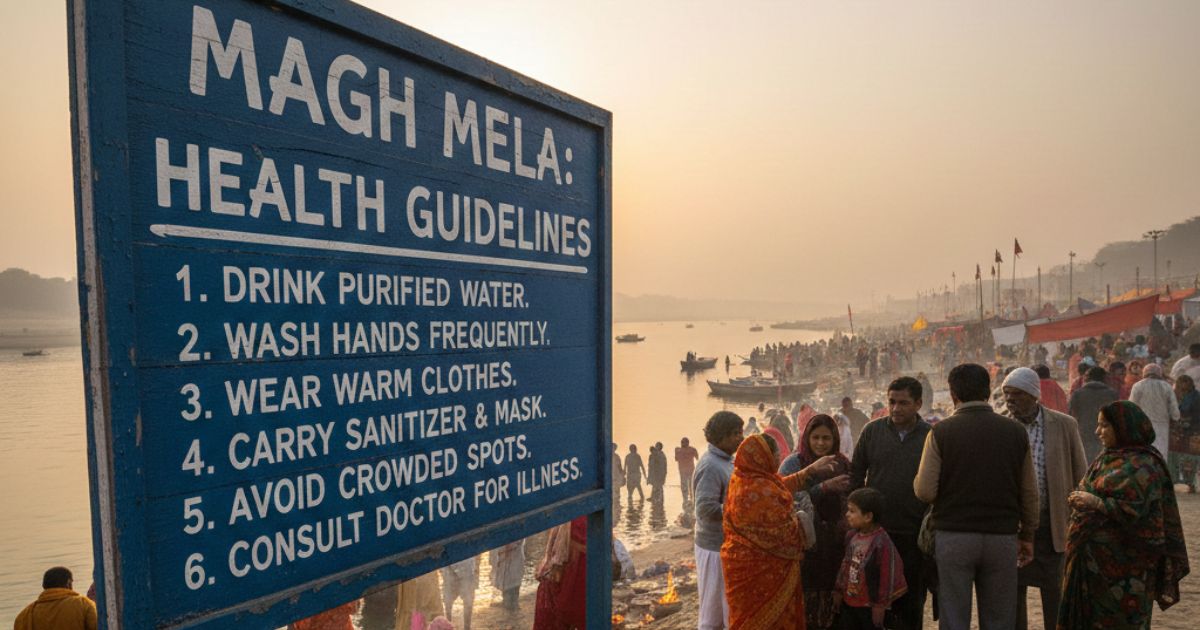
Discover essential health tips for Magh Mela pilgrims, including hygiene care, cold protection, hydration, medical preparedness, and wellness practices for a safe journey.
Embarking on a spiritual journey to Magh Mela is a profound experience, but have you considered that maintaining your physical health is essential to fully enjoying the spiritual benefits? While divine grace protects sincere pilgrims, practical health wisdom ensures your devotion isn’t derailed by preventable illness or injury. After all, as the ancient Sanskrit saying goes, “sharira madhyam khalu dharma sadhanam”—the body is the primary instrument for spiritual practice.
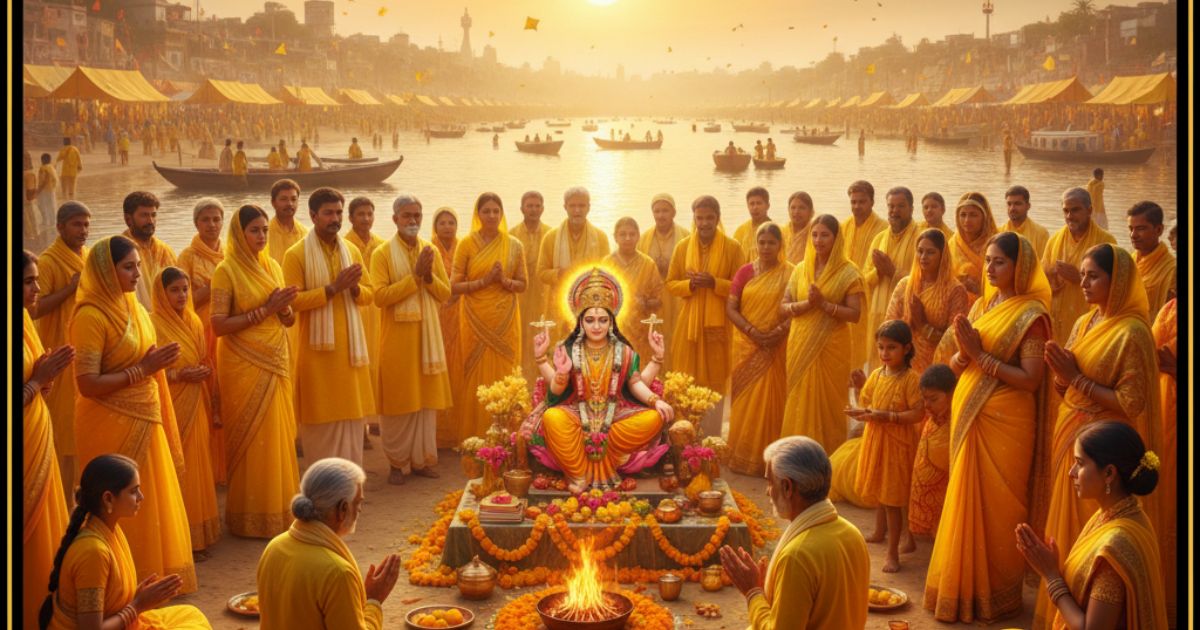
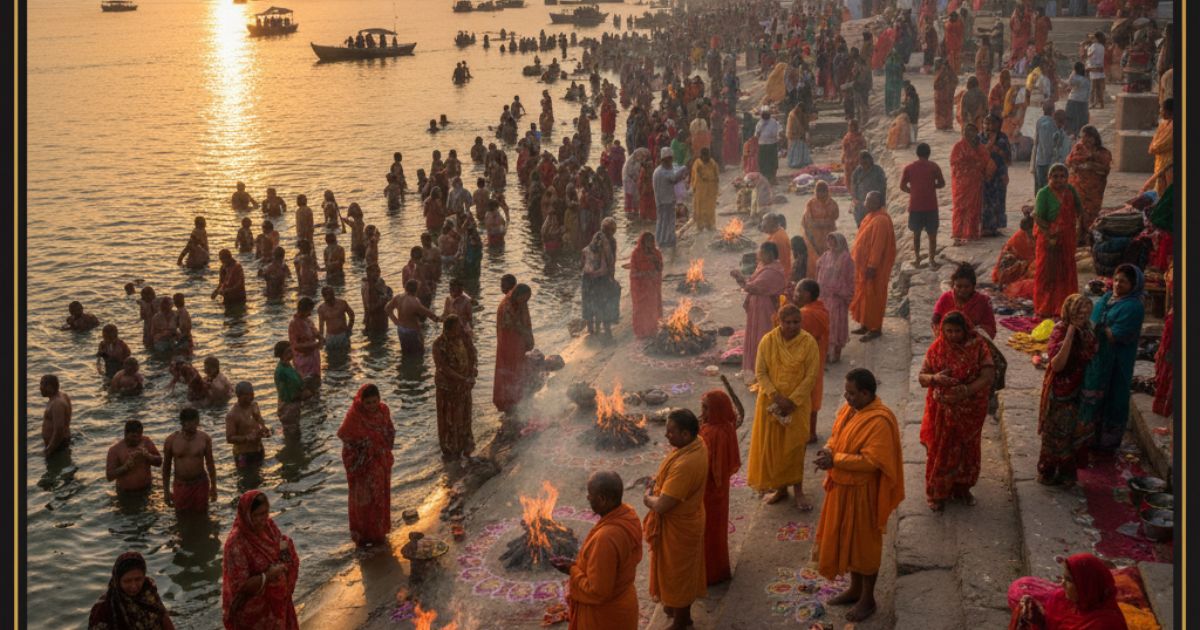
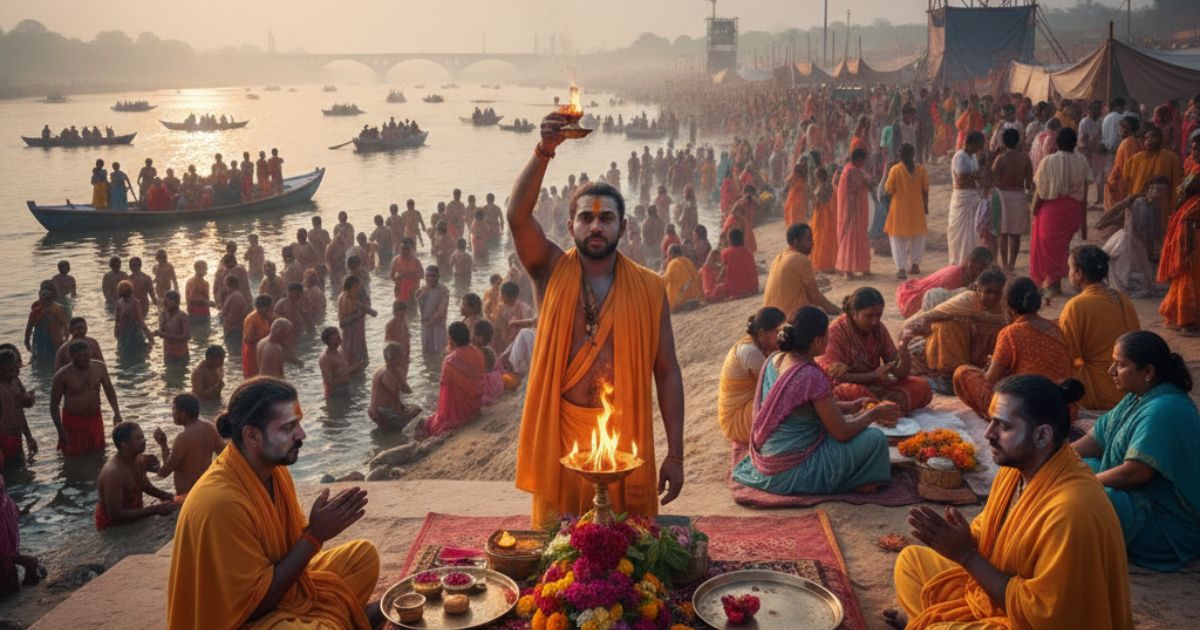
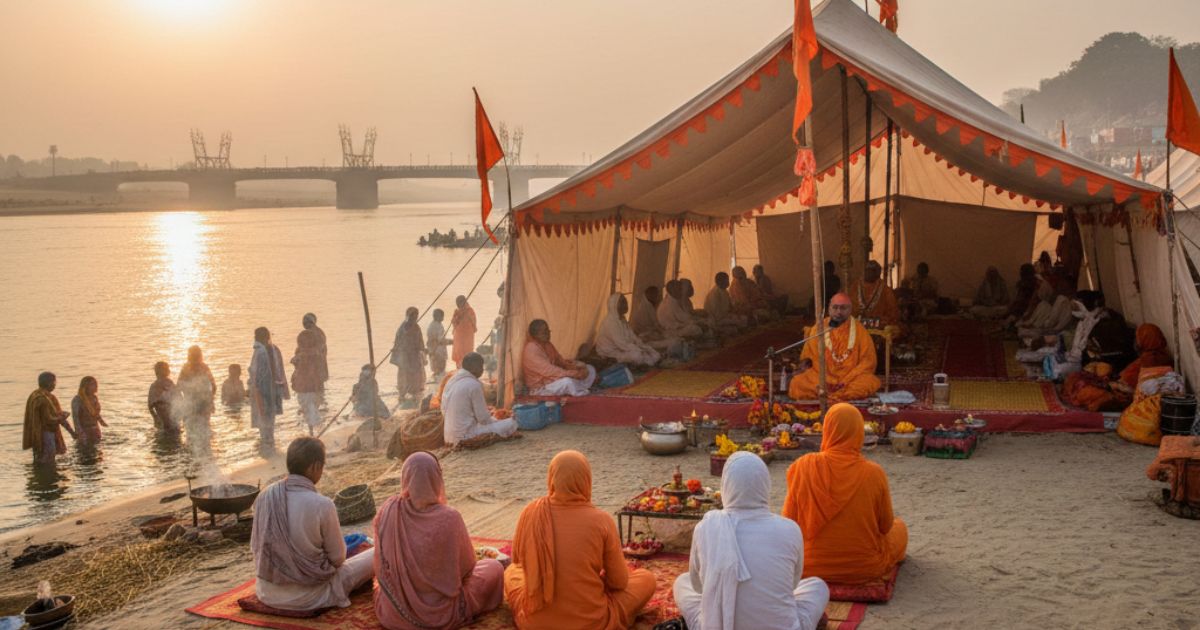
Every year, millions converge at Prayagraj’s sacred Sangam during the cold month of Magh (January-February), creating unique health challenges. The combination of winter cold, massive crowds, basic living conditions, and sacred cold-water bathing demands careful health preparation. Understanding essential health tips for Magh Mela pilgrims transforms your journey from a potential health ordeal into a safe, comfortable spiritual experience.
This comprehensive health guide addresses every aspect of pilgrim wellness—from pre-departure medical preparations to managing cold weather, from food safety to crowd-related concerns, from water safety during sacred bathing to post-pilgrimage recovery. Whether you’re a first-time visitor or a seasoned Kalpavasi, these practical health strategies help protect your wellbeing while allowing complete spiritual immersion.
Remember, taking care of your health isn’t lack of faith—it’s practical wisdom that honors the precious body through which you experience the sacred. Let’s explore how to stay healthy while seeking the divine at Magh Mela!
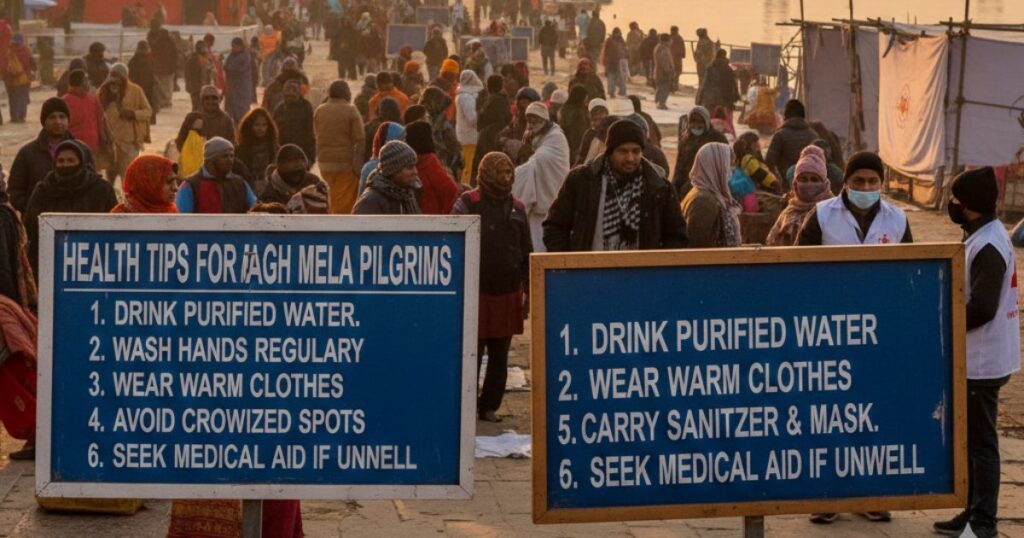
Pre-Pilgrimage Health Preparations
Proper health preparation prevents most medical problems at Magh Mela.
Medical Checkup Requirements
Schedule a comprehensive medical examination 6-8 weeks before departure. Discuss your Magh Mela plans openly with your physician, addressing:
Essential health assessments:
- Cardiovascular fitness evaluation (cold water immersion stresses the heart)
- Respiratory health check (cold air and crowd exposure)
- Diabetic control assessment if applicable
- Blood pressure monitoring and management
- General immune system status
- Bone and joint health (sleeping on hard surfaces)
Request written medical clearance, especially if you have existing health conditions. Some doctors provide emergency contact numbers for consultations during your trip—a valuable safety net.
Specific concerns requiring medical approval:
- Heart disease or history of cardiac events
- Chronic respiratory conditions (asthma, COPD)
- Diabetes (insulin or medication-dependent)
- Recent surgeries or ongoing treatments
- Pregnancy (any trimester)
- Severe arthritis or mobility limitations
- Immunocompromised conditions
Essential Vaccinations
Protect yourself through appropriate vaccinations completed at least 2-4 weeks before travel:
Strongly recommended:
- Influenza vaccine: January is peak flu season; crowds increase transmission risk
- Tetanus booster: If not current within 10 years
- Hepatitis A: Protection against food/waterborne disease
- Typhoid vaccine: Oral or injection form
Consider depending on health status:
- Hepatitis B: If staying extended period
- Pneumonia vaccine: Especially for seniors and those with respiratory issues
- COVID-19 booster: If eligible and available
Keep vaccination records with you during the pilgrimage as documentation.
Medication Planning
Organize all medications meticulously:
Quantity: Carry double the amount you think you’ll need—travel delays happen frequently, and replacement might be impossible at the mela.
Organization: Use clearly labeled containers with:
- Both generic and brand names written
- Detailed dosage instructions
- Complete prescription copies
- Doctor’s contact information
- Emergency alternative medications if primary ones aren’t available
Storage: Keep medications in carry-on luggage, never checked baggage. Use waterproof containers—humidity and accidental water exposure are constant risks at Magh Mela.
Essential medications to carry:
- All prescription medications (double supply)
- Pain relievers (paracetamol, ibuprofen)
- Anti-diarrheal medication
- Antibiotic ointment
- Antacid/digestive aids
- Oral rehydration salts (ORS packets)
- Antihistamines for allergies
- Any condition-specific emergency medications
Cold Weather Protection Strategies
January’s harsh cold, especially during pre-dawn bathing, presents significant health challenges.
Preventing Hypothermia
Hypothermia—dangerous lowering of body core temperature—is a real risk during cold-water immersion in winter conditions.
Warning signs (recognize immediately):
- Uncontrollable shivering
- Confusion or slurred speech
- Drowsiness or exhaustion
- Weak pulse
- Shallow breathing
- Loss of coordination
- Unusual behavior or irritability
Prevention strategies:
- Limit water exposure time: 3-5 minutes maximum for sacred bath
- Exit immediately if shivering becomes violent
- Have warm, dry clothes ready at the water’s edge
- Change immediately after bathing—never stay in wet clothes
- Drink warm liquids (not scalding hot) after bathing
- Move briskly to generate body heat through activity
- Never bathe alone—have companions watching for distress signs
Proper Clothing Layers
Dress in strategic layers allowing flexibility:
Base layer (closest to skin):
- Thermal underwear that wicks moisture away from skin
- Avoid cotton directly on skin—it holds moisture
Middle layer (insulation):
- Fleece or wool for warmth
- Multiple thinner layers work better than one thick layer
Outer layer (wind/water protection):
- Windproof jacket or thick shawl
- Water-resistant if possible
Protect extremities (maximum heat loss areas):
- Head: Warm wool cap or thick scarf (30% of body heat lost through head)
- Hands: Gloves or mittens (mittens warmer than gloves)
- Feet: Wool socks (carry multiple pairs) and proper closed footwear
- Neck: Scarf protecting throat and neck
Pro tip: Carry extra dry socks—wet feet in cold weather invite serious health problems and significantly reduce overall body warmth.
Post-Bath Warming Techniques
After your sacred bath, warm up systematically:
- Remove wet clothes immediately—every second in wet clothes continues heat loss
- Dry thoroughly with a towel before dressing
- Put on completely dry clothes (never damp)
- Cover head immediately
- Drink warm (not hot) beverages—ginger tea is excellent
- Move around actively—walking, light exercises generate internal heat
- Avoid sitting still until fully warm
- Eat something—digestion generates body heat
Warning: Never drink alcohol to “warm up”—it actually increases heat loss by dilating blood vessels.
Water Safety and Bathing Precautions
The sacred bath is central to Magh Mela, but water safety cannot be ignored.
Understanding Currents
Triveni Sangam has varying water currents depending on season, rainfall, and exact location. The confluence point where three rivers meet creates swirling currents that can be unexpectedly strong.
Safety rules:
- Bathe only in designated areas marked by authorities
- Never venture into deep water or away from the main crowd
- If you can’t swim, stay in shallow areas near the ghat
- Respect all warning flags—red flags indicate dangerous conditions
- Ask locals about current conditions before entering
The Ganga’s current can be deceptively powerful—calm surface appearance may hide strong underwater flows.
Safe Entry and Exit
Stone steps (ghats) leading to water become extremely slippery when wet, especially in darkness.
Prevention strategies:
- Wear footwear with good grip until water’s edge
- Use handrails wherever available
- Take small, careful steps
- Help elderly or children navigate safely
- Never rush even if crowds are pushing
- Face the ghat when ascending (don’t walk backward)
More accidents occur on slippery ghats than in the water itself!
Duration Recommendations
Optimal bathing duration:
- 3-5 minutes maximum for complete sacred bath
- Three full immersions is spiritually sufficient
- Longer isn’t better—excessive cold exposure risks hypothermia
Signs to exit immediately:
- Violent shivering
- Numbness in extremities
- Feeling dizzy or disoriented
- Chest discomfort
- Difficulty breathing
- Extreme cold sensation
The spiritual merit comes from sincere devotion, not endurance tests!
Food Safety and Nutrition
Foodborne illness can quickly ruin your pilgrimage experience.
Safe Eating Practices
Golden rules:
- Eat only freshly cooked, hot food
- Choose busy food stalls (high turnover means fresh food)
- Peel fruits yourself
- Avoid raw vegetables (washed with potentially contaminated water)
- Select reputable camp kitchens or established restaurants
- Wash hands thoroughly before eating (carry hand sanitizer)
- Observe food preparation when possible
Foods to Avoid
High-risk items:
- Cut fruits from vendors (contaminated knives/water)
- Raw salads and uncooked vegetables
- Ice in drinks (made from unsafe water)
- Unpasteurized dairy products
- Food sitting at room temperature
- Street vendor items with flies present
- Leftover food from previous meals
Recommended Options
Safer food choices:
- Packaged snacks from sealed containers
- Freshly cooked meals from reputable camp kitchens
- Boiled items (idlis, steamed foods)
- Hot tea from clean sources
- Properly cooked lentils and rice
- Freshly made chapatis/rotis
- Packaged biscuits and nuts
Maintaining Energy Levels
Nutritional strategies for pilgrims:
Don’t skip meals: Spiritual practice requires physical energy. Even if fasting partially, consume enough calories.
Eat before major activities: Have something before dawn bathing—your body needs fuel for cold exposure.
Balance simplicity with nutrition: Choose simple but nutritious foods—dal, rice, chapati, vegetables provide good balance.
Carry emergency snacks: Nuts, dates, energy bars for quick energy when meals aren’t accessible.
Listen to your body: If feeling weak or dizzy, eat something regardless of fasting intentions.
Hydration Management
Dehydration happens surprisingly quickly in cold weather—a often-overlooked danger.
Water Purification Methods
Never drink water from:
- Taps or public sources directly
- Rivers (even the sacred Ganga—it’s for ritual bathing, not drinking)
- Questionable bottles (ensure seal is intact)
Safe water options:
- Sealed bottled water from reputable brands (check seal carefully)
- Water purification tablets—carry sufficient supply
- Personal water filter bottles—excellent investment
- Boiled water—if facilities available (boil for 3-5 minutes)
Pro tip: Carry your own reusable bottle—reduces plastic waste and ensures safe supply.
Avoiding Dehydration in Cold Weather
Why cold weather causes dehydration:
- You don’t feel thirsty in cold
- Breathing dry air loses moisture
- People drink less to avoid bathroom trips
- Body works hard maintaining temperature
Prevention strategies:
- Drink water regularly even without thirst
- Aim for 8-10 glasses daily
- Monitor urine color—should be pale yellow
- Increase intake if doing extended spiritual practices
- Warm water/tea encourages drinking in cold weather
Dehydration warning signs:
- Dark urine
- Dry mouth and lips
- Headache
- Dizziness
- Fatigue
- Reduced urination
Common Health Issues and Prevention
Certain health problems commonly affect Magh Mela pilgrims.
Respiratory Infections
Why common: Cold air, massive crowds, dust, pollution, and sudden temperature changes (hot tent to cold outside).
Prevention:
- Wear masks in dense crowds
- Stay warm and dry
- Avoid touching face with unwashed hands
- Maintain distance when possible
- Get adequate sleep (strengthens immunity)
Management:
- Carry cold/flu medications
- Steam inhalation helps
- Stay hydrated
- Rest if symptoms appear
- Seek medical help for persistent fever or breathing difficulty
Digestive Problems
Common issues: Diarrhea, constipation, stomach upset, nausea.
Prevention:
- Follow food safety guidelines strictly
- Avoid sudden dietary changes
- Carry probiotics
- Eat fiber-containing foods
- Stay hydrated
Management kit:
- Oral Rehydration Salts (ORS)—essential for diarrhea
- Anti-diarrheal medication
- Antacids
- Digestive enzymes
- Fiber supplements (for constipation)
When to seek medical help: Severe diarrhea lasting over 24 hours, blood in stool, high fever, severe abdominal pain, inability to keep fluids down.
Skin Conditions
Why common: Cold dry weather, limited bathing facilities, basic hygiene conditions.
Prevention and management:
- Moisturize regularly—carry good quality lotion
- Protect lips—use lip balm frequently
- Sunscreen—winter sun still burns, especially with river reflection
- Keep feet dry—prevents fungal infections
- Change clothes daily, especially undergarments
- Use antibacterial soap
- Avoid walking barefoot in common areas
Joint and Muscle Pain
Why common: Sleeping on hard surfaces, cold weather stiffening joints, extended walking, limited movement in crowds.
Prevention:
- Bring thick sleeping mat or padding
- Gentle stretching daily
- Stay warm
- Move regularly (don’t sit/stand too long)
- Carry pain relief medication/ointment
Management:
- Warm compress on affected areas
- Gentle massage
- Over-the-counter pain relievers
- Rest when needed
Personal Hygiene in Basic Conditions
Maintaining hygiene with basic facilities requires creativity.
Essential strategies:
Hand hygiene (most critical):
- Carry multiple bottles of hand sanitizer
- Use before every meal
- After bathroom use
- After touching common surfaces
Bathing beyond sacred dip:
- Use baby wipes for quick cleaning
- Bring large water bottles for basic washing at camp
- Lower cleanliness expectations temporarily
- Focus on critical areas (hands, face, underarms)
Foot care:
- Wear sandals/slippers even inside tents
- Never walk barefoot in common areas
- Wash and dry feet daily
- Check for blisters or cuts
- Apply antifungal powder
Dental hygiene:
- Brush twice daily with bottled/purified water
- Use mouthwash
- Carry dental floss
Clothing hygiene:
- Change undergarments daily
- Keep dirty clothes separate
- Wash or replace socks frequently
First Aid Essentials
Pack a comprehensive first-aid kit:
Basic supplies:
- Adhesive bandages (various sizes)
- Sterile gauze pads
- Medical tape
- Antiseptic wipes/solution
- Antibiotic ointment
- Scissors and tweezers
- Digital thermometer
- Elastic bandage
Medications (already mentioned but consolidate here):
- Pain relievers
- Anti-diarrheal
- Antacid
- Antihistamine
- ORS packets
- Personal prescriptions
Additional items:
- Safety pins
- Instant cold pack
- Hydrocortisone cream
- Insect repellent
- Blister treatment
Emergency information card with:
- Blood type
- Allergies
- Current medications
- Emergency contacts
- Medical conditions
Special Considerations for Different Groups
Senior Citizens
Additional precautions:
- Get explicit medical clearance
- Avoid peak crowd days if mobility limited
- Arrange wheelchair assistance if needed
- Take frequent rest breaks
- Monitor closely for confusion or exhaustion
- Consider abbreviated bathing (sitting at edge, splashing water) rather than full immersion
- Travel with younger companion
- Carry list of all medications and conditions
Children
Safety measures:
- Keep constant close supervision near water
- Dress in bright colors for visibility
- Attach identification to clothing (name, parent’s phone)
- Establish clear “lost child” protocol
- Protect from cold—children lose heat faster
- Maintain familiar routines to prevent meltdowns
- Bring comfort items
- Simplify diet to familiar foods
- Watch for signs of exhaustion or illness
Pregnant Women
Important considerations:
- Get explicit medical approval before attending
- Generally safer in early second trimester
- Avoid cold water immersion or limit to symbolic bathing
- Stay well-nourished and hydrated
- Avoid crowds during peak times
- Have prenatal records accessible
- Know location of nearest hospital with maternity services
- Consider postponing if any pregnancy complications
People with Chronic Conditions
Diabetes:
- Carry extra insulin/medications in insulated bag
- Monitor blood sugar frequently
- Keep emergency glucose sources accessible
- Maintain regular meal schedule
- Protect feet carefully (foot injuries heal poorly)
- Inform companions of condition and emergency procedures
Heart disease:
- Carry all cardiac medications
- Avoid extreme cold exposure
- Bathe during warmer hours if possible
- Limit time in cold water
- Recognize warning signs (chest pain, shortness of breath)
- Keep emergency nitroglycerin accessible
Asthma/Respiratory conditions:
- Carry multiple inhalers
- Use mask in crowds and dusty conditions
- Avoid early morning fog/cold
- Know location of medical facilities
- Have emergency action plan
Mental Health and Stress Management
Physical and mental health interconnect deeply.
Stress management strategies:
- Maintain realistic expectations—accept imperfections
- Practice patience with difficulties and delays
- Take breaks when feeling overwhelmed
- Remember spiritual purpose—reframe challenges as part of practice
- Seek support from fellow pilgrims
- Don’t push beyond genuine capacity—heroism isn’t wisdom
- Practice simple breathing exercises
- Maintain perspective—temporary discomfort for eternal benefit
Signs of excessive stress:
- Irritability and anger
- Inability to sleep despite exhaustion
- Loss of appetite
- Withdrawal from spiritual activities
- Physical symptoms (headaches, stomach issues)
- Panic feelings
If experiencing severe stress or anxiety, don’t hesitate to seek support or even cut your trip short if necessary.
Emergency Medical Services
Know before you need:
Magh Mela medical infrastructure:
- Multiple medical camps throughout grounds
- Mobile ambulances
- First-aid stations at regular intervals
- Hospitals on standby in Prayagraj city
- Helpline numbers (save in phone AND write down)
Emergency preparation:
- Know location of nearest medical facility to your camp
- Save emergency numbers before arrival
- Carry cash for emergency medical expenses
- Keep insurance information accessible (if applicable)
- Inform someone of medical conditions and emergency contacts
When to seek immediate medical help:
- Chest pain or breathing difficulty
- Severe bleeding or injury
- High fever with confusion
- Suspected fractures
- Severe allergic reaction
- Uncontrollable vomiting/diarrhea
- Loss of consciousness
- Severe hypothermia symptoms
Sleep and Rest Requirements
Don’t underestimate sleep importance:
Why adequate sleep matters:
- Strengthens immune system
- Supports emotional regulation
- Enhances spiritual receptivity
- Improves safety awareness
- Speeds recovery from daily exertion
Sleep strategies in basic conditions:
- Use earplugs (camps are noisy)
- Eye mask helps block light
- Bring comfortable pillow or makeshift alternative
- Layer sufficient bedding for warmth
- Maintain consistent sleep schedule despite early wake times
- Take brief rest periods during day if nighttime sleep insufficient
Minimum recommendations:
- 6-8 hours nightly (though 4 AM waking limits this)
- Compensate with afternoon rest
- Don’t sacrifice sleep for non-essential activities
Crowd-Related Health Concerns
Managing health in massive crowds:
Physical safety in crowds:
- Link arms with group members
- Protect vulnerable from crushing
- If you fall, curl into ball protecting head and chest
- Move with crowd flow, don’t fight against it
- Avoid suffocating crush by moving to edges
Disease transmission:
- Maintain hand hygiene
- Avoid touching face
- Cough/sneeze into elbow
- Wear mask in very dense crowds
- Keep distance when feasible
Panic and claustrophobia:
- Practice deep breathing
- Focus on spiritual purpose
- Move steadily toward less dense areas
- Don’t attempt crowd navigation during panic attack
Post-Pilgrimage Health Care
After returning home:
Immediate actions:
- Wash all clothes thoroughly
- Rest adequately—you’re likely exhausted
- Return to normal diet gradually
- Continue medications if illness developed
- Rehydrate fully
Monitor for delayed health issues:
- Respiratory infections (may appear days later)
- Digestive issues
- Skin conditions
- Joint pain
- Fatigue
When to see doctor:
- Persistent fever
- Continuing diarrhea
- Worsening cough
- Unusual fatigue
- Any concerning symptoms
Astrological health consultation:
For personalized health guidance based on your birth chart—identifying vulnerabilities, optimal timing, and protective practices—AstroInsights.guru provides comprehensive consultations integrating health astrology with practical medical wisdom.
Contact:
- Website: astroinsights.guru
- Phone: +916306407641
- Email: astroinsights.guru@gmail.com
- AstroInsights AI: https://bit.ly/astroguru_ai
Conclusion
These comprehensive health tips for Magh Mela pilgrims empower you to approach this sacred journey with both spiritual devotion and practical wisdom. Remember, protecting your health isn’t lack of faith—it’s honoring the precious body that allows you to experience the divine. By preparing thoroughly, staying vigilant, and following these guidelines, you protect the sacred opportunity Magh Mela represents.
Your physical wellbeing directly serves your spiritual goals. A healthy body creates the stable foundation for deep spiritual practice, while illness distracts and derails. May these health strategies support your journey toward the sacred, allowing your pilgrimage to become the transformative blessing it’s meant to be. Stay healthy, stay safe, and may your Magh Mela experience bring profound spiritual awakening alongside physical wellness!
FAQs About Magh Mela Health
1. What’s the single most important health precaution for Magh Mela?
If forced to choose only one critical health precaution, it would be managing body temperature and hydration simultaneously. This dual focus prevents the most common serious medical emergencies. Dehydration occurs quickly in cold weather because people don’t feel thirsty, reduce drinking to avoid bathroom trips, and lose fluids through breathing dry air. Combine this with cold-water immersion forcing the body to burn calories maintaining temperature, and you have conditions ripe for health crisis. Carry water constantly, drink regularly even without thirst, never stay in cold water longer than necessary, and change into dry warm clothes immediately after bathing. More medical emergencies result from hypothermia and dehydration combined than all other causes. Everything else—food safety, crowd management—while important, ranks secondary to these fundamental bodily needs. Protect your core temperature and hydration status, and you’ve prevented the majority of potential problems.
2. Is it safe for people with heart conditions or diabetes to participate in cold-water bathing?
This requires individual medical consultation, not generic advice. Cold-water immersion creates significant cardiovascular stress—blood vessels constrict, heart rate increases, blood pressure rises. For healthy individuals this is manageable; for those with heart disease, it can trigger dangerous cardiac events. Diabetics face challenges with temperature regulation, increased infection risk, and medication management. However, many people with these conditions successfully participate with proper precautions: explicit medical clearance before travel, bathing during warmer afternoon hours rather than frigid pre-dawn, taking very brief dips rather than extended immersion, having informed companions watching for warning signs, and keeping emergency medications accessible. Some doctors recommend high-risk individuals perform symbolic bathing—sitting at water’s edge splashing sacred water rather than full immersion—providing spiritual benefits without medical risk. Consult both your specialist AND consider astrological timing consultation with AstroInsights.guru to identify whether this year’s planetary transits support your health.
3. How can I protect myself from getting sick when hygiene facilities are basic?
Basic hygiene in crowded conditions requires creative strategies. Hand hygiene is absolutely critical—carry multiple bottles of hand sanitizer and use liberally, especially before eating. Baby wipes are invaluable for cleaning when water isn’t available. Regarding toilets, they’ll be basic at best—carry your own toilet paper, use facilities during off-peak hours when cleaner, and consider adult hygiene wipes. For bathing beyond the sacred dip, lower expectations temporarily and use large water bottles for basic washing at camp. Protect feet by wearing sandals even inside tents and never walking barefoot in common areas where fungal infections spread. Change clothes daily, especially undergarments, and use antibacterial soap. Keep separate bags for dirty clothes preventing cross-contamination. Accept temporary reduced cleanliness—this simplicity is actually part of spiritual practice! However, maintain basic hygiene protecting health. The key is balancing acceptance of basic conditions with non-negotiable practices (hand washing, foot protection) that prevent illness.
4. What should I do if I’m separated from my group and feel unwell in massive crowds?
This frightening scenario requires preparation and calm response. Before entering crowds: inform group members of any health conditions, medications, and allergies; establish designated meeting points; exchange phone numbers written on paper in multiple pockets; wear visible identification with emergency contacts. If separated while feeling unwell: move immediately toward crowd edges rather than staying in dense center; find any security personnel or volunteers (identifiable by uniforms/badges); inform them of your health issue—they’re trained to assist; if possible, call group members or emergency services; seek nearest medical tent or first-aid station (located throughout mela grounds); if symptoms are severe (chest pain, breathing difficulty, severe dizziness), don’t hesitate to create a scene calling for help—people will assist; sit or lie down if feeling faint—falling in crowds is extremely dangerous. For chronic conditions: wear medical alert bracelet or necklace with condition and emergency contacts; carry emergency medications in multiple pockets (not just one bag); inform multiple group members about condition management. The combination of massive crowds and health crisis creates genuine emergency—preparation and quick response are essential.
5. Are there astrological considerations for timing my visit to minimize health risks?
Absolutely! Vedic astrology provides remarkably precise insights into health vulnerability and resilience periods. Key astrological factors affecting health during pilgrimage: If you’re in challenging Saturn, Mars, or Rahu dasha (planetary period), physical resilience may be lower—consider extra precautions or possibly waiting for more supportive dasha. Your Moon sign and its current transits affect emotional resilience and immune function—stress suppresses immunity. Strong 6th house transits (the house of disease) suggest vulnerability to illness during that period. Optimal timing indicators: When Jupiter (health and protection) is favorably placed in your chart, natural vitality supports handling mela challenges. When benefic planets transit your ascendant or Moon sign, protective grace flows. Certain nakshatras strengthen immunity and vitality while others create vulnerability—bathing when Moon transits favorable healing nakshatras enhances both spiritual benefits and physical resilience. This doesn’t necessarily mean avoiding Magh Mela during challenging periods (sometimes those are precisely when divine grace is most needed), but rather adjusting your approach: shorter stay, better accommodation, extra health precautions. AstroInsights.guru specializes in this health astrology intersection with pilgrimage planning, identifying not just spiritually optimal timing but also periods when your physical constitution can best handle rigors versus when extra care is needed.