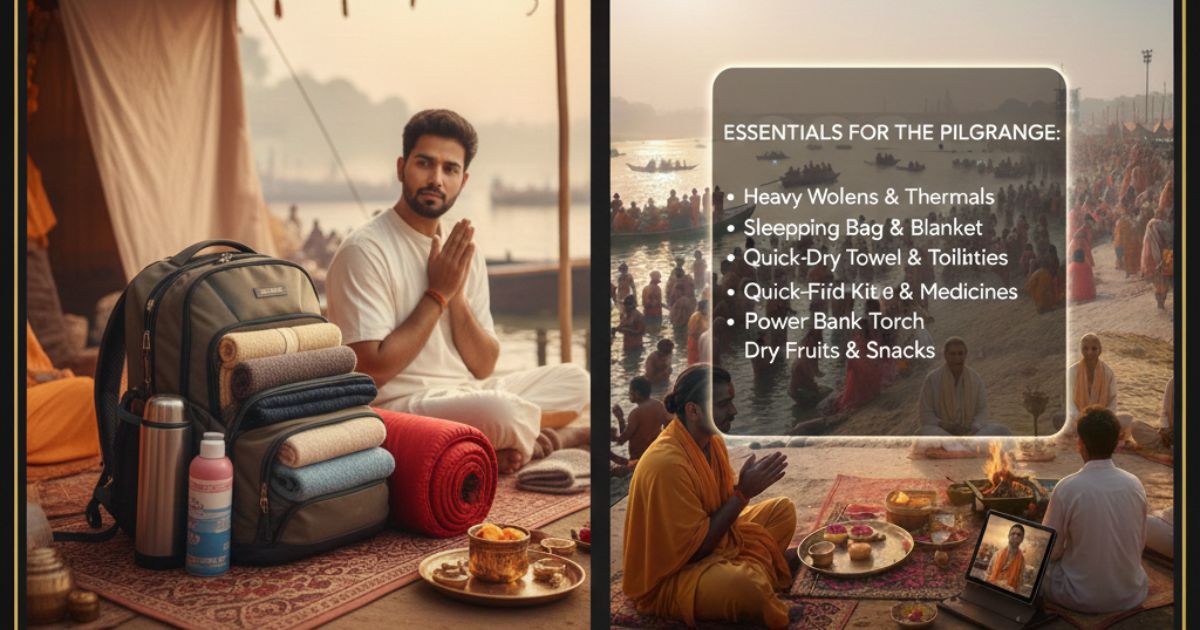
Discover what to carry for ashram or pandal stay during Magh Mela, covering daily-use items, winter essentials, spiritual needs, and health basics for pilgrims.
Ever arrived at a destination only to realize you’ve forgotten something essential? Now imagine that happening during Magh Mela—one of the world’s largest religious gatherings—where convenience stores are scarce and millions compete for basic supplies. The difference between a transformative spiritual experience and a survival struggle often comes down to what you packed. Whether you’re staying in a simple ashram or a basic pandal (temporary tent structure), having the right Magh Mela Packing List ensures comfort, safety, and the freedom to focus on your spiritual journey rather than scrambling for necessities. Let’s explore exactly what you need to carry for a smooth, fulfilling pilgrimage.
Magh Mela isn’t your typical vacation where forgotten items can be quickly replaced. You’re joining millions of pilgrims in a temporary city with limited commercial infrastructure. The ashram or pandal you’re staying in provides basic shelter, but comfort depends almost entirely on what you bring.
Pack too little, and you’ll spend precious spiritual time hunting for supplies or suffering unnecessary discomfort. Pack too much, and you’ll struggle with heavy luggage through crowded grounds. Smart packing strikes the perfect balance—bringing essentials while traveling light enough to remain mobile and focused on your spiritual purpose.
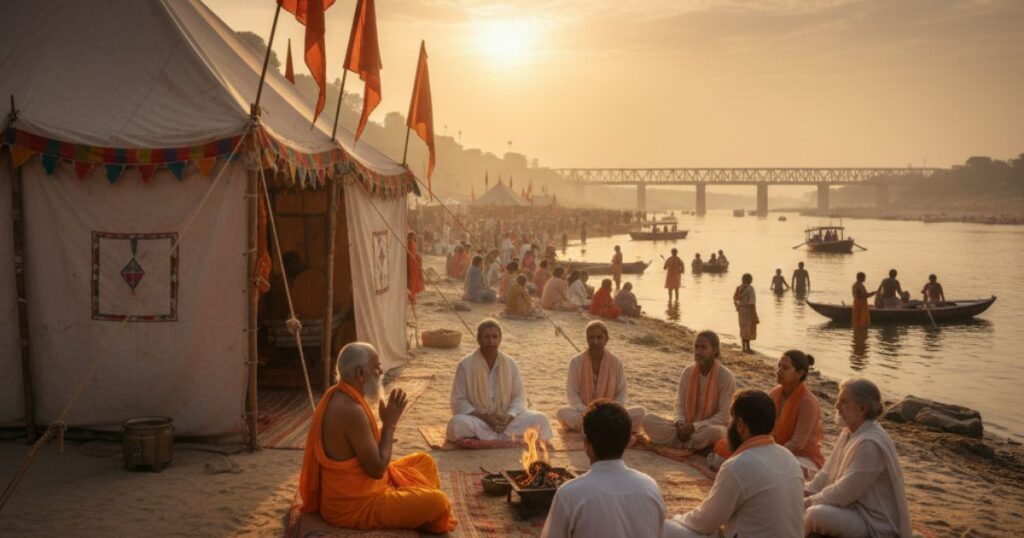
Understanding Ashram and Pandal Accommodation Basics
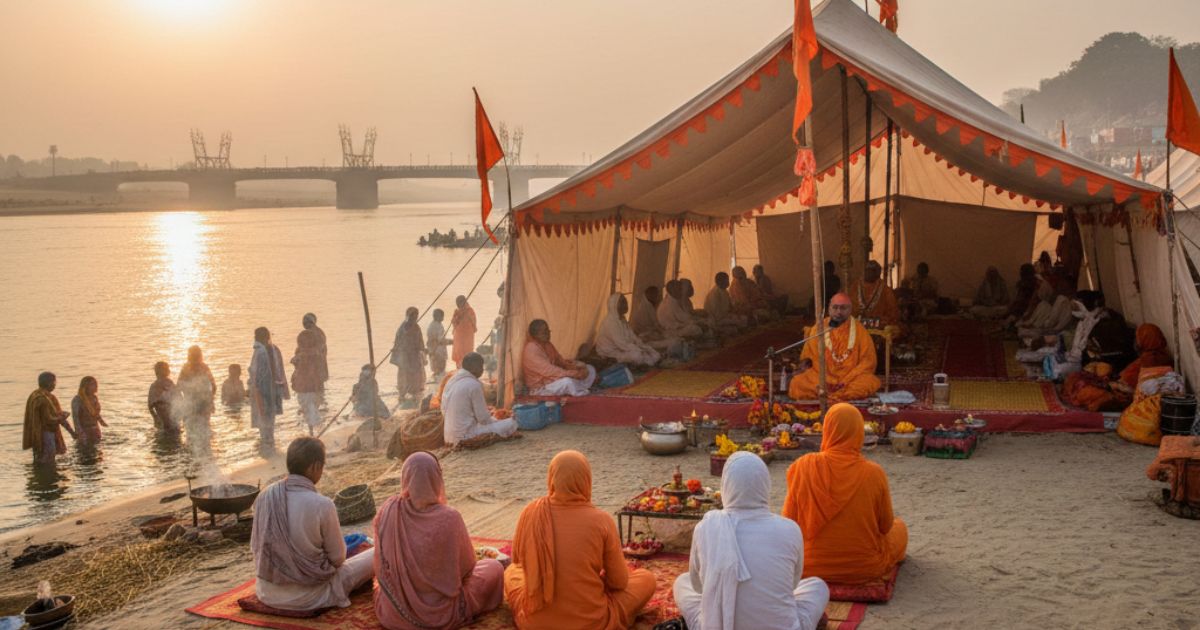
What Facilities Are Typically Provided
Before diving into your Prayagraj Mela essentials list, understand what your accommodation typically includes. Most ashrams and pandals provide:
- Basic shelter (roof and walls or tent)
- Sleeping space (floor area or simple cot)
- Shared bathroom facilities (often basic toilets and bathing areas)
- Access to drinking water (communal taps or water stations)
- Sometimes basic meals (simple vegetarian food)
- Minimal lighting (often limited electricity)
That’s it. Don’t expect mattresses, pillows, blankets, towels, toiletries, or any hotel-like amenities. The philosophy emphasizes simplicity and self-sufficiency.
What You Must Bring Yourself
Everything related to personal comfort, hygiene, health, and spiritual practice becomes your responsibility. Think of ashram/pandal stays as spiritually enriching camping—you’re responsible for making yourself comfortable within a basic framework.
Essential Clothing and Personal Items for Magh Mela Packing List
Weather-Appropriate Clothing
Magh Mela occurs during January-February when North India experiences winter cold. Your stay packing tips must prioritize warmth:
Clothing Essentials:
- 3-4 sets of traditional Indian clothing (kurta-pajama for men, salwar-kameez or sarees for women)
- Warm shawl or blanket-like wrap (serves multiple purposes)
- Thermal inner wear (crucial for cold nights and early morning bathing)
- 2-3 warm sweaters or fleece jackets
- Windproof jacket or coat
- Modest bathing clothes (for sacred dips)
- Extra undergarments (at least 5-7 sets)
- Woolen socks (3-4 pairs)
- Night wear appropriate for shared spaces
Pro tip: Choose quick-dry fabrics where possible, as laundry facilities are limited and clothes take longer to dry in winter.
Footwear and Accessories
Must-have footwear:
- Comfortable walking sandals or chappals (easy to remove for temples and ashrams)
- Closed shoes for evening walks (warmer than sandals)
- Rubber slippers for bathroom use (separate from main footwear)
Accessories:
- Woolen cap or hat (significant heat loss occurs through head)
- Scarf or muffler (protects throat and face from cold winds)
- Sunglasses (winter sun reflecting off river can be intense)
- Small backpack or jhola (for daily essentials during outings)
Personal Hygiene Essentials
Ashrams rarely provide these, making them critical pilgrim checklist items:
- Toothbrush, toothpaste, and tongue cleaner
- Biodegradable soap (respecting sacred environment)
- Shampoo (small bottles suffice)
- Towels (2-3: one for bathing, one for sacred dips, one backup)
- Comb and hair ties
- Nail clipper
- Feminine hygiene products (bring complete supply—limited availability)
- Toilet paper or tissues (many facilities don’t provide)
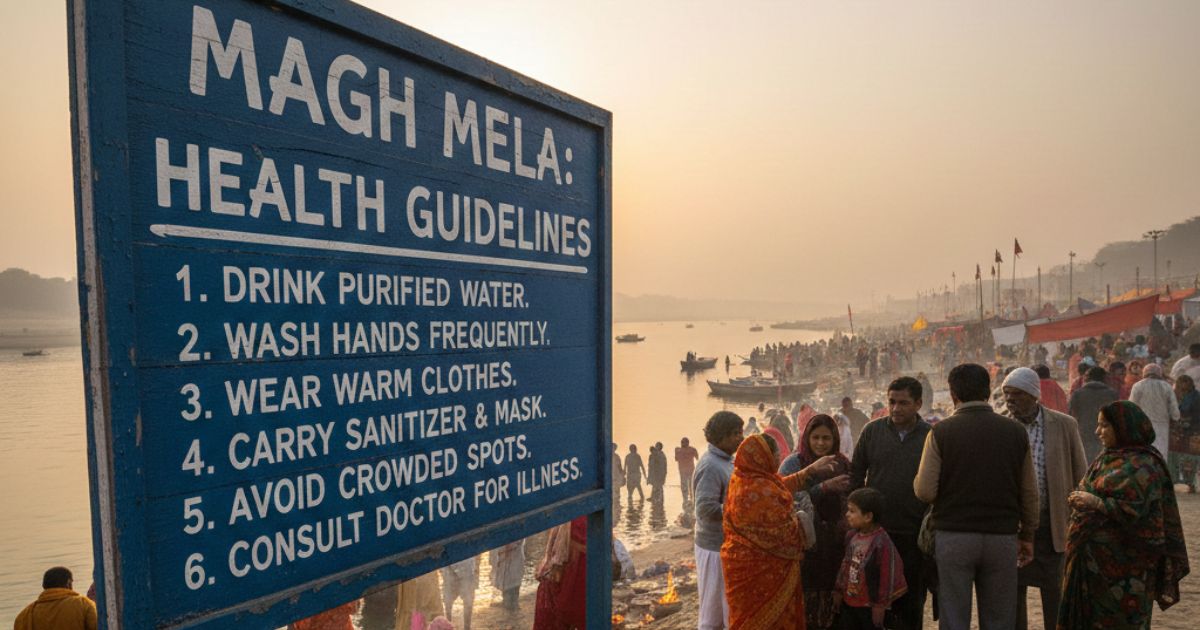
- Hand sanitizer (essential for hygiene in crowded conditions)
- Wet wipes or baby wipes (useful when water access is limited)
- Small mirror (if vanity matters to you)
- Laundry soap for hand-washing clothes
Spiritual and Religious Items to Include
Puja Materials and Sacred Objects
These Prayagraj Mela essentials support your spiritual practices:
- Small portable puja kit (if you perform daily rituals)
- Mala (prayer beads) for japa meditation
- Sacred texts or prayer books you regularly use
- Small idol or image of your chosen deity
- Incense sticks and holder (if ashram permits)
- Kumkum, haldi, and sacred ash containers
- Offerings for Ganga (flowers, if permitted)
- Sacred thread or raksha (protection threads)
- Copies of important mantras (if you’re still learning them)
Important: Many ashrams have specific rules about open flames and incense. Check beforehand to respect their guidelines.
Books and Spiritual Aids
- Bhagavad Gita or preferred scripture
- Spiritual diary for recording insights and experiences
- Pen and small notebook
- Meditation cushion or small mat (if you prefer one)
Health and Safety Prayagraj Mela Essentials
Medical Kit and Medications
Your health is paramount—pack a comprehensive first-aid kit:
Medications:
- All prescription medications (bring extra supply)
- Pain relievers (headache, body ache)
- Antacid and digestive aids (food changes can upset stomach)
- Anti-diarrheal medication
- Cold and cough medicine
- Antihistamine (for allergies)
- Antibiotic ointment
- Bandages and gauze
- Antiseptic solution
- Insect repellent
- Lip balm (winter dryness)
- Moisturizer (for dry skin)
- Any personal medical equipment (inhaler, glucose meter, etc.)
Pro tip: Carry a written list of your medical conditions, medications, and emergency contacts in case you need medical assistance.
Safety and Security Items
Essential security items:
- Small padlock (for securing bags in shared spaces)
- Money belt or hidden pouch (for cash and documents)
- Whistle (safety signal if needed)
- Flashlight or headlamp with extra batteries (lighting is minimal)
- Photocopies of important documents (separate from originals)
- Emergency contact list (written, not just on phone)
Practical Stay Packing Tips for Comfort
Bedding and Sleeping Arrangements
Most ashrams provide floor space only. Your comfort depends on what you bring:
- Sleeping bag or bedroll (compact, warm option)
- Bed sheet (if not using sleeping bag)
- Light blanket (provided blankets may be insufficient)
- Small pillow or pillowcase (stuff with clothes if needed)
- Plastic sheet or tarp (moisture barrier under bedding)
- Earplugs (shared spaces can be noisy)
- Eye mask (if you’re light-sensitive)
Food and Water Supplies
While ashrams often provide meals, having backup supplies helps:
- Reusable water bottle (large capacity—staying hydrated is crucial)
- Water purification tablets or portable filter (backup for questionable water)
- Dry snacks (nuts, dry fruits, energy bars for between meals)
- Instant beverages (tea bags, instant coffee if you need it)
- Small container for storing leftovers or carrying meals
- Reusable plate, bowl, spoon (some places don’t provide)
- Small knife (for cutting fruits—keep secured)
Electronics and Documentation
Technology needs:
- Mobile phone with Prayagraj emergency numbers saved
- Phone charger and power bank (electricity may be limited)
- Universal adapter (if needed)
- Camera (if documenting your journey)
- Small portable fan (though January rarely requires this)
Documentation:
- Government-issued ID (Aadhaar, passport, driver’s license)
- Accommodation booking confirmation
- Travel tickets (return journey)
- Travel insurance documents
- Bank cards and reasonable cash (ATMs may run out during peak times)
- Emergency contact information (written list)
Items You Should NOT Bring
Your Magh Mela packing list should exclude:
- Valuable jewelry or expensive items (theft risk and against pilgrimage spirit)
- Excessive electronics (minimalism is key)
- Non-vegetarian food or alcohol (strictly prohibited)
- Leather items (many ashrams prohibit them)
- Excessive luggage (you’ll need to carry everything yourself)
- Irreplaceable sentimental items (risk of loss)
- Hair dryers or high-power devices (limited electricity)
Special Considerations for Different Traveler Types
Pilgrim Checklist for Families with Children
Additional items for traveling with kids:
- Child-specific medications (fever, pain relief)
- Favorite comfort items (small toy, blanket)
- Extra snacks (kids get hungry frequently)
- Identification tags with contact information
- Wipes and tissues (extra quantities)
- Child-appropriate warm clothing
- Entertainment (small books, drawing pad)
- Familiar food items (if child is picky eater)
Senior Citizens’ Special Requirements
Elderly pilgrims need additional considerations:
- Walking stick or support aid
- Extra warm clothing (seniors feel cold more intensely)
- Comprehensive medication supply with dosage schedule
- Comfortable cushions for sitting and sleeping
- Blood pressure monitor (if needed)
- Emergency medical information card
- Easy-to-wear clothing (simple closures)
- Night lights or extra flashlights
🌐 Website: astroinsights.guru
📞 Phone: +916306407641
📧 Email: astroinsights.guru@gmail.com
Conclusion
The right Magh Mela packing list transforms potential discomfort into manageable simplicity, allowing your focus to remain on spiritual practices rather than missing necessities. Remember, you’re not packing for comfort alone but for self-sufficiency in a temporary spiritual community. Every item should serve a clear purpose—practical, spiritual, or health-related. Pack with intention, travel light enough to remain mobile, but prepare thoroughly enough to handle winter weather, basic amenities, and personal needs. Your body’s comfort supports your spirit’s journey. With proper preparation using these Prayagraj Mela essentials and stay packing tips, you’ll arrive ready to immerse fully in Magh Mela’s transformative spiritual atmosphere without distraction or discomfort holding you back.
What to Carry for Ashram or Pandal Stay
FAQs
1. Can I buy forgotten items at Magh Mela, or should I bring everything from home?
Basic items like toiletries, snacks, and some clothing are available at temporary shops, but selection is limited, prices are inflated, and quality varies. Essential medications, specific brands, and specialized items are difficult to find. Always bring critical items from home, treating on-site purchases as emergency backup only.
2. How should I pack differently for ashram stay versus pandal stay?
Ashrams typically have slightly better infrastructure—permanent buildings with marginally better facilities. Pack similarly for both, but for pandal stays, emphasize extra warmth (tents are colder), bring more robust bedding, prioritize flashlights (lighting is more limited), and add extra layers of moisture protection for belongings in case of dampness.
3. Is it safe to leave belongings in shared ashram/pandal spaces?
Generally yes in reputable places, but don’t take chances. Keep valuables on your person or locked. Use your padlock on bags, take important documents and money with you, and don’t bring anything irreplaceable. Most pilgrims are honest, but crowded environments attract opportunistic theft.
4. Should I pack Western-style clothes or traditional Indian clothing?
Strongly recommend traditional Indian clothing for several reasons: it’s more culturally appropriate and respectful, warmer in layers, easier to manage for sacred bathing, and helps you blend in (standing out can attract unwanted attention or overcharging). Pack at least 70-80% traditional clothing.
5. How much cash should I carry versus relying on digital payments?
Bring sufficient cash for your entire stay plus 20% buffer. While digital payments are growing, many vendors at Magh Mela operate cash-only, ATMs frequently run out during peak times, and internet connectivity can be unreliable. Distribute cash across multiple secure locations (money belt, locked bag, separate pocket) rather than keeping it all together.