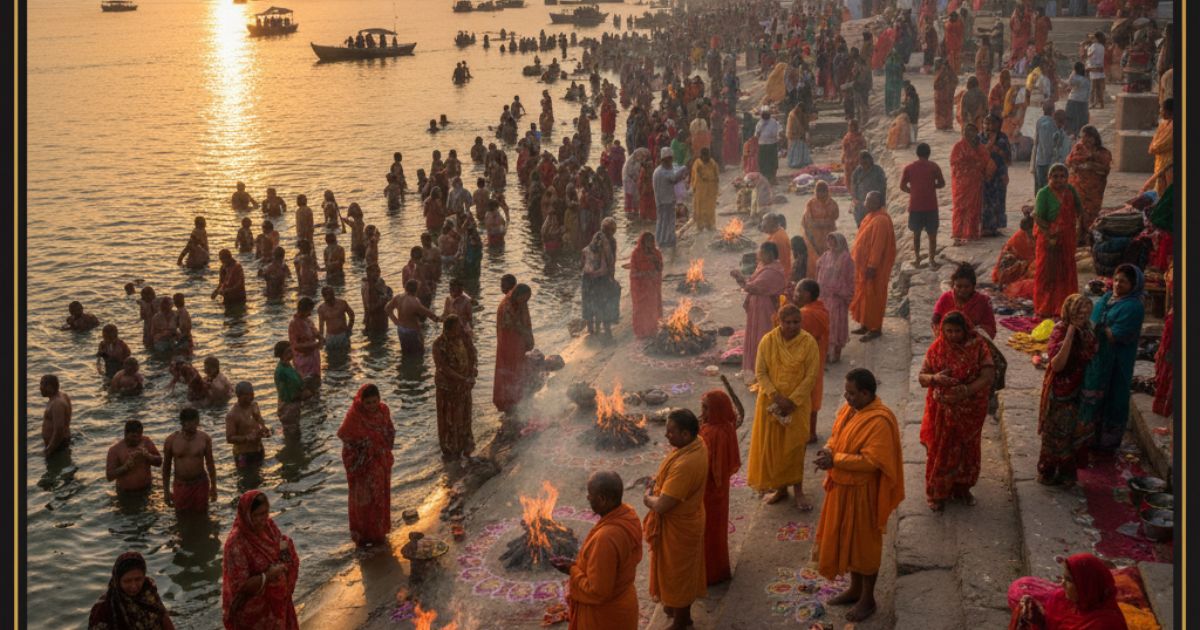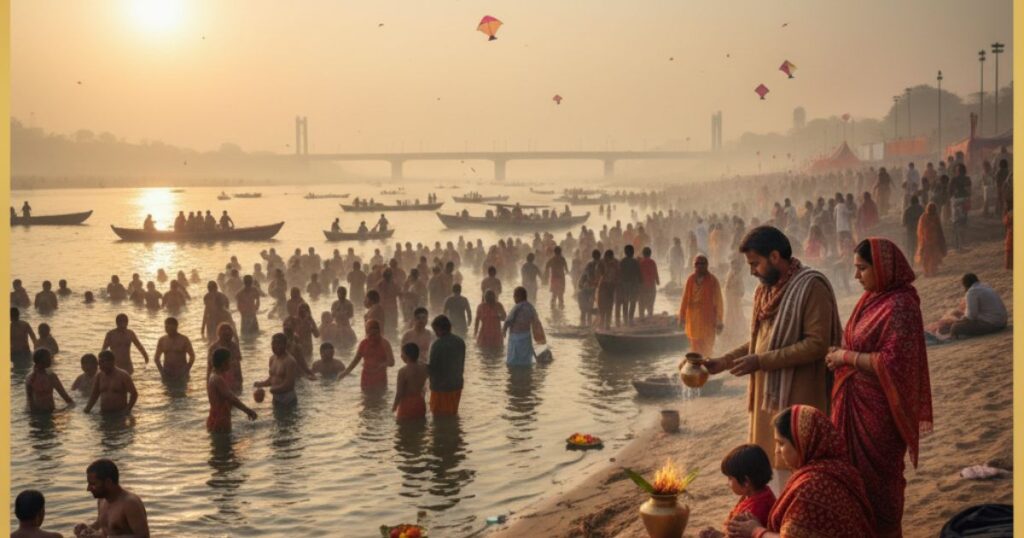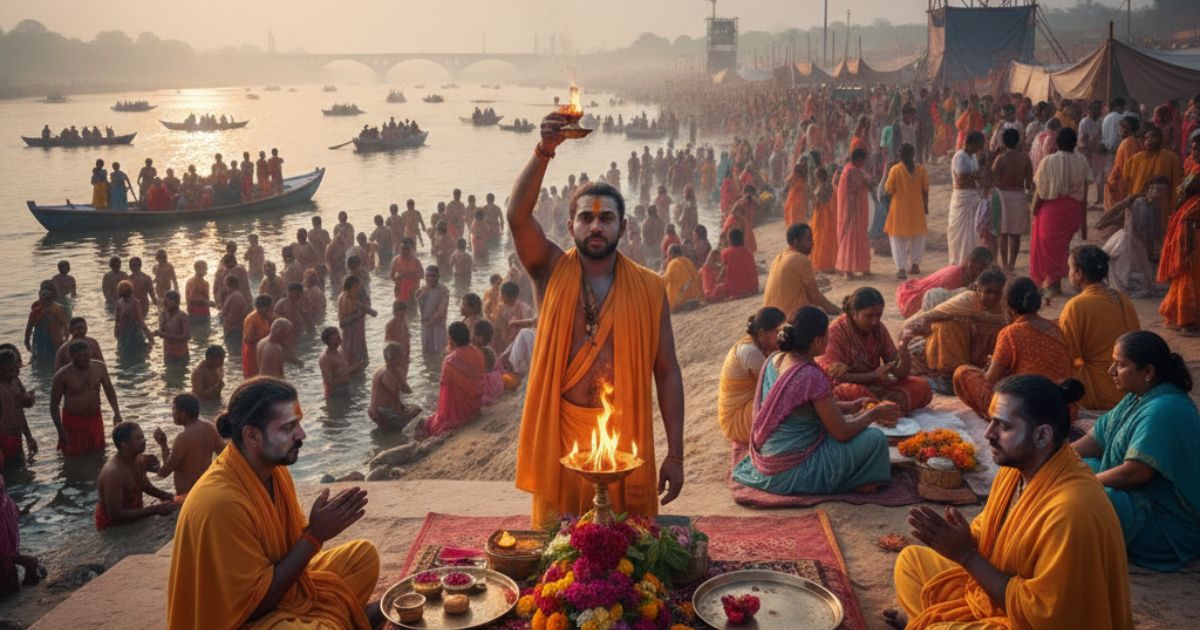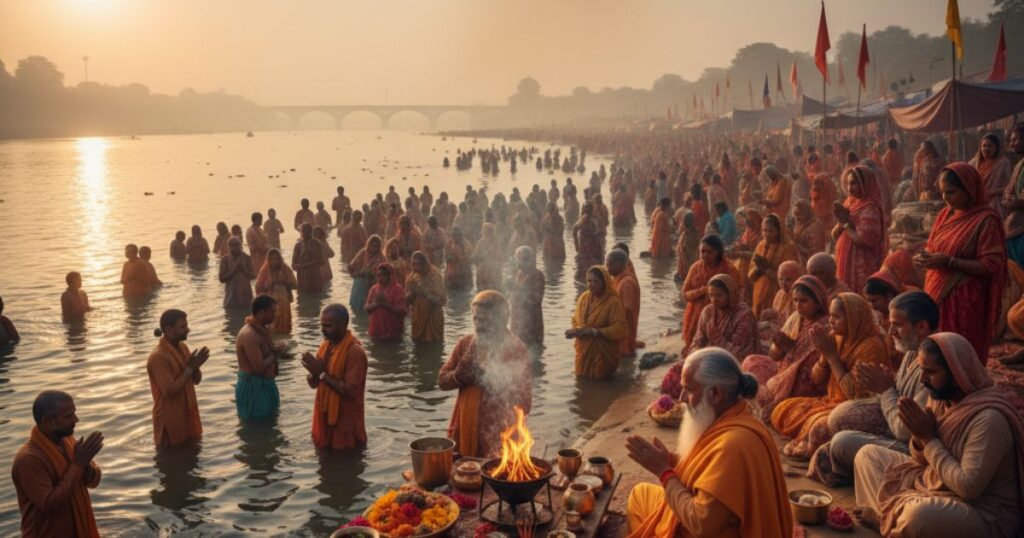
Are you ready to experience the most powerful night of the year dedicated to Lord Shiva? Mahashivratri 2026 approaches—the “Great Night of Shiva”—when the divine energies align to offer devotees unprecedented spiritual blessings. This sacred occasion transcends ordinary worship; it’s a night when heaven touches earth, when sincere devotees can directly experience Shiva’s transformative grace.
Whether you’re a lifelong Shiva devotee or new to this profound tradition, understanding the proper mahashivratri puja vidhi ensures your worship bears maximum spiritual fruit. From the intricate rudrabhishek puja that bathes the Shiva lingam in sacred offerings to the disciplined shivratri vrat rules that purify body and mind—every element of this observance carries deep significance.
This comprehensive guide walks you through everything you need to observe Mahashivratri 2026 authentically and powerfully. You’ll learn the complete puja procedures, fasting guidelines, mantras, timings, and the spiritual science underlying each practice. Let’s prepare to honor Lord Shiva—the destroyer of ignorance, the compassionate protector, and the supreme yogi who shows us the path to liberation!
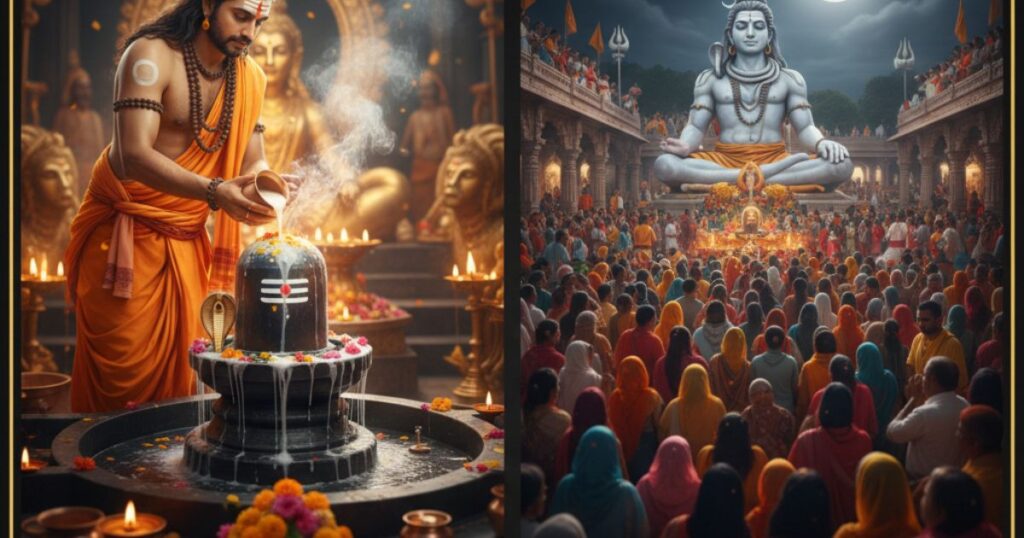
When is Mahashivratri 2026?
Date and Auspicious Timing
Mahashivratri 2026 falls on Sunday, February 15, 2026. This date is determined by the Hindu lunar calendar, specifically occurring on the Chaturdashi (14th day) of the dark fortnight (Krishna Paksha) in the month of Phalguna.
Auspicious puja timings (these vary slightly by location; verify for your specific city):
- Nishita Kaal Puja Time: 12:08 AM to 12:56 AM (February 16)—the most powerful time
- Chaturdashi Tithi Begins: February 15, 2026, approximately 5:7 PM
- Chaturdashi Tithi Ends: February 16, 2026, approximately 5:37 PM
The Nishita Kaal—midnight on Mahashivratri night—is considered supremely auspicious for Shiva worship, as this is when Shiva performed his cosmic dance (Tandava).
Significance of the Night
Why is this particular night so powerful? According to Hindu cosmology, on Mahashivratri, Lord Shiva and Shakti (his divine consort) unite, symbolizing the perfect balance of masculine and feminine energies, creation and destruction, consciousness and power.
From a yogic perspective, the planetary positions on this night create optimal conditions for spiritual awakening. The human energy naturally moves upward along the spine, making meditation and spiritual practices exponentially more effective.
Mahashivratri Puja Vidhi: Complete Step-by-Step Guide
Pre-Puja Preparations
Begin preparations the day before:
- Clean your puja space thoroughly
- Bathe early on Mahashivratri morning and wear clean, preferably new clothes
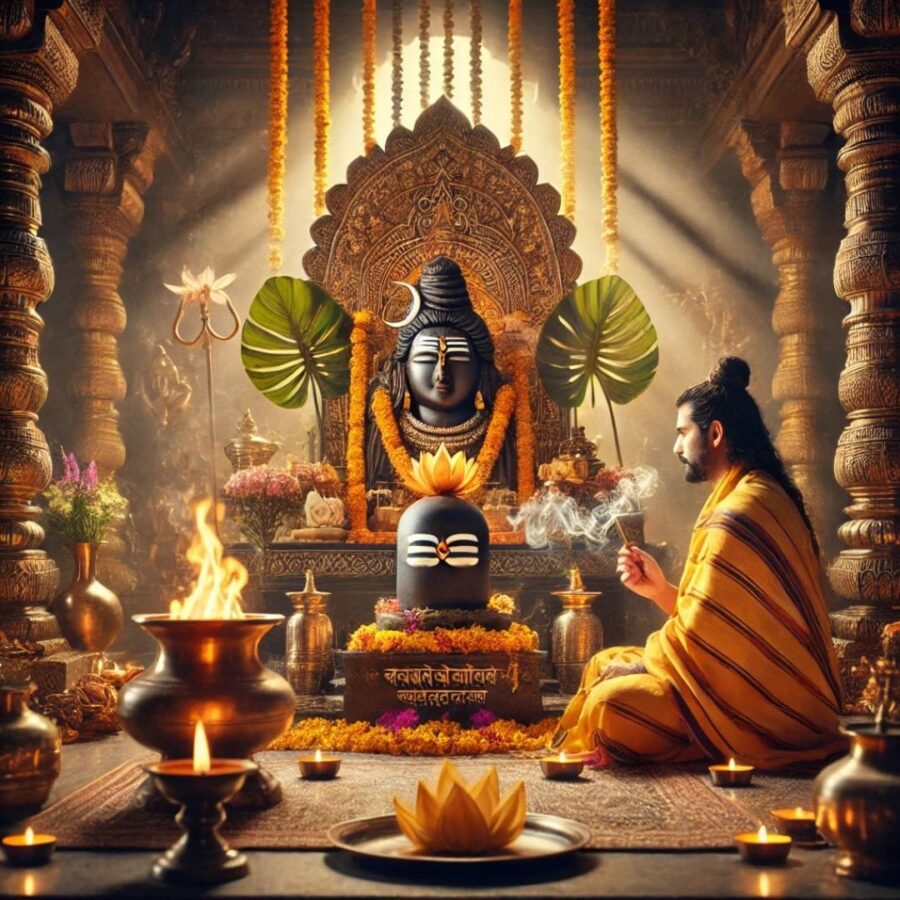
- Set up your Shiva altar with an image or Shiva lingam
- Arrange all puja materials beforehand
- Maintain cleanliness and purity throughout the day
Essential Puja Items
Gather these materials for the complete mahashivratri puja vidhi:
Basic items:
- Shiva lingam or Shiva image
- Fresh bilva (bael) leaves
- White flowers (especially datura, but use carefully as it’s toxic)
- Incense sticks and dhoop
- Ghee lamp (diya)
- Water in a copper vessel
- Milk, honey, yogurt, ghee, sugar (for panchamrit)
- Rice, barley
- Sacred thread (janeu)
- Sandalwood paste
For abhishekam:
- Water, milk, yogurt, honey, ghee
- Tender coconut water
- Sugarcane juice
- Rose water
- Ganga jal (holy water)
Additional offerings:
- Fruits (especially ber)
- Sweets (especially kheer or malpua)
- Betel leaves and nuts
- Camphor
The Four Prahar Puja Method
Traditional Mahashivratri worship divides the night into four prahars (three-hour segments), with puja performed in each:
First Prahar (Evening 6-9 PM):
- Clean the Shiva lingam with water
- Apply sandalwood paste
- Offer bilva leaves with mantra: “Om Namah Shivaya”
- Perform aarti
- Offer bhog (prasad)
Second Prahar (Night 9 PM-12 AM):
- Bathe the lingam with milk
- Apply vermillion/kumkum
- Offer flowers and bilva leaves
- Chant Shiva mantras
- Perform aarti
Third Prahar (Midnight 12-3 AM)—Most auspicious:
- Abhishekam with honey and sugarcane juice
- Offer special prayers
- Perform rudrabhishek if possible
- Deep meditation and mantra chanting
Fourth Prahar (Early Morning 3-6 AM):
- Final abhishekam with water
- Decorate with flowers
- Offer fruits
- Perform concluding aarti
- Distribute prasad
Rudrabhishek Puja: The Sacred Abhishekam
What is Rudrabhishek?
Rudrabhishek is an elaborate ritual bathing of the Shiva lingam while chanting specific Vedic mantras from the Rudram (part of Krishna Yajurveda). “Rudra” is a fierce form of Shiva, and this puja invokes his blessings for protection, prosperity, and spiritual growth.
Items for Abhishekam
The rudrabhishek puja traditionally includes bathing the lingam with:
- Water (purification)
- Milk (nourishment and purity)
- Yogurt (prosperity)
- Honey (sweetness in life)
- Ghee (valor and victory)
- Sugar (happiness)
- Panchamrit (mixture of all five)
Each substance carries symbolic significance and specific blessings.
Mantras and Procedure
Primary mantras for Rudrabhishek:
Maha Mrityunjaya Mantra: “Om Tryambakam Yajamahe Sugandhim Pushti-Vardhanam Urvarukamiva Bandhanan Mrityor Mukshiya Maamritat”
Basic Shiva Mantra: “Om Namah Shivaya” (chant 108 times minimum)
Procedure:
- Invoke Lord Ganesha first
- Purify yourself and the space
- Place the Shiva lingam on a brass or silver plate
- Pour each liquid slowly over the lingam while chanting
- Collect the abhishek water (teerth) in a vessel below
- Wipe the lingam gently and dress with sandalwood, flowers
- Complete with aarti and prasad distribution
For elaborate rudrabhishek puja, consider hiring a trained priest who can chant the complete Rudram hymn properly.
Shivratri Vrat Rules: Complete Fasting Guidelines
Types of Fasting
The shivratri vrat rules allow different fasting levels based on your capacity:
Complete Fast (Nirjala):
- No food or water for 24 hours
- Suitable for healthy adults with experience
- Broken only after next morning’s puja
Partial Fast (Phalahari):
- Fruits, milk, and vrat-specific foods allowed
- No grains, salt, or regular meals
- Most commonly observed
Light Fast:
- One simple meal in the evening
- Avoid onion, garlic, meat, alcohol
- For those with health limitations
What to Eat and Avoid
Allowed during vrat:
- Fresh fruits (bananas, apples, pomegranates)
- Milk and milk products
- Dry fruits and nuts
- Sabudana (tapioca)
- Kuttu ka atta (buckwheat flour) dishes
- Singhara atta (water chestnut flour)
- Potatoes (prepared without regular salt)
- Rock salt (sendha namak)
Strictly avoid:
- Regular salt
- Grains (wheat, rice, pulses)
- Onion and garlic
- Non-vegetarian food
- Alcohol and tobacco
- Store-bought packaged foods
Breaking the Fast
Break your fast the next morning after:
- Completing final aarti
- Offering prayers
- Taking a few drops of teerth (holy water from abhishekam)
- Eating prasad first
- Then having a light, sattvic meal
Don’t break the fast with heavy or spicy foods—start with fruits or light khichdi.
The Spiritual Significance of Mahashivratri
Mythological Stories
Several legends explain Mahashivratri’s origin:
The Poison Story: When gods and demons churned the cosmic ocean, a deadly poison (halahala) emerged threatening to destroy creation. Lord Shiva consumed it to save the universe, holding it in his throat (making it blue—hence “Neelkanth”). Mahashivratri commemorates this selfless act.
Shiva-Parvati Marriage: Some traditions believe Mahashivratri marks the divine marriage of Shiva and Parvati, symbolizing the unity of consciousness and energy.
Hunter’s Devotion: A hunter unknowingly performed Shiva puja throughout the night while hiding in a tree, dropping bilva leaves on a lingam below. His unintentional devotion earned Shiva’s grace, teaching that sincerity matters more than ritual perfection.
Yogic Perspective
From a yogic standpoint, Mahashivratri represents the night when human consciousness can most easily transcend its limitations. The planetary positions naturally draw energy upward through the spine’s central channel (sushumna), making spiritual awakening more accessible.
Staying awake throughout the night (jagran) prevents energy from dissipating downward in sleep, concentrating it for spiritual breakthrough.
Special Offerings to Lord Shiva
Bilva Leaves Importance
The bilva (bael) leaf is Shiva’s most beloved offering. Why?
- The trifoliate leaf represents the three aspects of time (past, present, future) or the three gunas
- Its cooling properties balance Shiva’s intense fiery energy
- Mythologically, Goddess Lakshmi resides in bilva trees
Proper offering method:
- Use fresh, unblemished leaves
- Offer in sets of three leaves
- Place on the lingam with stem facing you
- Chant “Om Namah Shivaya” with each offering
Panchamrit Preparation
Panchamrit (five nectars) is a sacred mixture for abhishekam and prasad.
Recipe:
- 1 cup milk
- 2 tablespoons yogurt
- 2 tablespoons honey
- 1 tablespoon ghee
- 2 tablespoons sugar or jaggery
- Optional: a few drops of Ganga jal, tulsi leaves
Mix gently while chanting Shiva mantras. Use for abhishekam and distribute as prasad.
Night Vigil (Jagran) Tradition
Staying awake throughout Mahashivratri night (jagran) is an essential practice. This vigil serves multiple purposes:
Spiritual benefits:
- Prevents downward energy flow during sleep
- Maintains heightened spiritual awareness
- Demonstrates devotion and discipline
- Aligns with cosmic energy patterns
How to observe jagran:
- Perform puja in four prahars as described
- Chant mantras and bhajans between pujas
- Listen to or read Shiva stories and teachings
- Meditate during quiet periods
- Avoid entertainment; maintain sacred atmosphere
Practical tips:
- Start preparation by sleeping well the night before
- Light exercise or walking helps stay alert
- Sip warm water or herbal tea
- Sit with other devotees if possible—group energy helps
- Focus on spiritual purpose when tired
Benefits of Mahashivratri Observance
Sincere Mahashivratri observance brings manifold benefits:
Spiritual:
- Karmic purification
- Removal of obstacles to spiritual progress
- Enhanced meditation and inner peace
- Protection from negative energies
- Progress toward moksha (liberation)
Material:
- Health improvements (especially through fasting)
- Prosperity and abundance
- Harmonious relationships
- Success in endeavors
- Protection from difficulties
Psychological:
- Mental clarity and focus
- Emotional balance
- Reduced stress and anxiety
- Increased willpower
- Sense of divine connection
Common Mistakes to Avoid
During puja:
- Offering prohibited items (champaka flowers, turmeric, red flowers)
- Using broken or dried bilva leaves
- Performing abhishekam too quickly without mantras
- Breaking concentration with unnecessary talk
- Offering stale or impure items
During vrat:
- Breaking fast before proper completion
- Consuming prohibited foods
- Sleeping during the night
- Negative thoughts or speech
- Neglecting the spiritual purpose for mere ritual
Astrological Importance
From a Vedic astrology perspective, Mahashivratri worship powerfully affects your birth chart, particularly:
- Strengthening weak Moon (Shiva wears the crescent moon)
- Pacifying Rahu and Ketu (serpents adorning Shiva)
- Improving Saturn (Shiva’s connection with time and discipline)
- Enhancing overall spiritual planets
For personalized astrological guidance on how Mahashivratri 2026 specifically affects your birth chart and which practices will benefit you most, consult AstroInsight.guru.
Contact:
- Website: astroinsights.guru
- Phone: +916306407641
- Email: astroinsights.guru@gmail.com
Conclusion
Mahashivratri 2026 offers a precious opportunity to deepen your connection with Lord Shiva and accelerate your spiritual journey. By following the proper mahashivratri puja vidhi, performing the sacred rudrabhishek puja with devotion, and observing the shivratri vrat rules sincerely, you open yourself to transformative blessings.
Remember, the external rituals serve the internal transformation—approach this sacred night with genuine devotion, pure intention, and an open heart. Whether you’re seeking spiritual liberation, material blessings, or simply a deeper understanding of the divine, Lord Shiva responds to sincere devotion with grace beyond measure.
May your Mahashivratri 2026 observance be blessed with divine presence, may Lord Shiva remove all obstacles from your path, and may this sacred night awaken the eternal Shiva consciousness residing within you! Om Namah Shivaya!
FAQs About Mahashivratri 2026
1. Can women observe Mahashivratri fast during menstruation?
This traditional question receives varied answers across different Hindu communities. Progressive spiritual teachers emphasize that menstruation doesn’t make women impure or unfit for worship—this is a natural biological process, not spiritual impurity. Many women successfully observe Mahashivratri vrat during menstruation without issue. However, some traditional families follow restrictions based on their lineage practices. The decision is ultimately personal. If you choose to observe: focus on mental worship if physical puja feels uncomfortable, chant mantras and read scriptures, maintain the fast if health permits, or observe a modified fast if needed. If you prefer not to observe fully during menstruation, you can perform the puja after your cycle ends—Lord Shiva values sincere devotion over rigid timing. What matters most is your faith and intention, not bodily conditions. Trust your intuition and family tradition while remembering that the divine transcends such physical considerations.
2. Is it necessary to stay awake all night, or can I sleep for a few hours?
The traditional shivratri vrat rules strongly encourage staying awake throughout the night (jagran), as this vigil carries specific spiritual significance—preventing downward energy flow during sleep and maintaining heightened awareness during cosmically powerful hours. However, practicality matters! If you have health conditions, are elderly, or have demanding responsibilities the next day, modify the practice appropriately. You might: sleep until midnight, wake for the crucial Nishita Kaal puja (12-1 AM), then stay awake until dawn; alternate with family members taking shifts; stay awake until 1-2 AM and rest a few hours. The mahashivratri puja vidhi emphasizes that sincere effort matters more than superhuman endurance. If you do sleep, ensure you complete at least the midnight puja during the most auspicious time. For first-timers, staying awake might be challenging—build gradually over years. The spiritual benefit comes from disciplined effort combined with devotion, not from exhausted suffering.
3. What if I cannot perform the elaborate four-prahar puja—is a simple worship acceptable?
Absolutely! While the traditional mahashivratri puja vidhi describes elaborate four-prahar worship, Lord Shiva is pleased by sincere devotion, not ritual complexity. If circumstances limit elaborate puja, perform simplified worship: At minimum, bathe the Shiva lingam or picture with water and milk once during the night, offer bilva leaves while chanting “Om Namah Shivaya” (108 times), light a ghee lamp and incense, maintain your fast, and stay awake as much as possible chanting mantras. This basic worship, done with pure heart, carries immense spiritual power. Remember the hunter’s story—he accidentally performed Shiva puja while hiding in a tree, yet received liberation due to sincerity! Don’t let inability to perform elaborate rituals prevent your participation. Even mentally offering worship while chanting mantras throughout the night is valuable. The rudrabhishek puja similarly can be simplified—pour water and milk over the lingam while chanting “Om Namah Shivaya” repeatedly. Quality of devotion trumps quantity of ritual.
4. Can I break my fast if I feel extremely weak or unwell during the day?
Your health and safety always take precedence over ritualistic completion of shivratri vrat rules. If you experience severe weakness, dizziness, nausea, or other concerning symptoms during your fast: First, sit or lie down and rest. Sip some water—hydration is critical. If symptoms persist, break your fast with light food (fruit, juice, milk). Don’t risk your health for ritual completion—this isn’t the purpose of spiritual practice. The fast aims to purify and discipline, not harm your body. Lord Shiva, as the compassionate destroyer of suffering, would never want devotees harming themselves in his name. Those with diabetes, heart conditions, or chronic illnesses should consult doctors before attempting complete fasts and may need to observe modified fasts or skip fasting entirely, focusing instead on other aspects like puja, mantras, and staying awake. Pregnant and nursing women should be especially cautious. Children, elderly, and seriously ill individuals aren’t expected to observe complete fasts. Remember: your body is the temple housing the divine—treat it with care and respect.
5. What’s the most powerful mantra to chant during Mahashivratri 2026?
While all Shiva mantras carry power, three mantras are particularly potent for Mahashivratri: “Om Namah Shivaya” (most accessible and powerful; the five-syllable mantra representing Shiva’s five aspects; chant continuously throughout the night aiming for 108, 1008, or even 10,000+ repetitions). Maha Mrityunjaya Mantra (“Om Tryambakam Yajamahe…” mentioned earlier; specifically grants protection, healing, and liberation from death/rebirth cycle; chant 108 times during the midnight prahar). “Om Namah Shivaya” is perfect for beginners, while experienced practitioners might focus on Maha Mrityunjaya or even the complete Rudram if they know it. The most powerful mantra is ultimately the one you chant with deepest faith and devotion—sincerity amplifies spiritual effectiveness more than Sanskrit pronunciation perfection. For personalized mantra recommendation based on your birth chart and spiritual goals, consult AstroInsights.guru who can identify which Shiva mantra aligns optimally with your planetary positions and karmic patterns, making your Mahashivratri 2026 practice maximally effective for your unique spiritual journey.