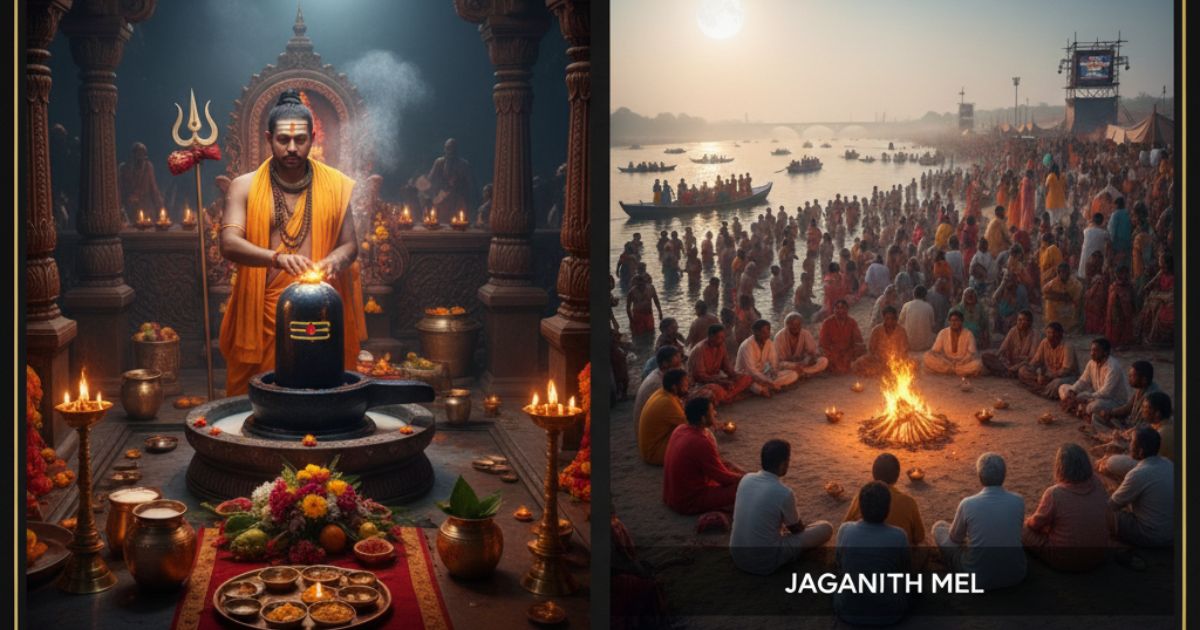
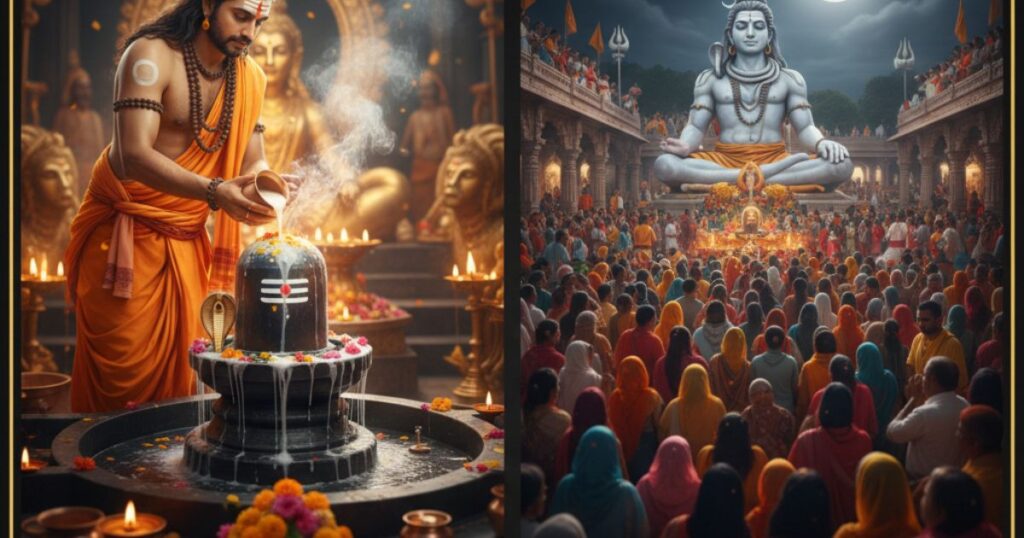
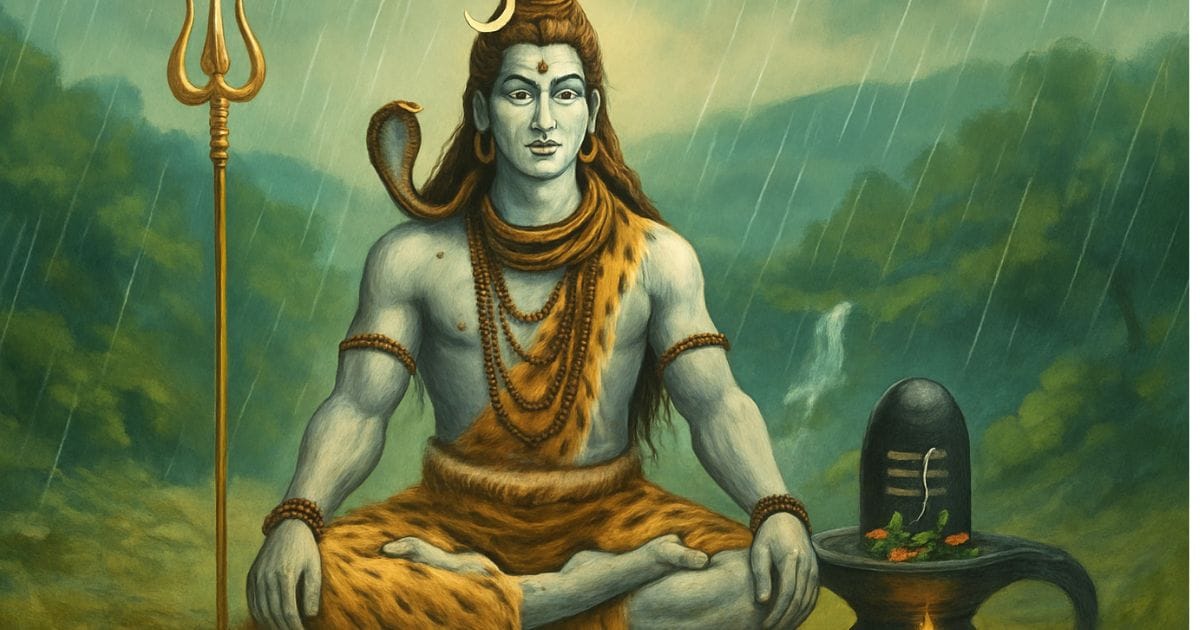
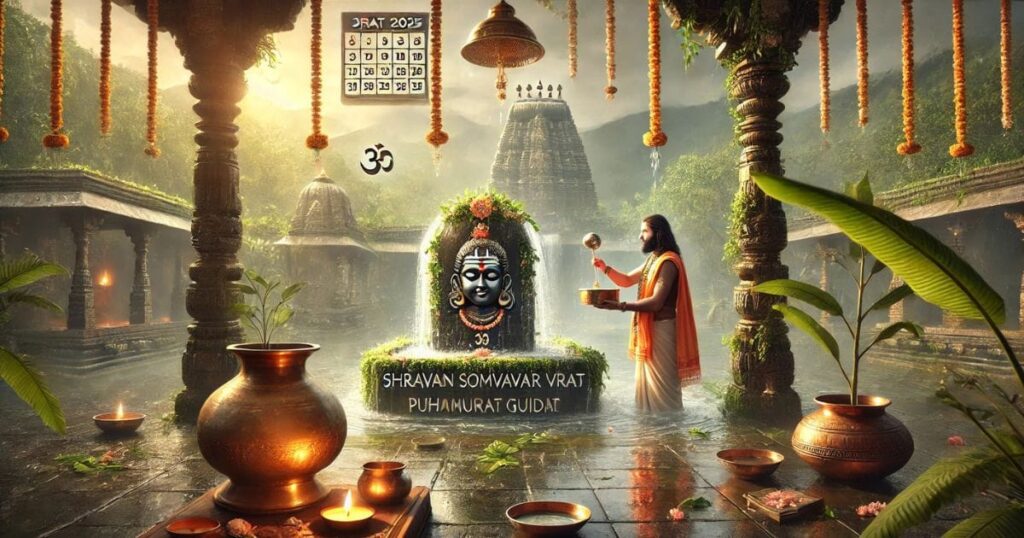
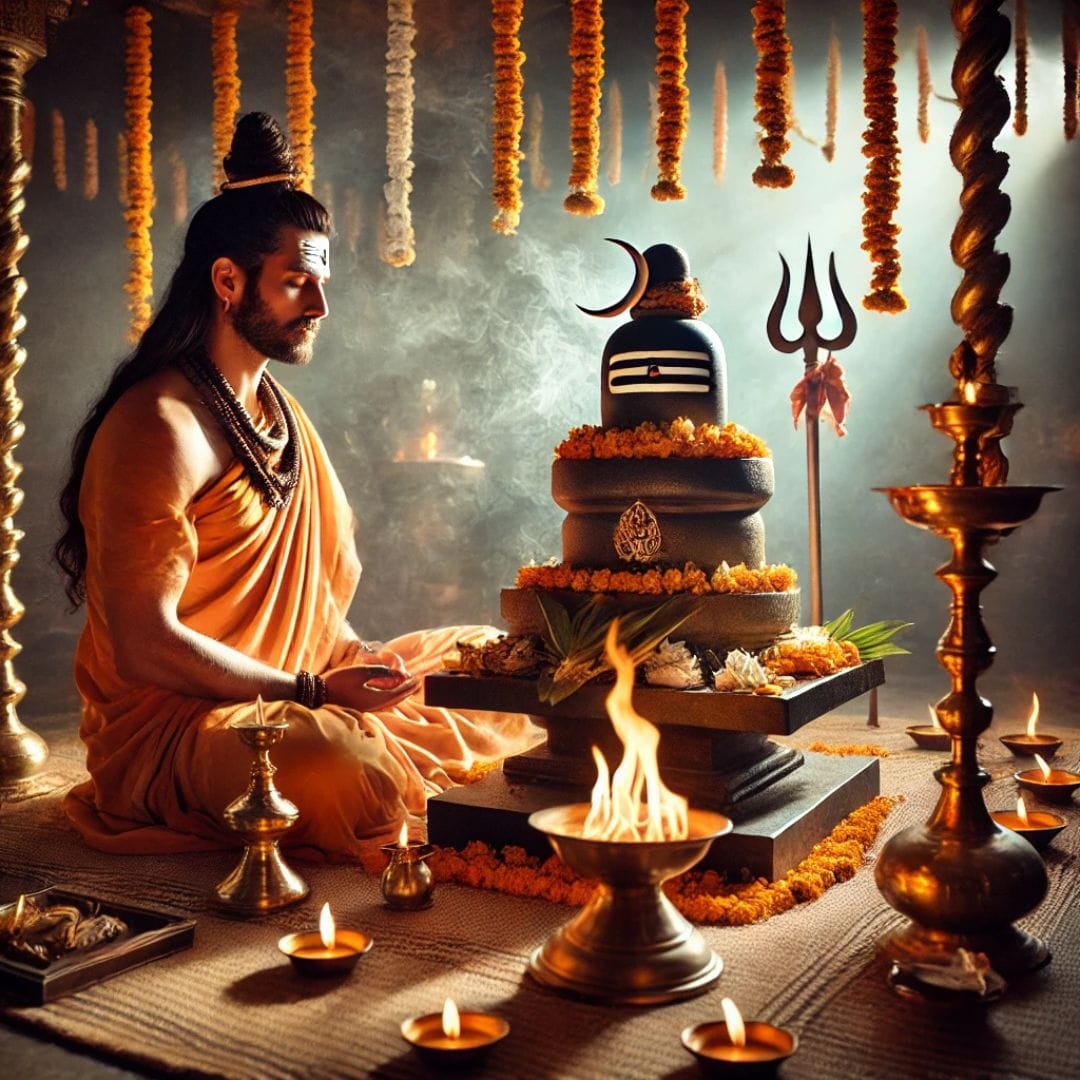
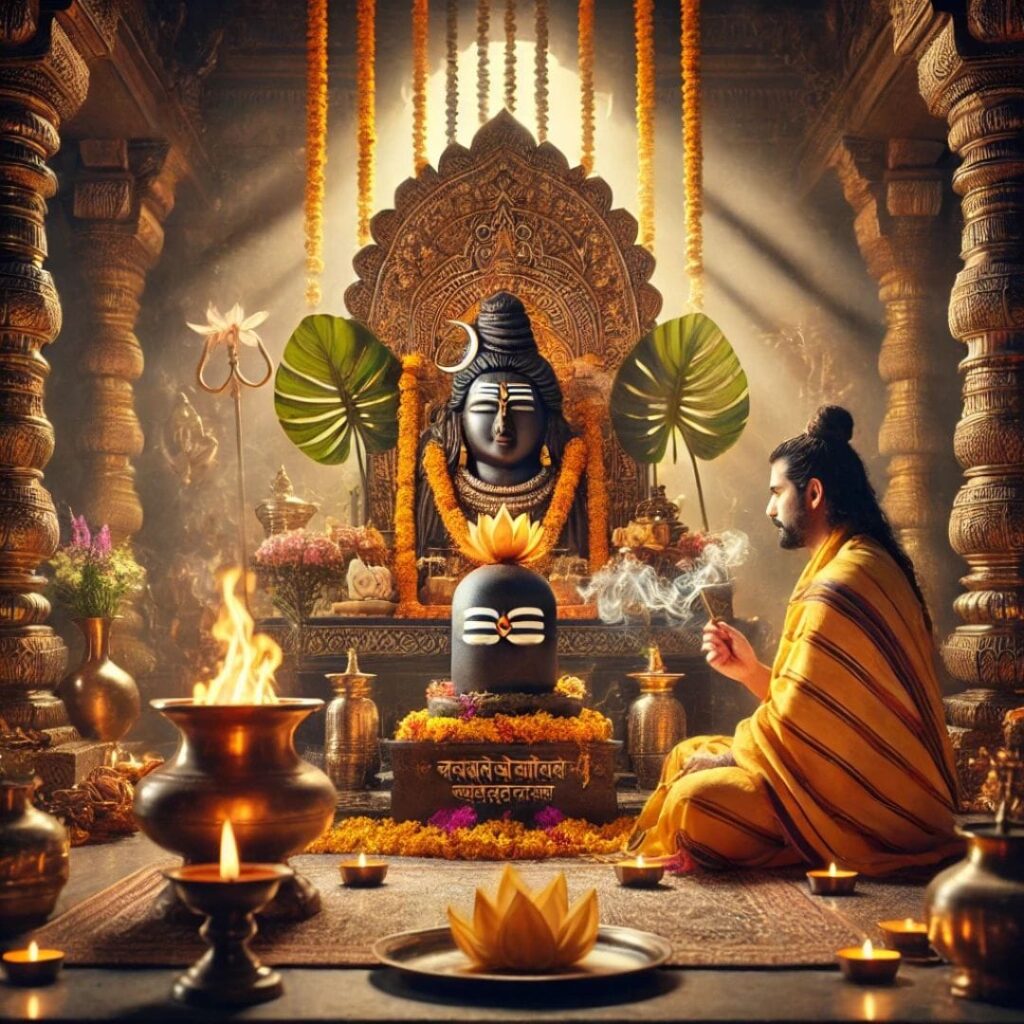
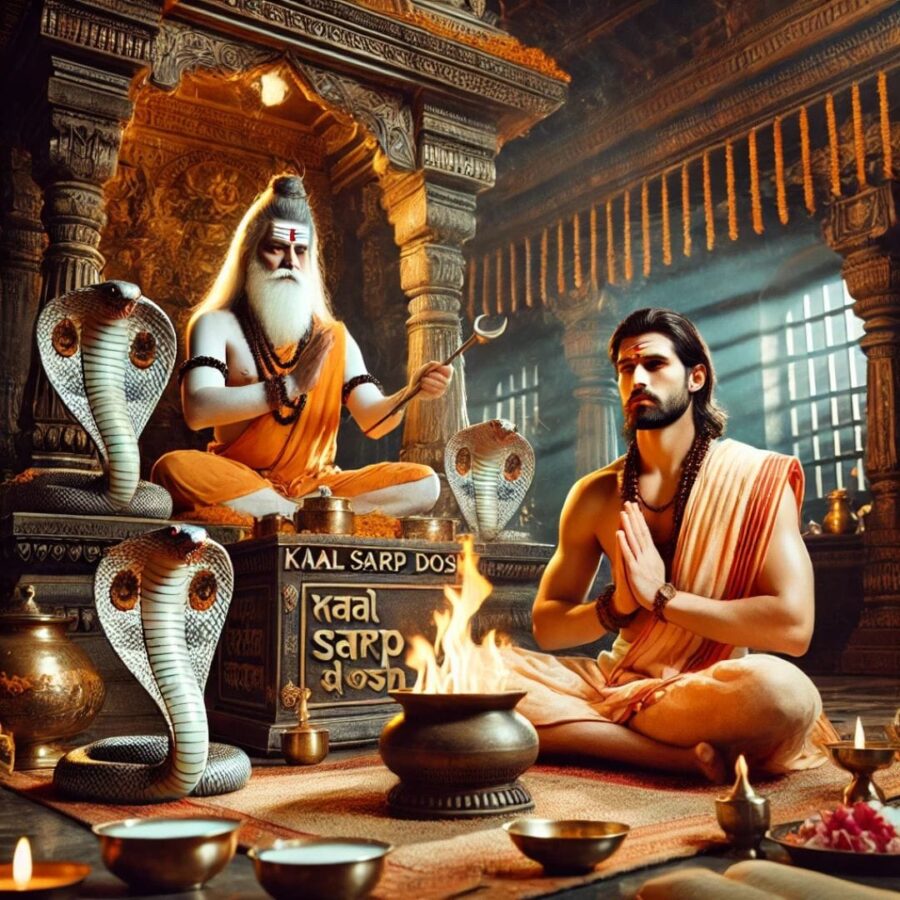
Are you ready to experience the most powerful night of the year dedicated to Lord Shiva? Mahashivratri 2026 approaches—the “Great Night of Shiva”—when the divine energies align to offer devotees unprecedented spiritual blessings. This sacred occasion transcends ordinary worship; it’s a night when heaven touches earth, when sincere devotees can directly experience Shiva’s transformative grace.
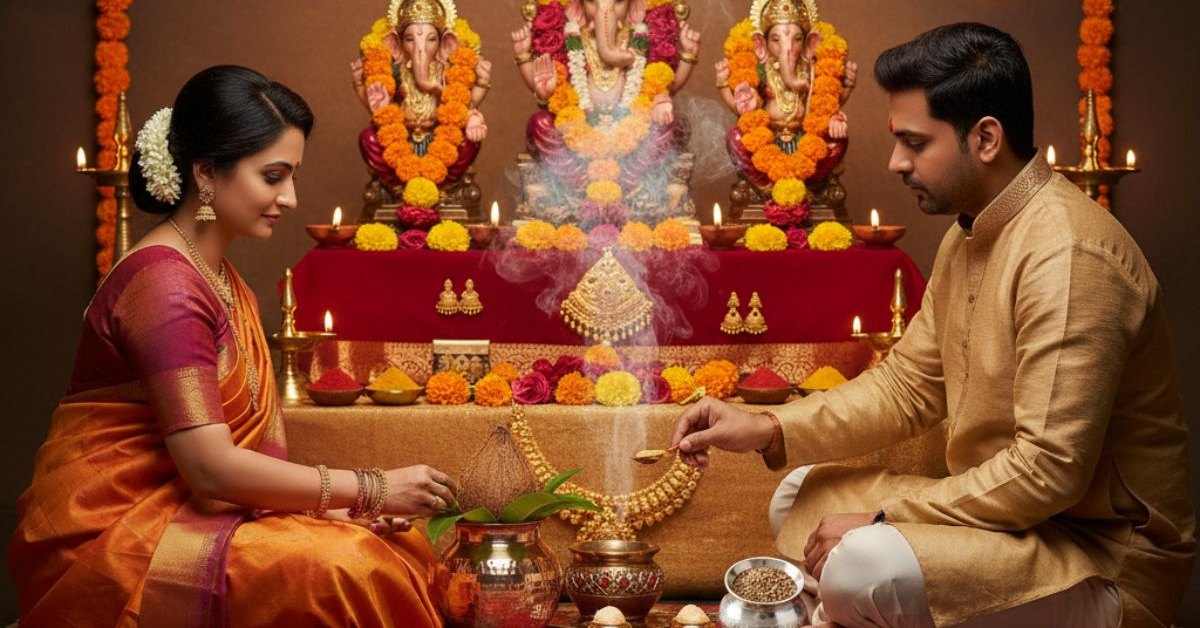
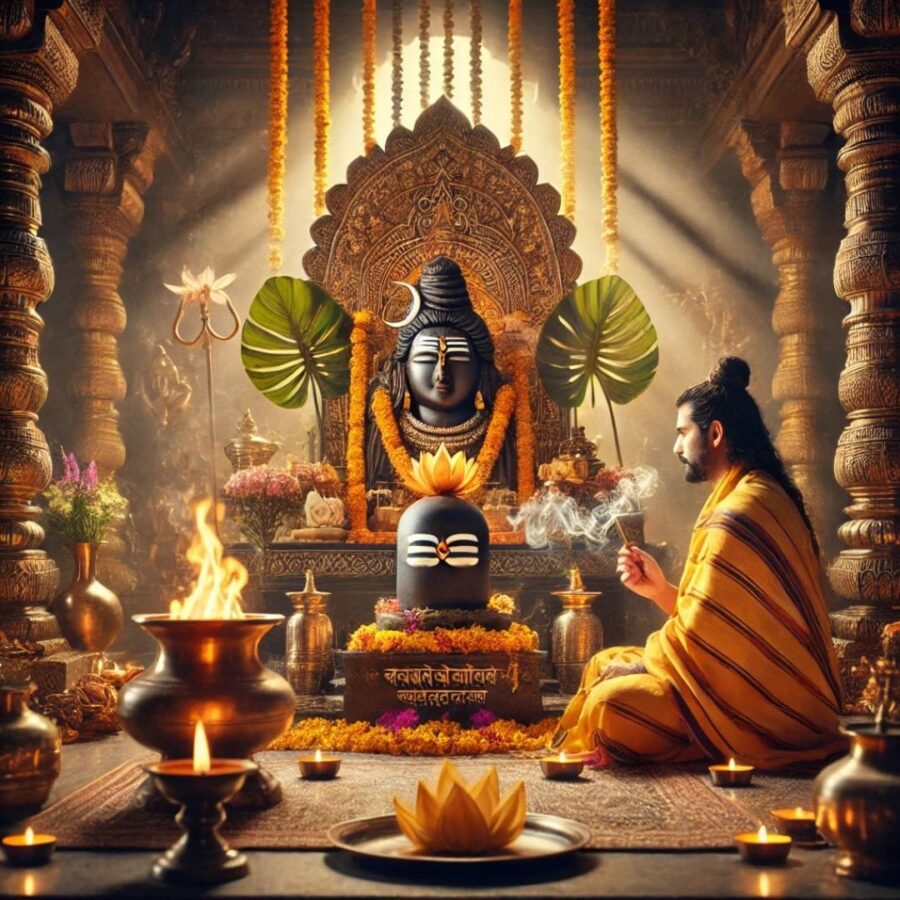
Whether you’re a lifelong Shiva devotee or new to this profound tradition, understanding the proper mahashivratri puja vidhi ensures your worship bears maximum spiritual fruit. From the intricate rudrabhishek puja that bathes the Shiva lingam in sacred offerings to the disciplined shivratri vrat rules that purify body and mind—every element of this observance carries deep significance.
This comprehensive guide walks you through everything you need to observe Mahashivratri 2026 authentically and powerfully. You’ll learn the complete puja procedures, fasting guidelines, mantras, timings, and the spiritual science underlying each practice. Let’s prepare to honor Lord Shiva—the destroyer of ignorance, the compassionate protector, and the supreme yogi who shows us the path to liberation!
When is Mahashivratri 2026?
Date and Auspicious Timing
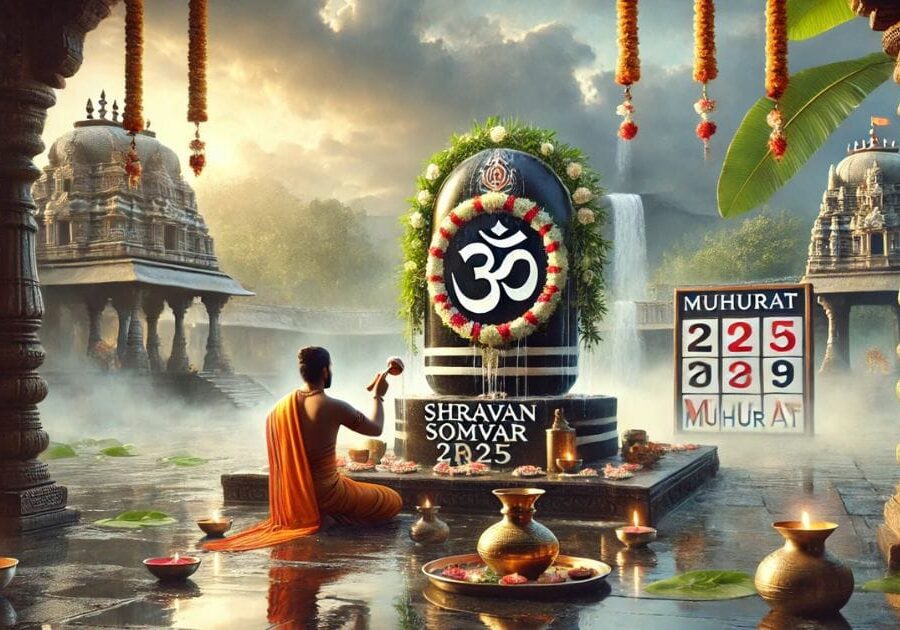
Mahashivratri 2026 falls on Sunday, February 15, 2026. This date is determined by the Hindu lunar calendar, specifically occurring on the Chaturdashi (14th day) of the dark fortnight (Krishna Paksha) in the month of Phalguna.
Auspicious puja timings (these vary slightly by location; verify for your specific city):
Nishita Kaal Puja Time: 12:08 AM to 12:56 AM (February 16)—the most powerful time
Chaturdashi Tithi Begins: February 15, 2026, approximately 5:7 PM
Chaturdashi Tithi Ends: February 16, 2026, approximately 5:37 PM
The Nishita Kaal—midnight on Mahashivratri night—is considered supremely auspicious for Shiva worship, as this is when Shiva performed his cosmic dance (Tandava).
Significance of the Night
Why is this particular night so powerful? According to Hindu cosmology, on Mahashivratri, Lord Shiva and Shakti (his divine consort) unite, symbolizing the perfect balance of masculine and feminine energies, creation and destruction, consciousness and power.
From a yogic perspective, the planetary positions on this night create optimal conditions for spiritual awakening. The human energy naturally moves upward along the spine, making meditation and spiritual practices exponentially more effective.
Bathe early on Mahashivratri morning and wear clean, preferably new clothes
Set up your Shiva altar with an image or Shiva lingam
Arrange all puja materials beforehand
Maintain cleanliness and purity throughout the day
Essential Puja Items
Gather these materials for the complete mahashivratri puja vidhi:
Basic items:
Shiva lingam or Shiva image
Fresh bilva (bael) leaves
White flowers (especially datura, but use carefully as it’s toxic)
Incense sticks and dhoop
Ghee lamp (diya)
Water in a copper vessel
Milk, honey, yogurt, ghee, sugar (for panchamrit)
Rice, barley
Sacred thread (janeu)
Sandalwood paste
For abhishekam:
Water, milk, yogurt, honey, ghee
Tender coconut water
Sugarcane juice
Rose water
Ganga jal (holy water)
Additional offerings:
Fruits (especially ber)
Sweets (especially kheer or malpua)
Betel leaves and nuts
Camphor
The Four Prahar Puja Method
Traditional Mahashivratri worship divides the night into four prahars (three-hour segments), with puja performed in each:
First Prahar (Evening 6-9 PM):
Clean the Shiva lingam with water
Apply sandalwood paste
Offer bilva leaves with mantra: “Om Namah Shivaya”
Perform aarti
Offer bhog (prasad)
Second Prahar (Night 9 PM-12 AM):
Bathe the lingam with milk
Apply vermillion/kumkum
Offer flowers and bilva leaves
Chant Shiva mantras
Perform aarti
Third Prahar (Midnight 12-3 AM)—Most auspicious:
Abhishekam with honey and sugarcane juice
Offer special prayers
Perform rudrabhishek if possible
Deep meditation and mantra chanting
Fourth Prahar (Early Morning 3-6 AM):
Final abhishekam with water
Decorate with flowers
Offer fruits
Perform concluding aarti
Distribute prasad
Rudrabhishek Puja: The Sacred Abhishekam
What is Rudrabhishek?
Rudrabhishek is an elaborate ritual bathing of the Shiva lingam while chanting specific Vedic mantras from the Rudram (part of Krishna Yajurveda). “Rudra” is a fierce form of Shiva, and this puja invokes his blessings for protection, prosperity, and spiritual growth.
Items for Abhishekam
The rudrabhishek puja traditionally includes bathing the lingam with:
Water (purification)
Milk (nourishment and purity)
Yogurt (prosperity)
Honey (sweetness in life)
Ghee (valor and victory)
Sugar (happiness)
Panchamrit (mixture of all five)
Each substance carries symbolic significance and specific blessings.
Basic Shiva Mantra: “Om Namah Shivaya” (chant 108 times minimum)
Procedure:
Invoke Lord Ganesha first
Purify yourself and the space
Place the Shiva lingam on a brass or silver plate
Pour each liquid slowly over the lingam while chanting
Collect the abhishek water (teerth) in a vessel below
Wipe the lingam gently and dress with sandalwood, flowers
Complete with aarti and prasad distribution
For elaborate rudrabhishek puja, consider hiring a trained priest who can chant the complete Rudram hymn properly.
Shivratri Vrat Rules: Complete Fasting Guidelines
Types of Fasting
The shivratri vrat rules allow different fasting levels based on your capacity:
Complete Fast (Nirjala):
No food or water for 24 hours
Suitable for healthy adults with experience
Broken only after next morning’s puja
Partial Fast (Phalahari):
Fruits, milk, and vrat-specific foods allowed
No grains, salt, or regular meals
Most commonly observed
Light Fast:
One simple meal in the evening
Avoid onion, garlic, meat, alcohol
For those with health limitations
What to Eat and Avoid
Allowed during vrat:
Fresh fruits (bananas, apples, pomegranates)
Milk and milk products
Dry fruits and nuts
Sabudana (tapioca)
Kuttu ka atta (buckwheat flour) dishes
Singhara atta (water chestnut flour)
Potatoes (prepared without regular salt)
Rock salt (sendha namak)
Strictly avoid:
Regular salt
Grains (wheat, rice, pulses)
Onion and garlic
Non-vegetarian food
Alcohol and tobacco
Store-bought packaged foods
Breaking the Fast
Break your fast the next morning after:
Completing final aarti
Offering prayers
Taking a few drops of teerth (holy water from abhishekam)
Eating prasad first
Then having a light, sattvic meal
Don’t break the fast with heavy or spicy foods—start with fruits or light khichdi.
The Spiritual Significance of Mahashivratri
Mythological Stories
Several legends explain Mahashivratri’s origin:
The Poison Story: When gods and demons churned the cosmic ocean, a deadly poison (halahala) emerged threatening to destroy creation. Lord Shiva consumed it to save the universe, holding it in his throat (making it blue—hence “Neelkanth”). Mahashivratri commemorates this selfless act.
Shiva-Parvati Marriage: Some traditions believe Mahashivratri marks the divine marriage of Shiva and Parvati, symbolizing the unity of consciousness and energy.
Hunter’s Devotion: A hunter unknowingly performed Shiva puja throughout the night while hiding in a tree, dropping bilva leaves on a lingam below. His unintentional devotion earned Shiva’s grace, teaching that sincerity matters more than ritual perfection.
Yogic Perspective
From a yogic standpoint, Mahashivratri represents the night when human consciousness can most easily transcend its limitations. The planetary positions naturally draw energy upward through the spine’s central channel (sushumna), making spiritual awakening more accessible.
Staying awake throughout the night (jagran) prevents energy from dissipating downward in sleep, concentrating it for spiritual breakthrough.
Special Offerings to Lord Shiva
Bilva Leaves Importance
The bilva (bael) leaf is Shiva’s most beloved offering. Why?
The trifoliate leaf represents the three aspects of time (past, present, future) or the three gunas
Its cooling properties balance Shiva’s intense fiery energy
Mythologically, Goddess Lakshmi resides in bilva trees
Proper offering method:
Use fresh, unblemished leaves
Offer in sets of three leaves
Place on the lingam with stem facing you
Chant “Om Namah Shivaya” with each offering
Panchamrit Preparation
Panchamrit (five nectars) is a sacred mixture for abhishekam and prasad.
Recipe:
1 cup milk
2 tablespoons yogurt
2 tablespoons honey
1 tablespoon ghee
2 tablespoons sugar or jaggery
Optional: a few drops of Ganga jal, tulsi leaves
Mix gently while chanting Shiva mantras. Use for abhishekam and distribute as prasad.
Night Vigil (Jagran) Tradition
Staying awake throughout Mahashivratri night (jagran) is an essential practice. This vigil serves multiple purposes:
Spiritual benefits:
Prevents downward energy flow during sleep
Maintains heightened spiritual awareness
Demonstrates devotion and discipline
Aligns with cosmic energy patterns
How to observe jagran:
Perform puja in four prahars as described
Chant mantras and bhajans between pujas
Listen to or read Shiva stories and teachings
Meditate during quiet periods
Avoid entertainment; maintain sacred atmosphere
Practical tips:
Start preparation by sleeping well the night before
Light exercise or walking helps stay alert
Sip warm water or herbal tea
Sit with other devotees if possible—group energy helps
Offering prohibited items (champaka flowers, turmeric, red flowers)
Using broken or dried bilva leaves
Performing abhishekam too quickly without mantras
Breaking concentration with unnecessary talk
Offering stale or impure items
During vrat:
Breaking fast before proper completion
Consuming prohibited foods
Sleeping during the night
Negative thoughts or speech
Neglecting the spiritual purpose for mere ritual
Astrological Importance
From a Vedic astrology perspective, Mahashivratri worship powerfully affects your birth chart, particularly:
Strengthening weak Moon (Shiva wears the crescent moon)
Pacifying Rahu and Ketu (serpents adorning Shiva)
Improving Saturn (Shiva’s connection with time and discipline)
Enhancing overall spiritual planets
For personalized astrological guidance on how Mahashivratri 2026 specifically affects your birth chart and which practices will benefit you most, consult AstroInsight.guru.
Mahashivratri 2026 offers a precious opportunity to deepen your connection with Lord Shiva and accelerate your spiritual journey. By following the proper mahashivratri puja vidhi, performing the sacred rudrabhishek puja with devotion, and observing the shivratri vrat rules sincerely, you open yourself to transformative blessings.
Remember, the external rituals serve the internal transformation—approach this sacred night with genuine devotion, pure intention, and an open heart. Whether you’re seeking spiritual liberation, material blessings, or simply a deeper understanding of the divine, Lord Shiva responds to sincere devotion with grace beyond measure.
May your Mahashivratri 2026 observance be blessed with divine presence, may Lord Shiva remove all obstacles from your path, and may this sacred night awaken the eternal Shiva consciousness residing within you! Om Namah Shivaya!
FAQs About Mahashivratri 2026
1. Can women observe Mahashivratri fast during menstruation?
This traditional question receives varied answers across different Hindu communities. Progressive spiritual teachers emphasize that menstruation doesn’t make women impure or unfit for worship—this is a natural biological process, not spiritual impurity. Many women successfully observe Mahashivratri vrat during menstruation without issue. However, some traditional families follow restrictions based on their lineage practices. The decision is ultimately personal. If you choose to observe: focus on mental worship if physical puja feels uncomfortable, chant mantras and read scriptures, maintain the fast if health permits, or observe a modified fast if needed. If you prefer not to observe fully during menstruation, you can perform the puja after your cycle ends—Lord Shiva values sincere devotion over rigid timing. What matters most is your faith and intention, not bodily conditions. Trust your intuition and family tradition while remembering that the divine transcends such physical considerations.
2. Is it necessary to stay awake all night, or can I sleep for a few hours?
The traditional shivratri vrat rules strongly encourage staying awake throughout the night (jagran), as this vigil carries specific spiritual significance—preventing downward energy flow during sleep and maintaining heightened awareness during cosmically powerful hours. However, practicality matters! If you have health conditions, are elderly, or have demanding responsibilities the next day, modify the practice appropriately. You might: sleep until midnight, wake for the crucial Nishita Kaal puja (12-1 AM), then stay awake until dawn; alternate with family members taking shifts; stay awake until 1-2 AM and rest a few hours. The mahashivratri puja vidhi emphasizes that sincere effort matters more than superhuman endurance. If you do sleep, ensure you complete at least the midnight puja during the most auspicious time. For first-timers, staying awake might be challenging—build gradually over years. The spiritual benefit comes from disciplined effort combined with devotion, not from exhausted suffering.
3. What if I cannot perform the elaborate four-prahar puja—is a simple worship acceptable?
Absolutely! While the traditional mahashivratri puja vidhi describes elaborate four-prahar worship, Lord Shiva is pleased by sincere devotion, not ritual complexity. If circumstances limit elaborate puja, perform simplified worship: At minimum, bathe the Shiva lingam or picture with water and milk once during the night, offer bilva leaves while chanting “Om Namah Shivaya” (108 times), light a ghee lamp and incense, maintain your fast, and stay awake as much as possible chanting mantras. This basic worship, done with pure heart, carries immense spiritual power. Remember the hunter’s story—he accidentally performed Shiva puja while hiding in a tree, yet received liberation due to sincerity! Don’t let inability to perform elaborate rituals prevent your participation. Even mentally offering worship while chanting mantras throughout the night is valuable. The rudrabhishek puja similarly can be simplified—pour water and milk over the lingam while chanting “Om Namah Shivaya” repeatedly. Quality of devotion trumps quantity of ritual.
4. Can I break my fast if I feel extremely weak or unwell during the day?
Your health and safety always take precedence over ritualistic completion of shivratri vrat rules. If you experience severe weakness, dizziness, nausea, or other concerning symptoms during your fast: First, sit or lie down and rest. Sip some water—hydration is critical. If symptoms persist, break your fast with light food (fruit, juice, milk). Don’t risk your health for ritual completion—this isn’t the purpose of spiritual practice. The fast aims to purify and discipline, not harm your body. Lord Shiva, as the compassionate destroyer of suffering, would never want devotees harming themselves in his name. Those with diabetes, heart conditions, or chronic illnesses should consult doctors before attempting complete fasts and may need to observe modified fasts or skip fasting entirely, focusing instead on other aspects like puja, mantras, and staying awake. Pregnant and nursing women should be especially cautious. Children, elderly, and seriously ill individuals aren’t expected to observe complete fasts. Remember: your body is the temple housing the divine—treat it with care and respect.
5. What’s the most powerful mantra to chant during Mahashivratri 2026?
While all Shiva mantras carry power, three mantras are particularly potent for Mahashivratri: “Om Namah Shivaya” (most accessible and powerful; the five-syllable mantra representing Shiva’s five aspects; chant continuously throughout the night aiming for 108, 1008, or even 10,000+ repetitions). Maha Mrityunjaya Mantra (“Om Tryambakam Yajamahe…” mentioned earlier; specifically grants protection, healing, and liberation from death/rebirth cycle; chant 108 times during the midnight prahar). “Om Namah Shivaya” is perfect for beginners, while experienced practitioners might focus on Maha Mrityunjaya or even the complete Rudram if they know it. The most powerful mantra is ultimately the one you chant with deepest faith and devotion—sincerity amplifies spiritual effectiveness more than Sanskrit pronunciation perfection. For personalized mantra recommendation based on your birth chart and spiritual goals, consult AstroInsights.guru who can identify which Shiva mantra aligns optimally with your planetary positions and karmic patterns, making your Mahashivratri 2026 practice maximally effective for your unique spiritual journey.
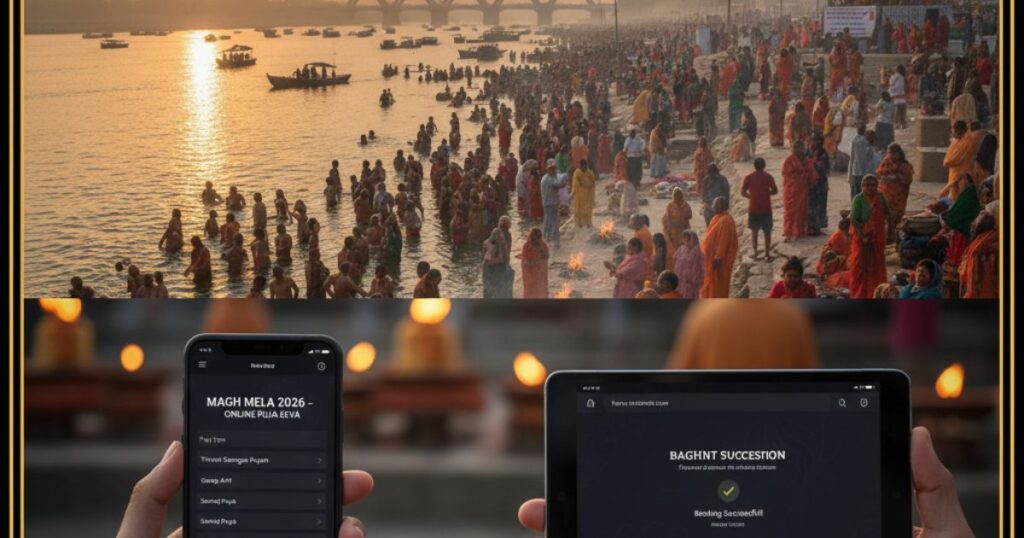
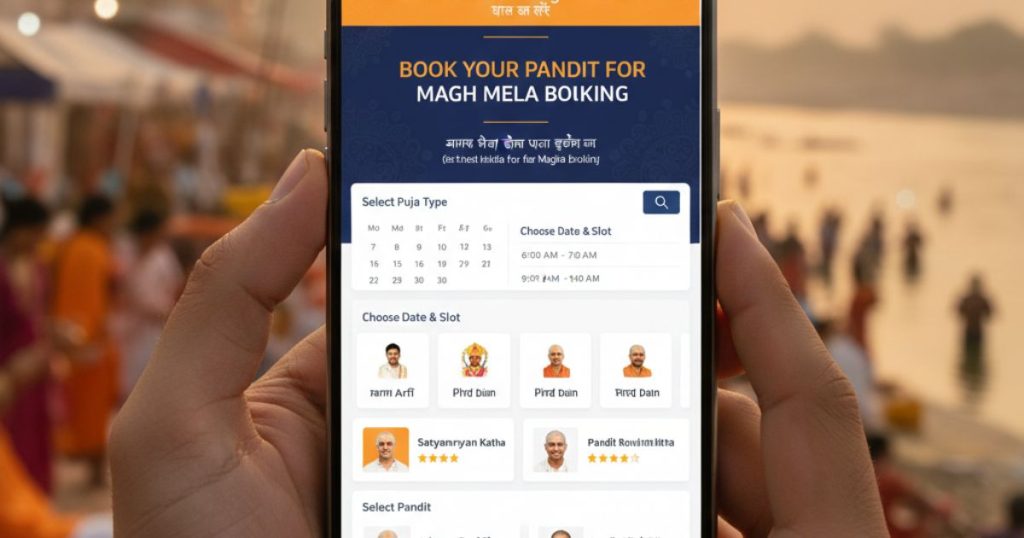
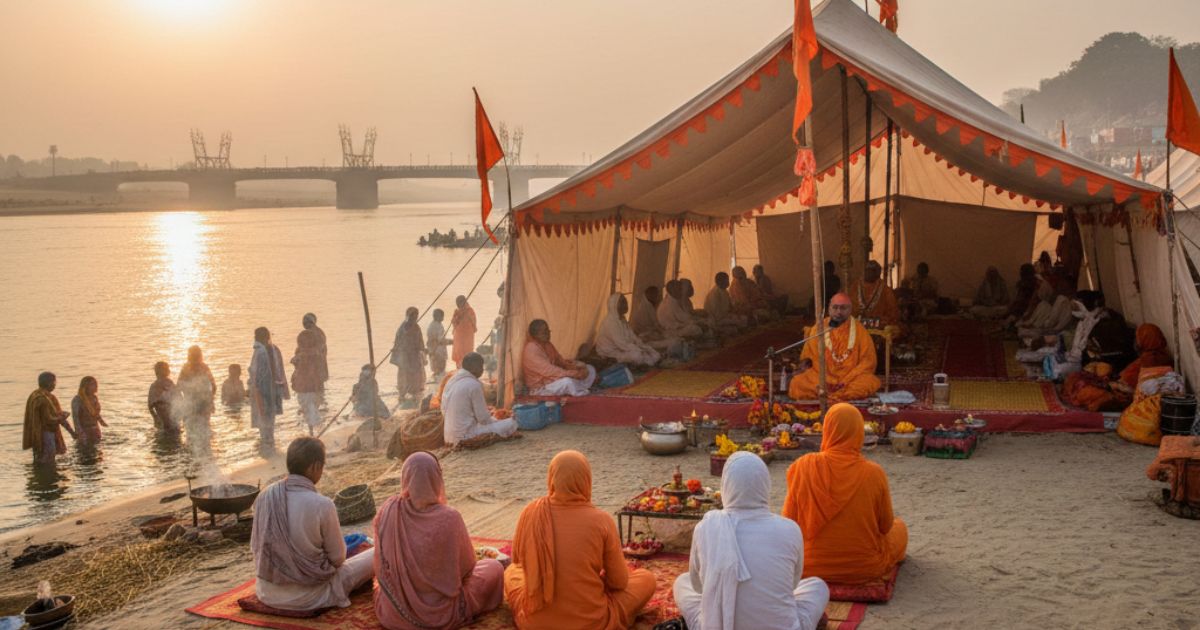
Learn how online puja booking during Magh Mela works, including steps to book trusted pandits, choose rituals, schedule pujas, and enjoy a smooth spiritual experience.
Have you ever stood in an endless queue at a sacred ghat, desperately searching for a qualified pandit while precious bathing hours slip away? If you’ve experienced the chaos of arranging rituals during major pilgrimages, you understand the frustration firsthand. But what if there was a way to secure experienced pandits, plan your pujas in advance, and perform sacred rituals without the stress? Welcome to the digital age of devotion—where Online Puja Booking Magh Mela services are revolutionizing how millions experience this ancient festival. Let’s explore how technology is making spiritual practices more accessible without compromising their sanctity.
Understanding the Traditional Challenges of Magh Mela Rituals
Crowd Management and Pandit Availability
Imagine arriving at Triveni Sangam during Mauni Amavasya—one of the most auspicious bathing dates—with millions of fellow devotees. Now imagine trying to find a knowledgeable pandit to perform your family’s traditional rituals. The reality? You’ll likely encounter dozens of self-proclaimed “pandits” offering services, but how do you verify their credentials or ensure they know your specific regional traditions?
The sheer volume of pilgrims during Magh Mela creates an overwhelming demand for qualified priests. Many devotees either settle for rushed, incomplete rituals or skip important ceremonies altogether simply because they couldn’t find appropriate assistance at the right time.
Language Barriers and Regional Differences
India’s beautiful diversity becomes a practical challenge during Magh Mela. A Tamil-speaking family from Chennai might struggle to communicate their specific puja requirements to a Hindi-speaking pandit from Varanasi. Regional variations in mantras, offerings, and ritual procedures mean that what one family considers essential, another might perform differently.
Without proper communication, misunderstandings occur, leaving devotees uncertain whether their rituals were performed correctly according to their family traditions.
What Is Online Puja Booking Magh Mela?
The Digital Transformation of Sacred Rituals
Online Puja Booking Magh Mela refers to digital platforms that connect devotees with verified, experienced pandits before they even arrive at Prayagraj. Think of it as spiritual planning meets modern convenience—you select your desired rituals, specify your requirements, choose timing, and confirm your booking from the comfort of your home.
This isn’t about replacing devotion with technology; it’s about removing logistical barriers so you can focus entirely on the spiritual aspects of your pilgrimage. The rituals themselves remain completely traditional and authentic—only the booking process has evolved.
Key Benefits of Prayagraj Puja Online Services
Convenience and Time-Saving
Time during Magh Mela is precious. Every hour spent searching for pandits or negotiating prices is an hour not spent in spiritual practice or sacred bathing. Prayagraj puja online services eliminate this wastage entirely.
You book your slot weeks or months in advance, receive confirmation, and simply show up at the designated time and location. Your assigned pandit arrives prepared with all necessary materials, knows exactly what rituals you’ve requested, and executes them efficiently. What might have taken hours of searching and negotiation now requires just a few clicks.
Verified and Qualified Pandits
Reputable online puja platforms thoroughly verify their pandits’ credentials—education from recognized Vedic schools, years of experience, knowledge of multiple regional traditions, and devotee reviews. You’re not gambling on a random encounter; you’re selecting from a curated roster of qualified priests.
Many platforms also match you with pandits who speak your language and understand your specific regional customs, ensuring your family traditions are honored precisely as they should be.
Transparent Pricing
Ever felt uncomfortable negotiating puja fees with a pandit right before the ceremony? Traditional arrangements often involve awkward price discussions, unclear expectations about dakshina (offerings), and uncertainty about what’s included.
Online booking eliminates this discomfort entirely. You see clear pricing upfront—what’s included, what materials are provided, what you need to bring, and the total cost. No surprises, no negotiations, no awkwardness. Just transparent, dignified transactions that respect both devotee and priest.
Customized Ritual Packages
Different families have different spiritual needs. Some want simple Ganga Snan Sankalp (holy bath prayer), while others need elaborate multi-hour ceremonies including Pitru Tarpan (ancestral offerings), special havans, or specific pujas related to their astrological charts.
Magh Mela pandit booking platforms offer customizable packages. You select individual rituals or comprehensive packages, add special prayers, request specific mantras, or even consult with astrologers to determine the most auspicious timing for your ceremonies based on your birth chart.
How Magh Mela Pandit Booking Works Online
Step-by-Step Booking Process
The process couldn’t be simpler:
Browse Available Services: Visit a trusted platform and explore the catalog of available pujas and rituals
Select Your Rituals: Choose from pre-designed packages or customize your own ceremony
Specify Details: Provide information like preferred date, time, number of family members, language preference, and any special requirements
Choose Your Pandit: Some platforms let you view pandit profiles and select based on specialization, reviews, or regional expertise
Make Payment: Complete secure online payment with full pricing transparency
Receive Confirmation: Get detailed confirmation including pandit contact information, meeting location, and what to bring
Pre-Ceremony Consultation: Many services offer phone consultations before Magh Mela so you can discuss any questions with your assigned pandit
Communication with Your Assigned Pandit
Once booked, you typically receive your pandit’s contact number. This allows pre-ceremony communication—clarifying doubts, discussing family-specific traditions, or confirming meeting logistics. This advance connection builds trust and ensures everyone understands expectations before the actual day.
Some devotees even video call their pandits before traveling to Prayagraj, showing family heirlooms or sacred items they plan to use, ensuring the pandit knows how to incorporate them properly into rituals.
Popular Pujas You Can Book Online During Magh Mela
Ganga Snan Sankalp
The ritual declaration before your sacred bath—this involves specific mantras declaring your intention, invoking deities, and seeking blessings for your family. While seemingly simple, proper Sankalp requires knowledge of correct pronunciation and procedure. Pre-booking ensures a qualified pandit guides you through it perfectly.
Pitru Tarpan and Shradh
Many devotees come to Magh Mela specifically to perform ancestral rites at the sacred confluence. These ceremonies require extensive knowledge of lineage prayers, specific offerings, and proper procedures that vary by region and family tradition. Online booking ensures you get a pandit experienced in these complex rituals who can perform them with the dignity your ancestors deserve.
Special Homams and Havans
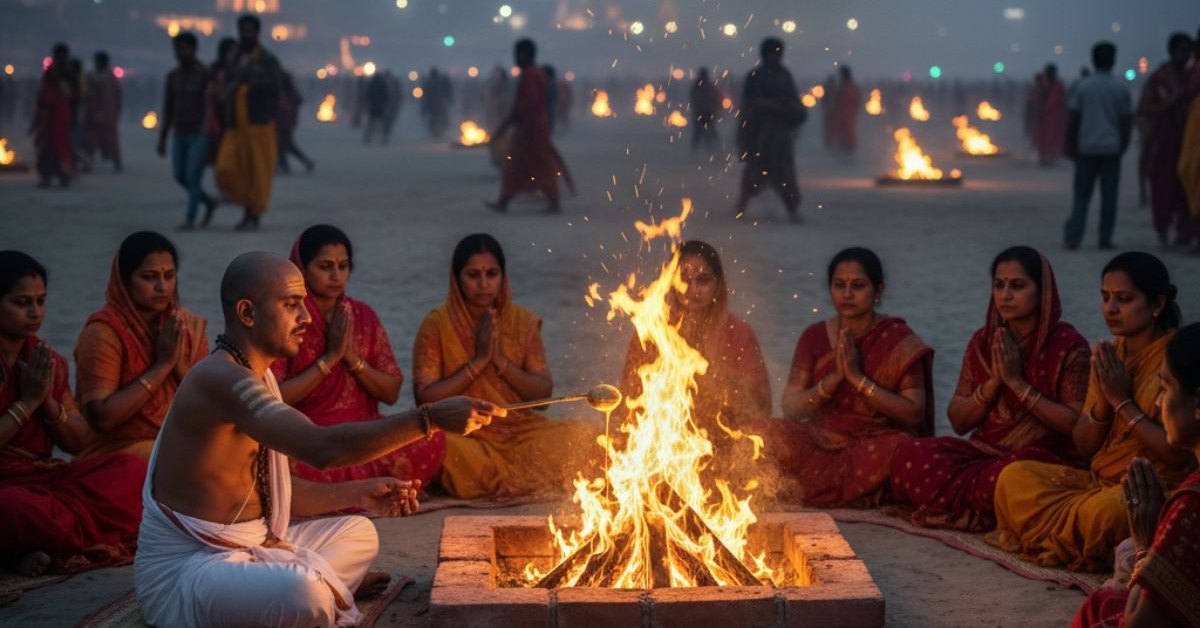
Fire ceremonies for specific blessings—health, prosperity, marriage, childbirth, or removing obstacles—require elaborate preparation and can last several hours. Online booking allows you to schedule these at optimal times (often early morning) with all necessary materials arranged in advance.
Ensuring Authenticity in Online Puja Services
The legitimate concern: does online booking compromise ritual authenticity? The answer is definitively no—if you choose reputable platforms. Quality services maintain strict standards:
Pandits trained in traditional Vedic schools
Adherence to scriptural procedures
Use of authentic materials and ingredients
Proper Sanskrit pronunciation and mantra recitation
Respect for regional variations and family customs
The booking is online; the rituals remain completely traditional. In fact, by ensuring qualified pandits and proper preparation, online booking often increases authenticity compared to random, hasty arrangements made under pressure at crowded ghats.
How AstroInsights.guru Simplifies Your Magh Mela Experience
Looking for a trusted platform that combines spiritual expertise with technological convenience? AstroInsights.guru offers comprehensive Online Puja Booking Magh Mela services designed specifically for devotees seeking hassle-free rituals without compromising tradition.
What sets AstroInsights.guru apart?
Verified Pandit Network: Every pandit undergoes thorough verification of credentials, experience, and devotee feedback. You’re connected only with qualified, experienced priests.
Astrological Consultation: Beyond just booking pandits, AstroInsights.guru offers expert astrological consultations to determine the most auspicious timing for your rituals based on your personal birth chart. This integration of Vedic astrology with ritual planning maximizes spiritual benefits.
Comprehensive Packages: From simple Ganga Snan to elaborate multi-ritual ceremonies, they offer packages for every spiritual need and budget.
Multilingual Support: Their pandits speak multiple languages and understand regional variations, ensuring your family traditions are honored precisely.
Pre-Ceremony Guidance: You’re not just booking a service and showing up blindly. Their team provides detailed guidance on preparation, what to bring, dress codes, and ritual significance, helping you participate meaningfully.
Transparent Pricing: Clear costs with no hidden charges or awkward negotiations.
24/7 Support: Questions before, during, or after your puja? Their support team is always available.
Connect with AstroInsights.guru for your Magh Mela pandit booking:
They also offer additional services like live webinar consultations, horoscope readings, Kundali analysis, Kundali matching, business astrology, and career guidance—helping you approach Magh Mela with complete spiritual preparation.
Tips for Hassle-Free Rituals Through Online Booking
Book Early: Popular dates like Mauni Amavasya fill up months in advance. Book as early as possible, ideally 2-3 months before Magh Mela.
Be Specific: Clearly communicate your family traditions, regional customs, and specific requirements during booking. The more details you provide, the better your pandit can prepare.
Confirm Details: A few days before your ceremony, reconfirm timing, location, and what you need to bring with your assigned pandit.
Prepare Materials: While most services provide ritual materials, some items (like family heirlooms or specific offerings) may be your responsibility. Clarify this beforehand.
Arrive Early: Reach the designated location 15-20 minutes before scheduled time, allowing for crowds and navigation challenges.
Stay Connected: Keep your phone charged and accessible for any last-minute coordination with your pandit.
Ask Questions: Don’t hesitate to ask your pandit to explain ritual significance or procedures—most love sharing knowledge with sincere devotees.
ConclusionOnline Puja Booking During Magh Mela
The sacred traditions of Magh Mela need not be complicated by modern logistical challenges. Online Puja Booking Magh Mela services represent the beautiful convergence of ancient wisdom and contemporary convenience—preserving every aspect of ritual authenticity while eliminating the stress of last-minute arrangements. Whether you’re performing simple Ganga Snan or elaborate multi-day ceremonies, digital booking platforms ensure your spiritual focus remains undisturbed by practical concerns. This Magh Mela, embrace the ease of Prayagraj puja online services and experience hassle-free rituals that honor both your devotion and your time. After all, your pilgrimage should be about spiritual elevation, not logistical frustration—and that’s exactly what online puja booking delivers.
FAQs
1. Is online puja booking as spiritually effective as traditional arrangements?
Absolutely. Online booking only digitizes the arrangement process—the actual rituals remain completely traditional and authentic. In fact, by ensuring qualified pandits and proper preparation, online services often result in more complete and correct ritual performance than hasty, last-minute arrangements made under pressure at crowded locations.
2. Can I request specific regional variations or family customs through online booking?
Yes, reputable platforms specifically ask about your regional traditions and family customs during booking. They match you with pandits experienced in your specific requirements. You can also have pre-ceremony discussions with your assigned pandit to ensure all family-specific variations are properly incorporated.
3. What happens if I need to cancel or reschedule my online puja booking?
Most platforms have clear cancellation and rescheduling policies, typically offering full refunds if cancelled well in advance (usually 7-15 days) and partial refunds for later cancellations. Always review the specific platform’s policy before booking, and try to finalize plans early to avoid last-minute changes.
4. Do I need to provide any materials for online-booked pujas, or is everything included?
This varies by service and ritual type. Most platforms provide all standard puja materials (flowers, incense, offerings, sacred items) as part of the package. However, you may need to bring personal items like family heirlooms, specific clothing, or offerings with personal significance. This is clarified during the booking process.
5. How do I verify that the pandit assigned to me is genuinely qualified?
Reputable platforms display pandit profiles including educational background, years of experience, specializations, and previous devotee reviews. You can review this information when selecting your pandit. Additionally, you receive contact information allowing pre-ceremony discussion, during which you can assess their knowledge and comfort level before the actual ritual.
Explore Basant Panchami 2026, highlighting Saraswati Puja vidhi, spiritual importance, yellow rituals, traditions, and blessings of knowledge, art, and education.
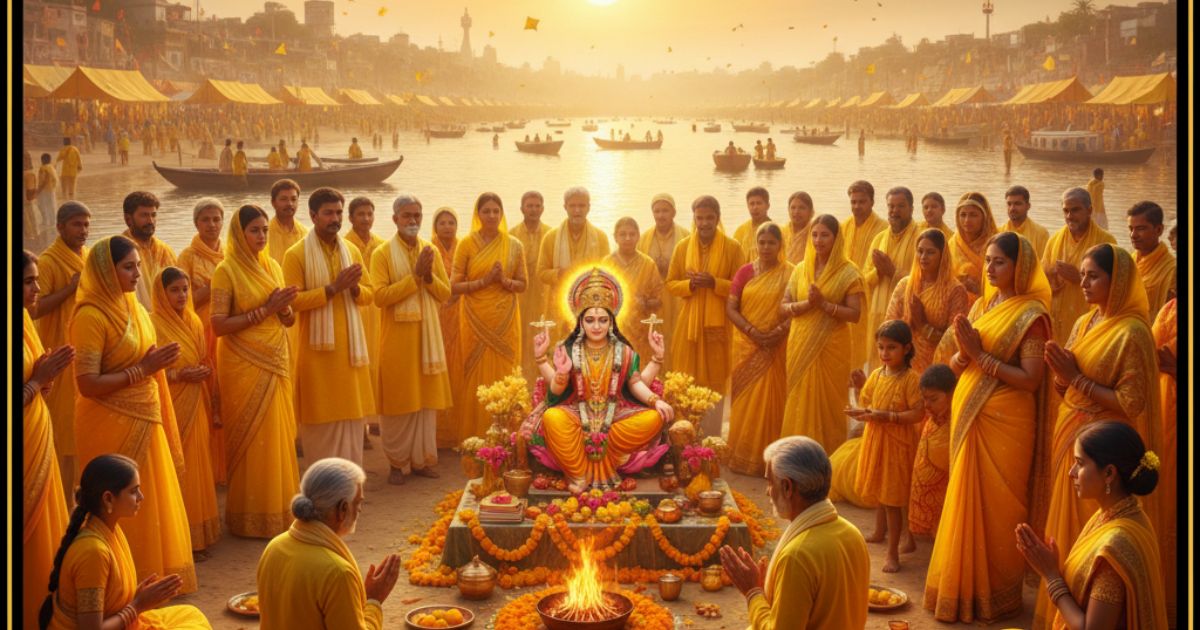
Can you feel it? That subtle shift in the air when winter’s harshness begins melting into spring’s gentle warmth? Basant Panchami 2026 marks this beautiful transition—a festival celebrating not just seasonal change but the awakening of knowledge, creativity, and wisdom. Dedicated to Goddess Saraswati, the embodiment of learning and arts, this sacred day holds special significance for students, artists, musicians, and anyone seeking intellectual or spiritual growth. But there’s more to Basant Panchami than yellow clothes and sweets—it’s a profound spiritual opportunity to invoke divine blessings for wisdom and creative expression. Let’s explore the complete Basant Panchami puja vidhi, understand its deeper significance, and discover how to celebrate this vibrant festival authentically in 2026.
Understanding Basant Panchami 2026 and Its Significance
The Arrival of Spring and Spiritual Awakening
“Basant” means spring, and “Panchami” refers to the fifth day of the lunar month. Basant Panchami thus celebrates the fifth day of the waxing moon in the month of Magha, marking spring’s official arrival in the Hindu calendar. This isn’t merely a meteorological observation—it’s a profound recognition that external seasons mirror internal spiritual cycles.
Just as nature awakens from winter dormancy with new buds, flowers, and life, Basant Panchami represents the awakening of consciousness from ignorance to knowledge. The mustard fields turning golden yellow across North India perfectly symbolize this illumination—darkness giving way to light, cold yielding to warmth, barrenness transforming into abundance.
Think of it as nature’s graduation ceremony, where life itself celebrates learning, growth, and the eternal renewal that knowledge brings.
Connection with Goddess Saraswati
Goddess Saraswati—dressed in pure white, seated on a white lotus, holding a veena (musical instrument) and sacred texts—represents the pure essence of knowledge, music, arts, and wisdom. Unlike material goddesses associated with wealth or power, Saraswati embodies the intangible yet invaluable gifts of learning and creativity.
Basant Panchami 2026 is considered Saraswati’s birthday by some traditions, while others believe she manifested on this day to bring order to creation through the power of sound and language. Either way, this day is supremely auspicious for invoking her blessings, initiating children into formal education, and deepening one’s own pursuit of knowledge.
In a world increasingly valuing information over wisdom, Basant Panchami reminds us that true knowledge isn’t just data accumulation—it’s the illumination that transforms consciousness itself.
Basant Panchami Date and Auspicious Timings in 2026
Exact Date and Panchami Tithi
Basant Panchami 2026 falls on Friday, January 23, 2026. The festival is celebrated on the Panchami Tithi (fifth lunar day) of Shukla Paksha (waxing moon phase) in the Hindu month of Magha.
Panchami Tithi Timings:
Begins: January 22, 2026, at approximately 01:27 AM
Ends: January 23, 2026, at approximately 12:09 AM
According to traditional practice, when Panchami Tithi prevails during the Purvahna Kaal (forenoon), that day is considered most auspicious for Saraswati Puja. Since the tithi covers most of January 23th, this becomes the primary celebration date.
Best Muhurat for Puja
Purvahna Kaal (Morning Period):
Timing: Approximately 6:30 AM to 12:00 PM on January 23, 2026
Significance: This is the golden window for Saraswati Puja 2026
Most Auspicious Time:
Peak Muhurat: Approximately 7:40 AM to 06:00 PM
During these hours, perform the main puja rituals for maximum spiritual benefit
For students planning Akshar Abhyasam (writing initiation ceremony), the Purvahna Kaal on January 23th offers the ideal timing.
Note: These timings are approximate. For precise muhurat calculations based on your specific location and birth chart, consult a qualified astrologer closer to the date.
Basant Panchami Significance in Hindu Tradition
Mythological Origins and Stories
Several beautiful mythological narratives explain Basant Panchami significance:
Creation Story: When Brahma created the universe, he felt something was missing. The world was silent and colorless. He meditated upon the Supreme, and Goddess Saraswati manifested, bringing the gifts of speech, music, knowledge, and the arts. Suddenly, creation came alive with sound, color, and meaning—this transformation occurred on Basant Panchami.
Kamadeva’s Story: Some traditions associate Basant Panchami with Kamadeva (god of love), who attempted to disturb Lord Shiva’s meditation on this day to help Parvati win Shiva’s attention. Though reduced to ashes by Shiva’s third eye, Kamadeva was later restored, symbolizing the power of love and desire channeled toward divine purposes.
Regional Legends: In Bengal, this day commemorates the birth of Shri Chaitanya Mahaprabhu, the great Vaishnava saint. In Punjab, it’s associated with the martyrdom of Hakikat Rai, a young Hindu who refused to convert despite persecution.
North India: Yellow dominates—clothes, food, flowers. Kite flying competitions fill skies. Temples conduct elaborate Saraswati pujas.
Bengal and Eastern India: Schools and colleges organize grand Saraswati Puja celebrations. Books and musical instruments are worshipped. Cultural programs showcase music and dance.
South India: Celebrated as Sri Panchami, focusing on education and learning. Children formally begin writing on this day.
Maharashtra: Known as Shri Panchami or Saraswati Puja, with special focus on yellow clothing and saffron-flavored sweets.
Punjab: Celebrated as Basant with kite flying and special feasts marking spring’s arrival.
Despite regional variations, the core themes remain universal—honoring knowledge, celebrating spring, and seeking Saraswati’s blessings.
Complete Basant Panchami Puja Vidhi
Pre-Puja Preparations
One Day Before:
Clean your puja space thoroughly
Gather all necessary materials (listed below)
Prepare or purchase yellow offerings and prasad
If possible, fast or eat light, sattvic food
Keep books, musical instruments, or study materials ready for worship
Morning of Basant Panchami:
Wake early during Brahma Muhurta (pre-dawn)
Take bath and wear yellow or white clothing
Prepare your puja altar with clean cloth (preferably yellow or white)
Arrange Goddess Saraswati’s image or idol
Light incense to purify the atmosphere
Essential Puja Materials:
Saraswati idol or picture
Yellow cloth for altar
Fresh yellow flowers (marigolds, chrysanthemums)
Incense sticks and dhoop
Camphor and ghee lamp
Fruits (especially bananas)
Sweets (preferably yellow-colored)
Sacred books or scriptures
Musical instruments (if you play any)
Kumkum, turmeric, and sandalwood paste
Rice grains
Water in kalash (sacred pot)
Betel leaves and nuts
Coconut
Step-by-Step Saraswati Puja 2026 Procedure
Step 1: Dhyana (Meditation and Invocation) Begin by sitting quietly before the altar, closing your eyes, and visualizing Goddess Saraswati. Mentally invite her presence into your puja space.
Step 2: Pranayama and Sankalp Perform three deep breaths (pranayama) to center yourself. Then take sankalp—state your name, gotra (if known), location, date, and intention: “I am performing this Saraswati Puja to receive the goddess’s blessings for knowledge, wisdom, and creative expression.”
Step 3: Kalash Sthapana Establish the sacred water pot (kalash) representing divine presence and auspiciousness.
Step 4: Ganesh Puja Always begin by invoking Lord Ganesha to remove obstacles:
Offer flowers and modak
Chant: “Om Gam Ganapataye Namah” (11 times)
Step 5: Saraswati Avahan (Invocation) Formally invite Goddess Saraswati into your puja space:
या कुन्देन्दुतुषारहारधवला या शुभ्रवस्त्रावृता।
या वीणावरदण्डमण्डितकरा या श्वेतपद्मासना॥

Ya Kundendu Tusharahara Dhavala Ya Shubhravastravrta।
Ya Vina Varadanda Manditakara Ya Shwetapadmasana॥
Step 6: Shodashopachara Puja (16-Step Worship) Offer the traditional 16 offerings:
Dhyana (meditation)
Avahana (invocation)
Asana (offering seat)
Padya (washing feet)
Arghya (offering water)
Achamana (offering water to drink)
Snana (ritual bath with water/milk)
Vastra (offering cloth—yellow or white)
Yajnopavita (sacred thread)
Gandha (sandalwood paste)
Pushpa (flowers—especially yellow)
Dhupa (incense)
Deepa (lamp)
Naivedya (food offerings)
Tambula (betel leaves)
Namaskara (prostration)
Step 7: Book and Instrument Worship Place your books, notebooks, musical instruments, pens, or tools of learning at Saraswati’s feet. Don’t study or use these items on Basant Panchami—this is their rest day, their own puja day.
Step 8: Mantra Chanting Recite Saraswati mantras (detailed in next section) with devotion—minimum 108 times using mala beads.
Step 9: Aarti Perform aarti with ghee lamp, moving it in circular clockwise motion while singing Saraswati aarti.
Step 10: Pushpanjali Offer flowers to the goddess while reciting:
Om Aim Saraswatyai Namah
Step 11: Prasad Distribution Offer prepared prasad (yellow sweet rice, kesari, or other sweets) to the goddess, then distribute among family members and share with neighbors.
Step 12: Visarjan (Conclusion) Thank Goddess Saraswati for her presence and blessings, requesting her to remain in your heart always.
Essential Mantras and Prayers
Saraswati Beej Mantra:
ॐ ऐं सरस्वत्यै नमः
Om Aim Saraswatyai Namah
(Chant 108 times for knowledge and wisdom)
Saraswati Gayatri Mantra:
ॐ वाग्देव्यै च विद्महे कामराजाय धीमहि।
तन्नो देवी प्रचोदयात्॥

Om Vagdevyai Cha Vidmahe Kamarajaya Dhimahi।
Tanno Devi Prachodayat॥
Saraswati Vandana:
सरस्वति नमस्तुभ्यं वरदे कामरूपिणि।
विद्यारम्भं करिष्यामि सिद्धिर्भवतु मे सदा॥

Saraswati Namastubhyam Varade Kamarupini।
Vidyarambham Karishyami Siddhirbhavatu Me Sada॥
Medha Suktam (for those seeking deeper practice): A powerful Vedic hymn invoking intelligence, memory, and intellectual brilliance.
Chant any or all of these mantras with sincerity and devotion for maximum benefit.
The Sacred Yellow Color Tradition
Symbolism of Yellow in Basant Panchami
Yellow isn’t just a color choice—it’s deeply symbolic. In Hindu tradition, yellow represents:
Knowledge and Learning: Like golden sunlight dispelling darkness, knowledge illuminates ignorance
Spring and Vitality: Mustard fields blooming yellow announce spring’s arrival
Auspiciousness: Yellow is considered highly auspicious and prosperity-attracting
Goddess Saraswati’s Association: While Saraswati wears white (purity), her devotees wear yellow (knowledge-seeking)
Solar Energy: Yellow connects to solar energies—vitality, clarity, and life force
Wearing yellow on Basant Panchami 2026 isn’t superstition—it’s intentional participation in the festival’s energetic signature.
Yellow Foods and Offerings
Traditional yellow foods for Basant Panchami include:
Kesar Bhaat (Sweet Yellow Rice): Rice cooked with saffron, sugar, and ghee Kesari or Sheera: Semolina pudding colored with saffron Boondi Ladoo: Yellow sweet balls made from gram flour Mango-based dishes: Any preparation highlighting yellow color Yellow Dal: Lentils prepared festively Pineapple and Bananas: Natural yellow fruits as offerings
The idea is celebrating abundance, sweetness, and the golden quality of refined consciousness.
Yellow Clothing and Decoration
What to Wear:
Traditional yellow sarees, salwar-kameez, or kurtas
Yellow accessories—dupattas, turbans, scarves
If full yellow feels excessive, incorporate yellow significantly in your outfit
Home Decoration:
Yellow flowers everywhere—marigolds especially
Yellow rangoli designs at entrance
Yellow cloth on puja altar
Mango leaves on doorways (traditional and auspicious)
Creating this yellow environment isn’t mere aesthetics—it’s creating an energetic field aligned with the festival’s spiritual frequency.
Special Rituals for Students and Knowledge Seekers
Akshar Abhyasam (Learning Initiation for Children)
Basant Panchami 2026 is the most auspicious day for formally initiating children into the world of learning through Akshar Abhyasam or Vidya Arambham.
Procedure:
After Saraswati Puja, bring the child before the altar
Place rice grains or flour in a tray
Guide the child’s hand to write “Om” or their first letters
Can also be done on a slate, notebook, or even tongue using honey (symbolically)
Seek Saraswati’s blessings for the child’s educational journey
This ceremony is believed to ensure smooth learning, good memory, and academic success throughout life.
Book and Instrument Worship
For students and professionals:
What to Do:
Gather all books, notebooks, laptops, musical instruments, art supplies—any tools of learning
Clean them respectfully
Place them at Saraswati’s feet during puja
Don’t use them on Basant Panchami (give them rest)
Resume studies the following day with renewed energy
This practice acknowledges that knowledge doesn’t reside in you alone but in the tools and sources through which you access it. Showing respect to these tools invites Saraswati’s continued blessings.
Basant Panchami at Prayagraj During Magh Mela
Enhanced Spiritual Significance at Sangam
When Basant Panchami falls during Magh Mela at Prayagraj (as it does in 2026), the spiritual power multiplies exponentially. This confluence of auspicious festival and sacred location creates extraordinary opportunities:
Sacred Bath at Sangam: Taking your holy dip at Triveni Sangam on Basant Panchami combines purification with knowledge-seeking. Many pilgrims specifically time their Magh Mela visit to coincide with this day.
Collective Saraswati Puja: Numerous ashrams and spiritual organizations conduct grand Saraswati Pujas at Prayagraj. Participating in these collective celebrations amplifies individual benefits.
Educational Blessings: Students traveling to Prayagraj for Magh Mela often prioritize Basant Panchami for special prayers regarding their studies and examinations.
If you’re planning to be at Prayagraj during Magh Mela, don’t miss celebrating Basant Panchami at this supremely sacred location.
Traditional Foods and Prasad for Basant Panchami
Sweet Yellow Rice (Kesar Bhaat)
The signature prasad for Basant Panchami:
Ingredients:
1 cup rice
2 cups milk
1/2 cup sugar
Few strands of saffron
Ghee
Dry fruits (cashews, raisins, almonds)
Cardamom powder
Preparation:
Soak saffron in warm milk
Cook rice until soft
Add saffron milk, sugar, cardamom
Fry dry fruits in ghee and add
Mix well and offer to Goddess Saraswati
Regional Delicacies
Bengal: Khichuri (savory rice and lentil dish) and sweet mishti doi Punjab: Makki di roti and sarson da saag (though not yellow, traditional for Basant) Maharashtra: Puran poli and kesari bhaat South India: Kesari or sweet semolina pudding
Each region adds its unique flavor while maintaining the yellow theme and spirit of celebration.
Do’s and Don’ts on Basant Panchami
DO:
Wake early and maintain devotional mindset
Wear yellow or white clothing
Perform Saraswati Puja with complete procedures
Worship your books and learning tools
Initiate children into formal education (Akshar Abhyasam)
Donate to educational institutions or support students’ education
Fly kites (traditional in many regions)
Share yellow sweets with neighbors
Begin new learning endeavors (courses, skills, instruments)
Maintain cleanliness and purity
DON’T:
Use your books or study materials on this day (it’s their puja day)
Consume non-vegetarian food or alcohol
Engage in negative speech or actions (Saraswati is goddess of pure speech)
Skip the puja if you’re a student or knowledge seeker
Ignore charitable opportunities related to education
Forget to express gratitude for knowledge received
Basant Panchami 2026 offers a beautiful opportunity to honor the divine feminine principle of knowledge and creativity. Whether you’re a student seeking academic success, an artist invoking creative inspiration, a professional pursuing excellence, or simply a sincere devotee honoring Goddess Saraswati, this festival welcomes all who value learning and wisdom. The complete Basant Panchami puja vidhi isn’t complex, but when performed with devotion and understanding, it opens doors to intellectual and spiritual growth that extend far beyond January 23th. As you wear yellow, prepare saffron-scented prasad, worship your books, and chant Saraswati mantras, remember—you’re not just following tradition but participating in an ancient practice that has inspired countless scholars, artists, and seekers for millennia. May Basant Panchami significance illuminate your consciousness, may Goddess Saraswati bless your pursuit of knowledge, and may this beautiful spring festival mark the beginning of your most inspired and enlightened year yet.
FAQs
1. Can I perform Saraswati Puja if I’m not a student or don’t work in education/arts fields?
Absolutely! Saraswati governs all forms of knowledge—not just academic. Financial knowledge, parenting wisdom, spiritual understanding, technical skills, life experience—all fall under her domain. Anyone seeking clarity, wisdom, or better decision-making benefits from Saraswati’s blessings. The puja is universal, not limited to students or artists.
2. Is it necessary to wear only yellow, or can I incorporate other colors on Basant Panchami?
While yellow is traditional and recommended, it’s not absolutely mandatory. If yellow doesn’t suit you or isn’t available, white (Saraswati’s color) is perfectly acceptable. Even incorporating significant yellow elements—dupatta, accessories, flowers—honors the tradition. Devotion matters more than perfect color coordination.
3. Why shouldn’t we study or use books on Basant Panchami if it’s dedicated to the goddess of learning?
Think of it as giving your tools of learning their own worship day. Throughout the year, books serve you—on Basant Panchami, you serve them by offering rest and worship. This practice cultivates gratitude and acknowledges that knowledge comes through instruments that deserve respect. Resume studies the next day with renewed energy and blessings.
4. Can Akshar Abhyasam be performed for children of any age, or is there an ideal age?
Traditionally, Akshar Abhyasam is performed when a child is between 3-5 years old—old enough to hold a writing instrument with guidance but young enough to be formally initiated into learning. However, there’s flexibility. Some families perform it earlier as a blessing ceremony, others wait until formal schooling begins. The key is the child’s developmental readiness and family tradition.
5. What’s the connection between Basant Panchami and kite flying, especially in North India?
Kite flying on Basant Panchami celebrates spring’s arrival and the shift toward longer, brighter days. Kites soaring high symbolize aspirations, freedom, and reaching toward higher consciousness. The activity also brings communities together outdoors after winter confinement. While not directly religious, it’s a joyful cultural expression of the festival’s themes—elevation, brightness, and celebration of life’s renewal.
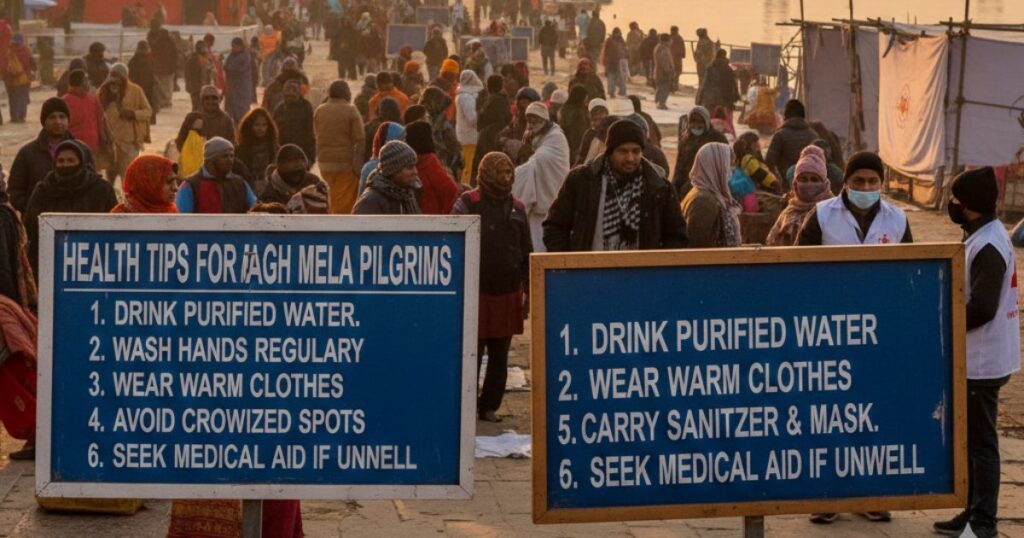
Discover essential health tips for Magh Mela pilgrims, including hygiene care, cold protection, hydration, medical preparedness, and wellness practices for a safe journey.
Embarking on a spiritual journey to Magh Mela is a profound experience, but have you considered that maintaining your physical health is essential to fully enjoying the spiritual benefits? While divine grace protects sincere pilgrims, practical health wisdom ensures your devotion isn’t derailed by preventable illness or injury. After all, as the ancient Sanskrit saying goes, “sharira madhyam khalu dharma sadhanam”—the body is the primary instrument for spiritual practice.
Every year, millions converge at Prayagraj’s sacred Sangam during the cold month of Magh (January-February), creating unique health challenges. The combination of winter cold, massive crowds, basic living conditions, and sacred cold-water bathing demands careful health preparation. Understanding essential health tips for Magh Mela pilgrims transforms your journey from a potential health ordeal into a safe, comfortable spiritual experience.
This comprehensive health guide addresses every aspect of pilgrim wellness—from pre-departure medical preparations to managing cold weather, from food safety to crowd-related concerns, from water safety during sacred bathing to post-pilgrimage recovery. Whether you’re a first-time visitor or a seasoned Kalpavasi, these practical health strategies help protect your wellbeing while allowing complete spiritual immersion.
Remember, taking care of your health isn’t lack of faith—it’s practical wisdom that honors the precious body through which you experience the sacred. Let’s explore how to stay healthy while seeking the divine at Magh Mela!
Pre-Pilgrimage Health Preparations
Proper health preparation prevents most medical problems at Magh Mela.
Medical Checkup Requirements
Schedule a comprehensive medical examination 6-8 weeks before departure. Discuss your Magh Mela plans openly with your physician, addressing:
Essential health assessments:
Cardiovascular fitness evaluation (cold water immersion stresses the heart)
Respiratory health check (cold air and crowd exposure)
Diabetic control assessment if applicable
Blood pressure monitoring and management
General immune system status
Bone and joint health (sleeping on hard surfaces)
Request written medical clearance, especially if you have existing health conditions. Some doctors provide emergency contact numbers for consultations during your trip—a valuable safety net.
Specific concerns requiring medical approval:
Heart disease or history of cardiac events
Chronic respiratory conditions (asthma, COPD)
Diabetes (insulin or medication-dependent)
Recent surgeries or ongoing treatments
Pregnancy (any trimester)
Severe arthritis or mobility limitations
Immunocompromised conditions
Essential Vaccinations
Protect yourself through appropriate vaccinations completed at least 2-4 weeks before travel:
Strongly recommended:
Influenza vaccine: January is peak flu season; crowds increase transmission risk
Tetanus booster: If not current within 10 years
Hepatitis A: Protection against food/waterborne disease
Typhoid vaccine: Oral or injection form
Consider depending on health status:
Hepatitis B: If staying extended period
Pneumonia vaccine: Especially for seniors and those with respiratory issues
COVID-19 booster: If eligible and available
Keep vaccination records with you during the pilgrimage as documentation.
Medication Planning
Organize all medications meticulously:
Quantity: Carry double the amount you think you’ll need—travel delays happen frequently, and replacement might be impossible at the mela.
Organization: Use clearly labeled containers with:
Both generic and brand names written
Detailed dosage instructions
Complete prescription copies
Doctor’s contact information
Emergency alternative medications if primary ones aren’t available
Storage: Keep medications in carry-on luggage, never checked baggage. Use waterproof containers—humidity and accidental water exposure are constant risks at Magh Mela.
Essential medications to carry:
All prescription medications (double supply)
Pain relievers (paracetamol, ibuprofen)
Anti-diarrheal medication
Antibiotic ointment
Antacid/digestive aids
Oral rehydration salts (ORS packets)
Antihistamines for allergies
Any condition-specific emergency medications
Cold Weather Protection Strategies
January’s harsh cold, especially during pre-dawn bathing, presents significant health challenges.
Preventing Hypothermia
Hypothermia—dangerous lowering of body core temperature—is a real risk during cold-water immersion in winter conditions.
Warning signs (recognize immediately):
Uncontrollable shivering
Confusion or slurred speech
Drowsiness or exhaustion
Weak pulse
Shallow breathing
Loss of coordination
Unusual behavior or irritability
Prevention strategies:
Limit water exposure time: 3-5 minutes maximum for sacred bath
Exit immediately if shivering becomes violent
Have warm, dry clothes ready at the water’s edge
Change immediately after bathing—never stay in wet clothes
Drink warm liquids (not scalding hot) after bathing
Move briskly to generate body heat through activity
Never bathe alone—have companions watching for distress signs
Proper Clothing Layers
Dress in strategic layers allowing flexibility:
Base layer (closest to skin):
Thermal underwear that wicks moisture away from skin
Avoid cotton directly on skin—it holds moisture
Middle layer (insulation):
Fleece or wool for warmth
Multiple thinner layers work better than one thick layer
Outer layer (wind/water protection):
Windproof jacket or thick shawl
Water-resistant if possible
Protect extremities (maximum heat loss areas):
Head: Warm wool cap or thick scarf (30% of body heat lost through head)
Hands: Gloves or mittens (mittens warmer than gloves)
Feet: Wool socks (carry multiple pairs) and proper closed footwear
Neck: Scarf protecting throat and neck
Pro tip: Carry extra dry socks—wet feet in cold weather invite serious health problems and significantly reduce overall body warmth.
Post-Bath Warming Techniques
After your sacred bath, warm up systematically:
Remove wet clothes immediately—every second in wet clothes continues heat loss
Dry thoroughly with a towel before dressing
Put on completely dry clothes (never damp)
Cover head immediately
Drink warm (not hot) beverages—ginger tea is excellent
Move around actively—walking, light exercises generate internal heat
Avoid sitting still until fully warm
Eat something—digestion generates body heat
Warning: Never drink alcohol to “warm up”—it actually increases heat loss by dilating blood vessels.
Water Safety and Bathing Precautions
The sacred bath is central to Magh Mela, but water safety cannot be ignored.
Understanding Currents
Triveni Sangam has varying water currents depending on season, rainfall, and exact location. The confluence point where three rivers meet creates swirling currents that can be unexpectedly strong.
Safety rules:
Bathe only in designated areas marked by authorities
Never venture into deep water or away from the main crowd
If you can’t swim, stay in shallow areas near the ghat
Respect all warning flags—red flags indicate dangerous conditions
Ask locals about current conditions before entering
The Ganga’s current can be deceptively powerful—calm surface appearance may hide strong underwater flows.
Safe Entry and Exit
Stone steps (ghats) leading to water become extremely slippery when wet, especially in darkness.
Prevention strategies:
Wear footwear with good grip until water’s edge
Use handrails wherever available
Take small, careful steps
Help elderly or children navigate safely
Never rush even if crowds are pushing
Face the ghat when ascending (don’t walk backward)
More accidents occur on slippery ghats than in the water itself!
Maintain perspective—temporary discomfort for eternal benefit
Signs of excessive stress:
Irritability and anger
Inability to sleep despite exhaustion
Loss of appetite
Withdrawal from spiritual activities
Physical symptoms (headaches, stomach issues)
Panic feelings
If experiencing severe stress or anxiety, don’t hesitate to seek support or even cut your trip short if necessary.
Emergency Medical Services
Know before you need:
Magh Mela medical infrastructure:
Multiple medical camps throughout grounds
Mobile ambulances
First-aid stations at regular intervals
Hospitals on standby in Prayagraj city
Helpline numbers (save in phone AND write down)
Emergency preparation:
Know location of nearest medical facility to your camp
Save emergency numbers before arrival
Carry cash for emergency medical expenses
Keep insurance information accessible (if applicable)
Inform someone of medical conditions and emergency contacts
When to seek immediate medical help:
Chest pain or breathing difficulty
Severe bleeding or injury
High fever with confusion
Suspected fractures
Severe allergic reaction
Uncontrollable vomiting/diarrhea
Loss of consciousness
Severe hypothermia symptoms
Sleep and Rest Requirements
Don’t underestimate sleep importance:
Why adequate sleep matters:
Strengthens immune system
Supports emotional regulation
Enhances spiritual receptivity
Improves safety awareness
Speeds recovery from daily exertion
Sleep strategies in basic conditions:
Use earplugs (camps are noisy)
Eye mask helps block light
Bring comfortable pillow or makeshift alternative
Layer sufficient bedding for warmth
Maintain consistent sleep schedule despite early wake times
Take brief rest periods during day if nighttime sleep insufficient
Minimum recommendations:
6-8 hours nightly (though 4 AM waking limits this)
Compensate with afternoon rest
Don’t sacrifice sleep for non-essential activities
Crowd-Related Health Concerns
Managing health in massive crowds:
Physical safety in crowds:
Link arms with group members
Protect vulnerable from crushing
If you fall, curl into ball protecting head and chest
Move with crowd flow, don’t fight against it
Avoid suffocating crush by moving to edges
Disease transmission:
Maintain hand hygiene
Avoid touching face
Cough/sneeze into elbow
Wear mask in very dense crowds
Keep distance when feasible
Panic and claustrophobia:
Practice deep breathing
Focus on spiritual purpose
Move steadily toward less dense areas
Don’t attempt crowd navigation during panic attack
Post-Pilgrimage Health Care
After returning home:
Immediate actions:
Wash all clothes thoroughly
Rest adequately—you’re likely exhausted
Return to normal diet gradually
Continue medications if illness developed
Rehydrate fully
Monitor for delayed health issues:
Respiratory infections (may appear days later)
Digestive issues
Skin conditions
Joint pain
Fatigue
When to see doctor:
Persistent fever
Continuing diarrhea
Worsening cough
Unusual fatigue
Any concerning symptoms
Astrological health consultation:
For personalized health guidance based on your birth chart—identifying vulnerabilities, optimal timing, and protective practices—AstroInsights.guru provides comprehensive consultations integrating health astrology with practical medical wisdom.
These comprehensive health tips for Magh Mela pilgrims empower you to approach this sacred journey with both spiritual devotion and practical wisdom. Remember, protecting your health isn’t lack of faith—it’s honoring the precious body that allows you to experience the divine. By preparing thoroughly, staying vigilant, and following these guidelines, you protect the sacred opportunity Magh Mela represents.
Your physical wellbeing directly serves your spiritual goals. A healthy body creates the stable foundation for deep spiritual practice, while illness distracts and derails. May these health strategies support your journey toward the sacred, allowing your pilgrimage to become the transformative blessing it’s meant to be. Stay healthy, stay safe, and may your Magh Mela experience bring profound spiritual awakening alongside physical wellness!
FAQs About Magh Mela Health
1. What’s the single most important health precaution for Magh Mela?
If forced to choose only one critical health precaution, it would be managing body temperature and hydration simultaneously. This dual focus prevents the most common serious medical emergencies. Dehydration occurs quickly in cold weather because people don’t feel thirsty, reduce drinking to avoid bathroom trips, and lose fluids through breathing dry air. Combine this with cold-water immersion forcing the body to burn calories maintaining temperature, and you have conditions ripe for health crisis. Carry water constantly, drink regularly even without thirst, never stay in cold water longer than necessary, and change into dry warm clothes immediately after bathing. More medical emergencies result from hypothermia and dehydration combined than all other causes. Everything else—food safety, crowd management—while important, ranks secondary to these fundamental bodily needs. Protect your core temperature and hydration status, and you’ve prevented the majority of potential problems.
2. Is it safe for people with heart conditions or diabetes to participate in cold-water bathing?
This requires individual medical consultation, not generic advice. Cold-water immersion creates significant cardiovascular stress—blood vessels constrict, heart rate increases, blood pressure rises. For healthy individuals this is manageable; for those with heart disease, it can trigger dangerous cardiac events. Diabetics face challenges with temperature regulation, increased infection risk, and medication management. However, many people with these conditions successfully participate with proper precautions: explicit medical clearance before travel, bathing during warmer afternoon hours rather than frigid pre-dawn, taking very brief dips rather than extended immersion, having informed companions watching for warning signs, and keeping emergency medications accessible. Some doctors recommend high-risk individuals perform symbolic bathing—sitting at water’s edge splashing sacred water rather than full immersion—providing spiritual benefits without medical risk. Consult both your specialist AND consider astrological timing consultation with AstroInsights.guru to identify whether this year’s planetary transits support your health.
3. How can I protect myself from getting sick when hygiene facilities are basic?
Basic hygiene in crowded conditions requires creative strategies. Hand hygiene is absolutely critical—carry multiple bottles of hand sanitizer and use liberally, especially before eating. Baby wipes are invaluable for cleaning when water isn’t available. Regarding toilets, they’ll be basic at best—carry your own toilet paper, use facilities during off-peak hours when cleaner, and consider adult hygiene wipes. For bathing beyond the sacred dip, lower expectations temporarily and use large water bottles for basic washing at camp. Protect feet by wearing sandals even inside tents and never walking barefoot in common areas where fungal infections spread. Change clothes daily, especially undergarments, and use antibacterial soap. Keep separate bags for dirty clothes preventing cross-contamination. Accept temporary reduced cleanliness—this simplicity is actually part of spiritual practice! However, maintain basic hygiene protecting health. The key is balancing acceptance of basic conditions with non-negotiable practices (hand washing, foot protection) that prevent illness.
4. What should I do if I’m separated from my group and feel unwell in massive crowds?
This frightening scenario requires preparation and calm response. Before entering crowds: inform group members of any health conditions, medications, and allergies; establish designated meeting points; exchange phone numbers written on paper in multiple pockets; wear visible identification with emergency contacts. If separated while feeling unwell: move immediately toward crowd edges rather than staying in dense center; find any security personnel or volunteers (identifiable by uniforms/badges); inform them of your health issue—they’re trained to assist; if possible, call group members or emergency services; seek nearest medical tent or first-aid station (located throughout mela grounds); if symptoms are severe (chest pain, breathing difficulty, severe dizziness), don’t hesitate to create a scene calling for help—people will assist; sit or lie down if feeling faint—falling in crowds is extremely dangerous. For chronic conditions: wear medical alert bracelet or necklace with condition and emergency contacts; carry emergency medications in multiple pockets (not just one bag); inform multiple group members about condition management. The combination of massive crowds and health crisis creates genuine emergency—preparation and quick response are essential.
5. Are there astrological considerations for timing my visit to minimize health risks?
Absolutely! Vedic astrology provides remarkably precise insights into health vulnerability and resilience periods. Key astrological factors affecting health during pilgrimage: If you’re in challenging Saturn, Mars, or Rahu dasha (planetary period), physical resilience may be lower—consider extra precautions or possibly waiting for more supportive dasha. Your Moon sign and its current transits affect emotional resilience and immune function—stress suppresses immunity. Strong 6th house transits (the house of disease) suggest vulnerability to illness during that period. Optimal timing indicators: When Jupiter (health and protection) is favorably placed in your chart, natural vitality supports handling mela challenges. When benefic planets transit your ascendant or Moon sign, protective grace flows. Certain nakshatras strengthen immunity and vitality while others create vulnerability—bathing when Moon transits favorable healing nakshatras enhances both spiritual benefits and physical resilience. This doesn’t necessarily mean avoiding Magh Mela during challenging periods (sometimes those are precisely when divine grace is most needed), but rather adjusting your approach: shorter stay, better accommodation, extra health precautions. AstroInsights.guru specializes in this health astrology intersection with pilgrimage planning, identifying not just spiritually optimal timing but also periods when your physical constitution can best handle rigors versus when extra care is needed.
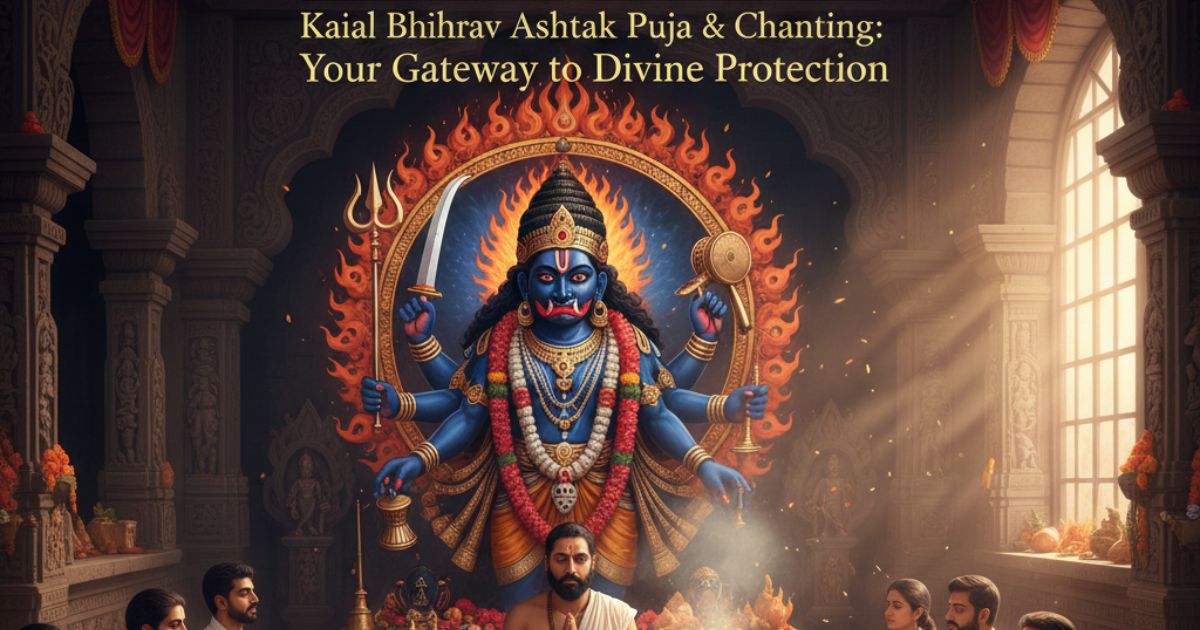
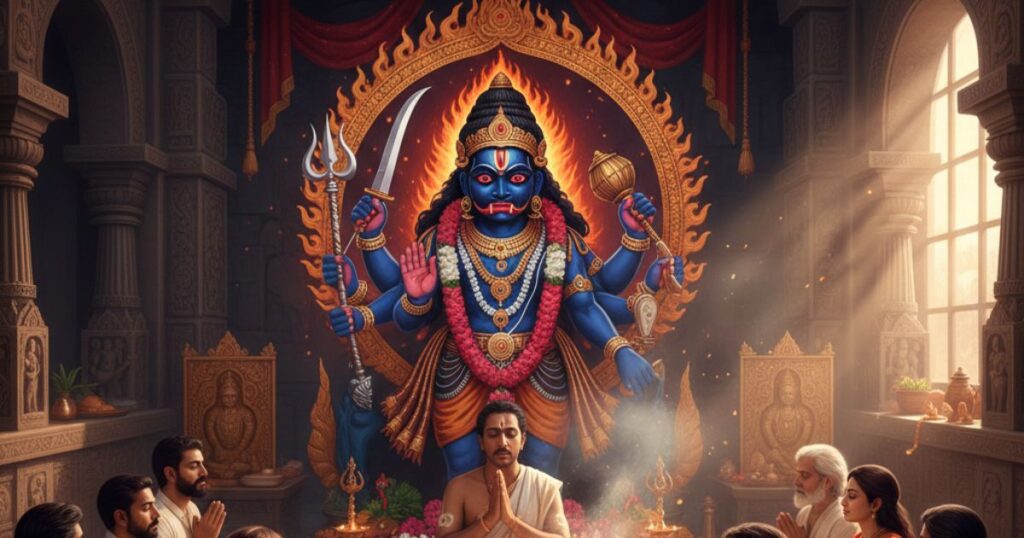
Experience the benefits of Kaal Bhairav Ashtak Puja & Chanting, offering divine protection, fearlessness, spiritual strength, and blessings that safeguard devotees from negativity.
Have you ever felt like invisible forces are holding you back from success? Or perhaps you’re searching for that divine shield to protect you from life’s uncertainties? Enter the powerful world of Kaal Bhairav Ashtak – an ancient Vedic practice that’s been transforming lives for centuries. Whether you’re battling inner fears or external obstacles, this sacred puja and chanting practice offers a spiritual solution that’s both profound and practical.
Understanding Kaal Bhairav – The Fierce Guardian
Lord Kaal Bhairav isn’t your typical deity draped in silk and flowers. He’s fierce, formidable, and fiercely protective. As a manifestation of Lord Shiva, Kaal Bhairav represents time itself (Kaal means time, Bhairav means fierce). Think of him as the ultimate security guard of the cosmos – the one who destroys negativity and guards the faithful from harm.
In Hindu mythology, Kaal Bhairav is considered the guardian of temples and sacred spaces. His dark complexion, garland of skulls, and companion dog might seem intimidating, but they symbolize the destruction of ego, fear, and ignorance. When you invoke Kaal Bhairav through the kaal bhairav ashtak, you’re essentially calling upon universal protection and the courage to face life’s darkest moments.
What is Kaal Bhairav Ashtak?
The word “Ashtak” means eight in Sanskrit. So, Kaal Bhairav Ashtak is a collection of eight powerful verses dedicated to Lord Kaal Bhairav. Composed by the great philosopher Adi Shankaracharya, these verses aren’t just poetry – they’re potent mantras that carry vibrational energy capable of transforming your spiritual and material life.
The Eight Verses of Divine Power
Each verse of the kaal bhairav ashtak describes different aspects of Lord Kaal Bhairav’s divine form and powers. From his ornaments made of serpents to his ability to grant liberation (moksha), every line is packed with spiritual significance. When chanted with devotion, these verses create a protective energy field around the devotee, warding off negative influences and bringing clarity to confused minds.
The beauty of this ashtak lies in its simplicity and power. You don’t need to be a Sanskrit scholar to benefit from it – pure devotion and consistent practice are what matter most.
Benefits of Kaal Bhairav Ashtak Puja
Why should you consider incorporating this ancient practice into your spiritual routine? The benefits are both immediate and long-lasting.
Spiritual Protection and Fear Removal
Fear is perhaps humanity’s greatest enemy. It paralyzes us, prevents growth, and keeps us trapped in cycles of anxiety. The kaal bhairav ashtak puja is renowned for its ability to remove deep-seated fears – whether they’re related to death, failure, or the unknown. Devotees report feeling an immediate sense of courage and protection after performing this puja.
It’s like having a spiritual bodyguard who’s always on duty. Lord Kaal Bhairav destroys negative energies before they can even touch you. Many practitioners experience relief from nightmares, paranormal disturbances, and unexplained anxieties.
Overcoming Obstacles and Enemies
Life throws curveballs – difficult colleagues, business competitors, legal troubles, or just plain bad luck. Kaal Bhairav is specifically known for removing obstacles (vighna) and neutralizing enemies (both seen and unseen). This doesn’t mean harm comes to others; rather, their negative intentions simply fail to affect you.
Additionally, this puja is highly recommended for those facing court cases, property disputes, or any situation involving conflict. The divine intervention of Kaal Bhairav often brings unexpected resolutions and favorable outcomes.
How to Perform Kaal Bhairav Ashtak Puja
Ready to invite this divine protection into your life? Here’s how you can perform the puja correctly.
Preparation and Rituals
First, cleanliness is paramount – both physical and mental. Take a bath, wear clean clothes (preferably black or dark colors, which are associated with Kaal Bhairav), and ensure your puja space is clean and quiet.
You’ll need a picture or idol of Kaal Bhairav, incense sticks, a diya (oil lamp), flowers (especially blue or black flowers), and offerings like coconut, jaggery, and black sesame seeds. Some devotees also offer alcohol and meat, though this is optional and depends on local traditions.
Begin with prayers to Lord Ganesha to remove obstacles from your puja itself. Then, invoke Lord Kaal Bhairav with complete devotion. Light the diya and incense, offer flowers, and begin chanting the kaal bhairav ashtak. Ideally, chant it 108 times for maximum benefit, though even a single heartfelt recitation can be powerful.
The Right Time and Day for the Puja
Timing matters in Vedic practices. Sunday is considered the most auspicious day for Kaal Bhairav worship, as he’s closely associated with Lord Shiva. Additionally, the eighth day (Ashtami) of any lunar fortnight is particularly powerful.
The best time for chanting is during the early morning hours (Brahma Muhurta, approximately 4-6 AM) or at midnight. These times have special spiritual significance and amplify the effects of your prayers.
Chanting Kaal Bhairav Ashtak: Rules and Guidelines
Chanting isn’t just about repeating words – it’s about creating a spiritual connection.
Pronunciation and Devotion
While correct pronunciation enhances the mantra’s power, your devotion matters even more. If you’re new to Sanskrit, listen to audio recordings by learned pandits to get the pronunciation right. Many resources are available online to guide you.
Maintain a focused mind while chanting. Visualize Lord Kaal Bhairav’s form and feel his protective presence around you. Consistency is key – daily practice, even if brief, yields better results than sporadic intense sessions.
Some practitioners observe certain disciplines during their kaal bhairav ashtak practice, such as avoiding non-vegetarian food, alcohol (except as an offering), and maintaining celibacy during the period of intensive worship.
Why Choose Professional Puja Services?
Not everyone has the time, knowledge, or resources to perform elaborate pujas at home. That’s where professional puja services become invaluable.
AstroInsights.guru – Your Spiritual Partner
At AstroInsights.guru, we understand that modern life can be overwhelming. That’s why we offer comprehensive Kaal Bhairav Ashtak Puja services performed by experienced pandits who have years of training in Vedic rituals.
Whether you need a one-time puja for specific problems or want to establish a regular worship practice, we’ve got you covered. Our services include live webinar consultations where you can participate in the puja from anywhere in the world, personalized horoscope analysis to determine the best timing for your puja, and live chat support for any spiritual questions you might have.
We also offer Kundali matching, business astrology, career guidance, and various other religious services tailored to your unique needs. Think of us as your spiritual GPS – guiding you through life’s challenges with ancient wisdom and modern convenience.
The kaal bhairav ashtak isn’t just a collection of verses – it’s a powerful spiritual tool that has protected and empowered devotees for centuries. In today’s world, where stress, fear, and obstacles seem to multiply by the day, this ancient practice offers a sanctuary of divine protection and inner strength.
Whether you choose to practice independently or seek professional guidance through services like AstroInsights.guru, the key is to approach this sacred practice with sincerity and devotion. Remember, Lord Kaal Bhairav responds not to elaborate rituals but to pure hearts and genuine faith.
So why wait? Begin your journey toward fearlessness and divine protection today. After all, isn’t it time you had the universe’s most powerful guardian watching over you?
FAQs
Q1: Can women perform Kaal Bhairav Ashtak Puja?
Yes, absolutely! While some traditions have restrictions, most spiritual authorities agree that women can worship Lord Kaal Bhairav with full devotion. The divine doesn’t discriminate – sincere devotion is what matters.
Q2: How long does it take to see results from Kaal Bhairav Ashtak chanting?
Results vary by individual and their specific circumstances. Some devotees experience immediate relief from fears and obstacles, while others notice gradual improvements over weeks or months. Consistency and faith are crucial for manifesting results.
Q3: Is it necessary to offer alcohol and meat to Kaal Bhairav?
No, it’s not mandatory. While some tantric traditions include these offerings, you can worship Kaal Bhairav with flowers, incense, coconut, and sweets. Your devotion matters more than specific offerings.
Q4: Can I chant Kaal Bhairav Ashtak without initiation from a guru?
Yes, Kaal Bhairav Ashtak can be chanted without formal initiation. However, learning proper pronunciation and understanding the meaning enhances your practice. Professional guidance from platforms like AstroInsights.guru can be helpful.
Q5: What problems can Kaal Bhairav Ashtak Puja solve?
This puja is particularly effective for removing fears, overcoming enemies, resolving legal disputes, clearing obstacles in business or career, protection from black magic, relief from nightmares, and gaining courage to face difficult situations. It’s also beneficial for spiritual growth and liberation.
Explore Puja booking for Magh Mela and see how to book an online pandit for sacred rituals, personalized ceremonies, and hassle-free spiritual arrangements at the Mela.
Imagine standing at the sacred Triveni Sangam, the confluence of three holy rivers, ready to perform your ancestral rituals. But here’s the problem—you don’t know the proper mantras, the correct sequence, or the astrologically auspicious timing. You’re surrounded by thousands of pandits, each claiming expertise, but how do you know whom to trust? This is where magh mela puja booking becomes not just convenient, but essential.
The digital age has revolutionized pilgrimage experiences. No longer do you need to negotiate with unknown pandits on the spot, worry about inflated prices, or compromise on ritual authenticity. Today, you can book qualified, verified pandits from the comfort of your home, ensuring your sacred ceremonies are conducted with proper Vedic protocols and transparent pricing.
Whether you’re planning pitru tarpan for your ancestors, a comprehensive Ganga puja, or specialized Vedic rituals, understanding the process of pandit booking magh mela saves time, money, and most importantly, ensures spiritual efficacy. This comprehensive guide walks you through everything you need to know about online puja prayagraj services, helping you make informed decisions for your sacred journey.
Why Book a Pandit for Magh Mela?
Traditional Significance of Guided Rituals
You might wonder, “Can’t I just take a holy dip and pray on my own?” Technically, yes. But here’s what you’d miss: centuries of accumulated Vedic wisdom encoded in precise mantras, gestures, and timings. Hindu rituals aren’t random acts—they’re sophisticated spiritual technologies designed to create specific energetic outcomes.
A qualified pandit serves as more than just a ritual guide. He’s a bridge between the ancient Sanskrit traditions and your modern understanding. He knows which mantras invoke which deities, what offerings please specific planetary energies, and how to time rituals according to astrological transits. This knowledge isn’t found in books or YouTube videos—it’s passed down through generations of oral tradition and practical training.
During Magh Mela, when millions gather and cosmic energies peak, proper ritual execution becomes even more critical. The right pandit doesn’t just recite mantras—he creates a sacred space where divine grace can flow unobstructed into your life.
Benefits of Professional Pandit Services
Authentic Vedic Procedures: Professional pandits trained in traditional gurukuls follow authentic scriptural guidelines, ensuring your puja generates maximum spiritual merit.
Correct Pronunciation: Sanskrit mantras lose potency with incorrect pronunciation. Trained pandits maintain the precise intonation that activates mantra power.
Astrological Timing: Experienced pandits calculate muhurat (auspicious timing) based on your birth chart, planetary transits, and lunar phases—something impossible to determine alone.
Complete Ritual Knowledge: From kalash sthapana to poornahuti, professional pandits know the complete sequence, ensuring no crucial steps are missed.
Language Bridge: If you don’t speak Sanskrit or Hindi fluently, pandits explain the rituals in your language, making the experience meaningful rather than mechanical.
Stress-Free Experience: Instead of worrying about logistics and procedures, you focus entirely on devotion while your pandit handles everything else.
Understanding Online Puja Prayagraj Services
How Online Puja Booking Works
The process of online puja prayagraj booking is remarkably simple:
1. Browse Services: Visit platforms like AstroInsight.guru and explore available puja packages for Magh Mela.
2. Select Your Ritual: Choose from various pujas based on your spiritual goals—ancestor rituals, health prayers, prosperity ceremonies, or general worship.
3. Provide Details: Fill in your birth details (for astrological calculations), preferred date/time, and specific requirements.
4. Receive Confirmation: Get instant booking confirmation with pandit details, meeting location, and timing.
5. Make Payment: Secure online payment with transparent pricing—no hidden charges.
6. Attend Your Puja: Meet your assigned pandit at the designated location within Magh Mela grounds.
The entire process takes minutes, and you receive detailed communication at every step. No uncertainty, no last-minute scrambling, no price negotiations at the ghats.
Types of Pujas Available During Magh Mela
Standard Puja Packages:
Ganga Snan Puja (Holy Bath Ritual)
Sankalp Puja (Intention Setting Ceremony)
Pitru Tarpan (Ancestor Appeasement)
Narayan Bali (Liberation for Unsettled Ancestors)
Rudrabhishek (Shiva Worship)
Ganga Aarti (Evening River Worship)
Specialized Rituals:
Navagraha Shanti (Planetary Peace Ceremony)
Kaal Sarp Dosh Nivaran (Serpent Affliction Remedy)
Mangal Dosh Puja (Mars Affliction Remedy)
Rahu-Ketu Shanti (Nodal Planet Pacification)
Mahamrityunjaya Homa (Death-Conquering Fire Ritual)
Premium Services:
Full-Day Comprehensive Puja
Multi-Day Kalpvas Ritual Support
Vedic Homa with Multiple Priests
Personalized Astrological Rituals
Each puja type serves different spiritual purposes. The right choice depends on your astrological needs, family traditions, and spiritual goals.
Complete Guide to Pandit Booking Magh Mela
Step-by-Step Booking Process
Step 1: Assess Your Needs
Before booking, clarify your intentions. Are you seeking:
Ancestral blessings (Pitru Tarpan)
Health improvement (Mahamrityunjaya)
Prosperity (Lakshmi Puja)
Spiritual awakening (Ganga Puja)
Astrological remedies (Graha Shanti)
Your purpose determines the appropriate ritual and timing.
Step 2: Choose a Reliable Platform
Not all online puja prayagraj services are equal. Look for:
Verified pandit credentials
Transparent pricing
Customer reviews
Proper support system
Astrological consultation options
AstroInsight.guru meets all these criteria with our rigorous pandit verification process and comprehensive customer support.
Step 3: Provide Accurate Information
For maximum benefit, provide:
Complete birth details (date, time, place)
Family gotra (lineage) if known
Specific concerns or prayers
Preferred language
Any dietary restrictions (for prasad)
Accurate information allows pandits to personalize rituals precisely.
Step 4: Select Date and Time
Choose based on:
Your travel schedule
Astrological recommendations
Special Magh Mela dates (Mauni Amavasya, Basant Panchami, etc.)
Pandit availability
Our astrologers can recommend optimal timings based on your horoscope.
Step 5: Review Booking Details
Before confirming, verify:
Pandit name and qualifications
Exact puja location
Timing and duration
Inclusions and exclusions
Total cost
Cancellation policy
Step 6: Complete Payment
Secure payment through:
Credit/debit cards
UPI
Net banking
Digital wallets
You receive instant confirmation and detailed invoice.
Step 7: Pre-Puja Preparation
Before your scheduled puja:
Take a holy bath
Wear clean, traditional clothes
Keep fasting if applicable
Arrive 15 minutes early at meeting point
Carry any special items requested
What to Expect from Your Booked Pandit
Professional Conduct:
Punctual arrival at designated spot
Traditional appearance and demeanor
Courteous communication
Complete ritual knowledge
Service Delivery:
Explanation of each ritual step
Correct Sanskrit pronunciation
Appropriate timing and pace
Personalized blessings
Post-Puja Support:
Prasad distribution
Guidance on further practices
Answering spiritual questions
Recommendations for continued benefits
Quality platforms like AstroInsight.guru ensure these standards through strict pandit training and monitoring.
Popular Pujas for Magh Mela: Which One is Right for You?
Ganga Puja and Snan Vidhi
The foundation of all Magh Mela rituals, Ganga Puja honors Mother Ganga herself. This magh mela puja booking typically includes:
Ritual Components:
Sankalp (intention declaration)
Ganga invocation mantras
Offering of flowers, incense, and lamps
Sacred bath with prescribed mantras
Ganga water collection for home
Best For: First-time pilgrims, those seeking general purification, devotees without specific issues.
Duration: 30-45 minutes
Cost Range: ₹500-1,500
This forms the base that can be combined with other specialized rituals.
Pitru Tarpan and Shraaddh
One of the most sought-after pandit booking magh mela services, Pitru Tarpan appeases departed ancestors.
Ritual Components:
Sankalp with family lineage details
Tarpan (water offerings) with til (sesame) and barley
Pind daan (rice ball offerings)
Brahman bhoj (feeding priests)
Gaya Shraaddh (if performing complete ritual)
Best For: Those seeking ancestral blessings, relief from Pitru Dosh, family peace, resolving inherited problems.
Duration: 1-2 hours
Cost Range: ₹2,000-10,000 (depending on elaborateness)
Magh Mela is particularly powerful for Pitru Tarpan as the Triveni Sangam is considered as potent as Gaya for ancestral rites.
Kalash Sthapana and Sankalpam
A comprehensive ritual for establishing divine presence and declaring spiritual intentions.
Ritual Components:
Sacred pot installation with mango leaves
Ganesha puja (obstacle removal)
Navagraha puja (nine planets worship)
Sankalp declaration
Purnahuti (completion offering)
Best For: Beginning Kalpvas, major life transitions, seeking divine guidance, comprehensive blessings.
Duration: 1.5-2 hours
Cost Range: ₹3,000-8,000
Special Vedic Homas
Fire rituals (homas/havans) for specific astrological remedies.
Best For: Serious astrological afflictions, chronic problems, major desires.
Duration: 2-4 hours
Cost Range: ₹5,000-25,000
These require multiple priests and elaborate materials but offer powerful results.
Pricing Guide for Magh Mela Puja Booking
Understanding pricing helps you budget and prevents exploitation:
Basic Pujas (₹500-2,000):
Simple Ganga Snan Puja
Basic Sankalp
Short Aarti participation
Standard Pujas (₹2,000-5,000):
Pitru Tarpan
Ganga Puja with full vidhi
Single priest rituals
1-2 hour duration
Premium Pujas (₹5,000-15,000):
Specialized homas
Multiple priests
Extended duration
Elaborate materials
Comprehensive Packages (₹15,000-50,000+):
Full-day rituals
Multiple pandits
Complete Vedic procedures
All materials included
Extended family participation
What’s Typically Included:
Pandit dakshina (priest fees)
Basic puja materials
Simple prasad
Guidance and explanations
What Costs Extra:
Elaborate offerings
Multiple priest requirements
Video/photo documentation
Special materials or herbs
Brahman bhoj (feeding multiple priests)
AstroInsight.guru maintains transparent pricing with detailed breakdowns, ensuring you understand exactly what you’re paying for.
How to Choose the Right Pandit for Your Needs
Qualification Verification:
Traditional gurukul training
Years of experience
Specialization areas
Sanskrit proficiency
Astrological knowledge
Personal Compatibility:
Language comfort
Communication style
Patience with questions
Willingness to explain
Cultural sensitivity
Practical Considerations:
Availability on your dates
Location flexibility
Physical stamina for long rituals
Experience with your specific puja type
Previous customer feedback
Red Flags to Avoid:
Unwillingness to provide credentials
Vague pricing
Pressure tactics
No fixed location
Lack of references
Promises of impossible results
Reputable platforms like AstroInsight.guru pre-screen all pandits, eliminating these concerns.
Documents and Materials Required for Puja
Personal Documents:
Birth details (date, time, place)
Gotra (family lineage) – ask elders if uncertain
Names of family members (for sankalp)
Specific intentions written clearly
Puja Materials (Usually Provided):
Kalash (sacred pot)
Mango leaves
Coconut
Flowers
Incense and camphor
Kumkum and turmeric
Rice and til
Sacred thread
Fruits for offering
You Should Bring:
Clean traditional clothing
Small towel for after bath
Dakshina (extra offering) if desired
Notebook for instructions
Container for prasad
Open mind and devotional attitude
For Pitru Tarpan Specifically:
Names of deceased ancestors (3-7 generations if possible)
Their gotras if known
Death dates if available (not mandatory)
Most online puja prayagraj services provide complete material lists after booking confirmation.
Online vs Offline Puja Booking: Pros and Cons
Online Booking Advantages:
Convenience of advance planning
Verified pandit credentials
Transparent, fixed pricing
Customer reviews available
No on-spot negotiations
Astrological timing guidance
Customer support throughout
Digital documentation
Online Booking Disadvantages:
Requires internet access
Advance planning needed
Less flexibility for last-minute changes
Technology dependency
Offline Booking Advantages:
Immediate availability
Face-to-face assessment
Can see pandit before committing
Spontaneous decision possible
Offline Booking Disadvantages:
Price negotiations required
Unknown pandit credentials
Risk of exploitation
Limited recourse if unsatisfied
High-pressure situations
Language barriers
No advance planning possible
Difficulty verifying authenticity
Verdict: For most pilgrims, especially first-timers, online magh mela puja booking through trusted platforms offers significantly better value, security, and peace of mind.
As a leading astrology website with years of experience in spiritual services, AstroInsight.guru brings unique advantages to pandit booking magh mela:
Astrological Integration: Unlike generic puja booking platforms, we analyze your horoscope before recommending rituals. Our expert astrologers identify specific doshas, beneficial timings, and personalized ritual requirements based on your birth chart.
Verified Pandit Network: Every pandit in our network undergoes:
Credential verification
Background checks
Sanskrit proficiency testing
Customer service training
Regular performance reviews
Transparent Processes:
Clear pricing with no hidden charges
Detailed ritual explanations
Written confirmations
Pre-puja consultations
Post-puja support
Comprehensive Services: Beyond just pandit booking, we offer:
Pre-pilgrimage horoscope analysis
Personalized ritual recommendations
Live webinar consultations
Real-time chat support during Magh Mela
Follow-up astrological guidance
Online puja options for those who can’t attend physically
Our Unique Service Features
Personalized Matching: We don’t assign random pandits. Based on your birth chart, ritual needs, and personal preferences, we match you with the most suitable pandit from our network.
Astrological Muhurat Calculation: Our astrologers calculate the most auspicious timing for your specific puja based on:
Your natal chart
Current planetary transits
Lunar phases
Magh Mela special dates
Your personal dasha periods
Multi-Language Support: Pandits available in:
Hindi
English
Sanskrit
Bengali
Tamil
Telugu
Marathi
And more regional languages
Video Documentation: Premium packages include professional video recording of your puja, allowing you to:
Share with family unable to attend
Review rituals later
Preserve sacred memories
Learn for future personal practice
Extended Support:
24/7 helpline during Magh Mela period
Emergency rescheduling assistance
Lost-and-found coordination
Medical emergency support
Travel guidance
Customer Success Stories
Rajesh from Mumbai: “I booked Pitru Tarpan through AstroInsights.guru for Magh Mela 2024. The pandit was incredibly knowledgeable and explained everything in English. Within three months, family conflicts that plagued us for years resolved naturally. The astrological consultation beforehand helped me understand why this ritual was crucial for my chart.”
Priya from Bangalore: “As a working professional, I couldn’t take extended leave. AstroInsights.guru’s one-day comprehensive puja package was perfect. They handled everything—timing, materials, even coordinated with my limited schedule. The pandit called me afterward to explain ongoing practices. Exceptional service!”
Sharma Family from Delhi: “We’ve been doing online puja prayagraj bookings with AstroInsights.guru for three years. Their pandits are genuine, prices fair, and the astrological guidance invaluable. They’re not just a booking platform—they’re spiritual guides who genuinely care about outcomes.”
Tips for a Successful Magh Mela Puja Experience
Before Your Puja:
Fast appropriately (consult your pandit about requirements)
Take a complete bath in the Ganga before ritual begins
Wear clean, preferably new, traditional clothes
Keep mind calm and focused
Review your intentions clearly
Arrive early to avoid rushing
During Your Puja:
Participate actively, don’t just watch
Repeat mantras after the pandit (even if pronunciation isn’t perfect)
Ask questions if confused
Stay present and focused
Avoid phone distractions
Show respect through attention
After Your Puja:
Accept prasad with reverence
Don’t discard sacred materials carelessly
Immerse puja flowers in the Ganga
Follow any ongoing practices suggested
Maintain positive mindset
Share prasad with family
Maximizing Benefits:
Combine puja with personal meditation
Maintain purity of thought and action
Continue related spiritual practices at home
Follow astrological remedies suggested
Return annually if possible
Common Mistakes to Avoid When Booking Pandits
Mistake 1: Last-Minute Booking During peak Magh Mela days, quality pandits book out completely. Reserve at least 2-3 weeks in advance for popular dates like Mauni Amavasya.
Mistake 2: Choosing Based on Price Alone The cheapest option often means inexperienced pandits or incomplete rituals. Invest in quality—this isn’t where you should cut corners.
Mistake 3: Not Verifying Credentials Random pandits at ghats may or may not have proper training. Always use verified platforms or get strong personal recommendations.
Mistake 4: Unclear Communication If the pandit doesn’t speak your language comfortably, ritual explanations suffer. Ensure language compatibility during booking.
Mistake 5: Ignoring Astrological Timing Performing rituals at inauspicious times reduces efficacy. Always consult astrologers about optimal muhurat.
Mistake 6: Incomplete Preparation Not having gotra information, birth details, or required materials causes delays and incompleteness. Prepare thoroughly beforehand.
Mistake 7: Unrealistic Expectations Rituals support spiritual growth but aren’t magic spells for instant results. Maintain realistic, faith-based expectations.
Mistake 8: Skipping Post-Puja Practices Pandits often suggest ongoing practices—meditation, charity, specific mantras. Following through multiplies puja benefits.
Conclusion
The ancient tradition of sacred rituals meets modern convenience through magh mela puja booking services. What once required local knowledge, language skills, and considerable negotiation can now be arranged with a few clicks, ensuring authenticity, fair pricing, and spiritual efficacy.
Whether you’re seeking ancestral blessings through Pitru Tarpan, personal purification through Ganga Puja, or astrological remedies through specialized homas, professional pandit booking magh mela services transform your pilgrimage from logistically challenging to spiritually focused. You can dedicate your energy to devotion rather than coordination.
The key is choosing the right platform. Generic booking services might connect you with a pandit, but comprehensive platforms like AstroInsight.guru offer so much more—astrological consultation, personalized recommendations, verified professionals, transparent processes, and ongoing support. We don’t just book pandits; we guide your entire spiritual journey.
As Magh Mela approaches, thousands will gather at the sacred Triveni Sangam. Those who plan ahead with proper online puja prayagraj bookings will experience the event’s full spiritual potential, while others scramble with last-minute arrangements. Which group will you join?
Don’t leave your sacred rituals to chance. Let AstroInsights.guru’s expert team handle the logistics while you focus on what truly matters—your spiritual transformation.
FAQs About Puja Booking for Magh Mela
1. How far in advance should I complete my magh mela puja booking?
For optimal availability and timing, book 3-4 weeks before your intended date. Popular dates like Makar Sankranti, Mauni Amavasya, and Basant Panchami require even earlier booking—ideally 6-8 weeks in advance. Last-minute bookings (within a week) are possible but limit your choice of pandits and timing options. AstroInsight.guru keeps some pandits reserved for genuine emergencies, but advance planning ensures you get exactly the ritual, timing, and pandit you need. Early booking also allows time for proper astrological consultation to determine the most beneficial rituals for your specific chart, rather than rushing into generic options.
2. What if I can’t physically attend Magh Mela but want the puja benefits?
AstroInsight.guru offers comprehensive online puja prayagraj services for those unable to attend physically. Here’s how it works: You book the puja online, providing your birth details and intentions. Our verified pandits perform the complete ritual at the actual Triveni Sangam on your behalf (called “proxy puja”). You receive live video streaming or recorded video of your puja, along with prasad shipped to your home. The spiritual efficacy remains identical because Vedic rituals work through sankalp (intention) and proper procedure, not physical presence. We’ve served thousands of international devotees and those with health/work constraints this way. Your devotion and the ritual’s authenticity matter most, not your physical location.
3. Can I book pandits for multiple family members’ pujas simultaneously?
Absolutely! This is actually more economical and efficient. When booking through pandit booking magh mela services, you can request: Family Package Option—one pandit performs rituals for multiple family members sequentially, with individual sankalpas for each person. Cost savings of 20-30% compared to individual bookings. Multiple Pandit Booking—if rituals differ significantly or time is limited, book multiple pandits performing simultaneously. This works well for large families with varying needs. Combined Ritual—some pujas like Pitru Tarpan can include multiple family members in a single extended ceremony. AstroInsights.guru’s experts design optimal combinations based on your family’s astrological charts and budget, ensuring everyone receives maximum benefit efficiently.
4. What recourse do I have if I’m unsatisfied with the pandit or puja quality?
Reputable platforms like AstroInsights.guru provide multiple protection layers: Immediate Redress: During the puja, if anything seems incorrect, contact our 24/7 helpline immediately. We can send a supervisor or alternative pandit. Quality Guarantee: If the puja wasn’t performed according to booked specifications, we arrange a complimentary repeat with a different pandit. Partial Refund: For minor issues (delays, incomplete explanations), we offer partial refunds after investigation. Full Refund: In cases of pandit misconduct or serious deviations, full refunds are provided. Feedback System: Your detailed feedback helps us maintain quality standards. Random pandits at ghats offer none of these protections—another compelling reason for online puja prayagraj bookings through established platforms.
5. Are there specific pujas recommended based on astrological conditions in my birth chart?
This is precisely where AstroInsights.guru excels beyond basic booking platforms. Based on your horoscope analysis, we recommend specific rituals: For Pitru Dosh (ancestor afflictions): Pitru Tarpan, Narayan Bali, specific Shraaddh variations. For Kaal Sarp Dosh (serpent affliction): Specialized Rahu-Ketu Shanti, Kaal Sarp Dosh Nivaran puja. For Mangal Dosh (Mars affliction): Mangal Shanti Puja, Hanuman worship rituals. For Graha Dosh (planetary afflictions): Navagraha Homa, planet-specific rituals. For Health Issues: Mahamrityunjaya Homa, Dhanvantari Puja. For Prosperity Blocks: Lakshmi-Kubera Puja, specific wealth rituals. Our astrologers analyze your dasha periods, current transits, and natal chart to prescribe the most beneficial magh mela puja booking for your unique situation—transforming generic rituals into personalized spiritual prescriptions.
Our experienced astrologers and verified pandits await to make your Magh Mela experience truly transformative. Book now and receive a complimentary astrological consultation for personalized ritual recommendations!
Celebrate Dhanteras Puja & Shopping Guide! Explore safe gold and utensil buying tips, Puja rituals, and auspicious timings to invite wealth and divine blessings.
The festival season is approaching, and with it comes an exciting opportunity—Dhanteras, when millions venture into markets and online stores seeking to welcome wealth and prosperity into their homes. But here’s the challenge: in the excitement of shopping during this auspicious occasion, how do you ensure you’re making smart purchases rather than impulsive ones?
Dhanteras shopping tips go far beyond “find a good deal.” It’s about making informed decisions that combine practical wisdom with spiritual significance. Whether you’re buying gold jewelry for the first time, investing in precious metals, purchasing new utensils for the kitchen, or preparing items for Dhanteras puja—this comprehensive guide ensures your purchases are both financially sound and spiritually aligned.
The reality? Many people overpay for gold, buy from unreliable sellers, fail to verify authenticity, or end up with low-quality utensils that deteriorate quickly. Others miss the spiritual significance of these purchases entirely, treating Dhanteras shopping as mere consumerism rather than conscious wealth-welcoming ritual.
This practical guide transforms your Dhanteras shopping experience. You’ll learn how to navigate the dhanteras gold buying guide with confidence, understand safe online purchase protocols, make informed choices about utensils and other items, and prepare spiritually for the auspicious puja. Most importantly, you’ll return home with purchases you’re genuinely proud of—quality items acquired at fair prices from trustworthy sources.
Let’s turn Dhanteras shopping from potentially stressful consumerism into a joyful, informed, and spiritually meaningful celebration of prosperity.
Understanding Dhanteras: The Festival of Wealth
What is Dhanteras?
Dhanteras (“dhan” = wealth, “teras” = thirteen) celebrates the thirteenth lunar day of the Kartik month (October-November in the Gregorian calendar). It falls two days before Diwali, marking the beginning of the Diwali festival season.
Historical Significance: According to Hindu mythology, Dhanteras celebrates:
The emergence of Lakshmi (goddess of wealth) during the ocean churning (Samudra Manthan)
The victory of Lord Indra over demons
The blessing of Yama (lord of death) offering protection from untimely death
Spiritual Meaning: Rather than representing materialism, Dhanteras embodies conscious prosperity—the concept that wealth, when acquired honestly and used wisely, supports spiritual and material well-being.
Why Shopping During Dhanteras?
Auspicious Timing: Dhanteras is considered the most auspicious day for:
Purchasing gold and silver
Acquiring new utensils and cookware
Investing in precious items
Welcoming new possessions
The belief stems from astrology—during Dhanteras, planetary alignments optimize new acquisitions’ positive manifestation in your life.
Wealth Magnetization: Purchasing items consciously on Dhanteras, combined with proper puja, is believed to:
Activate abundance consciousness
Draw prosperity into your home
Bless possessions with positive energy
Create momentum for financial growth
Traditional Practice: Across India, families consider it inauspicious to celebrate Diwali without purchasing something new—even small items—on Dhanteras. This practice literally invokes the principle of welcome: you’re welcoming new things, expecting abundance, and blessing your home with fresh energy.
Spiritual Significance of Purchases
Beyond the transaction itself, Dhanteras shopping carries deeper meaning:
Conscious Consumption: Shopping mindfully during this festival teaches discernment—choosing quality over quantity, need over want, value over price alone.
Gratitude Expression: Purchasing and blessing items expresses gratitude to Lakshmi for current wealth while inviting continued prosperity.
Ritual Initiation: Items purchased on Dhanteras, when properly blessed through puja, become more than objects—they become spiritual tools charged with intention for abundance.
Family Continuity: Gold purchased on Dhanteras often becomes family heirloom, connecting generations through shared prosperity consciousness.
Dhanteras Gold Buying Guide: Everything You Need to Know
Gold Purity Standards
Understanding Karats (K):
Gold purity is measured in karats—24K being pure gold.
24K (999 Fine): 99.9% pure gold, very soft, rarely used for jewelry
22K (916): 91.6% pure gold, ideal for jewelry, holds shape well, excellent investment
18K (750): 75% pure gold, more durable for everyday wear, lower resale value
14K (585): 58.5% pure gold, highly durable, significant alloy content, lowest investment value
Which Purity to Choose?
For Investment/Gifting: 22K gold is industry standard in India—best balance of purity, durability, and resale value.
For Everyday Jewelry: 18K or 22K depending on piece (bangles typically 22K, rings often 18K for durability).
Hallmarking: Look for BIS (Bureau of Indian Standards) hallmark certifying purity:
Five-digit code with gold purity
Jeweler’s registration number
Fineness number (e.g., “916” for 22K)
Date of hallmarking
Red Flag: Gold without proper hallmark should be avoided or heavily discounted in price.
Pricing and Market Knowledge
Understanding Gold Prices:
Gold rates fluctuate daily based on:
International spot price: Base commodity price per troy ounce
Currency exchange: USD to INR conversion affects Indian prices
Local market variations: Rates differ by region and shop
Making charges: Jeweler’s fee for crafting (typically 6-10% for simple designs, up to 20% for intricate work)
Before Shopping:
Check that day’s gold rate on:
NCDEX (Multi Commodity Exchange)
Google (search “gold rate today [your city]”)
Official jeweler association websites
Calculate approximate price:
Gold rate per gram × grams desired + making charges = total cost
Compare across shops for best making charges
Negotiation Strategy:
Gold rate is fixed daily—you can’t negotiate that
Making charges are negotiable, especially for bulk purchases
Bundle discounts possible when buying multiple items
Off-season (non-festival) offers sometimes available even during festival period
Avoid Overpaying:
Don’t accept “special festival pricing” without comparing rates
Beware of “limited-time offers” creating false urgency
Compare weight and design across shops for same price
Choosing Reputable Jewelers
Research Before Visiting:
Online Verification:
Google reviews and ratings
Social media presence and customer feedback
Better Business Bureau (BBB) or similar certification
Years in business (longevity suggests reliability)
Industry certifications and memberships
Physical Verification (In-Store):
Clean, organized shop appearance
Professional, knowledgeable staff
Clear pricing displayed or easily provided
Proper weighing scale openly visible
Willingness to answer questions thoroughly
Questions to Ask:
“Are your jewelers and products BIS hallmarked?”
“What are your making charges and how are they calculated?”
“Do you provide written certificates of purity?”
“What is your return/exchange policy?”
“Can I get a detailed receipt with weight, purity, and charges itemized?”
“Do you offer buyback options?”
Red Flags:
Reluctance to show hallmark or certificates
Vague pricing (“depends on the day”)
Pressure tactics or aggressive sales
Staff unfamiliar with purity standards
No written documentation
Significantly lower prices than market rate (suggests adulteration)
Markings: Brand name, grade, and safety certifications visible
New vs. Vintage Purchases
Buying New Utensils:
Advantages:
Quality assurance
Warranty coverage
Hygiene guarantee
Full functionality
Considerations:
Match cookware to your stove type (induction requires magnetic base)
Check capacity needs
Verify non-toxic materials if cooking for children
Compare brands and read reviews
Buying Vintage Bartan:
Advantages:
Often superior quality (older brass/copper crafted exceptionally well)
Auspicious recycling (bringing used wealth items home)
Lower cost for heirloom pieces
Unique, handcrafted appeal
Concerns:
Verify authenticity of brass/copper composition
Check for damage, dents, or rust that affects functionality
Ensure pieces are properly cleaned before use
Buyer responsible for any repair costs (usually no warranty)
Test cooking functionality before committing to purchase
Traditional Recommendation: Many prefer Dhanteras shopping for new items (symbolizing fresh, abundant incoming), but purchasing quality vintage bartan on Dhanteras holds spiritual significance of honoring inherited wealth wisdom.
Appropriate Metals for Different Purposes
Cookware (Vessels for Daily Cooking):
Stainless steel 304/316: Ideal for everyday use
Cast iron: Excellent for long-term investment
Avoid: Pure copper or brass for acidic foods (tomato, tamarind) as they react
Religious/Ritual Use (Temple Offerings):
Brass: Traditional choice for religious ceremonies
Copper: Conducts spiritual energy well (per tradition)
Silver: Premium option for special pujas
Daily Serving/Storage:
Stainless steel: Safe, non-reactive
Brass or copper: Beautiful, traditional appearance
Avoid aluminum for acidic food storage (vinegar, lemon)
Auspicious Dhanteras Puja Preparation
Selecting Puja Items
Beyond gold and utensils, Dhanteras puja requires specific items:
Essential Puja Components:
For Personal Use:
New clothes (preferably yellow, red, or white)
Jewelry or gold accessories
Utensils for daily use
Small items like combs, mirrors, or household goods
For Ritual:
Oil lamps (diyas)
Incense and camphor
Flowers (marigolds, roses)
Sweets for offering
Coins or currency notes
New broom (symbolizing sweeping away poverty)
Dhanteras Puja Shopping Checklist:
[ ] New gold or silver jewelry
[ ] Kitchen utensils or cookware
[ ] Clothes (at least one new piece)
[ ] Religious items if needed
[ ] Ritual supplies (diya, incense, flowers)
[ ] Sweets for prasad
[ ] Cleaning supplies (prepare home first)
Timing Your Purchases
Optimal Shopping Timeline:
One Week Before Dhanteras:
Research sources and compare prices
Identify specific items you want
Plan budget allocation
Read dhanteras shopping tips and guides
2-3 Days Before Dhanteras:
Make major purchases (gold, utensils)
Verify authenticity and quality
Get proper documentation
Arrange for any repairs or adjustments
Day Before Dhanteras:
Purchase ritual supplies
Get fresh flowers and sweets
Finalize puja preparations
Clean home thoroughly
Dhanteras Day:
Complete any last-minute items
Purify purchases before puja
Arrange items in puja space
Perform ritual at auspicious muhurat
Why Timing Matters: Purchasing several days before allows time for verification, ensures no rushed decisions, and permits items to be spiritually prepared rather than brought into home already-charged with marketplace energy.
Pre-Puja Purification
Cleansing New Purchases:
For Gold and Jewelry:
Rinse with clean water
Gently wipe with soft cloth
Place in puja room overnight before ritual
Can alternatively rinse with Ganga water if available
For Utensils:
Wash thoroughly with soap and water
Rinse with clean water multiple times
Dry completely
If possible, store in clean cloth before puja
Some traditions recommend boiling water in new vessels before first use
For Other Items:
Wipe with clean cloth
Place in puja area
Spend few minutes blessing item mentally, setting positive intention
Visualizing abundance flowing into home through this item
Releasing any anxiety about cost or decision-making
Budget-Friendly Dhanteras Shopping Without Compromising Quality
Smart Shopping Strategies
Set Clear Budget:
Decide total amount to spend
Allocate across categories (gold, utensils, other items)
Include buffer for unexpected opportunities
Stick to budget even if tempted
Prioritize Needs Over Wants:
Purchase items you actually need (not just because it’s Dhanteras)
Focus on quality pieces you’ll use regularly
Avoid impulse buys due to “limited-time” pressure
Compare Prices Across Multiple Sources:
Visit 3-5 jewelers for gold comparison
Check online prices alongside physical stores
Calculate true costs including making charges and taxes
Use price comparison apps and websites
Negotiate Making Charges:
Standard range is 6-20% depending on complexity
Simple designs warrant lower charges
Bulk purchases qualify for discounts
Off-peak times (between festivals) offer better rates
Bundle Deals:
Many jewelers offer discounts when purchasing multiple items
Combining gold and silver purchases sometimes nets savings
Package deals for kitchen starter sets often provide value
Alternative Options
Exchange Old Gold:
Trade old/unused jewelry against new purchase
Reduces cash outlay
Ensures proper disposal of old items
Certified Pre-Owned:
Authenticated used jewelry costs less than new
Same purity and durability
Carries historical significance
Smaller Denominations:
Purchasing smaller quantities of high-purity gold
Better value per gram than large pieces sometimes
Flexibility to add over time
Avoiding Common Scams and Fraud
Common Red Flags
Gold-Related Scams:
Substandard Purity:
Marked as 22K but actually lower purity
Solution: Always get BIS hallmark certificate, get independent testing if suspicious
Inflated Making Charges:
Claims of “special costs” without justification
Solution: Know standard rates, compare across shops, get itemized breakdown
Hidden Costs:
Additional charges added at payment (GST, processing fees, etc.)
Solution: Ask complete cost breakdown upfront in writing
Fake Certificates:
Forged hallmark or authenticity documents
Solution: Verify certificates through official hallmarking offices, cross-check registration numbers
Switch and Bait:
Show quality item, deliver inferior one
Solution: Verify sealed, hallmarked piece yourself before leaving shop
Utensil Scams:
Misrepresented Materials:
Aluminum sold as stainless steel
Non-stick coating quality misrepresented
Solution: Check markings on bottom, weight of item, test with magnet (stainless is magnetic)
Defective Products:
Items with hidden damage, scratches, or functionality issues
Solution: Inspect thoroughly before purchase, test lids seal, check for dents
Counterfeit Brands:
Fake branded cookware sets
Solution: Purchase from authorized dealers, verify packaging and holograms
Safety Precautions
In-Store Shopping:
Never leave items unattended
Verify weight before and after making charges
Get receipt before leaving shop
Verify hallmarks match specifications
Don’t accept “will complete later” offers
Online Shopping:
Use secure payment methods (credit card, PayPal with buyer protection)
Avoid direct bank transfers without verification
Check website security (HTTPS, padlock icon)
Save all communication and transaction details
Verify delivery tracking and sign required confirmations
Documentation:
Keep all receipts, certificates, and documentation
Photograph items from multiple angles
Maintain email records of agreements
Store in safe place for future reference
Post-Purchase Care and Maintenance
Gold Care:
Storage:
Keep in dry, secure location
Use cloth pouches (not plastic)
Store separately to prevent scratching
Consider safe deposit box for valuable pieces
Cleaning:
Use soft cloth for regular cleaning
Professional cleaning annually
Avoid harsh chemicals
Remove jewelry during swimming or bathing
Maintenance:
Inspect for loose stones or fasteners
Have jeweler tighten settings if needed
Repolish if surface dulls over time
Utensil Care:
Stainless Steel:
Dry immediately after washing
Use non-abrasive cleaners
Avoid chlorine bleach
Polish occasionally to maintain shine
Brass/Copper:
Hand wash (not dishwasher)
Dry thoroughly
Polish regularly with appropriate cleaners
Store in dry location to prevent oxidation
Clean inside and outside to maintain shine
Cast Iron:
Season regularly with oil
Wipe clean immediately after use
Never soak in water
Dry thoroughly
Re-season if rust appears
Tax and Documentation
Taxation on Gold Purchases:
GST (Goods and Services Tax):
Currently 5% on gold jewelry in India
Should be reflected in final bill
Applicable to all gold purchases
Bill/Invoice:
Should clearly itemize: weight, purity, making charges, GST
Necessary for resale and insurance purposes
Keep safely for warranty claims
Insurance:
Valuable Items:
Consider insurance for gold jewelry
Home insurance often covers jewelry with riders
Keep photos and certificates for claims
Maintain updated inventory
Documentation for Claims:
Purchase receipt with description
Photographs of items
Hallmark certificates
Original packaging if available
Expert Guidance from AstroInsight.guru
Making major purchases like gold during Dhanteras benefits from astrological alignment with your birth chart:
Personalized Guidance:
Auspicious Muhurat:
Calculate optimal day/time for your purchase based on horoscope
Avoid inauspicious planetary periods that might negatively affect investment
Determine which type of gold benefits your specific chart (bangles, rings, necklaces, etc.)
Amount Calculation:
Astrological guidance on how much gold investment suits your chart
Planetary periods favorable for acquisition
Timing for maximum prosperity manifestation
Puja Recommendations:
Personalized rituals to bless purchases
Specific mantras for your zodiac sign
Optimal timing and procedures for your home
Ongoing Support:
Guidance on managing new wealth
Investment decisions aligned with astrological chart
Remedies to maximize prosperity benefits
Connect with AstroInsight.guru:
🌐 Website: astroinsights.guru
📞 Phone: +916306407641
📧 Email: astroinsights.guru@gmail.com
🤖 AstroInsights AI: https://bit.ly/astroguru_ai
Conclusion
Dhanteras shopping tips ultimately distill to one principle: make conscious, informed decisions that combine practical wisdom with spiritual intention.
The purchases you make on Dhanteras represent more than commercial transactions—they’re declarations of faith in prosperity, commitments to quality and authenticity, and invitations for abundance to flow into your life. When you purchase gold with knowledge of purity standards, select utensils understanding their material composition, and verify seller authenticity through proper research, you’re honoring the sacred nature of wealth-welcoming.
The dhanteras gold buying guide, safe online purchase practices, and practical knowledge in this article ensure you’re equipped to:
Identify quality items and fair pricing
Protect yourself from fraud and misrepresentation
Make purchases aligned with your budget and needs
Combine practical shopping wisdom with spiritual significance
Remember: rushing into purchases due to “limited-time” pressure or festival excitement leads to regrettable decisions. The auspicious energy of Dhanteras isn’t limited to one day—it extends through the entire festival season and beyond. Shop mindfully, verify thoroughly, and purchase with intention.
Whether acquiring your first piece of gold jewelry, investing in quality cookware, or welcoming new items into your home, let Dhanteras shopping be a celebration of prosperity consciousness rather than mindless consumerism.
May your Dhanteras purchases bring not just material wealth, but wisdom in managing it, joy in using it, and abundance flowing endlessly into your life and home.
FAQs About Dhanteras Shopping Tips
1. Is it really necessary to purchase something on Dhanteras, or can I skip it this year due to budget constraints?
The tradition holds spiritual significance, but practical wisdom matters equally. Dharmic Perspective: The principle behind Dhanteras shopping isn’t mandatory material spending—it’s consciousness of welcome and readiness for prosperity. If your true financial situation requires austerity, purchasing unnecessary items contradicts this principle. Flexible Approach: If budget is tight, you can honor Dhanteras through: purchasing one small item (even new clothes, books, or household supplies under ₹500), buying quality over quantity (one perfect piece rather than multiple cheap items), purchasing secondhand quality items (honoring recycled wealth), or simply performing puja without new acquisitions (focusing on gratitude for existing abundance). Karmic Accuracy: Forced spending creates stress, not abundance consciousness. Better to purchase one thoughtfully-chosen item than multiple hasty purchases driven by obligation. The goddess receives sincere gratitude more than expensive offerings. AstroInsight.guru’s Perspective: We recommend personalized guidance based on your chart—your astrologer can confirm whether major spending is auspicious this year or if smaller, symbolic purchases align better with your current planetary periods. Some birth charts show years where frugality and investment protection matter more than acquisition.
2. Should I purchase gold through installment plans or financing options offered by jewelers for Dhanteras shopping?
This involves both financial and spiritual considerations—let’s address both: Financial Wisdom:Evaluate Interest Rates: Installment plans often carry 12-24% annual interest (hidden in “no-cost EMI” schemes through higher base price). Calculate true cost versus cash payment. Ability to Pay: Can you comfortably pay monthly installments from regular income without financial stress? Alternative: If considering financing gold, you might invest same amount monthly in gold ETFs or regular gold savings schemes—often more profitable than paying interest. Spiritual Perspective:Cash Payment Belief: Traditional wisdom suggests cash payment for gold purchases (representing full ownership and energetic clarity). Installment Concerns: Some believe outstanding payments create energetic debt that limits prosperity manifestation. Modern Reality: Contemporary astrologers are divided—some maintain traditional stance, others acknowledge modern financial tools as valid. AstroInsight.guru Recommendation:For Investment Gold: Better to buy smaller amounts fully paid than large amounts financed. For Jewelry: If emotionally important piece, financing acceptable if interest rates reasonable and payment schedule comfortable. Best Approach: Consult personal astrologer about your specific situation, financial capacity, and astrological chart. Some charts show years where debt management is crucial; others show periods where leveraged investments prosper. Your consultant can provide guidance aligned with your complete situation rather than generic recommendations.
3. How do I verify gold purity if I’m not confident about hallmarks or want independent confirmation before purchasing?
Excellent concern—even experienced buyers verify: At the Shop:Ask for BIS Certificate: Legitimate jewelers provide BIS hallmark certificate showing: purity fineness number (916 for 22K, 750 for 18K, etc.), assay office stamp, hallmarking date, and registration. Request Scale Viewing: Watch as item is weighed on calibrated scale. Get Itemized Receipt: Document must show: item description, weight in grams, purity details, making charges, final price, and jeweler name/seal. Independent Verification Methods:Hallmark Office Check: Visit Bureau of Indian Standards website or local hallmarking office with piece’s hallmark number to verify authenticity. X-Ray Fluorescence Testing: Non-destructive testing determines actual gold purity. Available at: large jewelry chains, municipal corporation labs, some private labs (usually ₹200-500 fee). Specific Gravity Testing: Scientific method comparing gold’s weight to water displacement to verify purity (requires technical knowledge). Magnet Test: Gold isn’t magnetic; if item sticks to magnet, something’s wrong. Buy-Back Test: Reputable jewelers offer buy-back at current rate—if jeweler refuses reselling your gold or drastically reduces price, raises questions about actual purity.AstroInsight.guru-Recommended Approach: Before major gold purchases, especially expensive items or unfamiliar jewelers: get independent testing (₹300-500 investment is worthwhile for ₹50,000+ purchases), always insist on proper hallmark certification, purchase from established jewelers with transparent policies, and maintain comprehensive documentation. Your confidence in your gold’s authenticity matters as much as its actual purity
Explore the power of Havan at Magh Mela—its procedure, sacred mantras, and spiritual benefits. Purify your mind and soul through this ancient Vedic ritual.
Stand near the Triveni Sangam during Magh Mela at dawn, and you’ll witness thousands of sacred fires blazing simultaneously—plumes of fragrant smoke rising toward heaven, mantras echoing across the waters, priests making offerings into flames while devotees sit in reverent circles. This is havan magh mela at its most magnificent, where the ancient elements of fire and water converge to create a spiritual alchemy that transforms participants at the deepest levels.
But what exactly is happening in these fire rituals? Why does Vedic tradition place such emphasis on fire offerings sangam? And how can you harness this ancient agnihotra rituals practice to address your specific life challenges, heal planetary afflictions, and accelerate spiritual growth?
Havan—also called homa, yajna, or agnihotra—represents one of humanity’s oldest spiritual technologies. For over 5,000 years, practitioners have understood that fire doesn’t just burn physical substances; it transmutes offerings into subtle energies that travel to celestial realms, invoking divine blessings and dissolving karmic blockages.
During Magh Mela, when cosmic energies concentrate at Prayagraj and millions gather in collective devotion, havan gains exponential power. The sacred geography amplifies the ritual, the auspicious timing optimizes results, and the collective sankalp (intention) of countless practitioners creates a spiritual momentum that individual practice could take years to achieve.
Whether you’re seeking planetary remedies, karmic healing, material prosperity, or spiritual elevation—the sacred fires of Magh Mela offer a direct channel to transformation. Let’s explore how these ancient agnihotra rituals work, what procedures to follow, and how to maximize the profound benefits they offer.
The Ancient Science of Agnihotra Rituals
What is Havan and Why Fire?
Havan is a Vedic fire ritual where specific materials are offered into sacred flames while chanting mantras. But why fire? Why not simply pray or meditate?
Fire as Divine Intermediary:
In Vedic cosmology, Agni (fire) serves as the divine messenger between humans and gods. The Rigveda describes Agni as “the mouth of the gods”—whatever you offer into fire reaches the celestial realms instantly.
Think of it like this: prayers and thoughts travel through the subtle realms at one speed, but fire transforms physical matter into energy that shoots directly upward, carrying your intentions on smoke that rises to heaven. The physical becomes spiritual through fire’s transformative power.
The Five Elements Integration:
Havan beautifully integrates all five elements (Pancha Mahabhuta):
Earth: Sacred ground, brick altar, offerings of grains
Water: Purification, mixing paste for samidha (sacred wood)
Fire: The central element, transformative power
Air: Fan the flames, breath during mantras, smoke carrying prayers
Space: Sacred space created, prayers traveling through ether
This five-element integration makes havan magh mela uniquely powerful—you’re not just working with one dimension but orchestrating all elements in sacred harmony.
The Spiritual Significance of Agni (Fire)
Ancient rishis recognized fire’s multiple spiritual dimensions:
Purification: Fire purifies everything it touches. Just as physical fire burns impurities in gold, revealing its pure essence, spiritual fire burns karmic impurities, revealing your soul’s true nature.
Transformation: Fire transforms solid matter into subtle energy. This represents the spiritual journey—transforming gross material identification into subtle spiritual awareness.
Upward Movement: Fire always moves upward, symbolizing the soul’s natural direction toward divine union. Unlike water (flows down) or earth (stays still), fire reaches toward heaven—perfect metaphor for spiritual aspiration.
Illumination: Fire illuminates darkness. Spiritually, it represents knowledge dispelling ignorance, consciousness awakening from unconsciousness.
Digestion: Your digestive fire (agni) transforms food into energy. Similarly, spiritual fire transforms experiences into wisdom, karma into understanding.
The agnihotra rituals tradition harnesses these fire qualities to accelerate spiritual evolution, purify consciousness, and transmute karmic patterns.
Types of Fire Offerings Sangam Performed at Magh Mela
Simple Havan (Basic Fire Ritual)
Duration: 30-45 minutes Purpose: General purification, daily spiritual practice Suitable for: Individual devotees, small families
Key Features:
Small fire established in portable altar
Basic offerings: ghee, grains, herbs
Simple mantras or Gayatri repetition
One priest or self-performed
Cost: ₹500-1,500
This is the most common form at Magh Mela—thousands perform simple havans daily after morning bath.
Maha Havan (Grand Fire Ceremony)
Duration: 2-4 hours Purpose: Major life events, serious problems, comprehensive blessings Suitable for: Families, groups, significant occasions
Key Features:
Large elaborate fire pit
Extensive offerings including special herbs, precious items
Multiple priests chanting in coordination
Specific deity invocations
Elaborate procedures with multiple stages
Cost: ₹5,000-50,000+
Maha Havans create spectacular scenes at Magh Mela—massive fires, synchronized chanting, dozens of participants.
Navagraha Havan (Planetary Fire Ritual)
Duration: 2-3 hours Purpose: Planetary pacification, astrological remedies Suitable for: Those with identified doshas or planetary afflictions
Key Features:
Nine types of offerings corresponding to nine planets
Specific mantras for each planet
Color-coded offerings (red for Mars, yellow for Jupiter, etc.)
Precise sequences following astrological principles
Cost: ₹3,000-15,000
This is among the most sought-after fire offerings sangam at Magh Mela for those seeking astrological remedies.
Special Purpose Havans
Mahamrityunjaya Havan:
For health, longevity, overcoming death-like situations
Shiva-focused fire ritual
Bilva leaves, white sesame as primary offerings
Lakshmi-Kubera Havan:
For wealth, prosperity, business success
Goddess Lakshmi and Lord Kubera invoked
Turmeric, gold-colored items offered
Ganesha Havan:
For obstacle removal, new beginnings, success
Lord Ganesha invoked
Modak (sweet), durva grass offered
Saraswati Havan:
For knowledge, education, artistic success
Goddess Saraswati invoked
Books, writing instruments symbolically offered
Each special havan serves specific purposes, making the havan magh mela experience highly customizable to individual needs.
Complete Havan Procedure: Step-by-Step Guide
Pre-Havan Preparations
Personal Preparation:
Morning Bath: Take sacred bath at Sangam before havan
Clean Clothes: Wear fresh, preferably cotton/silk traditional attire
Fasting: Light fasting or sattvic breakfast only
Mental Preparation: Clear intention about havan’s purpose
Sankalp: Mentally declare your specific intentions
Material Preparation:
Establishing the havan kund (fire pit)
Collecting sacred Ganga water
Arranging all required materials systematically
Purifying the space with Ganga water sprinkles
Drawing protective diagrams (if traditional method followed)
Priest Coordination: If using a pandit, brief discussion about:
Your specific intentions and goals
Any astrological details needed
Preferred deity or general havan
Budget and time constraints
Language preference for explanations
Setting Up the Sacred Fire
The Fire Altar (Havan Kund):
Traditional havan kunds are:
Square or triangular brick structures
Specific dimensions following Vedic measurements
Positioned facing east (direction of divine light)
Purified with sacred substances
At Magh Mela, temporary kunds are established with:
Metal containers with sacred ash base
Proper ventilation for smoke
Safe distance from crowds
Protection from wind
Igniting the Sacred Fire:
Traditional Method:
Place sacred wood (samidha) in kund
Sprinkle ghee and camphor
Light using traditional method (not matches if being orthodox)
Invoke Agni deity with specific mantras
Feed fire gradually with ghee-soaked wood
Establish steady, clean-burning flame
The First Offerings: Before main ritual, preliminary offerings to:
Ganesha (obstacle removal)
Guru (spiritual teacher blessing)
Family deity (personal protection)
Main Ritual Sequence
Phase 1: Invocation (Avahana)
Invoking chosen deity into the fire
Mantra: “Om [Deity Name] Ehi Ehi” (Come, come)
Visualizing divine presence entering the flames
Phase 2: Offerings (Ahuti)
The core of havan involves repeated offerings while chanting:
Offering Rhythm:
Take offering material in right hand
Recite specific mantra
On the word “Swaha” (I offer this), place offering into fire
Feel the intention traveling with the smoke
Common Mantras:
“Om Agnaye Swaha” (offering to fire deity)
“Om [Deity] Swaha” (offering to specific deity)
Gayatri Mantra with “Swaha”
Specific planetary mantras for Navagraha Havan
Number of Offerings:
Minimum: 21-28 offerings
Standard: 108 offerings
Elaborate: 1,008 or more offerings
Each offering should be made with full awareness, not mechanical repetition.
Phase 3: Special Requests (Prarthana)
After main offerings, specific prayers
Personal intentions clearly stated (mentally or aloud)
Requests for planetary grace, problem resolution, spiritual growth
Gratitude for past blessings
Poornahuti (Final Offering)
The culmination of havan magh mela ritual:
What is Poornahuti? “Poorna” means complete, “ahuti” means offering. This is the grand finale where a coconut (symbol of ego/head) is offered, representing total surrender.
Poornahuti Procedure:
Priest prepares special offering: coconut filled with various items, wrapped in sacred cloth, tied with red thread
Final powerful mantras recited
With maximum devotion, coconut placed in fire
Large flame erupts (ghee and camphor create this effect)
Moment of complete surrender and release
Symbolic Meaning: The coconut represents your ego—hard outer shell, sweet interior. Offering it to fire symbolizes surrendering individual identity to divine will, the culmination of spiritual aspiration.
Post-Poornahuti:
Prayers of gratitude
Sprinkling of sacred ash (vibhuti) on participants
Distribution of prasad (blessed food/sweets)
Taking blessings from priest and elders
Essential Materials for Havan Magh Mela
Core Materials:
Sacred Wood (Samidha):
Mango wood (most common)
Peepal, banyan, or fig wood
Cut into specific lengths (traditionally 9 inches)
Pre-soaked in ghee for better burning
Offerings (Havan Samagri):
Ghee: Pure cow ghee (primary offering)
Grains: Rice, barley, wheat, sesame seeds
Herbs: Various dried herbs in powdered form
Sugar Products: Jaggery, sugar crystals
Nuts: Cashews, almonds, raisins
Special Items: Camphor, sandalwood powder, turmeric, kumkum
Utensils:
Sruk and Sruva: Special ladles for ghee offerings
Copper/Bronze Vessels: For holding offerings
Panchapatram: Small vessel for sacred water
Uddharani: Spoon for dry offerings
Supporting Materials:
Sacred thread (janeu)
Fresh flowers and garlands
Betel leaves and nuts
Fruits for prasad
Camphor for aarti
Incense sticks
Where to Obtain at Magh Mela:
Numerous shops near the Sangam sell complete havan packages. Alternatively, AstroInsight.guru coordinates everything when you book havan services—all materials provided, no need to shop or worry about completeness.
Mantras and Their Meanings in Fire Rituals
Understanding mantras deepens participation:
Basic Agni Mantras:
“Om Agnaye Namaha Swaha” Translation: “I bow to the fire deity, I offer this” Purpose: General fire invocation
“Om Agnaye Idam Na Mama” Translation: “This belongs to fire, not to me” Purpose: Surrender, non-attachment
Gayatri Mantra in Havan:
“Om Bhur Bhuvah Svah, Tat Savitur Varenyam, Bhargo Devasya Dhimahi, Dhiyo Yo Nah Prachodayat Swaha”
Translation: “We meditate on the divine light of the Sun that illuminates all realms; may that light illuminate our intellect”
This universal mantra works for all fire offerings sangam.
Planetary Mantras:
For Navagraha Havan, each planet has specific mantras:
“Swaha” is the key offering word—it releases your offering energetically. Ancient texts say pronouncing “Swaha” correctly creates a sonic vibration that propels offerings through dimensions.
Scientific Benefits of Agnihotra Rituals
Environmental Purification
Modern research has validated some traditional claims:
Air Purification: Studies show havan smoke contains:
Antiseptic properties killing airborne bacteria
Negative ions improving air quality
Aromatic compounds with therapeutic effects
One study found that havan performed in a closed room reduced bacterial count by 94% that persisted for 24 hours.
Atmospheric Improvement: The agnihotra rituals tradition performs fire ceremonies at sunrise and sunset—times when atmospheric conditions optimize smoke dispersion and environmental effect.
Chemical Analysis: Havan smoke contains:
Formaldehyde reducing agents
Ozone-friendly compounds
Pleasant aromatic molecules affecting mood positively
Health and Wellness Effects
Respiratory Benefits: Despite being smoke, properly performed havan with correct materials can:
Clear sinuses (camphor and eucalyptus in samagri)
Improve lung capacity through pranayama during ritual
Deliver medicinal herbs through inhalation
Mental Clarity: The combination of:
Focused attention during ritual
Rhythmic breathing synchronized with offerings
Aromatic compounds affecting brain chemistry
Meditative state induced by fire gazing
…creates measurable improvements in mental clarity and stress reduction.
Immune Enhancement: Regular participants report:
Fewer seasonal illnesses
Faster recovery from ailments
General vitality improvement
While more research is needed, preliminary studies support these anecdotal claims.
Psychological Benefits
Ritual Psychology: Modern psychology recognizes that rituals:
Provide sense of control in uncertain circumstances
Vedic philosophy explains karma as subtle impressions (samskaras) stored in consciousness. These impressions are:
Difficult to access directly
Resistant to ordinary methods
Capable of burning in spiritual fire
When you offer into sacred fire with proper mantras and intention, the ritual creates conditions where:
Karmic seeds can be accessed
Fire’s transformative power burns them
Space opens for new, positive patterns
The Offering as Surrender: Each “Swaha” represents surrender—letting go of:
Attachment to outcomes
Egoic control
Personal will in favor of divine will
This repeated surrender practice dissolves ego structures that perpetuate karmic cycles.
Planetary Pacification
For those performing Navagraha Havan:
How Fire Affects Planets:
Astrologically, planets operate through specific energetic frequencies. Fire offerings with appropriate mantras, colors, and materials:
Resonate with planet’s frequency
Appease malefic planetary influences
Strengthen benefic planetary energies
Create direct communication with planetary intelligences
Visible and Invisible Benefits:
Visible: Life circumstances improving in planet-governed areas
Invisible: Subtle energy field restructuring, karmic debt payment
Many report that after fire offerings sangam at Magh Mela, planetary dashas (periods) that were challenging become suddenly manageable or even beneficial.
Wish Fulfillment and Manifestation
The Manifestation Mechanism:
Fire rituals work on manifestation through:
1. Clarity: Havan forces you to clarify intentions precisely 2. Energy: Fire transforms intention into energy form 3. Release: Smoke carries intention to subtler realms 4. Divine Attention: Proper ritual attracts divine support 5. Karmic Clearing: Obstacles removed, allowing manifestation
Types of Wishes:
Material: Wealth, property, career success
Relationships: Marriage, children, family harmony
Health: Healing, vitality, longevity
Spiritual: Peace, wisdom, enlightenment
Important Principle: Wishes must be:
Dharmic (ethical, not harming others)
Specific (vague wishes yield vague results)
Accompanied by personal effort (divine grace supports human action)
Timing Your Havan: Auspicious Muhurat at Magh Mela
Best Days for Havan Magh Mela:
Makar Sankranti: First major day, excellent for beginning any new spiritual practice including regular havan commitment
Basant Panchami: Perfect for Saraswati Havan (knowledge, education, arts)
Maghi Purnima: Excellent for completion rituals, fulfillment havans, gratitude fires
Daily Optimal Times:
Brahma Muhurta (Pre-Dawn): 4:00-6:00 AM—most spiritually potent, best for serious spiritual havans
Sunrise: Perfect for Surya Havan, general prosperity rituals
Noon: Good for Mars-related havans, energy and courage prayers
Sunset: Beneficial for completion rituals, release ceremonies
Avoid: Rahu Kaal (inauspicious daily period)—varies by day, consult pandit or AstroInsight.guru for daily calculations
Personal Muhurat: Your birth chart determines optimal havan timing. AstroInsight.guru calculates personalized muhurats ensuring your fire ritual occurs when planetary support is maximum for your specific chart.
Special Havans for Specific Life Situations
For Marriage:
Venus/Jupiter Havan
Swayamvara Parvathi Havan (for women seeking husband)
The sacred fires of havan magh mela represent one of humanity’s most ancient and powerful spiritual technologies. For over five millennia, practitioners have discovered that fire doesn’t just burn physical substances—it transforms consciousness, purifies karma, and creates bridges between human and divine realms.
When performed at the Triveni Sangam during Magh Mela, these agnihotra rituals gain exponential power through:
Sacred geography (three-river confluence)
Auspicious timing (Magh month’s cosmic support)
Collective energy (millions practicing simultaneously)
Divine presence (deities attending the sacred gathering)
Whether you’re seeking planetary remedies through Navagraha Havan, karmic cleansing through purification fires, wish fulfillment through intention-focused rituals, or simply spiritual elevation through sacred practice—the fire offerings sangam at Magh Mela offer unparalleled opportunities.
But remember: effectiveness depends on proper execution. Random fire-lighting doesn’t constitute authentic havan. Correct materials, accurate mantras, appropriate timing, and sincere intention all matter. This is where expert guidance becomes invaluable.
AstroInsight.guru brings together traditional knowledge with modern accessibility, ensuring your havan experience is:
Authentically performed according to Vedic standards
Personally customized to your astrological needs
Safely conducted with proper precautions
Reasonably priced with transparent costs
Supported with follow-through guidance
The flames await. The mantras are ready to be chanted. The offerings prepared to be made. The question is: will you harness this ancient power for your transformation?
May the sacred fires of Magh Mela illuminate your path, burn away your obstacles, and carry your prayers directly to the divine. May Agni Dev bless your offerings, and may the smoke of your sincere intentions rise unobstructed to the celestial realms.
FAQs About Havan Magh Mela
1. Is havan magh mela safe to perform given the crowds, fire hazards, and cold weather conditions?
Safety is paramount, and yes, havan can be performed safely with proper precautions. Fire Safety Measures: Established havan areas at Magh Mela have designated zones with: fire extinguishers nearby, safe distance from tents and crowds, controlled fire pit sizes (not unmanageable bonfires), trained personnel monitoring, wind barriers when necessary. Personal Safety: Use proper utensils (long-handled ladles), maintain safe distance from flames, tie back loose hair and secure flowing clothes, keep children supervised at all times, ensure adequate ventilation for smoke. Cold Weather Considerations: The winter cold actually makes fire rituals more comfortable—you’re sitting near warmth while others shiver. However: arrive in warm clothes (remove outer layers while near fire), protect materials from moisture, ensure ghee isn’t solidified (keep warm), be cautious of frozen ground making setup unstable. Crowd Management: Book havan services through AstroInsight.guru and we: reserve specific timing and location, create protected space for your ceremony, coordinate with Mela authorities for safe access, provide assistance navigating crowds with materials. Professional Oversight: When you use our pandit services, experienced priests handle all fire-related activities, understand safety protocols, have insurance coverage, follow established safety guidelines. The combination of designated areas, professional conduct, and proper precautions makes havan at Magh Mela safe for millions annually—when done correctly.
2. Can women participate in and even conduct agnihotra rituals, or are there traditional restrictions?
This question involves balancing tradition with evolving understanding: Traditional Views: Orthodox traditions suggest women avoid fire rituals during menstruation and pregnancy, with some schools restricting women from independently conducting certain elaborate rituals. Scriptural Ambiguity: Vedic texts themselves show women rishis (like Gargi, Maitreyi) performing fire ceremonies. The Rigveda acknowledges women’s spiritual authority. Restrictions emerged later through cultural interpretations, not original Vedic injunctions. Modern Consensus: Most contemporary spiritual teachers and reformed traditions affirm: Women can and should participate fully in havan, menstruation doesn’t diminish spiritual capacity (though personal comfort matters), pregnant women should avoid excessive smoke inhalation but can participate moderately, women can learn and independently perform simple agnihotra at home, family havans benefit from both partners’ participation. Practical Approach at Magh Mela: Most fire offerings sangam welcome women’s full participation. If performing with traditional pandit, discuss his specific tradition to avoid conflict. AstroInsight.guru works with both orthodox and reformed pandits based on your preference and comfort level. Personal Guidance: Follow your: own spiritual tradition and guru’s guidance, physical comfort and health needs, inner conviction about what feels appropriate, respect for the specific ceremony’s tradition. Bottom line: Women’s spiritual authority is authentic and ancient—modern restrictions don’t reflect original Vedic inclusivity. Participate according to your conviction while respecting varying traditional views.
3. How do fire offerings sangam work from a spiritual/energetic perspective—what actually happens when I offer into the flames?
This addresses the mechanism behind the ritual: The Multi-Dimensional Process:Physical Level: You place material offerings into fire, which combusts them, transforming solid matter into smoke, heat, and ash. This physical transformation is real and measurable. Energetic Level: Each offering carries subtle energy (prana). Fire acts as transformer, converting material-bound prana into free-flowing spiritual energy. Think of fire as a spiritual technology—like how a radio converts electrical signals into sound waves, fire converts physical offerings into subtle energy waves. Mental Level: Your intention (sankalp) and focus while offering creates mental patterns. The ritual structure—repetition, rhythm, mantras—entrains your consciousness into meditative states where intention gains power. Karmic Level: Offerings represent surrendering attachments. Each “Swaha” is a mini-death of ego—releasing control, accepting divine will. This repeated surrender weakens karmic knots (vasanas) that bind consciousness. Divine Level: According to Vedic cosmology, specific mantras and offerings attract attention of deities/cosmic intelligences associated with those vibrations. The fire creates a “communication channel” between material and celestial realms. Scientific Parallel: Modern physics recognizes matter-energy equivalence (E=mc²). Fire literally converts matter to energy. Ancient rishis understood this intuitively—they didn’t have equations but recognized transformation principles. The Smoke Symbolism: Smoke rising represents prayers ascending to higher dimensions. While scientifically smoke just rises due to heat, spiritually it carries intention-energy to subtle realms where “gods” (cosmic forces) receive and respond. Why It Works: Multiple mechanisms operate simultaneously: neurological (ritual inducing brain states conducive to change), psychological (symbolic action creating meaning), energetic (subtle body restructuring), and possibly quantum (consciousness affecting probability fields). The havan magh mela doesn’t require belief in gods to work—the ritual structure itself creates conditions for transformation.
4. After performing havan at Magh Mela, what ongoing practices should I maintain at home to preserve and extend the benefits?
Post-Magh Mela maintenance is crucial—many lose benefits through neglect: Immediate Continuation (First 40 Days): The first 40 days post-havan are critical for “sealing” benefits. Daily Simple Agnihotra: Even 10 minutes morning/evening: Use small clay/copper vessel, light lamp or small fire, offer few drops ghee with simple mantras (“Om Agnaye Swaha”), maintain regularity over elaborateness. Mantra Practice: Continue chanting mantras used in your Magh Mela havan: minimum 108 daily repetitions, same time daily for consistency, use mala beads to track count. Vibhuti Use: Apply sacred ash from Magh Mela havan: daily on forehead before meditation, small pinch in drinking water occasionally, keep remainder on home altar. Lifestyle Support: Sattvic diet (avoid tamasic foods), ethical conduct (honesty, non-violence), regular spiritual study, weekly charity/service, monthly fasting on relevant days. Long-Term Practices:Annual Reinforcement: Return to Magh Mela annually if possible (even for one day). If not possible, perform elaborate home havan on Mauni Amavasya with pandit, maintains the original sankalp’s energy. Monthly Observances: New moon (Amavasya) and full moon (Purnima) are mini-renewal points: light lamp or small fire, offer prayers, reconnect with original intention. Special Occasion Havans: Birthdays, anniversaries, festival days: perform home havan (simple or elaborate), keeps fire relationship active. Learning Progression: Consider learning traditional agnihotra practice properly: attend workshops, study with qualified teacher, gradually expand home practice, eventually teach others. AstroInsight.guru’s Support: We provide: monthly reminder emails with appropriate practices, annual follow-up consultations, home havan guidance and material sourcing, troubleshooting for challenges. The Maintenance Principle: Think of Magh Mela havan as planting a seed. Daily practices are watering and sunlight. Annual returns are fertilizing. Without maintenance, even powerful beginnings fade. With proper care, the sacred fire lit at Magh Mela continues burning in your consciousness throughout life.
5. What’s the difference between havan, homa, yajna, and agnihotra—are these different rituals or just different names for the same practice?
Excellent question—these terms are related but have distinctions: Agni-hotra (अग्निहोत्र): Most specific term. “Agni” = fire, “hotra” = offering. Refers specifically to: twice-daily fire ritual (sunrise/sunset), very simple, short duration (5-10 minutes), minimal materials (ghee, rice/cow dung cakes), precise timing (exact sunrise/sunset moments), traditionally performed by householders daily, focuses on atmospheric purification and dharma maintenance. At Magh Mela, “agnihotra” might refer to these simple, quick fire rituals many perform individually. Havan (हवन): Broad, commonly used term in North India. Encompasses all fire-offering rituals from simple to elaborate, flexible timing and materials, can be short or extended duration, performed for various purposes, most colloquial term in Hindi. When people say “havan magh mela,” they mean the general category of fire rituals performed there. Homa (होम): Sanskrit term, technically equivalent to havan, often used for more elaborate or formal rituals, preferred term in South India and in scholarly contexts, appears in Vedic literature, implies structured ritual with specific sequence. Yajna (यज्ञ): Broadest, most comprehensive term. Ancient Vedic word meaning “sacrifice” or “worship.” Can refer to: fire rituals specifically, but also broader concept of selfless action (Karma Yoga is yajna), any offering with spiritual intention, even life itself as sacrificial offering. Grand ceremonies with elaborate preparations spanning days. The great Vedic fire ceremonies were called “yajnas”—Ashwamedha Yajna, Rajasuya Yajna, etc. Hierarchy: Yajna (broadest concept) → Homa/Havan (fire rituals) → Agnihotra (specific simple fire offering) Practical Usage: At Magh Mela: “Simple havan” = quick fire ritual (30-45 min), “Agnihotra” = very basic daily fire offering, “Maha Havan” = elaborate fire ceremony (2-4 hours), “Yajna” = grand ritual, possibly multi-day. For Your Purposes: When booking fire offerings sangam services, specify: purpose (planetary remedy, general blessing, specific intention), duration preference, budget, formality level (simple or elaborate). AstroInsight.guru guides you to the appropriate ritual type regardless of terminology—we understand what you need based on your situation, not which Sanskrit term you use. The Essence: All these practices share core elements: sacred fire as divine presence, offerings with mantras, transformation through fire, connection between human and divine. The name matters less than sincere participation with proper guidance.
Explore the significance and rituals of Sawan Somvar Vrat in this sacred guide for Shiv devotees. Learn fasting rules, puja steps, and spiritual benefits of this holy vrat.
The month of Sawan (Shravan) is one of the holiest months in the Hindu calendar and is considered especially auspicious for worshipping Lord Shiva. Among all the days in this divine month, Sawan Somvar (Mondays of Sawan) hold immense religious and spiritual importance. Devotees observe fasts and perform special rituals to please Lord Shiva and seek his blessings for peace, prosperity, health, and spiritual growth.
In this comprehensive guide, you will learn:
Spiritual and astrological significance of Sawan Somvar Vrat
Step-by-step ritual and fasting procedure
Puja materials, rules, and auspicious timings
Benefits for unmarried women, married couples, and families
Traditional beliefs and mythological stories related to Sawan
Sawan Somvar dates for 2025
How to book an online Rudrabhishek or Shiva Puja from AstroInsights.guru
Why is Sawan Somvar Vrat So Important?
Lord Shiva’s Special Connection with Sawan
According to Vedic beliefs, during the month of Shravan, the divine Ganges (Ganga) flows with greater purity and is said to bathe the Shiva Linga in heaven. Lord Shiva is especially active during this month and grants blessings to devotees who worship him with devotion.
Powerful for Love, Marriage & Fertility
Unmarried women fast on Sawan Mondays to seek an ideal life partner, like Lord Shiva.
Married couples observe the fast to strengthen their bond and seek blessings for fertility.
Spiritual seekers use this month for inner growth and tapasya (austerity).
Astrological Significance
Helps reduce Manglik Dosha, Kaal Sarp Yog, and weak Moon or Venus in Kundali.
Brings emotional stability, boosts spiritual energies, and ensures planetary alignment for harmony.
How to Perform the Sawan Somvar Vrat – Step-by-Step
1. Take a Vrat Sankalp (Vow)
Wake up early, bathe, wear clean clothes, and take a vow to observe the fast with purity and devotion.
Sankalp Mantra (optional): “Om Namah Shivaya, I hereby vow to observe the Sawan Somvar fast for the blessings of Lord Shiva.”
Bathe the Shiva Linga with water, Gangajal, and Panchamrit
Offer belpatra (with “ॐ नमः शिवाय” written on it if possible)
Chant the Maha Mrityunjaya Mantra or “Om Namah Shivaya” 108 times
Perform aarti with lamps and incense
Distribute prasad after completing the puja
4. Fasting Rules
Avoid onion, garlic, non-veg, and tamasic foods
You may do full fasting, fruit-only fasting, or consume one meal with sattvik food
Maintain celibacy, speak less, and meditate on Lord Shiva
Avoid anger, ego, or negativity
Mythology Behind Sawan Somvar Vrat
According to ancient texts, a poor Brahmin once observed the Sawan Somvar fasts to help his daughter get married. After completing the Mondays with full devotion, Lord Shiva appeared in his dream and granted a suitable groom for his daughter. Since then, it became a tradition for girls to observe this vrat for marriage blessings.
Sawan Somvar 2025 Dates
Date Day July 7, 2025 First Monday July 14, 2025 Second Monday July 21, 2025 Third Monday July 28, 2025 Fourth Monday August 4, 2025 Fifth Monday August 11, 2025 Sixth Monday
In 2025, there are four Sawan Mondays, making it a rare and highly auspicious year for Shiva devotees.
Benefits of Observing Sawan Somvar Vrat
Fulfillment of heartfelt desires
Delay in marriage is removed
Improves physical, emotional, and spiritual well-being
Boosts confidence, removes fear and confusion
Sharpens the mind and brings peace to the home
Helps overcome health, relationship, or financial issues
Book Online Rudrabhishek & Shiva Puja – Easy and Powerful
Can’t visit the temple? No worries. At AstroInsights.guru, you can now book online Shiva Puja, Rudrabhishek, and Maha Mrityunjaya Jaap done by experienced Pandits in sacred cities like Varanasi, Prayagraj,
Benefits of Online Puja with AstroInsights.guru:
Live streaming of your puja
Vedic rituals by certified Pandits
Special Sawan discounts and wallet offers
Referral bonus and affiliate earnings for recommending others
Frequently Asked Questions (FAQs)
Q1. Can women observe the Sawan Somvar fast?
Yes. In fact, it is especially beneficial for unmarried women seeking a good life partner.
Q2. Is full fasting necessary?
Not at all. You can observe the vrat with fruit-only meals or one sattvik meal, depending on your health.
Q3. Can I do the puja at home?
Yes, the puja can be done at home. But for deeper benefits, you may book a Pandit or online puja service.
Q4. Is Rudrabhishek necessary?
While not mandatory, Rudrabhishek is extremely powerful in Sawan. You can book it online or at a nearby temple.
Q5. What mantras should I chant during this vrat?
“Om Namah Shivaya” and “Maha Mrityunjaya Mantra” are most commonly chanted for peace, protection, and healing.
Conclusion
The Sawan Somvar Vrat is a beautiful spiritual discipline that brings you closer to Lord Shiva’s divine energy. Whether you’re seeking marriage, peace of mind, or divine blessings, this vrat can truly transform your life.
Make this Sawan sacred, and if you’re unable to perform the rituals yourself, let our experienced Pandits at AstroInsights.guru do it on your behalf.
Online Rudrabhishek Puja booking in Varanasi & Prayagraj made easy. Learn how to schedule your puja, what to expect, and how to receive blessings from anywhere.
Rudrabhishek Puja is one of the most powerful and sacred rituals dedicated to Lord Shiva, where the Shiva Linga is bathed with holy substances while chanting the Vedic hymn – Rudra Sukta. Traditionally performed in holy cities like Varanasi and Prayagraj, this puja brings peace, prosperity, health, and spiritual upliftment. With the power of technology and our trusted platform AstroInsights.guru, now anyone—whether in India or abroad—can book Rudrabhishek Puja online in Varanasi and Prayagraj, and get blessings directly from the sacred land of Lord Shiva.
What Is Rudrabhishek Puja?
Rudrabhishek is a powerful Vedic ritual performed to invoke the blessings of Rudra – the fierce form of Shiva. During this puja, various items like Gangajal, milk, curd, honey, sugar, and ghee are poured over the Shiva Linga while reciting the Rudra Mantras.
This ritual not only pleases Lord Shiva but also removes negative karmas, planetary doshas, and grants protection, peace, and prosperity to the devotee.
Why Perform Rudrabhishek in Varanasi or Prayagraj?
Varanasi – The City of Mahadev
Varanasi (Kashi) is considered the spiritual capital of India and the abode of Lord Shiva. Performing Rudrabhishek here amplifies the benefits many times over due to the city’s divine vibrations and centuries-old Shaiva traditions.
Prayagraj – Land of Sacred Confluence
The confluence of Ganga, Yamuna, and Saraswati in Prayagraj makes it one of the most auspicious places for any Vedic ritual. Rudrabhishek performed here cleanses past-life karmas and boosts spiritual evolution.
2. Select “Online Rudrabhishek Puja” under Puja Services
3. Choose location (Varanasi / Prayagraj)
4. Select date & time as per your preferred muhurat
5. Fill in your name, gotra, sankalp details
6. Make secure payment
7. Receive confirmation with live-streaming acces
Benefits of Rudrabhishek Puja
Spiritual & Personal Benefits:
Brings mental peace and removes stress, fear, and confusion
Helps in spiritual growth and removes inner negativity
Ideal for those seeking moksha, divine grace, or soul purification
Career & Financial Benefits:
Removes obstacles and ensures growth in career/business
Helps to overcome loans, losses, and financial instability
Attracts abundance, wealth and unexpected gains
Relationship & Health Benefits:
Cures chronic illnesses and ensures physical well-being
Strengthens family bonding and marital harmony
Removes issues in marriage delays, infertility, or domestic disputes
Who Should Perform Rudrabhishek?
Those facing Shani Dosha, Kaal Sarp Dosh, Pitra Dosh, or Manglik Dosh
People suffering from depression, fear, obstacles
Businessmen, students, newly married couples, spiritual seeker
What You Get with AstroInsights.guru:
Puja done by qualified Kashi & Prayagraj Pandits Live video streaming of the entire ritual Free Prasad delivery to your home (India & abroad) Personalized Sankalp (intentions) during Puja Affordable packages with wallet cashback and referral bonuses 100% authentic Vedic procedure with Rudra Sukta chanting
Best Days & Muhurat for Rudrabhishek in 2025
Sawan Somvar (Every Monday in Shravan)
Mahashivratri (26 February 2025)
Pradosh Vrat and Amavasya
Monthly Shivratri Days
Personal occasions like marriage anniversaries, new ventures, birthdays
Combine with Other Pujas
You can also book:
Maha Mrityunjaya Jaap
Laghu Rudra Abhishek
Shiv Parvati Puja for marriage harmony
Sawan Monday Special Puja Combo
Special Sawan Offer – Limited Time Only
Use Code: SHIV2025 to get 10% OFF + ₹100 Wallet Cashback On all Rudrabhishek Puja bookings during Sawan 2025
Devotee Testimonials
> “I booked Rudrabhishek for my son’s health from Dubai. Watching the live-streamed puja from Kashi was divine. Got prasad at home. Thank you!” – Ramesh Iyer, Dubai
> “Affordable and trustworthy. Puja done exactly as promised. Highly recommend their Pandits in Prayagraj.” – Neha Sharma, Delhi
Book Now – Blessings from Mahadev Are Just a Click Away