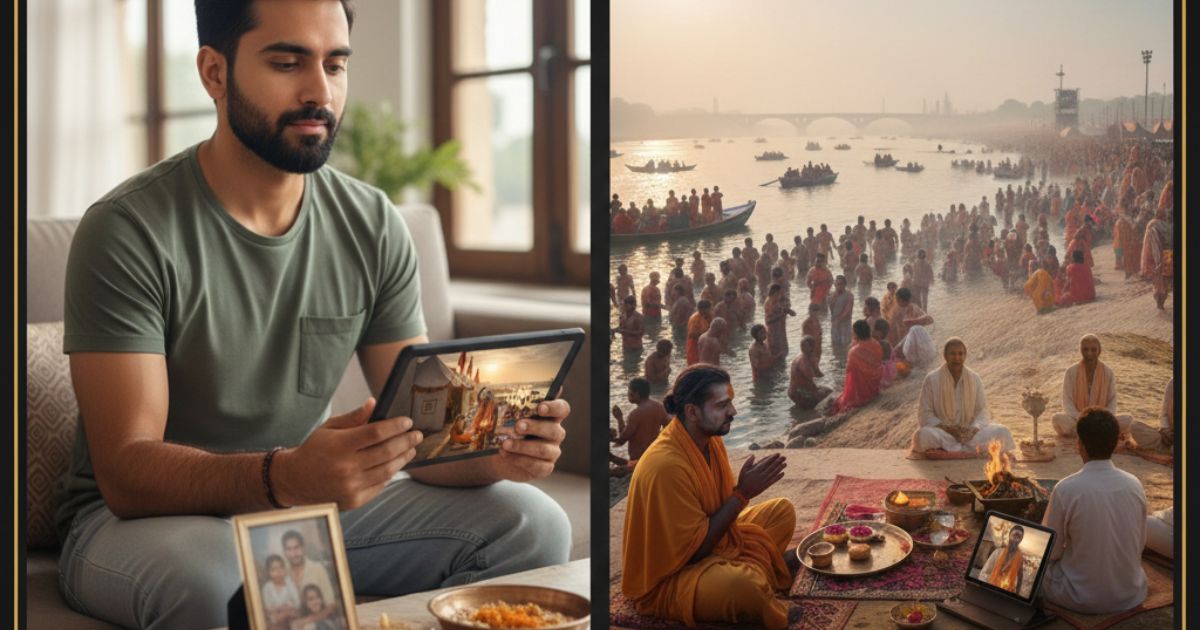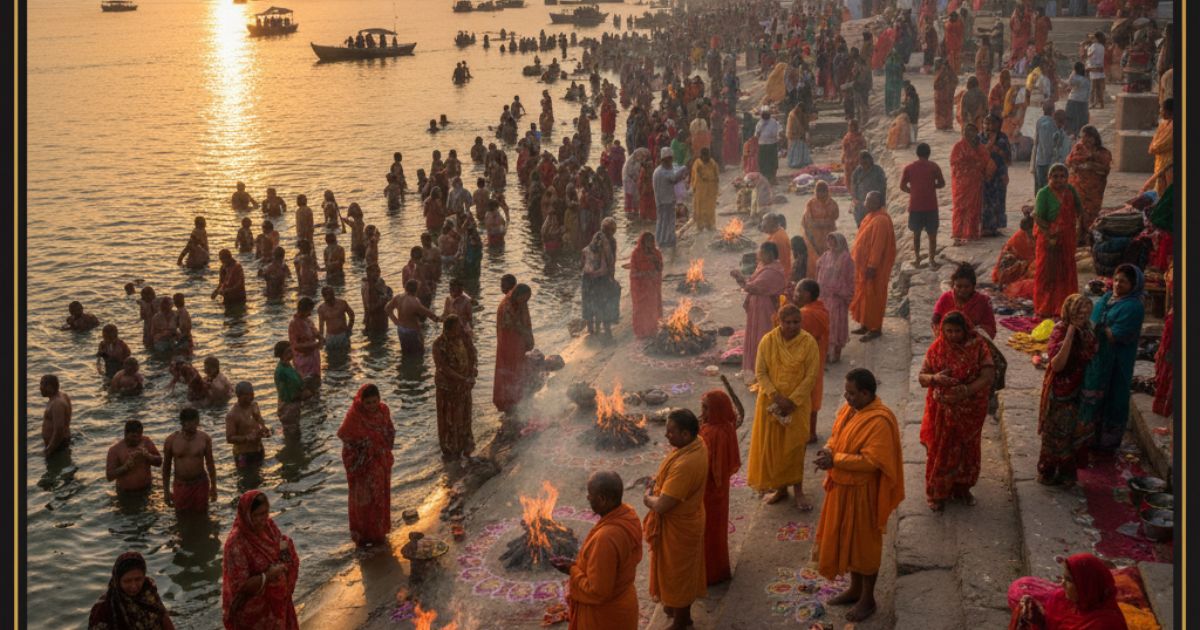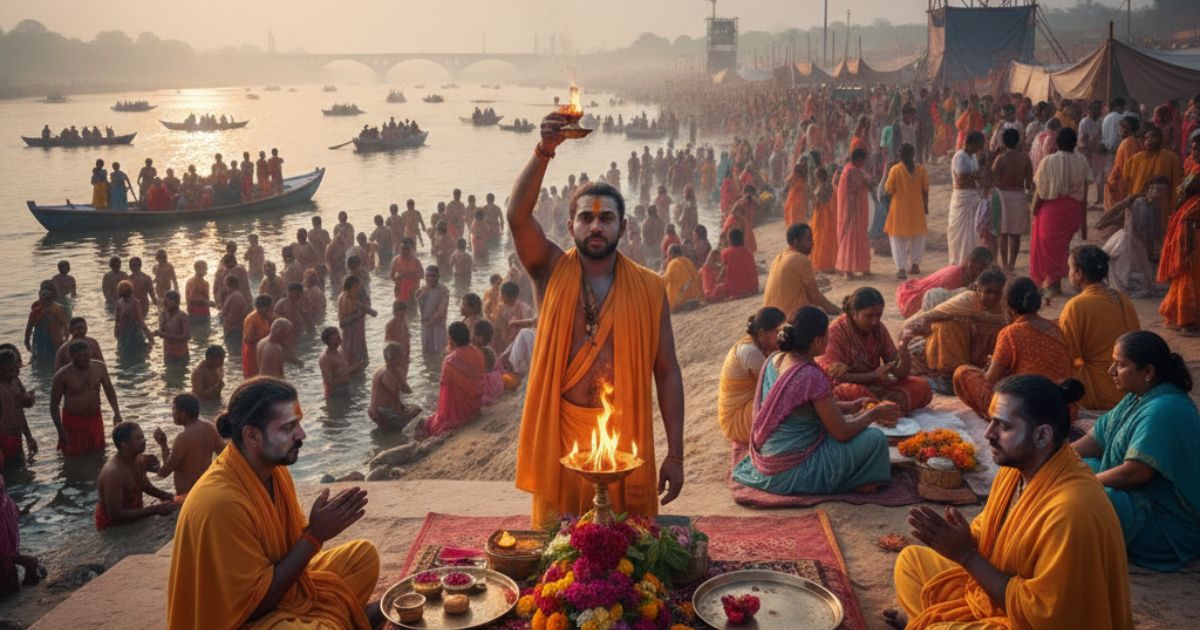
Explore essential items to carry for Magh Mela pilgrimage, including warm clothes, hygiene kits, medicines, spiritual essentials, and practical gear for a safe, peaceful stay.
Picture this: you’ve arrived at the sacred confluence for Magh Mela after a long journey, your heart brimming with devotion, only to realize you forgot your warm blanket. The January cold cuts through you like a knife, and suddenly your spiritual retreat feels more like a survival challenge. Sound familiar? Poor planning can transform a divine pilgrimage into an uncomfortable ordeal.
Here’s the truth—proper pilgrim preparation isn’t just about comfort; it’s about ensuring your spiritual focus remains undisturbed. When you’re adequately prepared with the right magh mela essentials, you can dedicate your energy to prayer, meditation, and sacred bathing instead of scrambling for basic necessities.
Whether you’re planning a day visit or a month-long Kalpvas, this comprehensive packing list mela guide will ensure you’re ready for everything the sacred gathering throws at you. From winter protection to spiritual items, from health kit necessities to budget-friendly tips—we’ve got you covered.
Why Proper Pilgrim Preparation Matters
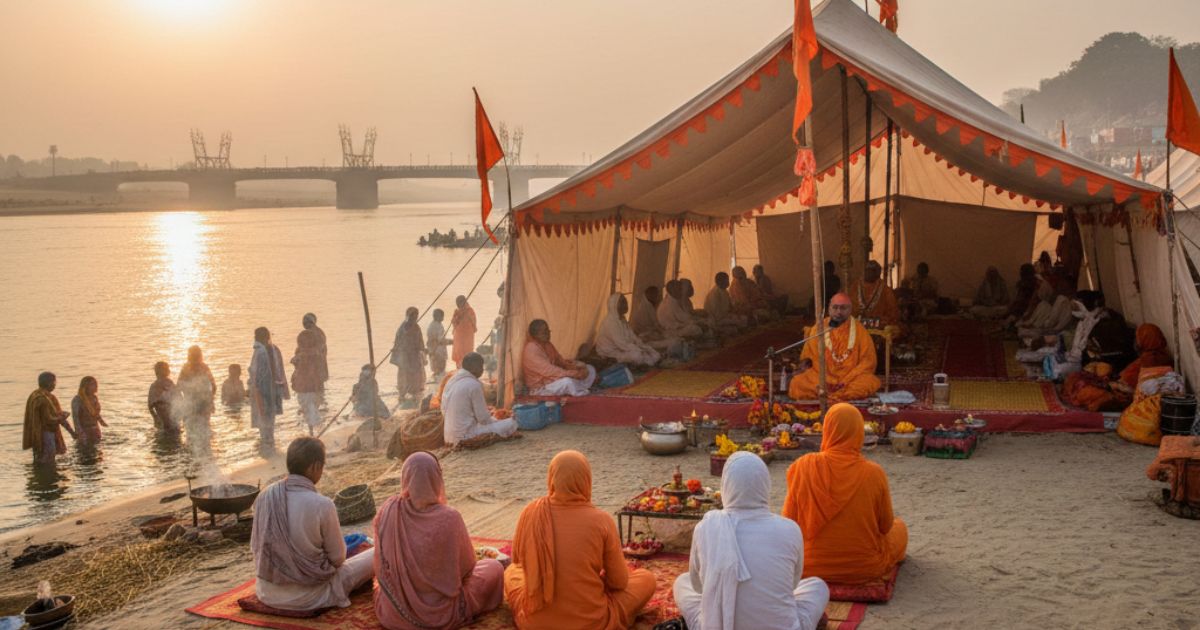
Magh Mela isn’t your typical vacation. You’re camping in temporary conditions, surrounded by millions of fellow devotees, with limited access to modern conveniences. The nearest market might be kilometers away, and during peak days, it could take hours to navigate through the crowds.
Inadequate preparation doesn’t just affect your comfort—it can compromise your health and safety. Every year, thousands of pilgrims face preventable challenges: hypothermia from insufficient warm clothing, dehydration from not carrying enough water, infections from poor hygiene supplies, or medication emergencies from forgetting their health kit.
But here’s the good news: with the right magh mela essentials and proper planning, your pilgrimage can be transformative in all the right ways. You’ll sleep comfortably, maintain your health, stay spiritually focused, and return home with memories of divine experiences rather than stories of survival struggles.
Ultimate Packing List Mela: Category-Wise Breakdown
Clothing and Personal Wear
Essential Clothing Items:
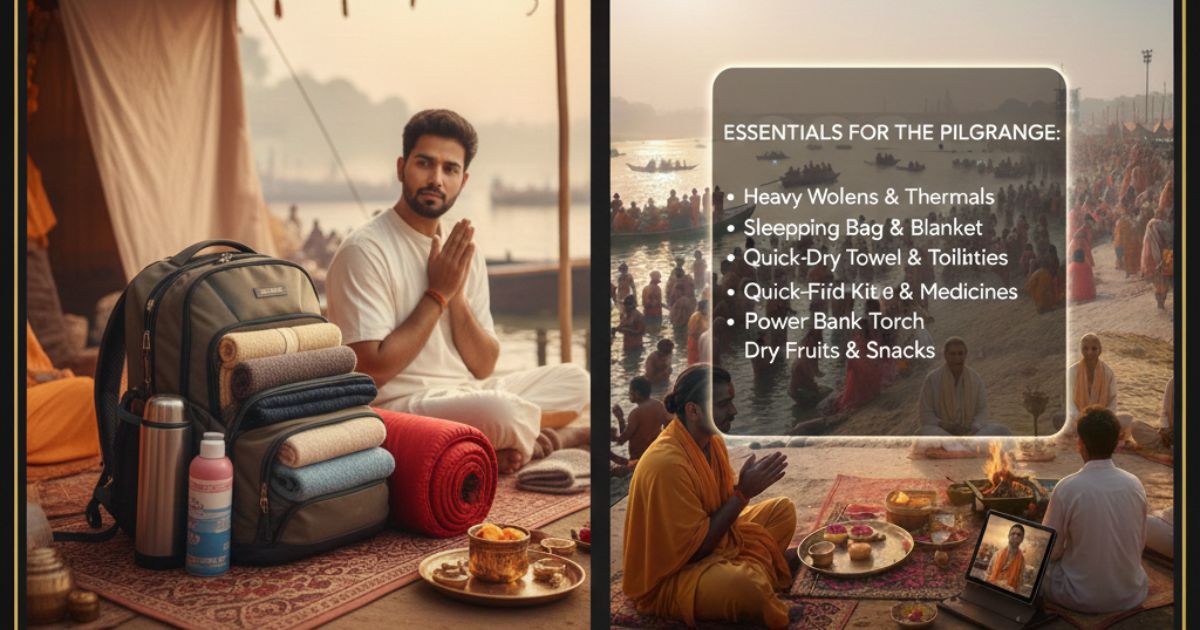
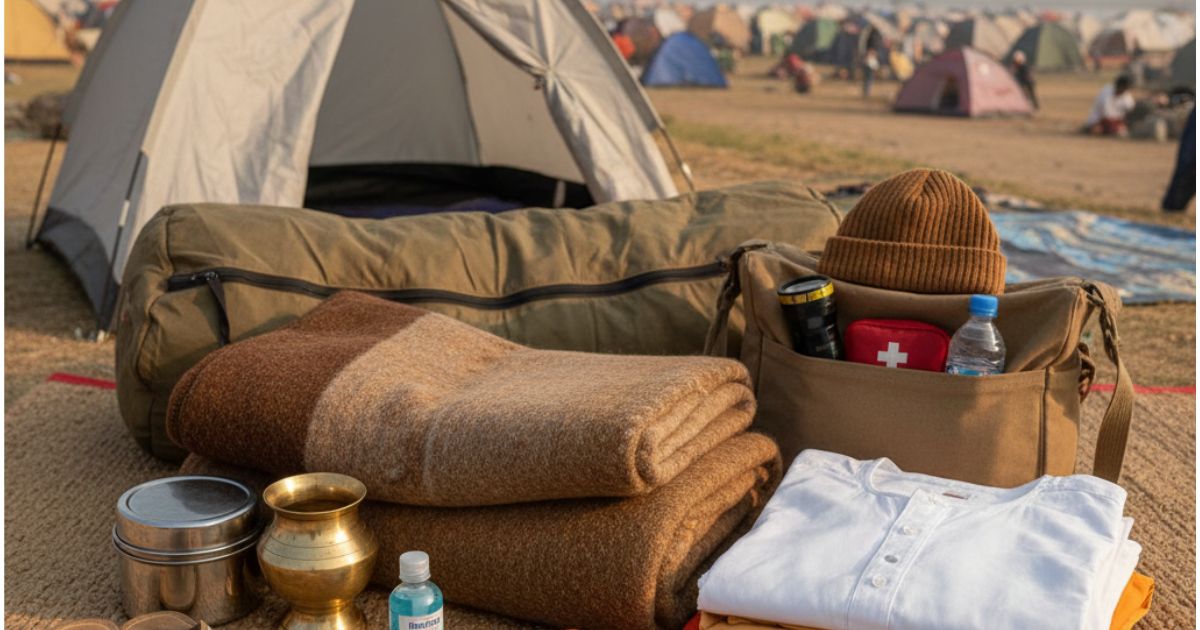
- Warm clothes (3-4 sets): January temperatures can drop to near-freezing. Pack thermal innerwear, thick sweaters, and full-sleeved shirts
- Traditional wear: At least 2-3 sets of clean dhotis for men or sarees/salwar suits for women. White or light colors are preferred
- Extra undergarments (7-10 pairs): You’ll be bathing twice daily; quick-dry fabric is ideal
- Socks (4-5 pairs): Woolen socks are essential for cold nights
- Jacket or shawl: A waterproof windcheater jacket serves dual purpose—warmth and rain protection
- Comfortable footwear: Rubber slippers for bathing, sturdy walking shoes for navigating the grounds
- Towels (2-3): Quick-dry, compact towels save space and dry faster
- Cap or hat: Protects from sun during day and retains body heat at night
Pro Tip: Layer your clothing rather than packing one heavy item. Layers provide better insulation and flexibility.
Bedding and Shelter Items
Must-Have Sleeping Essentials:
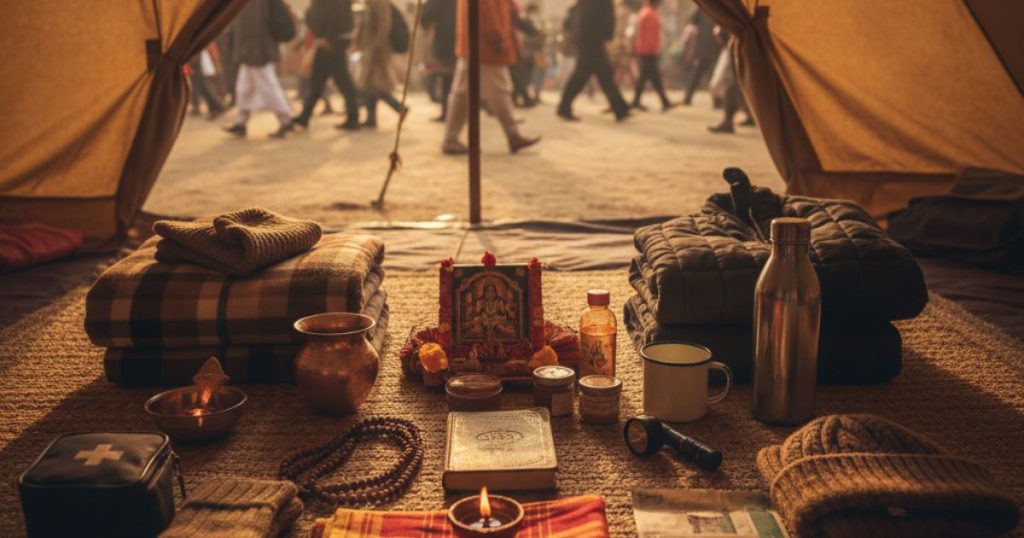
- Sleeping bag or thick blanket (2): This is non-negotiable for your magh mela essentials. The ground gets extremely cold
- Mattress or yoga mat: Even a thin mat protects from ground coldness and dampness
- Plastic sheet or tarpaulin: Place under your bedding to prevent moisture seepage
- Pillow or cushion: A small travel pillow ensures proper neck support
- Mosquito net (if staying long-term): Though winter has fewer mosquitoes, some areas near water still have them
- Tent or temporary shelter material: If not using organized camps, lightweight camping tent is crucial
- Rope and pegs: For securing tarpaulin or creating clotheslines
Kalpvas Special Note: If observing strict Kalpvas, you’ll sleep directly on the ground with minimal bedding. Adjust accordingly.
Spiritual and Religious Items
Sacred Essentials for Pilgrim Preparation:
- Prayer book or mantra collection: Carry a small notebook with your favorite prayers
- Rudraksha or mala beads: For japa (mantra chanting)
- Small puja thali: Compact steel plate with space for diya, incense, kumkum
- Incense sticks and camphor: For daily worship
- Sacred thread (janeu): Extra sets if you wear one
- Small deity idols or photos: Of your Ishta Devata (chosen deity)
- Ganga jal container: Empty bottles to collect holy water for home
- Donation money: Keep separate cash for dakshina and charity
- Religious books: Bhagavad Gita, Ramayana, or texts you study
- Notebook and pen: For journaling spiritual insights
Health Kit: Medical Essentials
Your health kit is perhaps the most critical part of your packing list mela:
Basic Medicines:
- Prescribed medications: Carry double the quantity you’ll need
- Pain relievers: Paracetamol, ibuprofen
- Cold and flu medication: Cough syrup, antihistamines
- Digestive aids: Antacids, anti-diarrheal medication, ORS packets
- Antiseptic cream and antibiotic ointment: For cuts and minor infections
- Bandages and gauze: Multiple sizes
- Adhesive tape and cotton: For wound care
- Thermometer: Digital one is compact
- Insect repellent cream
- Pain relief balm: For muscle aches from sitting on ground
Additional Health Items:
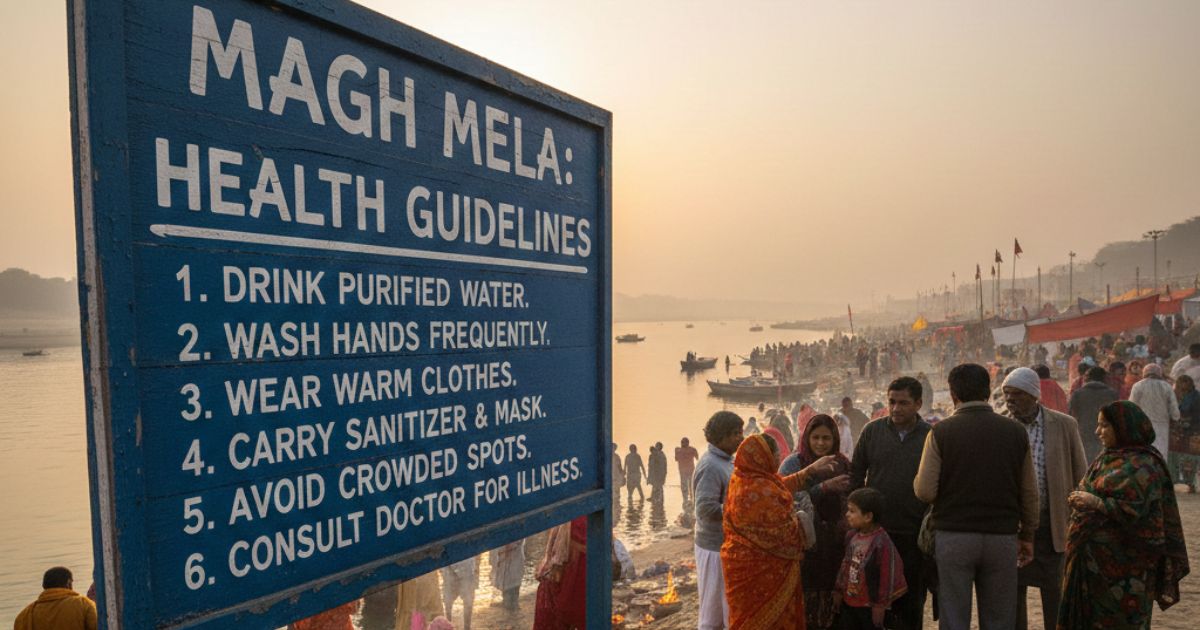
- Hand sanitizer (multiple bottles): Absolutely essential given limited washing facilities
- Moisturizer and lip balm: Winter air is extremely dry
- Sunscreen (SPF 30+): Despite cold, sun exposure is significant
- Eye drops: For dust and pollution irritation
- Vitamins and supplements: Especially Vitamin C for immunity
- Glucose or energy powder: For instant energy during fasting
Emergency Contacts: Keep printed list of nearby hospitals and emergency numbers.
Food and Water Supplies
Safe Food Options for Magh Mela Essentials:
- Water bottles (3-4 liters capacity): Stay hydrated constantly
- Water purification tablets: If refilling from local sources
- Dry fruits and nuts: Almonds, cashews, dates provide energy
- Biscuits and snacks: Choose sattvic options if observing Kalpvas
- Instant food packets: Sattu powder, roasted gram flour
- Fresh fruits: Bananas, apples (easy to carry)
- Steel tiffin or lunch box: For carrying food
- Steel glass and plate: Avoid disposables when possible
- Small stove (if allowed): Check camp regulations first
- Matchbox or lighter
Important: Follow Kalpvas dietary restrictions if observing that vow. Refer to sattvic food guidelines.
Hygiene and Sanitation Products
Personal Hygiene in Your Packing List Mela:
- Biodegradable soap: For bathing and washing clothes
- Toothbrush and toothpaste: Travel-sized or full, depending on stay duration
- Toilet paper or tissues: Facilities may not always have them
- Wet wipes: For quick cleaning when water isn’t accessible
- Nail cutter and file
- Comb or brush
- Hair oil (small bottle): Winter dryness affects hair
- Shampoo sachets: If you’ll be washing hair
- Feminine hygiene products: Adequate supply for women
- Plastic bags: Multiple bags for waste segregation and wet clothes
- Bucket and mug: For bathing; most camps don’t provide these
- Washing detergent: Small packets for handwashing clothes
Documents and Money
Critical Items for Pilgrim Preparation:
- Identity proof: Aadhaar card, driver’s license (originals and photocopies)
- Medical prescriptions: If carrying medicines
- Emergency contact list: Printed, not just in phone
- Cash: ATMs get crowded; carry sufficient cash in small denominations
- Separate emergency fund: Keep hidden in different location
- Travel tickets: Return journey tickets, if pre-booked
- Photocopies of all documents: Store separately from originals
- Small lock and key: For securing your belongings
- Money belt or pouch: Wear under clothes for safety
Electronics and Communication
Tech Essentials (Minimal):
- Mobile phone: Fully charged before arrival
- Power bank (high capacity): 20,000mAh minimum
- Charger and cable: Keep in waterproof bag
- Flashlight or torch: LED torch with extra batteries
- Headlamp: Keeps hands free at night
- Whistle: For emergencies in crowds
- Watch: Simple, waterproof
- Camera (optional): Only if you want to document the experience
Note: Keep electronics to minimum. This is a spiritual retreat, not a photography expedition.
Season-Specific Magh Mela Essentials
Winter Protection Items
January Cold-Weather Must-Haves:
- Thermal innerwear (full set): Top and bottom, at least 2 pairs
- Woolen scarf or muffler: Protects throat and face
- Woolen cap: You lose significant body heat through your head
- Gloves: For early morning baths
- Ear muffs or earplugs: Against cold winds
- Hot water bag: Traditional rubber one works wonders at night
- Vapor rub: For congestion from cold
- Warm socks: Extra-thick for sleeping
- Thermos flask: To carry hot water or tea
The health kit becomes even more critical in winter. Respiratory issues, hypothermia risks, and cold-related ailments increase significantly.
Rain Preparation
Unexpected Weather Protection:
- Raincoat or poncho: Covers you and your bag
- Waterproof bag covers: For protecting your belongings
- Extra plastic sheets: For covering bedding
- Waterproof footwear: At least one pair
- Sealed plastic containers: For keeping clothes dry
- Quick-dry clothes: As backups
January typically has minimal rain, but weather can be unpredictable. Better safe than shivering.
Items to Avoid Bringing
What NOT to Include in Your Packing List Mela:
- Expensive jewelry or watches: Unnecessary risk
- Laptops or tablets: No secure storage, and frankly, distracting
- Large suitcases: Impractical for temporary camping
- Non-vegetarian food items: Completely inappropriate for the sacred space
- Alcohol or cigarettes: Strictly prohibited
- Excessive valuables: Bring only essentials
- Hair dryers or styling tools: No electricity in most areas
- Formal shoes or delicate footwear: Will get ruined in the dusty, muddy terrain
- Glass containers: Risk of breakage; use steel or plastic
Safety and Emergency Preparedness
Critical Safety Items in Your Magh Mela Essentials:
- First aid manual: Basic guide for emergencies
- Emergency whistle: To signal for help
- Photocopy of camp location map: Mark your spot
- Meeting point decided with travel group: If separated in crowds
- Waterproof document holder: Worn around neck
- Safety pins: Multiple sizes, surprisingly useful
- Duct tape: Fixes almost anything temporarily
- Small sewing kit: For clothing repairs
- Emergency food: High-calorie bars that last without refrigeration
Safety Protocol: Always inform someone trustworthy about your daily plans and expected return time.
Kalpvas-Specific Packing Considerations
If you’re observing the full month-long Kalpvas, your pilgrim preparation needs adjustment:
Additional Kalpvas Items:
- Extra clothing sets: At least 7-10 sets for month-long stay
- More bedding: Multiple blankets for extended cold exposure
- Larger water storage: 10-20 liter containers
- Extended medical supplies: Full health kit with 45-day medication supply
- Books for spiritual study: More reading material for daily study
- Writing materials: Journal, extra notebooks
- Minimal luxury items: Perhaps a small radio for news updates
What to Reduce:
- Electronics (even more minimal)
- Fancy items (embrace simplicity)
- Multiple outfit choices (rotate basics)
Budget-Friendly Shopping Tips for Pilgrim Preparation
Save Money on Your Packing List Mela:
Where to Shop:
- Local wholesale markets: Significantly cheaper than retail
- Government cooperative stores: Good quality at fair prices
- Online bulk deals: Order month in advance for best prices
- Borrow where possible: Sleeping bags, torches from friends
Smart Shopping Strategies:
- Buy multi-purpose items (soap for body and clothes)
- Choose reusable over disposable
- Purchase medicines generically, not branded
- Carry from home what you already own
- Shop with fellow pilgrims and split costs
Budget Breakdown:
- Clothing and bedding: ₹2,000-3,000
- Health kit: ₹500-1,000
- Food supplies: ₹1,000-1,500 (for week)
- Miscellaneous: ₹500-1,000
- Total: ₹4,000-6,500 for week-long stay
Conclusion
Preparing for Magh Mela might seem overwhelming, but with this comprehensive packing list mela, you’re now equipped with everything you need to know. Remember, the goal of proper pilgrim preparation isn’t to recreate home comforts—it’s to ensure basic necessities don’t distract from your spiritual practice.
Your magh mela essentials should strike a balance: enough to keep you safe and comfortable, but not so much that you’re weighed down by material possessions at a spiritual gathering. Think practical, not luxurious. Think necessary, not convenient.
The health kit deserves special attention—it’s far better to carry medications you don’t use than to need something you don’t have. Similarly, winter protection items aren’t optional extras; they’re survival essentials for January pilgrimage.
Pack smart, pack light, but pack complete. Test your gear before leaving home. Ensure your health kit is well-stocked. Double-check documents and money. And most importantly, prepare your mind and heart for the transformative journey ahead.
When you arrive at the sacred confluence with adequate preparation, you’ll spend less time worrying about logistics and more time immersed in the divine experience. You’ll bathe in the holy Ganga without concern, meditate without discomfort, and return home with soul-level transformation.
May your Magh Mela pilgrimage be blessed, comfortable, and spiritually enriching. With proper preparation and divine grace, it will be an experience that transforms your life forever.
FAQs About Magh Mela Essentials
1. Can I buy forgotten magh mela essentials at the venue, or should I carry everything?
Basic items like food, water, blankets, and common medicines are available at markets near Magh Mela grounds, but they’re significantly overpriced (often 2-3 times normal cost) and quality is questionable. During peak days, shops get overcrowded, and popular items sell out quickly. Specialized items like prescription medications, specific hygiene products, or quality warm clothing are hard to find. Your best strategy: carry all essentials from home. Treat local shopping as emergency backup only. This approach saves money and guarantees you have exactly what you need.
2. How do I protect my belongings from theft in such crowded conditions?
Theft, while not rampant, does occur. Follow these safety measures: Never leave belongings unattended—always have someone from your group stay at camp. Use small locks on bags (more deterrent than absolute security). Wear a money belt under clothing for cash and documents. Keep valuables to absolute minimum. Make photocopies of documents and store separately from originals. Mark your belongings clearly with name/phone number. Stay in organized camps with security when possible. Most importantly, don’t display wealth—keep jewelry and expensive items at home. Fellow pilgrims respect sacred space, but crowds attract opportunists too.
3. What should be in my health kit if I have specific medical conditions?
Your health kit needs customization beyond the basic list. For diabetes: extra glucose meter, testing strips, insulin (with cold storage arrangement), sugar candies for low blood sugar episodes. For hypertension: blood pressure monitor, all cardiac medications in double quantity, low-sodium food options. For asthma: multiple inhalers, nebulizer if possible, anti-allergy medications. For arthritis: pain relief creams, mobility aids if needed, extra cushioning for sleeping. Carry a detailed medical summary including diagnoses, medications, allergies, and emergency contacts. Inform travel companions about your conditions. Consider consulting AstroInsights.guru’s astrologers—they can predict health vulnerable periods during your stay and suggest additional precautions based on your horoscope.
4. Is it better to carry a tent or stay in organized camps?
Each has pros and cons. Personal tent advantages: Privacy, control over location, flexibility in schedule, cheaper if you already own one. Disadvantages: Must carry bulky item, setup time, less security, isolated from community. Organized camps advantages: Security, community support, provided bedding often included, established facilities, easier for first-timers. Disadvantages: More expensive (₹500-2,000 per night), less privacy, strict timings, limited availability during peak dates. Recommendation: First-time pilgrims or those with health concerns should use organized camps. Experienced devotees observing strict Kalpvas might prefer personal tents. Groups can rent larger tents and share costs. AstroInsights.guru can guide you on the best option based on your chart and circumstances.
5. How can I minimize my packing list mela while ensuring I have all magh mela essentials?
The art of minimal yet complete packing: 1) Choose multi-purpose items—soap for body and clothes, shawl as blanket and prayer cloth, smartphone as torch/camera/alarm. 2) Wear your bulkiest items during travel—heavy jacket, walking shoes. 3) Use compression bags for clothing to reduce volume. 4) Embrace pilgrim simplicity—you truly need fewer clothes than you think; washing and reusing is part of the experience. 5) Coordinate with travel group—share items like first aid kit, cooking stove, toiletries. 6) Prioritize health and warmth over everything else—when in doubt, choose the item that protects your wellbeing. 7) Create a digital backup of documents instead of carrying multiple photocopies. 8) Buy consumables small—travel-sized versions of everything. One medium backpack plus one small shoulder bag should suffice for week-long stays.
AstroInsights.guru’s Essential Items to Carry for Magh Mela
While this comprehensive guide covers standard magh mela essentials, your individual needs might differ based on your astrological chart, health profile, and spiritual goals.
How AstroInsights.guru Enhances Your Pilgrim Preparation:
Our expert astrologers provide:
- Personalized packing recommendations based on your birth chart and planetary periods
- Auspicious timing guidance for starting your pilgrimage
- Health predictions to help you pack appropriate medical supplies
- Spiritual goal setting to determine which religious items you’ll need most
- Budget planning aligned with your financial astrological indicators
- Travel direction analysis for choosing the best route and accommodation
We also offer:
- Pre-pilgrimage consultations via live webinar or chat
- Real-time support during your Magh Mela stay
- Pandit booking services for those needing ritualistic guidance at the mela
- Post-pilgrimage integration sessions to help you maintain spiritual gains
Don’t leave your sacred journey to chance. Let our experienced team help you prepare comprehensively, ensuring your Magh Mela experience is safe, comfortable, and spiritually transformative.
Connect with AstroInsights.guru:
- 🌐 Website: astroinsights.guru
- 📞 Phone: +916306407641
- 📧 Email: astroinsights.guru@gmail.com
- 🤖 AstroInsights AI: https://bit.ly/astroguru_ai