Discover the importance of Basant Panchami during Magh Month, highlighting its spiritual meaning, worship of Goddess Saraswati, and the start of vibrant spring festivities.
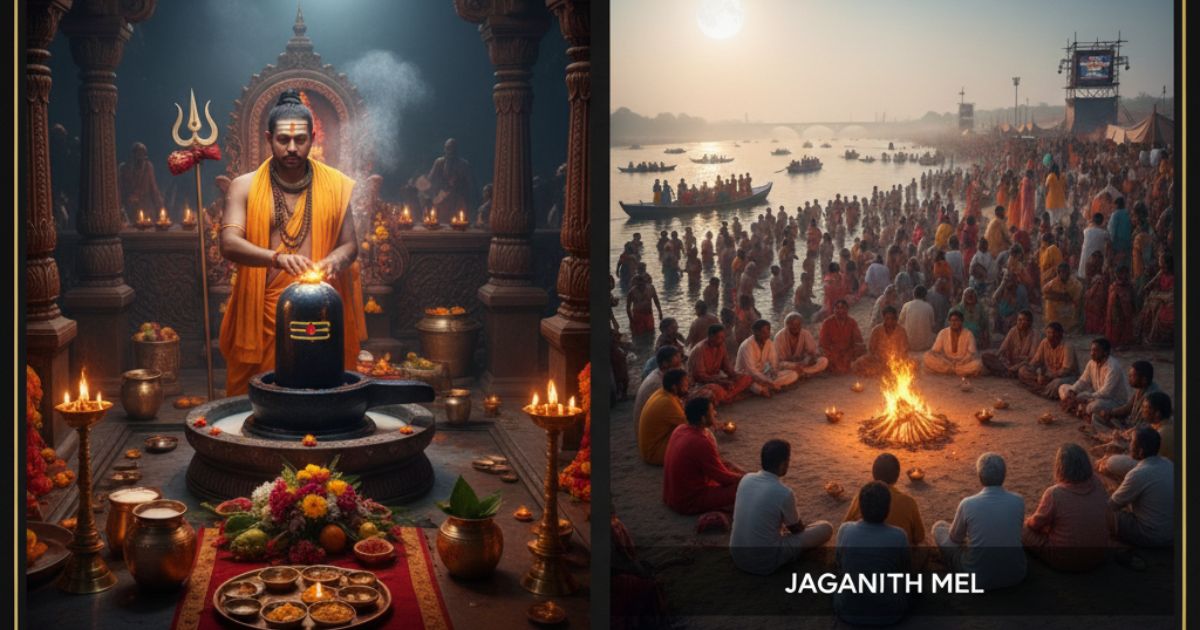
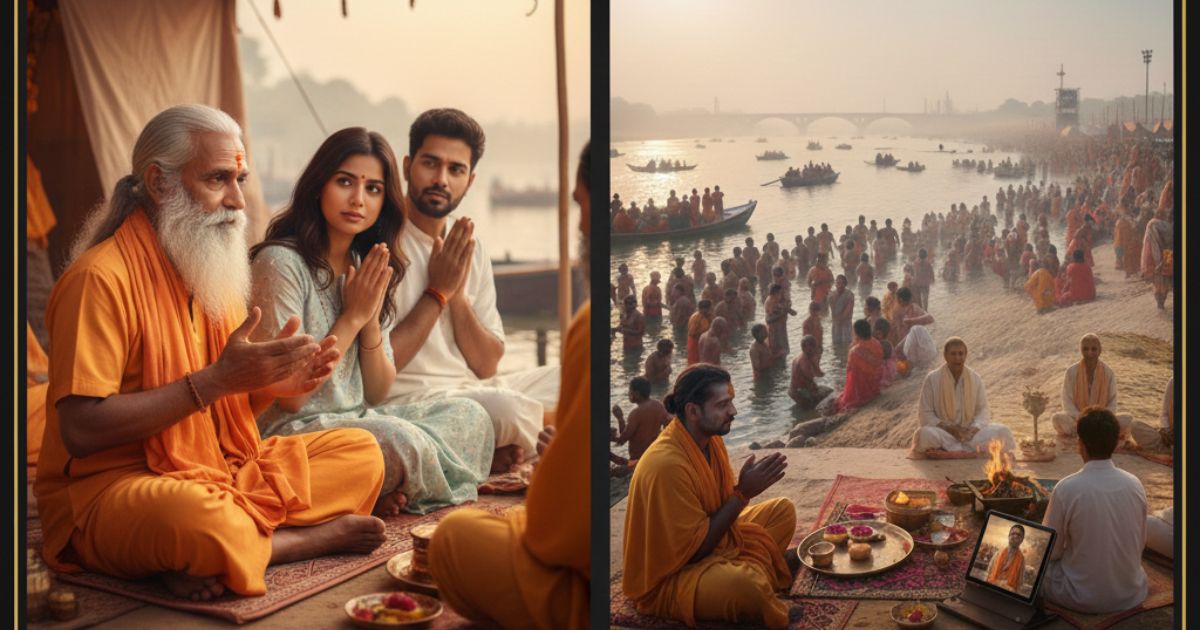
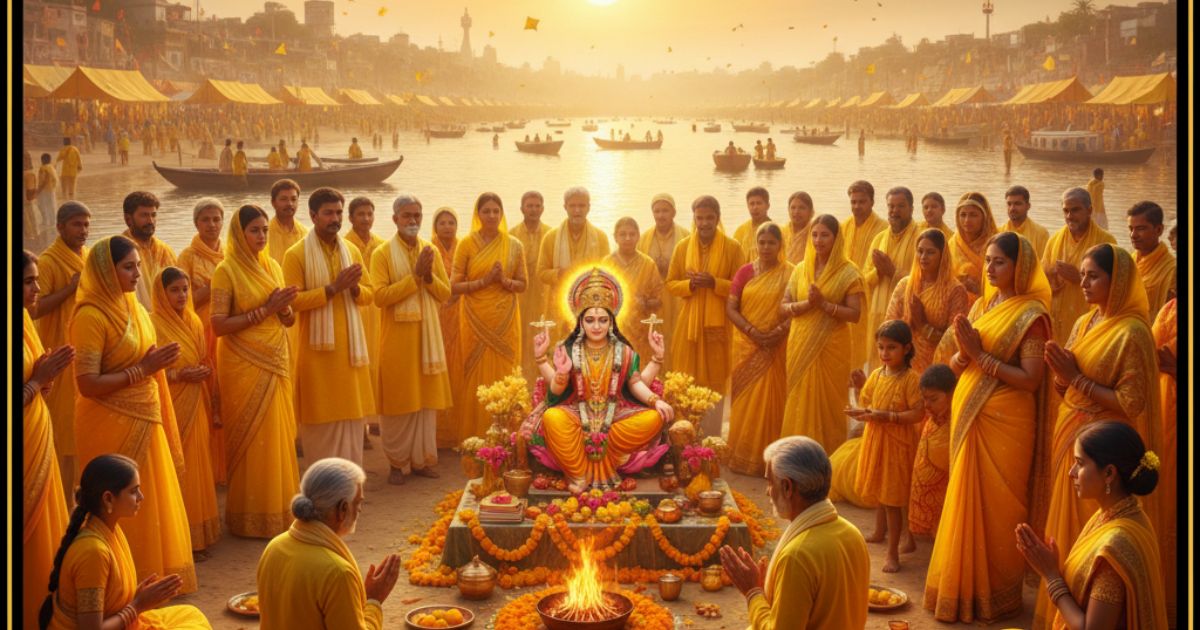
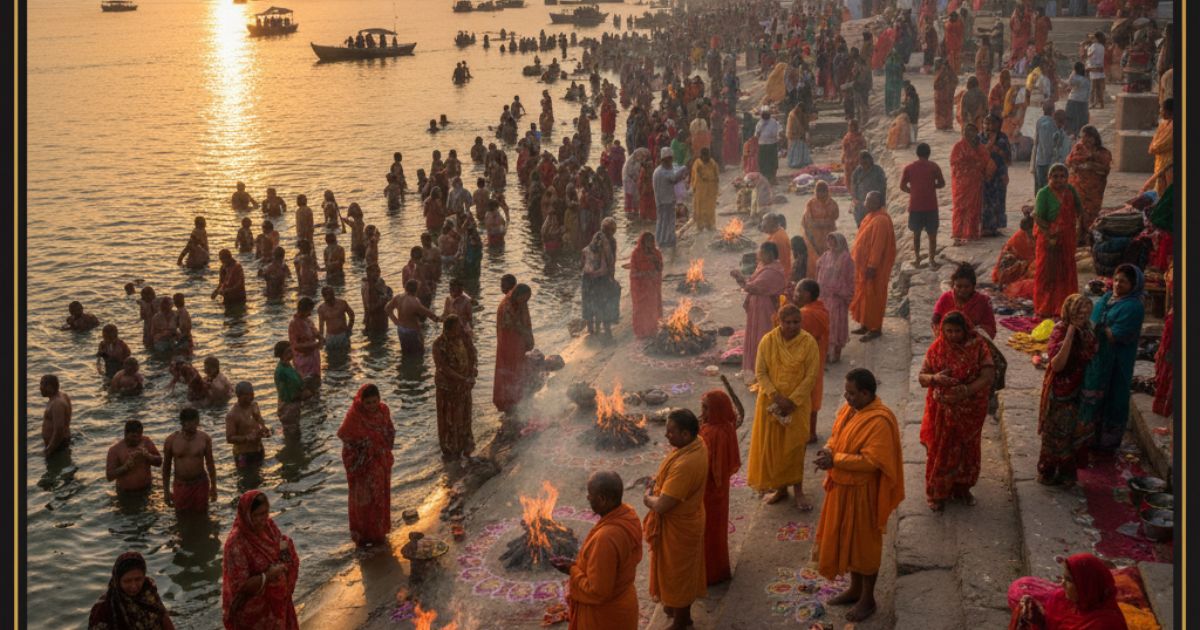
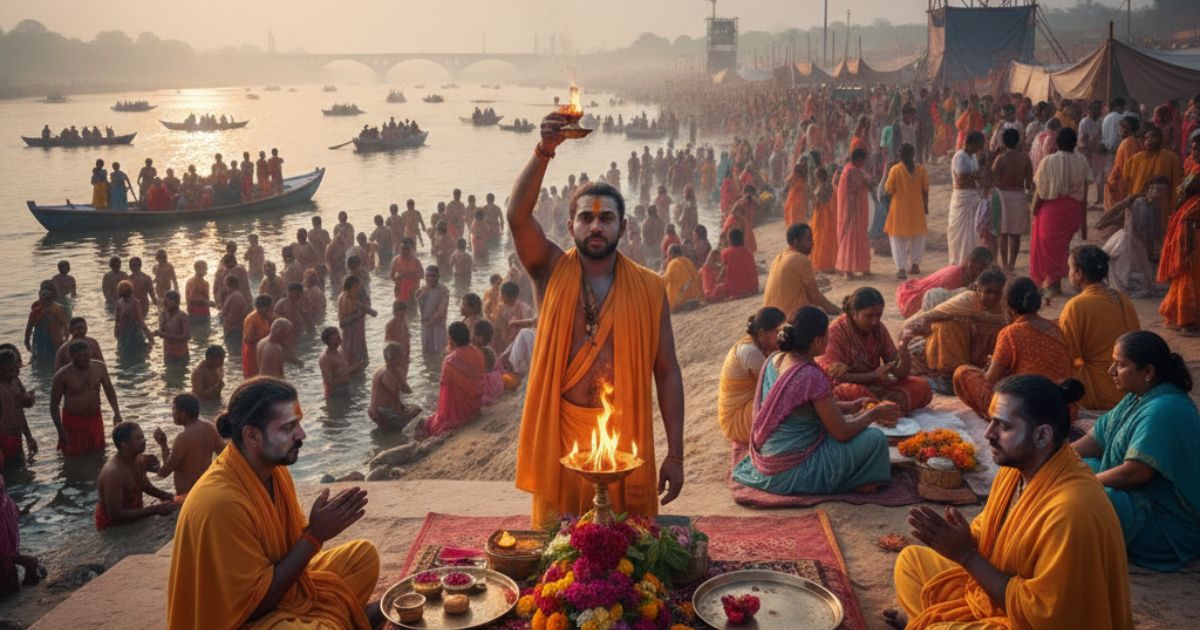
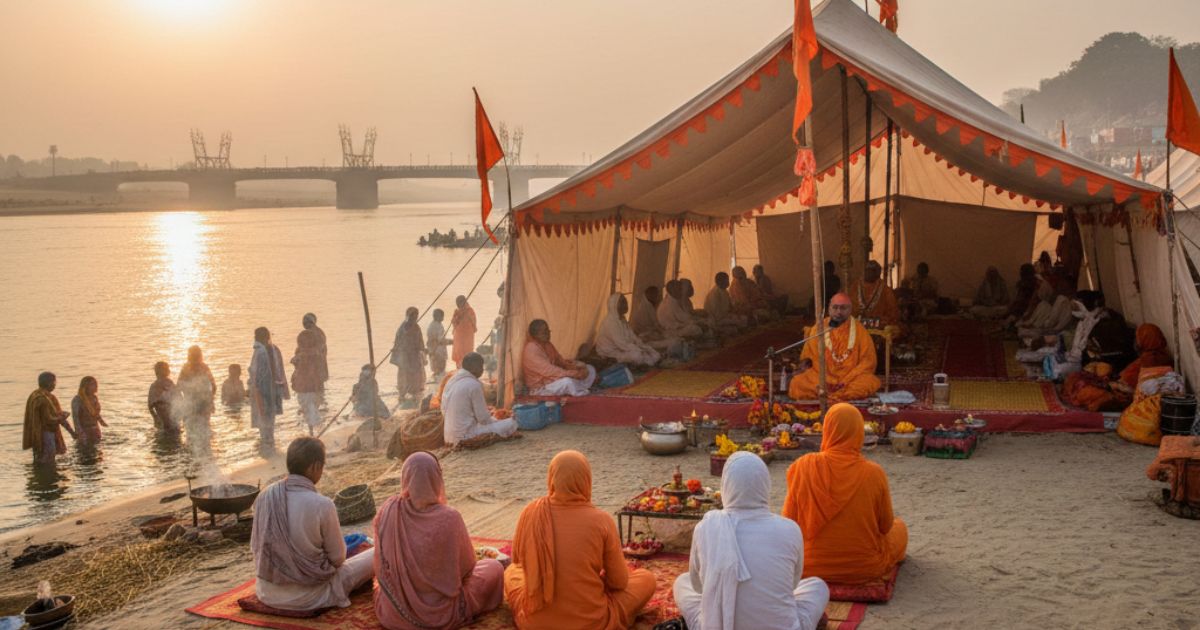
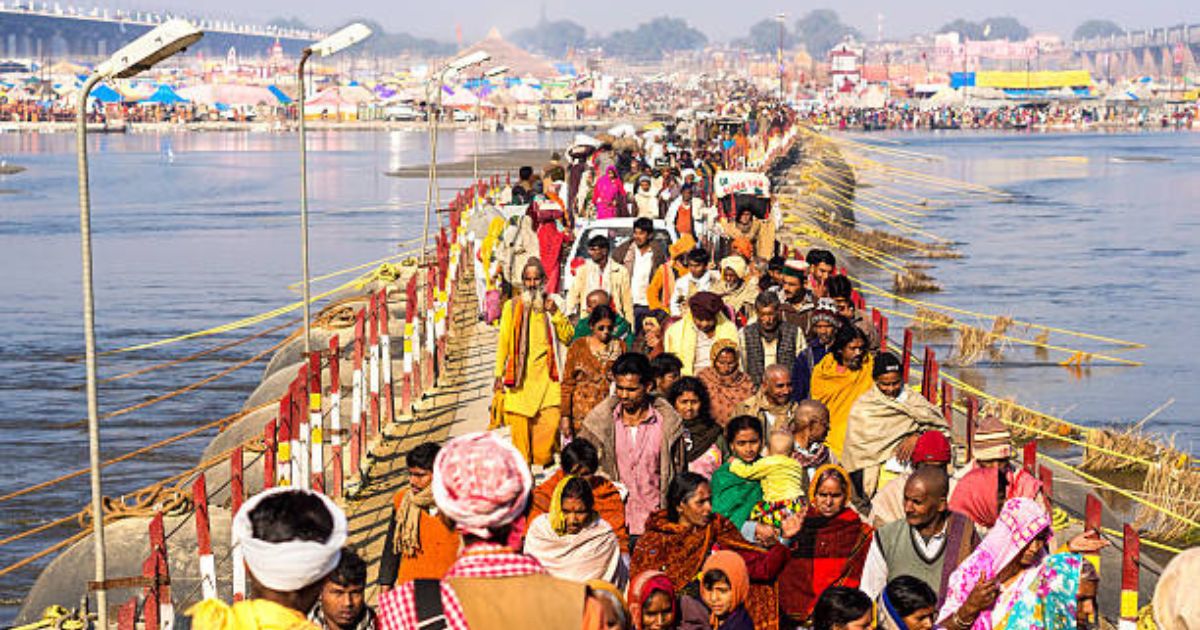
Picture the ancient riverbanks of Prayagraj suddenly transformed into a sea of brilliant yellow—pilgrims dressed in vibrant golden hues, marigold garlands adorning every shrine, and the crisp winter air carrying the first whispers of approaching spring. This magical transformation happens on Basant Panchami, one of the most joyful and spiritually significant days during Magh Mela.
The basant panchami magh mela celebration brings a refreshing shift in the festival’s energy. Following the intense austerity of Mauni Amavasya, this spring festival introduces celebration, color, and hope. It’s a day when spiritual depth meets joyous devotion, where seekers of liberation also honor the goddess of wisdom, and where winter’s grip begins loosening to spring’s gentle embrace.
This special day devoted to goddess saraswati puja transforms the sacred Sangam into a massive open-air temple of learning. Millions gather seeking blessings for wisdom, education, and creative expression. The magh mela observance on Basant Panchami carries unique significance—beyond karmic purification, it awakens the dormant seeds of knowledge and creativity residing within every soul.
Whether you’re a student pursuing academic success, an artist seeking creative inspiration, or a spiritual seeker yearning for divine wisdom, Basant Panchami at Magh Mela offers blessings perfectly suited to your aspirations. Let’s explore why this beautiful spring festival holds such special importance during the sacred month of Magh!
Understanding Basant Panchami
The Spring Festival
Basant (also written Vasant) translates to “spring” in Sanskrit. Basant Panchami heralds the arrival of spring season (Vasant Ritu) in the Hindu calendar. Though winter’s chill still persists, this day celebrates nature’s impending awakening—the first mustard flowers blooming in brilliant yellow, birds beginning their melodious mating calls, and the earth preparing for the fertility and abundance of spring.
Consider it nature’s promise that harsh winter shall pass—warmth, color, and abundance await! This natural renewal mirrors spiritual renewal, making it exceptionally auspicious for new beginnings, particularly in education and creative endeavors.
Sacred Fifth Day
Panchami means “fifth day.” Basant Panchami falls on the fifth day of the bright fortnight (Shukla Paksha) during Magh month, typically occurring in late January or early February—perfectly positioned within Magh Mela.
The number five carries deep significance in Hindu cosmology—five elements, five senses, five vital energies (pranas). This fifth day represents the harmonious balance of these fundamental fives, creating an auspicious moment for intellectual and spiritual pursuits.
Goddess Saraswati Puja: The Central Celebration
The defining characteristic of Basant Panchami is the worship of Goddess Saraswati.
The Divine Mother of Knowledge
Saraswati is the Hindu goddess of knowledge (vidya), wisdom (buddhi), learning, music, arts, and eloquent speech. Traditional iconography depicts her as a beautiful woman dressed in white, holding a veena (stringed instrument), seated upon a white lotus or swan. Her white attire symbolizes the purity of knowledge, while her veena represents the harmony uniting arts and sciences.
Within the Hindu trinity of goddesses:
- Lakshmi presides over wealth and prosperity
- Durga/Parvati governs power and protection
- Saraswati reigns over knowledge and creativity
Saraswati embodies existence’s subtle, refined aspects—wisdom transcending mere information, creativity channeling divine inspiration, and eloquence communicating truth beautifully.
Birth of Saraswati Legend
Hindu mythology describes Goddess Saraswati’s emergence on Basant Panchami. According to the Puranas, Lord Brahma, having completed universal creation, found it silent and devoid of life. He sprinkled water from his kamandalu (water pot), from which emerged Goddess Saraswati, playing her divine veena. Instantly, the universe filled with sound, music, and knowledge—creation became conscious and expressive.
This sacred origin story makes Basant Panchami the most auspicious day for goddess saraswati puja, seeking blessings for education and arts, and initiating children into formal learning through the Vidyarambha ceremony.
Basant Panchami as a Major Bathing Day
Basant Panchami ranks among the major bathing days (Shahi Snan) during Magh Mela, though it draws smaller crowds than Mauni Amavasya. This makes it ideal for pilgrims seeking powerful spiritual benefits without overwhelming throngs.
The sacred bath during basant panchami magh mela combines Triveni Sangam’s purifying power with Saraswati’s special blessings. Devotees believe bathing on this day:
- Purifies karma connected to speech and communication
- Unblocks stagnant creativity and intelligence
- Removes obstacles to learning and knowledge acquisition
- Blesses students with academic success
- Enhances artistic abilities and creative expression
The Sangam atmosphere on Basant Panchami differs noticeably from other bathing days—there’s a celebratory, almost festive quality alongside spiritual solemnity. The ubiquitous yellow colors create a visual representation of the Sun’s warmth finally conquering winter’s darkness.
The Significance of Yellow Color
The dominant color of Basant Panchami—yellow—carries profound symbolic meaning.
Nature’s Golden Message
Yellow represents the mustard flowers (sarson) blooming across North India during this season. These brilliant yellow fields signal spring’s arrival and agricultural prosperity. Wearing yellow honors this natural abundance and aligns humans with nature’s rhythms.
At basant panchami magh mela, the sea of yellow-clad pilgrims creates a stunning visual spectacle—millions dressed in bright golden hues, yellow marigolds offered to Saraswati, yellow sweets distributed as prasad. The entire mela transforms into a celebration of solar energy and vitality.
Spiritual Symbolism
Yellow also symbolizes knowledge, learning, and wisdom in Hindu color tradition. It’s associated with the solar plexus chakra (Manipura), the energy center governing intellect, confidence, and personal power.
Additionally, yellow represents prosperity and auspiciousness—consider turmeric’s sacred role in rituals, or gold’s yellow appearance. Wearing yellow on Basant Panchami invites both intellectual and material abundance into your life.
Magh Mela Observance Rituals
The magh mela observance of Basant Panchami follows specific traditional practices distinguishing it from other bathing days.
Sacred Bath at Triveni Sangam
The day begins with a pre-dawn holy bath at Triveni Sangam. However, unlike Mauni Amavasya’s silent, austere atmosphere, Basant Panchami bathing includes:
- Chanting Saraswati mantras during immersion
- Offering yellow flowers to the sacred rivers
- Prayers specifically for knowledge and wisdom
- Wearing yellow clothes for the bath
Many pilgrims carry small books or musical instruments to the riverbank, placing them at the water’s edge for Saraswati’s blessings before their own immersion.
Vidyarambha Ceremony
Basant Panchami is supremely auspicious for Vidyarambha—formally initiating children into education. At Magh Mela, thousands of families perform this sacred ceremony:
- Children aged 3-5 years are taught their first letters
- Typically begins with “Om” or “Hari Om”
- Performed following the sacred bath
- Guided by priests or learned elders
This beautiful tradition connects spiritual purification with educational initiation—the child’s consciousness is cleansed through sacred bathing, then opened to knowledge through formal ceremony.
Artistic and Musical Celebrations
Unlike other magh mela observance days focused purely on austerity, Basant Panchami celebrates the arts:
- Musical performances throughout the mela grounds
- Devotional singing (bhajans) dedicated to Saraswati
- Poetry recitations by scholars
- Classical dance performances
- Kite flying (a beloved Basant Panchami tradition)
This joyful celebration reminds us that spirituality encompasses not just renunciation but also divine beauty appreciation expressed through arts.
Spring’s Spiritual Awakening
Why connect a seasonal change to spiritual practice? Hindu philosophy perceives profound links between external nature and internal consciousness.
Spring as awakening metaphor: Just as seeds dormant through winter suddenly sprout in spring, spiritual potentials dormant within consciousness awaken through proper cultivation. Winter’s cold darkness of ignorance yields to spring’s warm brightness of knowledge.
Fertility and creativity: Spring is nature’s most fertile season—plants reproduce, animals mate, life multiplies. Similarly, Basant Panchami celebrates mental fertility—the creative explosion occurring when consciousness is properly nourished through knowledge and wisdom.
Balance of opposites: Spring represents perfect equilibrium between winter and summer, cold and heat, dormancy and growth. This balance mirrors the spiritual harmony sought through yoga and meditation—neither extreme asceticism nor indulgent pleasure, but the middle path.
Bathing at Sangam on Basant Panchami symbolically aligns your individual consciousness with these universal patterns of renewal and awakening.
Scriptural References to Basant Panchami
Various Hindu texts reference Basant Panchami’s significance:
The Padma Purana describes bathing at Prayag on Basant Panchami as especially meritorious, granting blessings for knowledge and prosperity.
The Narada Purana emphasizes goddess saraswati puja on this day, stating sincere worship grants devotees eloquence, wisdom, and creative abilities.
The Skanda Purana mentions Basant Panchami as an auspicious day for beginning new educational endeavors and artistic pursuits.
These scriptural endorsements have sustained the tradition across millennia, making basant panchami magh mela an integral part of Hindu spiritual culture.
Regional Celebration Styles
While Basant Panchami is celebrated throughout India, regional variations add distinctive local flavors:
Bengal: Elaborate Saraswati Puja in schools, colleges, and homes, with goddess idols worshipped for three days.
Punjab: Predominantly spring festival featuring kite flying, folk dances, and yellow rice dishes.
Bihar: Strong emphasis on educational initiation and academic prayers.
Uttar Pradesh (including Prayagraj): Balanced emphasis combining sacred bathing, Saraswati worship, and spring celebration.
At Magh Mela, pilgrims from various regions bring their local traditions, creating a rich tapestry of pan-Indian spirituality.
Special Rituals at Sangam
Bath Procedures
- Wake during Brahma Muhurta (pre-dawn)
- Wear yellow clothes
- Carry yellow flowers (marigolds, chrysanthemums)
- Walk to Sangam chanting Saraswati mantras
- Immerse completely three times
- Offer yellow flowers to the rivers
- Chant: “Om Aim Saraswatyai Namaha” (108 times ideally)
- Perform Surya Arghya facing east
Worship Practices
After bathing, pilgrims worship Saraswati through:
- Placing books, musical instruments, or learning tools near the water
- Offering yellow flowers, fruits, and sweets
- Reciting Saraswati Stotram or Saraswati Vandana
- Seeking blessings for wisdom and eloquence
Charitable Traditions
Traditional donations on Basant Panchami include:
- Books and educational materials to students
- Musical instruments to aspiring artists
- Donations to educational institutions
- Feeding brahmins and scholars
- Supporting libraries and schools
These acts align perfectly with Saraswati’s domain of knowledge and learning.
Blessings for Students and Knowledge Seekers
Basant Panchami holds special significance for students, scholars, and anyone pursuing knowledge.
The goddess saraswati puja at Triveni Sangam is believed to:
- Remove mental blocks and learning difficulties
- Enhance memory and concentration
- Grant success in examinations
- Clarify intellectual confusion
- Open intuitive understanding
Many students plan their Magh Mela visit specifically for Basant Panchami, seeking Saraswati’s blessings before important exams or academic milestones.
Beyond formal education, Saraswati’s domain includes spiritual wisdom, artistic creativity, eloquent communication, musical and performing arts, and scientific inquiry—anyone pursuing excellence in these areas benefits tremendously.
The Festive Spirit: Kites and Music
Basant Panchami brings noticeably lighter, more joyful energy to Magh Mela following the intense austerity of earlier dates.
Music and dance: The day features extensive musical celebrations—devotional songs, classical performances, folk music—honoring Saraswati as goddess of arts. The veena, her sacred instrument, features prominently.
Kite flying: Though more prominent in cities than mela grounds, colorful kites dotting the sky symbolize the soul’s upward flight toward knowledge and liberation.
This joyful celebration reminds us spirituality includes beauty, art, and celebration—not merely severe austerity.
Planning Your Basant Panchami Visit
Before arrival:
- Purchase yellow clothes
- Learn basic Saraswati mantras
- Bring items for worship (books, instruments if applicable)
On the day:
- Wake early for pre-dawn bath
- Wear yellow throughout the day
- Perform Saraswati puja after bathing
- Attend musical satsangs
- Make educational-focused donations
- Enjoy yellow foods (sweet rice, besan sweets)
For students:
- Carry a meaningful book to be blessed
- Write prayer intentions for academic success
- Seek blessings from scholarly sadhus
Conclusion
Basant panchami magh mela beautifully integrates nature’s rhythms, intellectual aspiration, and spiritual purification. The goddess saraswati puja at Triveni Sangam connects personal quests for knowledge with cosmic flows of wisdom. The magh mela observance of this spring festival reminds us spirituality encompasses not only austerity but also joy, not merely renunciation but also celebration of divine beauty and creativity.
Whether you’re a student seeking academic excellence, an artist pursuing creative mastery, or a spiritual seeker thirsting for divine wisdom, Basant Panchami at Magh Mela offers blessings uniquely suited to your aspirations. May this spring celebration awaken your consciousness, may Saraswati’s grace flow abundantly into your mind and heart, and may the seeds of wisdom planted on this auspicious day blossom into the fragrant flowers of enlightenment!
FAQs About Basant Panchami Magh Mela
1. Is Basant Panchami equally important as Mauni Amavasya for spiritual benefits?
While Mauni Amavasya is universally recognized as the most powerful bathing day for karmic purification and moksha (liberation), Basant Panchami offers different rather than lesser benefits—specifically related to knowledge, wisdom, and creative awakening. Think of comparing different medicines: antibiotics cure infections while vitamins build overall health—both valuable, serving different purposes. Mauni Amavasya’s darkness and intensity create optimal conditions for deep karmic cleansing and serious moksha-oriented practice. Basant Panchami’s light and celebration create perfect conditions for intellectual and creative breakthroughs. The magh mela observance on both days is considered highly auspicious, addressing different dimensions of spiritual development. For students, artists, writers, musicians, or anyone in knowledge-based professions, Basant Panchami might actually be MORE personally relevant than Mauni Amavasya. The ideal approach is attending both if possible—Mauni Amavasya for deep purification, Basant Panchami for knowledge activation. The goddess saraswati puja on this day offers unique blessings that even Amavasya’s intense austerities don’t specifically target.
2. What specific Saraswati mantras should I chant during the holy bath on Basant Panchami?
Several powerful Saraswati mantras are traditionally chanted during basant panchami magh mela bathing. For beginners: “Om Aim Saraswatyai Namaha”—the most common Saraswati mantra where “Aim” (pronounced “I’m”) is her seed syllable (bija mantra). Chant throughout your bath, especially during the three immersions, aiming for 108 repetitions if possible. Slightly more elaborate: “Om Saraswati Mahabhage Vidye Kamalalochane, Vishwarupe Vishalakshi Vidyam Dehi Namostute”—meaning “O Goddess Saraswati, the greatly fortunate one, knowledge personified with lotus eyes, embodiment of the universe, with large eyes, please bestow upon me knowledge; I bow to you.” Important principle: Sincere devotion matters more than perfect pronunciation or knowing the longest mantra. If “Om Aim Saraswatyai Namaha” is all you know, that’s entirely sufficient when chanted with deep faith. For personalized mantra recommendations based on your birth chart, consult AstroInsights.guru who can identify which Saraswati invocations align best with your planetary configuration.
3. Can adults who aren’t formal students benefit from Basant Panchami worship?
Absolutely! This common misconception unnecessarily limits the basant panchami magh mela experience. While Saraswati worship certainly blesses academic students, her domain extends far beyond formal education. Saraswati governs: all learning forms (spiritual wisdom is perhaps the highest learning!), creative expression in any medium, eloquent communication and writing, problem-solving and innovation, intellectual clarity and decision-making, artistic pursuits at any age, and continuous learning defining conscious living. Every adult engages these areas! Are you learning spiritual truths? Developing new skills? Solving complex problems? Creating anything—art, business, relationships? Then you’re in Saraswati’s domain and benefit from her blessings. Moreover, the magh mela observance on Basant Panchami includes initiating adults into deeper spiritual knowledge, not just children into formal education. The day is equally powerful for a 50-year-old beginning spiritual inquiry as for a 5-year-old beginning kindergarten. Basant Panchami’s spring energy—renewal, awakening, new beginnings—applies to any age.
4. How does the yellow color tradition work—must I wear completely yellow clothes?
The yellow tradition varies from strict to flexible, allowing personal interpretation. Traditional approach: Wear completely yellow from head to toe—yellow kurta/sari, yellow shawl, even yellow accessories. This full commitment honors tradition thoroughly and creates the beautiful visual spectacle when millions dress similarly. Practical approach: Wear predominantly yellow—yellow main garment with other-colored accents, or other-colored clothes with prominent yellow elements (yellow shawl, dupatta, or headscarf). This balances tradition with practical limitations. Minimal approach: Incorporate some yellow—yellow flowers in hair, yellow tilak (forehead mark), yellow cloth for prayers, yellow accessories. This acknowledges tradition even when full yellow clothing isn’t available. The yellow symbolism—representing knowledge, spring, and solar energy—matters more than strict compliance. If you only have a yellow scarf to add, that sincere gesture carries spiritual value. That said, full yellow immersion creates powerful psychological and energetic effects—making a clear statement of intention, aligning yourself visually and energetically with Saraswati and spring’s awakening power.
5. If I can only attend Magh Mela for one day, should I choose Mauni Amavasya or Basant Panchami?
This choice depends on your personal spiritual goals and life circumstances. Choose Mauni Amavasya if: Your primary goal is deep karmic purification and moksha-oriented practice; you’re comfortable with intense spiritual energy and massive crowds; you’re observing silence (mauna vrata); you’re seeking maximum spiritual power regardless of physical challenges. Choose Basant Panchami if: Your focus is knowledge, learning, creativity, or intellectual clarity; you’re a student, teacher, artist, writer, or in a knowledge-based profession; you prefer celebratory spirituality over austere intensity; you want significant spiritual benefits with manageable crowds; you’re bringing children (easier with the joyful atmosphere); you resonate more with Saraswati than moksha-focused practice. Astrological consideration: If you’re in Jupiter dasha (spiritual wisdom), Basant Panchami’s Saraswati worship aligns perfectly. If you’re in Ketu dasha (liberation-oriented), Mauni Amavasya’s moksha focus suits better. Ideal answer: Attend both by staying from Mauni Amavasya through Basant Panchami (about a week). But if truly limited to one day, consult AstroInsights.guru for personalized guidance based on your birth chart, planetary periods, and spiritual goals.
Astrological Significance
From a Vedic astrology perspective, Basant Panchami occurs when:
- Sun transits through Capricorn (disciplined energy)
- Moon enters favorable nakshatras
- Jupiter’s wisdom influence strengthens
- Mercury’s intellectual energies activate
This planetary configuration creates optimal conditions for intellectual and creative pursuits. Initiating studies or projects on this day aligns with supportive cosmic energies.
For personalized guidance about how Basant Panchami affects your specific birth chart and which rituals will benefit you most, AstroInsights.guru provides expert consultations.
Contact Information:
- Website: astroinsights.guru
- Phone: +916306407641
- Email: astroinsights.guru@gmail.com
- AstroInsights AI: https://bit.ly/astroguru_ai