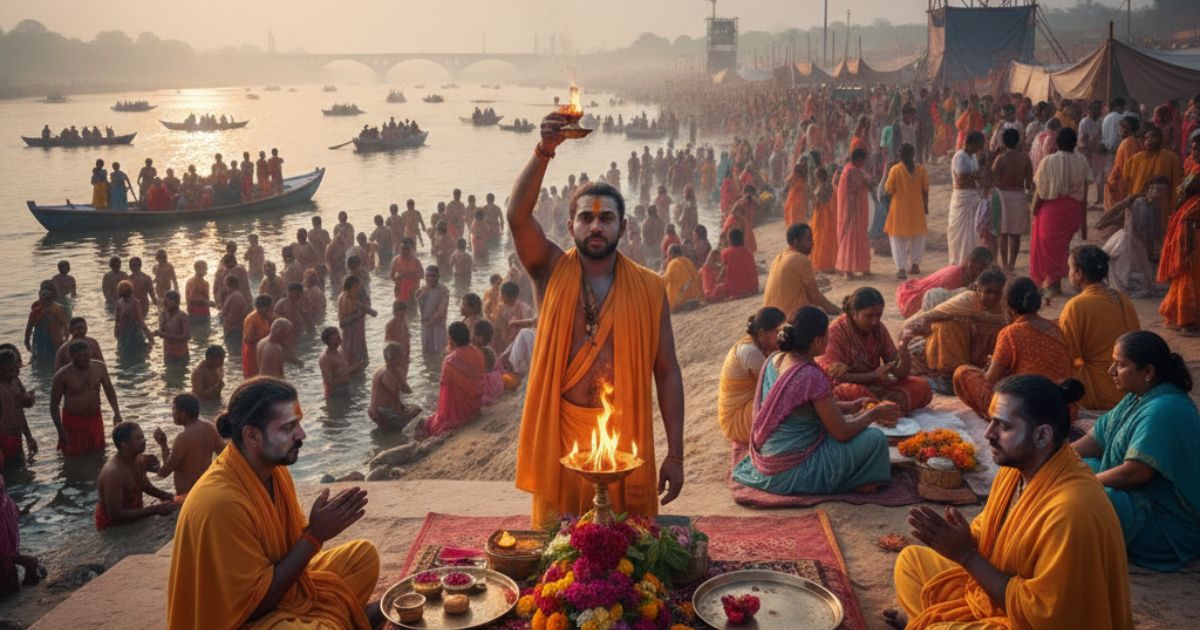
Explore Magh Purnima 2026 Prayagraj, understanding the importance of Sangam Snan, puja, and dan, along with spiritual significance, rituals, and holy bathing benefits.
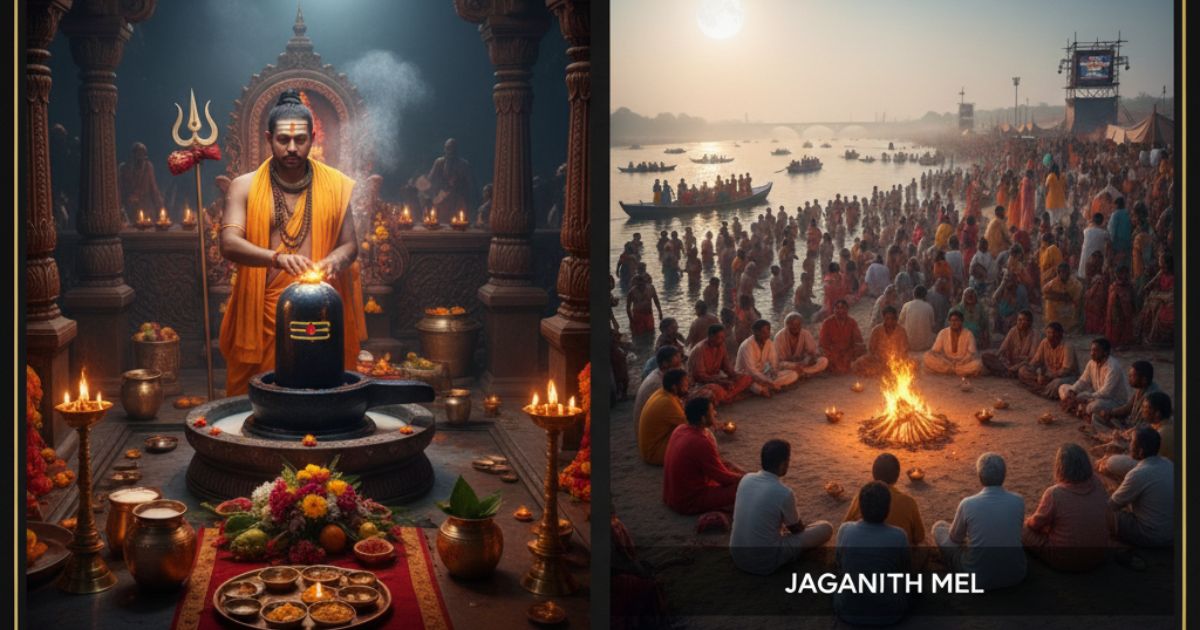
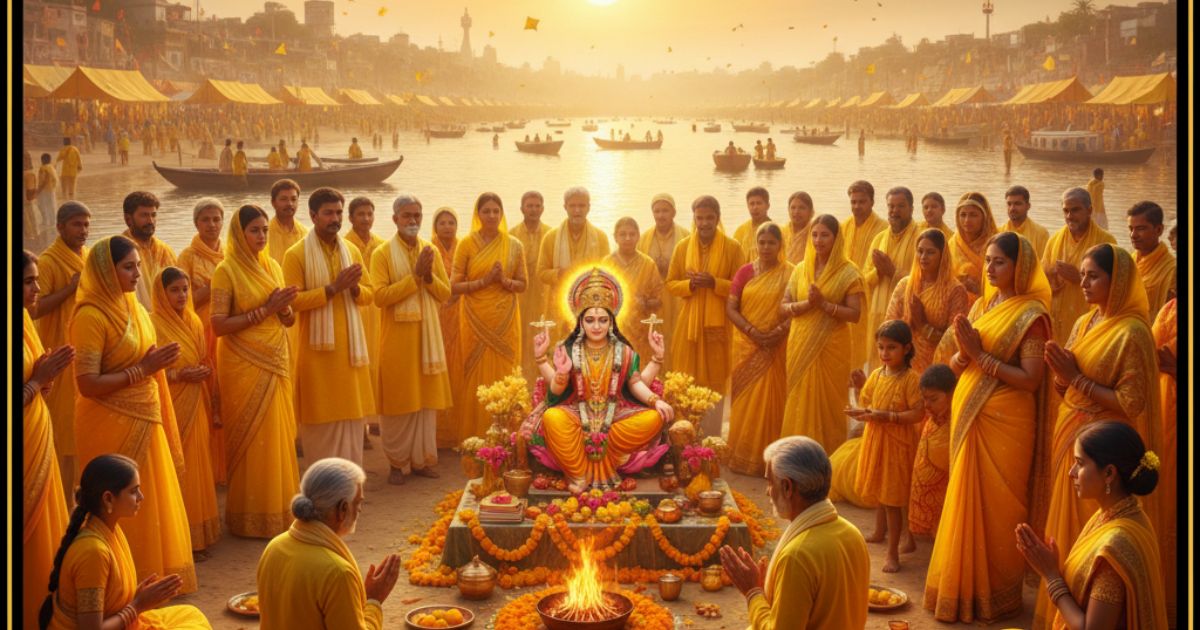
Imagine standing at the sacred Triveni Sangam as millions of devotees gather under the radiant full moon, the air electric with devotion, the rivers shimmering with reflected moonlight and countless diyas floating downstream. This is Magh Purnima 2026—the culminating crescendo of the entire month-long Magh Mela, considered one of the most spiritually potent moments in the Hindu calendar. While every day of Magh Mela carries blessings, Magh Purnima stands apart as the ultimate opportunity for karmic purification, ancestral liberation, and divine grace. Whether you’re planning your pilgrimage or simply seeking to understand this profound festival, let’s explore why Magh Purnima Prayagraj is described in ancient texts as the “king of all sacred bathing days” and how you can maximize its transformative potential through proper sangam snan magh mela practices, authentic puja procedures, and meaningful charitable acts.
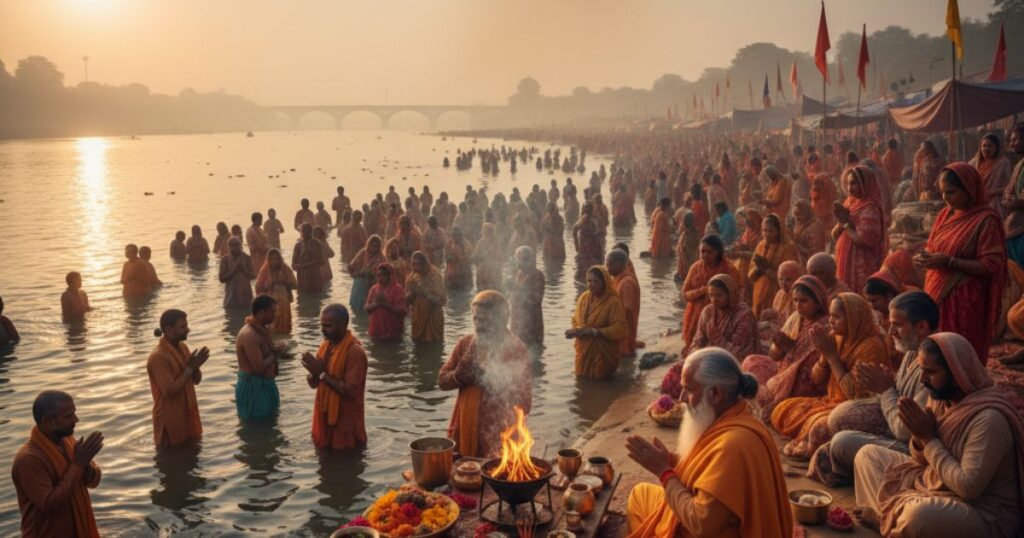
The Spiritual Power of Full Moon in Magh Month
Full moons (Purnima) have always held special significance in Hindu tradition, representing completeness, fulfillment, and the peak of lunar energy. But Magh Purnima—the full moon occurring in the Hindu month of Magh (January-February)—carries extraordinary spiritual weight.
Why? During Magh, the Sun transits through Capricorn in its northward journey (Uttarayan), a period considered highly auspicious. When the full moon illuminates this already blessed month, the convergence of solar and lunar energies creates what Vedic astrology describes as a “spiritual power grid”—optimal conditions for consciousness transformation.
Think of it this way: if regular days are like standard electrical outlets, and auspicious tithis are like power strips, then Magh Purnima is like plugging into the main power source itself. Your spiritual practices, charitable acts, and sacred intentions receive exponentially amplified results.
Why Magh Purnima is the Grand Finale of Magh Mela
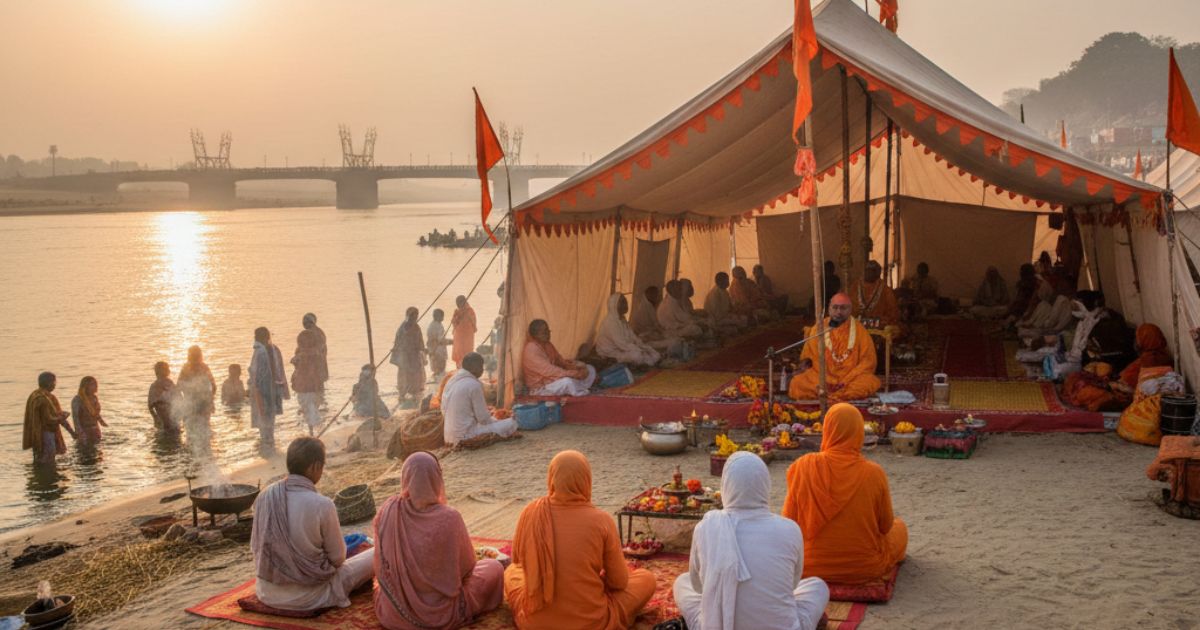
The entire month-long Magh Mela builds toward Magh Purnima 2026 as its climactic conclusion. Those observing Kalpavas (ritualistic camping at Sangam for the entire month) complete their intensive spiritual practice on this day. Those who could attend only one day of Magh Mela traditionally choose Magh Purnima for maximum benefit.
Ancient scriptures declare that a single bath at Prayagraj’s Triveni Sangam on Magh Purnima equals the merit of bathing there every day for the entire month. For pilgrims unable to spend weeks at the Mela, this single day offers concentrated blessings equivalent to extended observance.
The day also marks the formal conclusion of winter’s austerities and the transition into spring’s warmth, symbolizing the soul’s journey from spiritual discipline into divine grace and liberation.
Exact Date and Purnima Tithi Details
Magh Purnima 2026 falls on Sunday, February 1, 2026. This full moon day occurs on the fifteenth day of the waxing phase (Shukla Paksha) of the Magh month.
Purnima Tithi Timings:
- Begins: February 1, 2026, at approximately 3:00 AM
- Ends: February 1, 2026, at approximately 2:30 AM
Since the Purnima Tithi prevails during the majority of February 1th, including the critical morning and midday hours, this becomes the primary celebration date for all rituals and sacred bathing.
Moonrise Time in Prayagraj:
- Approximately 6:15 PM on February 1, 2026
The full moon’s visibility adds to the day’s spiritual ambiance, though the main rituals occur during daylight hours.
Best Muhurat for Sangam Snan and Rituals
Brahma Muhurta (Pre-Dawn Sacred Period):
- Timing: Approximately 3:00 AM to 6:30 AM
- Significance: The most spiritually potent time for meditation and sacred bath
Morning Punya Kaal (Auspicious Period):
- Timing: Approximately 6:30 AM to 12:30 PM
- Significance: Ideal window for sangam snan magh mela and main puja rituals
Peak Muhurat:
- Timing: Approximately 7:00 AM to 10:00 AM
- Significance: Maximum spiritual benefit for bathing and charitable donations
Afternoon Period:
- Timing: 12:30 PM to 5:30 PM
- Significance: Suitable for additional prayers, temple visits, and completing vows
Evening Rituals:
- Timing: After 5:30 PM until moonrise
- Significance: Perfect for Ganga aarti, diya floating, and contemplative practices
For personalized muhurat calculations based on your birth chart and specific spiritual goals, consult a qualified Vedic astrologer well before the date.
Scriptural References and Mythological Stories
Ancient Hindu scriptures overflow with praise for Magh Purnima Prayagraj:
Matsya Purana declares: “One who bathes at Prayag on Magh Purnima attains the fruits of all pilgrimages and is liberated from the cycle of birth and death.”
Padma Purana states: “Bathing at the confluence on Magh Purnima destroys sins accumulated across ten thousand lifetimes and grants moksha (liberation).”
Skanda Purana describes how Lord Brahma himself performed intense austerities at Prayag, culminating on Magh Purnima when he received cosmic knowledge from Lord Vishnu.
Mahabharata Connection: It’s believed that Yudhishthira and the Pandavas performed sacred baths and ancestral offerings at Prayag during their exile, with Magh Purnima being particularly significant for pitru tarpan (ancestral rites).
Sage Bhardwaj’s Story: The great sage Bhardwaj established his ashram at Prayag and declared Magh Purnima as supremely auspicious after receiving divine visions during meditation on this day.
These aren’t mere poetic exaggerations—they reflect deep understanding of how specific times and places concentrate spiritual energies, creating optimal conditions for consciousness transformation.
Karmic Purification and Liberation Benefits
What exactly happens spiritually during Magh Purnima 2026 at Prayagraj? Traditional texts describe multilayered benefits:
Physical Purification: The sacred waters cleanse bodily impurities and toxins, both literal and energetic.
Mental Cleansing: The collective devotional atmosphere and sacred environment calm mental turbulence, creating clarity and peace.
Emotional Release: Many pilgrims experience spontaneous emotional catharsis—releasing suppressed grief, guilt, anger, or fear—during or after the sacred bath.
Karmic Dissolution: Sincere bathing with proper intention is believed to “burn” karmic seeds—accumulated tendencies and consequences from past actions—reducing their power over your future.
Ancestral Liberation: Performing pitru tarpan (offerings to ancestors) at Sangam on Magh Purnima is said to free departed souls from suffering realms and aid their spiritual evolution.
Consciousness Elevation: The ultimate benefit—a permanent shift in consciousness toward higher awareness, compassion, and spiritual understanding.
Can we prove these benefits scientifically? Not in conventional terms. But millions of sincere practitioners across millennia have reported profound transformations following Magh Purnima observances at Prayagraj. The consistency of these reports suggests something real and significant occurs, even if it transcends current scientific measurement capabilities.
Sacred Sangam Snan Magh Mela on Purnima
Significance of the Holy Bath
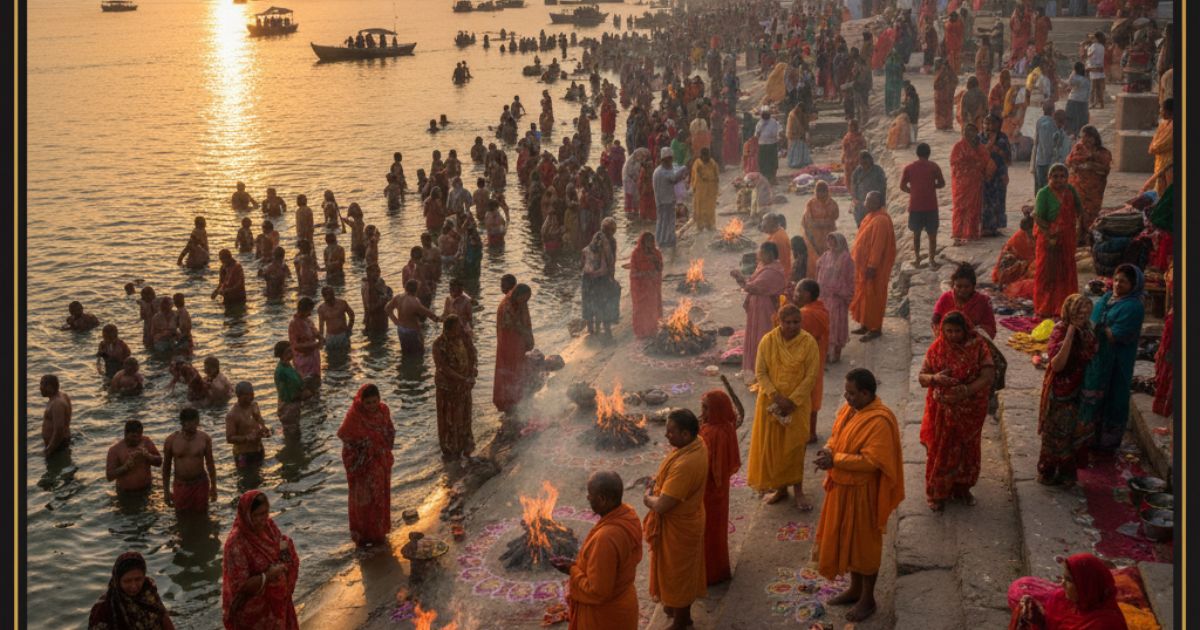
The sangam snan magh mela on Purnima isn’t just physical bathing—it’s a sacred ritual symbolizing death and rebirth. You enter the waters carrying accumulated karmic baggage, and emerge purified, renewed, ready to begin life fresh.
The Triveni Sangam—where Ganga, Yamuna, and mystical Saraswati converge—represents the meeting point of multiple energy currents. Physical science recognizes that when rivers meet, their waters create vortexes and special flow patterns. Spiritual science adds that these geographical features mirror and amplify subtle energy dynamics.
On Magh Purnima 2026, when cosmic alignments optimize this already powerful location, the confluence becomes what yogis call a “power spot”—a place where the veil between material and spiritual realms thins, making consciousness transformation more accessible.
Proper Bathing Rituals and Procedures
Don’t just rush in and out of the water—approach the sacred bath with proper reverence:
Step 1: Mental Preparation Before even reaching the ghats, cultivate devotional mindset. Remember why you’re here—not tourism, but spiritual transformation.
Step 2: Sankalp (Sacred Intention) Standing at the riverbank, face east, and take sankalp. State your name, family lineage (if known), and clear intention:
“I am taking this sacred bath at Triveni Sangam on Magh Purnima to purify accumulated karmas, seek divine blessings, and progress on my spiritual path.”
Some pilgrims include specific prayers—health, family welfare, liberation of ancestors, spiritual awakening.
Step 3: Respectful Entry Remove footwear well before the water. Walk slowly, mindfully toward the confluence. Don’t treat it casually—you’re entering a living temple.
Step 4: Initial Prayer Before immersing, bow to the rivers: “Namami Gange, Yamune, Saraswati—I bow to you, holy rivers. Please purify me and bless me.”
Step 5: Triple Immersion The traditional minimum is three complete immersions:
- First dip: “May my physical impurities be washed away”
- Second dip: “May my mental impurities be cleansed”
- Third dip: “May my karmic impurities be dissolved”
Some pilgrims do five, seven, or even 108 dips if time and energy permit.
Step 6: Underwater Prayer While underwater (if comfortable), mentally repeat your chosen mantra or simply surrender to the divine presence.
Step 7: Arghya to Surya (Sun Offering) After bathing, while still in the water, offer water to the rising sun (if morning):
- Cup water in both palms
- Raise above head
- Release while facing sun
- Chant: “Om Suryaya Namah”
Step 8: Gratitude and Exit Thank the sacred rivers, take your final bow, and exit slowly. Change into clean, dry clothes immediately—don’t remain in wet bathing clothes.
Step 9: Immediate Meditation If possible, sit quietly near the ghats for 10-15 minutes after bathing. The post-bath state offers heightened receptivity for meditation and prayer.
Mantras to Recite During Snan
Ganga Mantra:
ॐ गं गंगायै नमः
Om Gam Gangayai Namah
Yamuna Mantra:
ॐ यं यमुनायै नमः
Om Yam Yamunayai Namah
Saraswati Mantra:
ॐ सं सरस्वत्यै नमः
Om Sam Saraswatyai Namah
Combined Triveni Mantra:
गंगा च यमुना चैव गोदावरी सरस्वती।
नर्मदा सिन्धु कावेरी जलेऽस्मिन् संनिधिं कुरु॥

Ganga Cha Yamuna Chaiva Godavari Saraswati।
Narmada Sindhu Kaveri Jale'smin Sannidhim Kuru॥
(Invokes all seven sacred rivers to be present in the water you’re bathing in)
Simple Universal Prayer:
सर्वेषां स्वस्ति भवतु। सर्वेषां शान्तिर्भवतु।
सर्वेषां पूर्णं भवतु। सर्वेषां मङ्गलं भवतु।

Sarvesham Svasti Bhavatu। Sarvesham Shantir Bhavatu।
Sarvesham Purnam Bhavatu। Sarvesham Mangalam Bhavatu।
(May wellbeing, peace, fulfillment, and auspiciousness be upon all beings)
Complete Magh Purnima Puja Vidhi
Pre-Puja Preparations
Materials Needed:
- Sacred bath at Sangam (completed first)
- Clean puja cloth
- Images or idols of chosen deities
- Fresh flowers (especially white and yellow)
- Incense sticks and dhoop
- Ghee lamp and camphor
- Fruits and sweets for offering
- Sacred thread (kalava/mauli)
- Kumkum, turmeric, sandalwood paste
- Rice grains (akshat)
- Betel leaves and nuts
- Water in kalash (sacred pot)
- Donation items ready (cash, grains, clothing)
Step-by-Step Puja Procedure
Step 1: Purification Having already taken your sacred bath, ensure you’re wearing clean clothes. Sit facing east on a clean mat or cloth.
Step 2: Pranayama and Dhyana Perform three deep breaths to center yourself. Close eyes and meditate briefly on your ishta devata (chosen deity).
Step 3: Sankalp Take formal sankalp for the Magh Purnima puja: “On this sacred day of Magh Purnima at Prayagraj, I perform this puja to honor the divine, purify myself, and seek blessings for [state your intentions].”
Step 4: Ganesh Puja Always begin with Lord Ganesha:
- Offer flowers and modak
- Chant: “Om Gam Ganapataye Namah” (11 times)
- Request removal of obstacles
Step 5: Kalash Puja Worship the sacred water pot representing divine presence and the rivers themselves.
Step 6: Main Deity Worship Worship your chosen deity (Krishna, Shiva, Vishnu, Devi, or any ishta devata):
- Offer flowers with each name of the deity
- Light incense and lamp
- Offer fruits and sweets
- Chant deity-specific mantras (minimum 108 times)
Step 7: Surya Puja Special worship of Sun god:
- Offer red flowers
- Light ghee lamp
- Chant Surya mantras
- Offer arghya (water in cupped palms)
Step 8: Chandra (Moon) Puja Since it’s Purnima, honoring the full moon is appropriate:
- Offer white flowers
- Offer milk or sweet rice
- Chant: “Om Som Somaya Namah” (108 times)
Step 9: Pitru Tarpan (if performing) Ancestral offerings (detailed in separate section below)
Step 10: Aarti Perform aarti with lit lamp, singing devotional songs.
Step 11: Prasad Distribution Offer prasad to deity, then distribute among participants and donate to needy.
Step 12: Dan (Charity) Perform charitable donations (detailed in next section)
Step 13: Pradakshina and Pranam If possible, circumambulate the puja space (or mentally the sacred Sangam). Prostrate in final gratitude.
Deities to Worship on Magh Purnima
While you can worship any deity, certain ones are particularly relevant:
Lord Vishnu/Krishna: Protector and sustainer; Prayagraj is especially connected to Vishnu Lord Shiva: Many worship Shiva at Prayagraj’s ancient temples Goddess Ganga, Yamuna, Saraswati: The rivers themselves as divine mothers Surya (Sun God): For Uttarayan blessings Chandra (Moon God): For Purnima’s full moon energy Ancestors (Pitrus): For their liberation and blessings
The Sacred Practice of Dan (Charity) on Magh Purnima
Why Charity is Essential on This Day
Hindu philosophy holds that spiritual purification isn’t complete without material sharing. Taking a holy bath cleanses your consciousness; charitable giving cleanses your relationship with the material world.
Magh Purnima 2026 amplifies charitable merit exponentially. The Puranas state that donations made at Prayagraj on Magh Purnima yield “akshaya punya”—inexhaustible spiritual merit that benefits you across lifetimes.
But there’s deeper psychology here: genuine charity—giving without expectation—breaks the ego’s grip. When you give freely on this auspicious day, you’re practicing non-attachment, compassion, and recognition that all abundance flows from divine source, not personal ownership.
What to Donate and to Whom
Traditional Donations:
Til (Sesame) and Gud (Jaggery): Classic Magh Mela donations Grains: Rice, wheat, lentils (sustenance for needy families) Clothing: New or clean used clothing, especially warm items in February Blankets: Crucial for cold nights Utensils: Pots, plates, cups Money: Cash donations to temples, ashrams, or directly to needy Food: Prepared meals or raw ingredients Cows or Cow Support: Traditional most meritorious donation; alternatively, donate to gaushalas Educational Support: Books, school supplies, tuition support Medical Aid: Medicines, medical equipment, health camp support
To Whom:
- Brahmins and spiritual practitioners
- Poor families
- Widows and elderly
- Disabled individuals
- Orphanages and old-age homes
- Temples, ashrams, and dharamshalas
- Gaushalas (cow shelters)
- Educational institutions
- Medical camps
Quality Over Quantity: Don’t focus on impressive amounts—give according to your capacity with sincere heart. A widow’s small grain donation with pure intention equals a wealthy person’s large donation made for show.
Timing and Method of Dan
Best Time for Dan:
- Immediately after your sacred bath and puja
- During morning Punya Kaal (7:00 AM – 12:30 PM)
- The closer to your bath, the more ritually correct
Proper Method:
- Purify the donation items (sprinkle water, offer brief prayer)
- Face east while donating
- Hand items respectfully to recipient (don’t throw or drop)
- Say: “Please accept this humble offering. May it bring you benefit.”
- Don’t expect or demand gratitude
- Don’t photograph yourself giving (ego-defeating)
- After donating, mentally dedicate merit: “May the merit of this charity benefit all beings, especially my ancestors and those in need”
Special Rituals Unique to Magh Purnima
Kalpavas Conclusion Ceremony
For those who’ve observed Kalpavas—living at Sangam for the entire month of Magh with strict disciplines—Magh Purnima 2026 marks the formal conclusion:
Conclusion Ritual:
- Final sacred bath at Sangam
- Complete puja thanking the rivers and deities
- Major charitable donations
- Breaking of observed vows
- Seeking forgiveness for any lapses during the month
- Final prostration to the sacred ground
- Return home with blessings
Kalpavis (those observing Kalpavas) are considered especially blessed, having maintained intensive spiritual practice for an entire lunar month.
Pitru Tarpan and Ancestral Offerings
Magh Purnima is supremely auspicious for pitru tarpan—offerings to departed ancestors:
Procedure:
- After your bath, while still at riverbank
- Face south (direction of pitru loka, ancestral realm)
- Cup water mixed with sesame seeds and rice in right hand
- Recite ancestor’s name: “[Ancestor’s name], to you I offer this tarpan”
- Release water toward south
- Repeat for each ancestor (father, grandfather, great-grandfather, mother, grandmother, great-grandmother)
- Offer general tarpan for all ancestors
- Pray for their peace, evolution, and liberation
Mantra:
ॐ पितृभ्यः स्वधा नमः।
Om Pitribhyah Swadha Namah।
This practice is believed to free ancestors from suffering states and bring their blessings upon descendants.
Sankalp and Vow Fulfillment
Many pilgrims take vows (sankalp) at the beginning of Magh Mela, promising specific spiritual practices, charitable acts, or life changes. Magh Purnima 2026 is the traditional day to formally complete and conclude these vows.
Fulfillment Ceremony:
- Recall your original sankalp
- State: “I have completed the vow taken on 2026“
- Offer gratitude for divine support in fulfilling it
- Make final donations related to the vow
- Take new sankalps for the coming year (optional)
Crowds and Practical Considerations
Managing the Largest Magh Mela Day
Magh Purnima attracts the absolute largest crowds of the entire Magh Mela—often several million people in a single day. This creates both spiritual intensity and practical challenges.
Crowd Management Strategies:
Arrive Very Early: Reach Sangam by 4:00-5:00 AM to avoid peak density
Choose Strategic Location: Upstream or downstream from the main confluence point may be less crowded while still sacred
Go in Groups: Never attend alone; maintain constant contact with companions
Establish Meeting Points: Pre-decide multiple backup meeting locations if separated
Wear Identifiable Clothing: Bright colors or specific markers help locate family members
Carry Minimal Valuables: Bring only essentials; leave jewelry and excess cash secured at accommodation
Stay Hydrated: Carry water bottle; dehydration is common in crowds
Follow Official Guidance: Respect police and volunteer directions—they manage flow for everyone’s safety
Safety Tips for Pilgrims Magh Purnima 2026 Prayagraj
Physical Safety:
- Avoid stampede-prone areas during peak hours
- If caught in dense crowd, move diagonally toward edges, never against flow
- Protect children and elderly with extra vigilance
- Know emergency helpline numbers (save in phone)
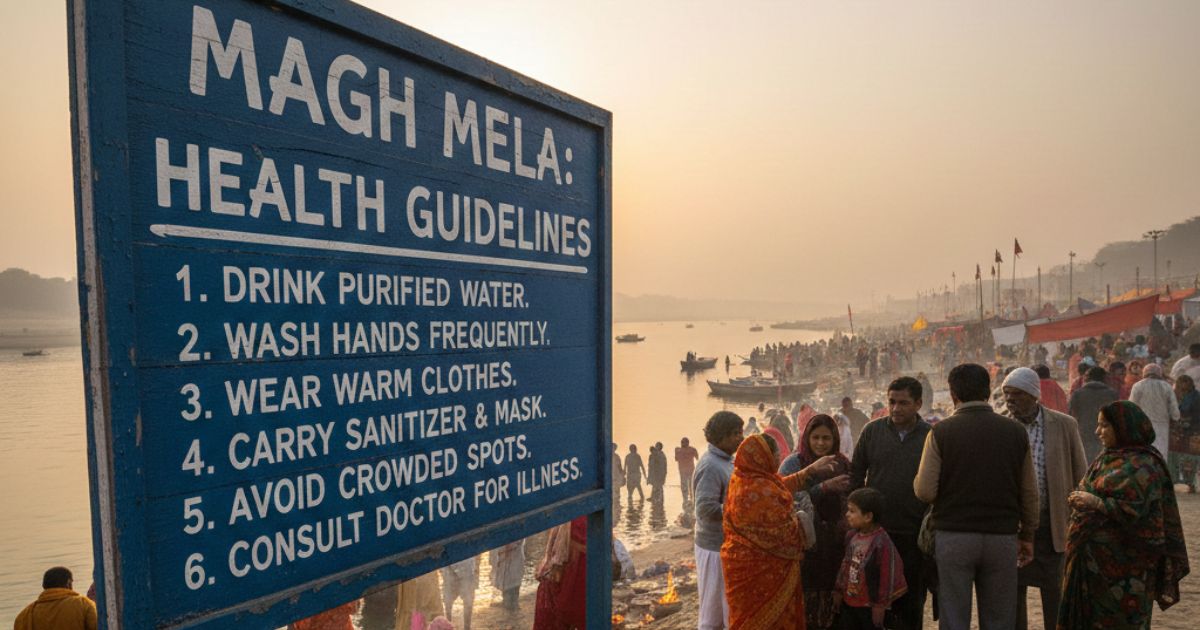
Health Safety:
- Take essential medications
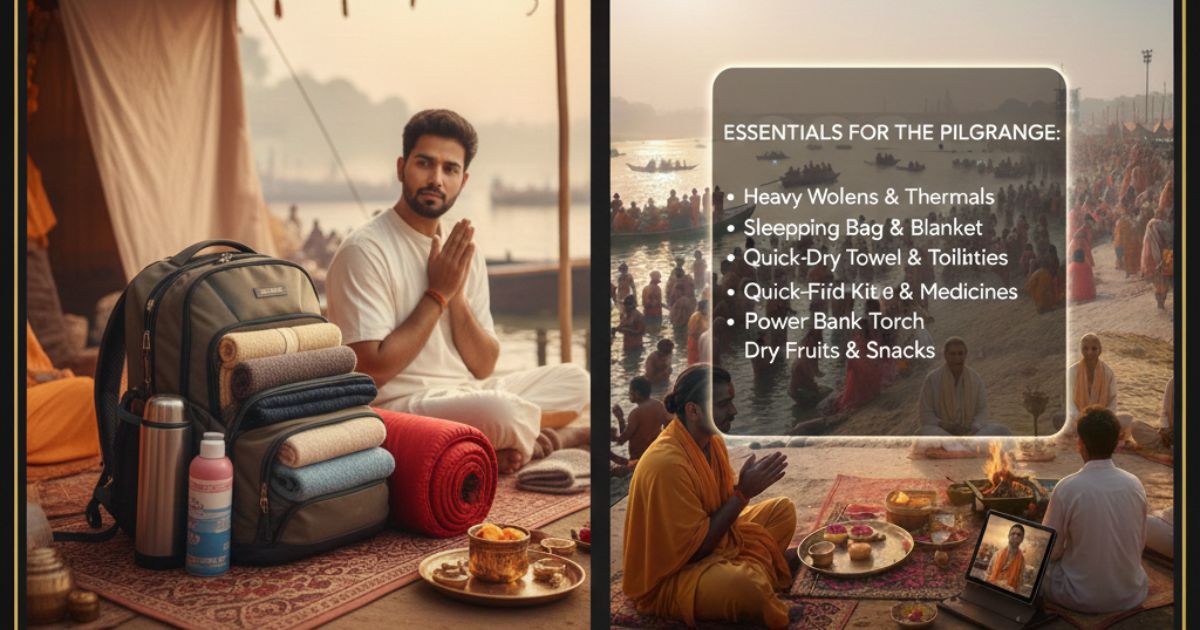
- Wear weather-appropriate clothing (February can be cold, especially at dawn)
- Eat light before bathing (heavy meal before cold-water immersion can cause problems)
- Dry and warm yourself immediately after bath
Security Safety:
- Use money belts or hidden pouches
- Don’t display cash or valuables
- Be cautious of overly friendly strangers (some are scam artists)
- Women should stay in groups, especially in crowded areas
Spiritual Safety:
- Don’t get so caught up in logistics that you forget the spiritual purpose
- Maintain devotional mindset despite chaos
- Remember: the crowd itself is part of the experience—millions seeking divine connection together
Spiritual Practices Beyond the Bath
Meditation and Contemplation
The sacred bath is central, but Magh Purnima 2026 offers a full day of spiritual opportunity:
Post-Bath Meditation: Find a quiet spot (temple, ashram, or your accommodation) and sit for extended meditation. The post-bath state offers heightened spiritual receptivity—use it.
Contemplative Questions:
- What am I releasing as I symbolically die and am reborn today?
- What new qualities or commitments am I carrying forward?
- How can I serve others with the blessings I’ve received?
Silence Practice: Some pilgrims observe silence (mauna) for part or all of Magh Purnima, deepening introspection.
Chanting and Kirtan
Join or organize group chanting:
- Visit temples for scheduled bhajan/kirtan sessions
- Participate in continuous Rama Nama chanting at designated locations
- Join Ganga aarti in evening (massive collective devotion)
The full moon energy of Purnima particularly supports devotional singing and chanting.
Regional Variations of Magh Purnima Celebrations
While Prayagraj represents the epicenter, Magh Purnima is celebrated throughout India:
Ganga-side Cities: Varanasi, Haridwar, Rishikesh—all conduct special Purnima celebrations Bengal: Massive pilgrimage to Gangasagar where Ganga meets ocean South India: Full moon worship with focus on Chandra (moon god) Maharashtra: Rivers like Godavari become pilgrimage sites Gujarat: Combines with local traditions along Narmada River
Each region adds unique flavors while honoring the universal themes of purification, charity, and spiritual renewal.
Foods and Prasad for Magh Purnima
Sattvic Foods:
- Kheer (sweet rice pudding) offered to moon
- Fresh fruits
- Simple rice-lentil combinations
- Seasonal vegetables
- Halwa or sweet dishes made with ghee
- Milk-based preparations
Foods to Avoid:
- Non-vegetarian items
- Onion and garlic (tamasic foods)
- Alcohol
- Processed or junk food
The principle: eat light, pure, and consciousness-elevating foods that support your spiritual state
🌐 Website: astroinsights.guru
📞 Phone: +916306407641
📧 Email: astroinsightsguru@gmail.com
Conclusion
Magh Purnima 2026 at Prayagraj represents a once-in-a-year opportunity to participate in one of Hinduism’s most sacred observances. The convergence of full moon luminosity, Uttarayan’s solar blessing, Magh month’s inherent auspiciousness, and Triveni Sangam’s geographical sacredness creates a spiritual opportunity of immense magnitude. Whether you’re completing a month-long Kalpavas, making a single-day pilgrimage, or observing from home, approaching this day with proper understanding, authentic sangam snan magh mela procedures, sincere Magh Purnima puja, and generous charitable giving opens doors to transformation that ripple across lifetimes. As millions gather under February’s full moon at the sacred confluence, they’re not just following tradition—they’re participating in an ancient, living transmission of wisdom that has guided seekers toward liberation for millennia. May your Magh Purnima Prayagraj experience be filled with divine grace, may your sacred bath wash away accumulated karmas, may your prayers be answered, may your charity multiply blessings, and may you emerge from this sacred day renewed, purified, and closer to your ultimate spiritual goal.
FAQs
1. Can I take my Magh Purnima sacred bath at any time of day, or is morning essential?
Morning hours, especially Brahma Muhurta (pre-dawn) through mid-morning, are considered most auspicious. However, if circumstances prevent morning bathing, afternoon is acceptable—evening less so, and night generally avoided. The key is bathing during daylight hours when Purnima Tithi prevails. Morning is ideal but not absolutely mandatory if genuine obstacles exist.
2. Is Magh Purnima more important than Makar Sankranti or Mauni Amavasya during Magh Mela?
Different traditions emphasize different days. Makar Sankranti marks the Mela’s auspicious opening, Mauni Amavasya is extremely powerful for silence and introspection, and Magh Purnima serves as the grand culmination. Scripturally, all three are considered supremely auspicious—no single day is definitively “more important.” Ideally, experiencing all three provides complete Magh Mela blessing, but if choosing only one, any of these three is excellent.
3. What should I do if I’m physically unable to bathe in the actual river due to health conditions?
Hindu tradition recognizes that sincere intention matters more than physical capability. Alternatives include: (1) Bathing at home while mentally connecting with Sangam, (2) Having someone bring Sangam water for you to bathe with at accommodation, (3) Sprinkling Sangam water on your head symbolically, (4) Performing mental bath while sitting at riverbank. The divine honors all sincere efforts according to individual capacity.