Effects and Characteristics of the Planet Sun in Astrology

Discover the effects and characteristics of the Planet Sun in astrology, exploring its role in confidence, leadership, vitality, personality, and overall life direction.

What if I told you that there’s one celestial body so powerful that it literally shapes your soul, defines your identity, and determines how brightly you shine in this world? In Vedic astrology, that celestial body is the Sun—and understanding its effects can transform how you see yourself and your life’s purpose.

The Sun isn’t just another planet in your horoscope. It’s the king, the ruler, the very center around which all other planetary influences revolve. Just as our physical Sun sustains all life on Earth, the astrological Sun sustains your inner fire, your willpower, and your fundamental sense of who you are.
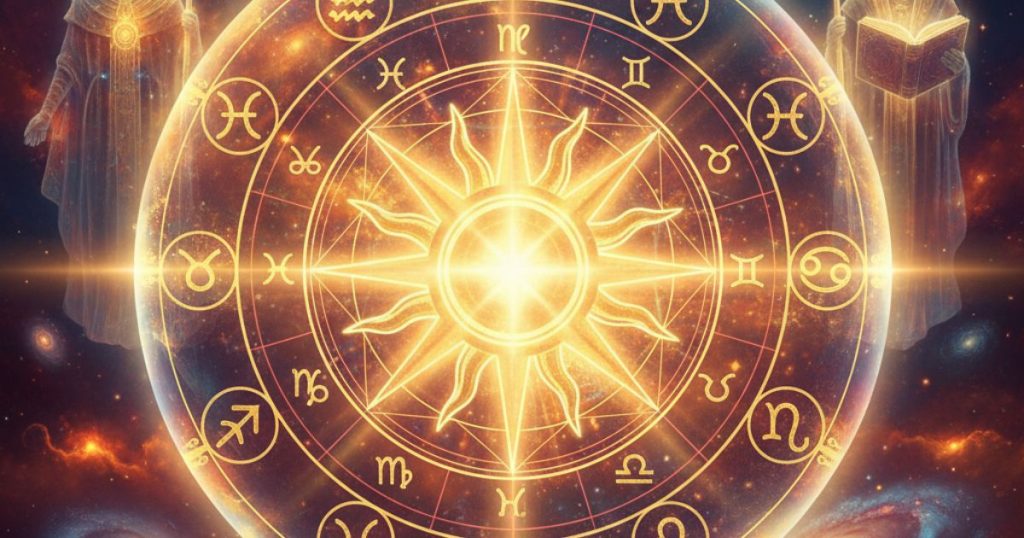
Effects and Characteristics of the Planet Sun

The Sun as the King of Planets

Mythological Significance of the Sun

In Vedic mythology, the Sun is known as Surya Dev—the divine lord of light and life. According to ancient texts, Surya rides a golden chariot pulled by seven horses, representing the seven colors of light and the seven days of the week. His charioteer is Aruna, the personification of dawn.

Surya is the son of sage Kashyapa and Aditi, making him one of the Adityas—the celestial deities. His wives include Sanjna and Chhaya (Shadow), and his children include Yama (god of death), Yamuna (the sacred river), Shani (Saturn), and the divine twins Ashwini Kumaras.

This rich mythology isn’t just storytelling—it encodes profound astrological wisdom. The Sun’s relationship with Saturn (as father and son with complex dynamics) explains why these planets create significant karmic patterns in horoscopes. Understanding these mythological connections deepens our comprehension of planetary effects.

Scientific and Spiritual Perspectives

From a scientific standpoint, the Sun is a massive star at the center of our solar system, providing light, heat, and energy essential for all life. Without the Sun, Earth would be a frozen, lifeless rock floating in darkness. This scientific reality mirrors its astrological significance perfectly.

Spiritually, the Sun represents Atma—the eternal soul that transcends physical existence. In Vedantic philosophy, the individual soul (Jivatma) is considered a spark of the universal consciousness (Paramatma), just as sunlight is an extension of the Sun itself. This connection makes the Sun the most spiritual planet in Vedic astrology.

The Sun governs our connection to the divine, our spiritual evolution, and our ultimate purpose in this lifetime. A well-placed Sun indicates a person aligned with their dharma (righteous path), while an afflicted Sun suggests soul-level lessons requiring attention.

Core Characteristics of the Sun

Symbol of Soul and Self-Identity

Your Sun sign isn’t just a fun fact for horoscope readings—it represents your core essence, your fundamental identity, and the truest expression of who you are. Think of it as your spiritual DNA, the unchanging center around which your entire personality develops.

The Sun governs self-awareness, self-expression, and self-confidence. People with strong Sun placements know who they are without needing external validation. They’re comfortable in their own skin, authentic in their interactions, and clear about their values and beliefs.

When someone asks “Who are you?”—your Sun answers that question. It’s not about your job, relationships, or achievements. It’s about your essential nature, your deepest motivations, and the light you bring into the world simply by being yourself.

Representation of Authority and Power

The Sun is the natural significator of authority, leadership, and power in Vedic astrology. It governs kings, rulers, government officials, and anyone in positions of command. Its energy is commanding, authoritative, and inherently dignified.

This doesn’t mean every person with a strong Sun becomes a political leader. Authority manifests in various forms—being the head of a household, leading a team at work, guiding a community, or simply being someone whose opinions carry weight. The Sun gives you the capacity to lead, influence, and command respect.

Power associated with the Sun is legitimate and earned rather than manipulative or coerced. Solar authority comes from genuine competence, character, and integrity. People follow Sun-influenced leaders because they trust and respect them, not because they fear them.

Source of Vitality and Life Force

Just as the physical Sun provides energy to our planet, the astrological Sun governs your vitality, energy levels, and overall life force. It determines how much physical and mental stamina you possess and how well you recover from illness or exhaustion.

A strong Sun gives robust health, quick recovery, and seemingly endless energy. These individuals wake up ready to conquer the day and maintain their momentum from sunrise to sunset. Their presence feels energizing to others—being around them literally feels uplifting.

Conversely, a weak Sun can manifest as chronic fatigue, low vitality, and susceptibility to illness. The internal fire burns too low, leaving the person feeling depleted, unmotivated, and physically vulnerable. Strengthening the Sun through remedies becomes essential for such individuals.

Indicator of Father and Paternal Figures

In Vedic astrology, the Sun represents the father, father figures, and paternal lineage. Its placement in your chart reveals your relationship with your father, his influence on your life, and inherited traits from the paternal side of your family.

A well-placed Sun typically indicates a positive relationship with the father—he may be supportive, successful, and a source of guidance. The individual often benefits from their father’s reputation, connections, or resources.

An afflicted Sun can indicate challenges with the father—absence, conflict, disappointment, or difficult dynamics. Sometimes it manifests as the father facing health issues, professional setbacks, or being unable to provide the support the child needs. Understanding this placement helps individuals process and heal father-related wounds.

The Sun in Different Houses of the Birth Chart

Sun in Houses 1-4

First House (Ascendant): The Sun in the first house creates a powerful, charismatic personality. These individuals radiate confidence and naturally attract attention. They possess strong willpower, leadership qualities, and excellent health. However, they may struggle with ego issues and need to balance self-focus with consideration for others.

Second House: This placement influences wealth, family, and speech. The Sun here can bring earnings through government, authority positions, or father’s resources. Speech tends to be authoritative and sometimes harsh. Family relationships may involve power dynamics, and there may be pride regarding lineage or accumulated wealth.

Third House: The Sun in the third house creates courageous, communicative individuals. They excel in writing, media, and expression-based careers. Relationships with siblings may involve competition or authority issues. Short travels often bring success, and these individuals possess remarkable willpower to achieve their goals.

Fourth House: This placement affects domestic life, mother, property, and inner peace. The Sun here can indicate a dominating mother or authority-related property matters. Despite external success, inner peace may feel elusive. These individuals often achieve success away from their birthplace and may have complex relationships with their homeland.

Sun in Houses 5-8

Fifth House: The Sun loves the fifth house—it’s one of its most favorable placements. This position blesses creativity, intelligence, children, and romance. Individuals possess natural artistic talents, enjoy speculation and investments, and often have accomplished children. Romance is passionate, and leadership comes through creative expression.

Sixth House: The Sun in the sixth house creates excellent competitors who overcome enemies and obstacles. These individuals thrive in conflict, competition, and challenging situations. Health is generally good after overcoming initial vulnerabilities. They excel in service-oriented careers, medicine, law, and positions requiring daily discipline.

Seventh House: This placement significantly impacts partnerships and marriage. The Sun here may delay marriage or attract authoritative, sometimes dominating partners. Business partnerships work best with government entities or powerful individuals. These individuals must balance their need for independence with partnership requirements.

Eighth House: The eighth house Sun brings transformation, occult interests, and inheritance possibilities. Health requires attention, particularly regarding heart and bones. These individuals possess deep psychological insight and may work in research, investigation, or hidden matters. Longevity can be affected, requiring Sun-strengthening remedies.

Sun in Houses 9-12

Ninth House: The Sun thrives in this house of fortune, dharma, and higher learning. This placement brings luck, spiritual inclination, and beneficial relationships with teachers and mentors. Father is often successful and influential. Foreign travels bring success, and higher education yields recognition. These individuals naturally attract fortune.

Tenth House: The Sun achieves its directional strength (Dig Bala) in the tenth house, making this one of its most powerful placements. Career success, public recognition, and authority come naturally. Government and administrative positions particularly favor these individuals. They achieve prominence in their chosen fields and often become public figures.

Eleventh House: This placement blesses gains, friendships, and fulfilled desires. Income flows steadily, often from government sources or authoritative positions. Friendships with powerful individuals prove beneficial. Goals and ambitions materialize successfully. Elder siblings may hold influential positions or provide support.

Twelfth House: The Sun in the twelfth house requires careful analysis. It can indicate foreign residence, spiritual liberation, or challenges with authority in distant places. Expenses may be high, and father may live abroad or face difficulties. However, this placement can also bring spiritual advancement and success in isolated or foreign settings.

The Sun in Different Zodiac Signs

Sun in Fire Signs (Aries, Leo, Sagittarius)

Aries (Exalted): The Sun achieves exaltation in Aries, its most powerful zodiac position. Here, solar energy combines with Martian courage to create fearless, pioneering individuals. They’re natural leaders who initiate action and blaze new trails. Confidence is extraordinary, though patience may require development.

Leo (Own Sign): The Sun rules Leo, making this placement exceptionally strong. These individuals embody solar qualities at their finest—dignified, generous, creative, and naturally authoritative. They command attention without demanding it and lead through inspiration rather than intimidation. Pride is their main vulnerability.

Sagittarius: The Sun in Jupiter‘s fire sign creates wise, philosophical, and optimistic individuals. They possess natural teaching abilities and attract fortune through righteous conduct. Higher education and spiritual pursuits appeal strongly. They’re generous, broad-minded, and naturally fortunate in life’s journey.

Sun in Earth Signs (Taurus, Virgo, Capricorn)

Taurus: The Sun in Venus’s earth sign creates individuals focused on material security, beauty, and sensory pleasures. They’re determined, persistent, and build wealth steadily. Voice and speech may be notable. Stubbornness can be challenging, but their reliability and practical wisdom are valuable assets.

Virgo: This placement creates analytical, service-oriented individuals who excel in detailed work. They’re health-conscious, often working in healthcare or healing professions. Perfectionism can create stress, but their ability to improve systems and solve practical problems proves invaluable. Humility balances solar pride.

Capricorn: The Sun in Saturn’s sign faces challenges but develops remarkable character through them. These individuals achieve success through persistent effort, discipline, and hard-earned wisdom. Authority comes later in life after proving themselves. They become respected leaders known for practical competence and integrity.

Sun in Air Signs (Gemini, Libra, Aquarius)

Gemini: The Sun in Mercury’s air sign creates intellectually curious, communicative individuals. They excel in writing, speaking, and information-based careers. Versatility is their strength, though focus may need development. Multiple interests keep life exciting, and their wit and charm open many doors.

Libra (Debilitated): The Sun reaches its weakest position in Libra, the sign of its debilitation. This doesn’t mean failure—it means the solar qualities express differently. These individuals learn leadership through partnership, develop identity through relationships, and find authority through diplomacy. Balance and fairness become their path to power.

Aquarius: The Sun in Saturn’s air sign creates humanitarian, innovative thinkers. They lead groups, organizations, and social movements. Individual recognition matters less than collective achievement. They’re often ahead of their time, promoting progressive ideas that eventually transform society.

Sun in Water Signs (Cancer, Scorpio, Pisces)

Cancer: The Sun in the Moon’s sign creates nurturing yet authoritative individuals. They lead through emotional intelligence and protective instincts. Family and homeland hold great importance. Their authority often manifests in domestic or caring roles. Moodiness can affect consistency.

Scorpio: This intense placement creates powerful, transformative individuals. They possess psychological depth, investigative abilities, and regenerative capacity. Authority comes through understanding hidden matters and managing crises. Their intensity can intimidate, but their loyalty and depth create lasting influence.

Pisces: The Sun in Jupiter’s water sign creates compassionate, spiritual, and creative individuals. They lead through inspiration, imagination, and selfless service. Material ambition may be secondary to spiritual or artistic pursuits. Their gentle authority influences through wisdom and compassion rather than force.

Effects of a Strong Sun in the Horoscope

When the Sun is well-placed, exalted, in its own sign, or positively aspected, it bestows remarkable blessings. Let’s explore what a strong Sun brings to your life.

Unshakeable Confidence: Strong Sun individuals possess genuine, stable confidence. They don’t need external validation to feel worthy. This self-assurance remains steady through successes and failures alike.

Natural Leadership: Authority comes naturally without being demanded. People instinctively follow their guidance, recognizing their competence and character. Leadership positions seem to find them.

Excellent Health and Vitality: Physical stamina is exceptional. They recover quickly from illness, maintain energy throughout demanding days, and age gracefully. Their presence feels energizing.

Professional Success: Career advancement comes steadily, often leading to prominence in their fields. Government connections prove beneficial. Recognition and respect follow their achievements.

Positive Father Relationship: The father is typically supportive, successful, and influential. Paternal inheritance—whether material or wisdom-based—proves beneficial.

Clear Life Purpose: These individuals know why they’re here. Their dharma feels clear, and they pursue it with dedication. Life feels meaningful and directed.

Effects of a Weak or Afflicted Sun

When the Sun is debilitated, combust, afflicted by malefics, or poorly placed, challenges arise that require understanding and remediation.

Low Self-Esteem: Confidence wavers, and self-doubt becomes persistent. These individuals may seek excessive external validation or struggle to recognize their own worth.

Authority Issues: Conflicts with authority figures—bosses, government, father figures—create ongoing challenges. They may either rebel against all authority or become inappropriately submissive.

Health Vulnerabilities: Vitality runs low, and susceptibility to illness increases. Heart problems, bone issues, eye troubles, and general weakness may manifest. Energy management becomes essential.

Career Obstacles: Professional advancement faces blocks, particularly in government or authority-related fields. Recognition feels elusive despite effort. Political situations often work against them.

Father-Related Challenges: The relationship with the father may be strained, absent, or disappointing. Father may face health, career, or personal difficulties that impact the family.

Identity Confusion: These individuals may struggle to know who they truly are, often defining themselves through others’ expectations rather than authentic self-expression.

Sun’s Relationship with Other Planets

Friendly Planets

The Sun shares positive relationships with the Moon, Mars, and Jupiter. When conjunct or aspecting these planets, results tend toward the favorable.

Sun-Moon: This combination creates emotional confidence and balanced personality. Leadership includes emotional intelligence.

Sun-Mars: Powerful combination for courage, initiative, and executive ability. Natural commanders and achievers.

Sun-Jupiter: Excellent for wisdom, fortune, and righteous authority. Creates benevolent leaders and spiritually inclined individuals.

Enemy Planets

The Sun has challenging relationships with Venus and Saturn. These combinations require careful analysis.

Sun-Venus (Combust Venus): When Venus gets too close to the Sun, it becomes combust, weakening Venusian significations. Relationships and artistic pursuits may face challenges.

Sun-Saturn: The father-son planetary relationship creates complex karmic patterns. Authority may be delayed, earned through hardship, or involve significant responsibilities.

Neutral Planets

Mercury and the Sun share a neutral relationship, though Mercury often becomes combust due to its proximity to the Sun.

Sun-Mercury: Intelligence combines with confidence. Communication and leadership skills integrate. However, combust Mercury can affect analytical abilities.

Career and Profession Influenced by the Sun

The Sun governs specific career domains where its influence brings success. Understanding these helps in career planning.

Government and Administration: All government jobs, civil services, politics, and administrative positions fall under solar influence. The Sun literally represents the king and governance.

Medicine and Healing: Particularly cardiology, ophthalmology, and general medicine. The Sun governs vitality and life force, making healing professions natural extensions.

Leadership Positions: CEOs, directors, presidents, chairpersons, and any role requiring authority and decision-making. The Sun creates executives and commanders.

Gold and Precious Items: Gold trading, jewelry (especially gold), precious metals, and luxury goods connect to solar significations.

Performing Arts: Theater, film, entertainment, and creative expression where one shines before audiences. The Sun loves recognition and performance.

Religious and Spiritual Leadership: Temple administration, religious teaching, and spiritual guidance. The Sun represents the soul and dharma.

At AstroInsights.guru, our career guidance consultations analyze your Sun’s placement alongside other factors to recommend optimal professional paths tailored to your unique birth chart.

Health Aspects Governed by the Sun

The Sun governs specific body parts and health matters requiring attention based on its placement and strength.

Heart: As the center of the body’s circulatory system, the heart directly corresponds to the Sun. Cardiac health requires attention when the Sun is afflicted.

Eyes: Particularly the right eye in males and left eye in females. Vision problems often connect to solar afflictions.

Bones and Spine: The structural framework of the body relates to the Sun. Bone density, spinal health, and skeletal strength come under its governance.

Head and Brain: The crown of the body, representing authority and consciousness. Headaches, brain-related issues, and neurological matters connect to solar influence.

Overall Vitality: General immunity, recovery ability, and life force depend on solar strength. A strong Sun means robust health; a weak Sun suggests vulnerability.

Digestive Fire: The ability to digest food and experiences relates to solar energy. Metabolism and digestive strength connect to the Sun’s condition.

Remedies to Strengthen the Sun

Gemstone Remedies

Ruby (Manikya): The primary gemstone for strengthening the Sun. Natural, untreated Ruby set in gold worn on the ring finger of the right hand amplifies solar energy. Wear on Sunday during Shukla Paksha (waxing moon) after proper energization.

Alternatives: If Ruby is unaffordable, Red Garnet or Red Spinel can serve as substitutes, though with lesser potency.

Important: Always consult a qualified astrologer before wearing gemstones. Ruby isn’t suitable for everyone—in some charts, it can create problems rather than solutions.

Mantras and Worship

Surya Mantra: Chanting “Om Suryaya Namaha” 108 times daily, preferably at sunrise facing east, invokes solar blessings.

Gayatri Mantra: The most powerful Vedic mantra directly addresses Savitar (the Sun). Regular practice strengthens solar influence profoundly.

Aditya Hridayam: This powerful hymn from the Ramayana, taught by sage Agastya to Lord Rama, specifically invokes solar blessings for victory and success.

Surya Puja: Formal worship of the Sun deity, especially on Sundays, strengthens its influence. Our Pandit booking services at AstroInsights.guru can arrange proper Surya Puja for you.

Lifestyle and Charity Remedies

Arghya (Water Offering): Offering water to the rising Sun while standing in sunlight and chanting Surya Mantra is a simple yet powerful daily practice.

Surya Namaskar: The yogic Sun Salutation sequence connects physical, mental, and spiritual dimensions with solar energy. Practice 12 rounds at sunrise for optimal benefit.

Charity: Donating wheat, jaggery (gur), copper items, or red cloth on Sundays pleases the Sun. Supporting father figures, government servants, or heart patients also helps.

Lifestyle: Wake before sunrise, spend time in morning sunlight, maintain dignity in conduct, and honor authority figures including your father.

For personalized remedies based on your specific birth chart, consult our expert astrologers at AstroInsights.guru through live webinar or chat support.

🌐Website: astroinsights.guru

📞Phone: +916306407641

📧Email: astroinsights.guru@gmail.com

đŸ€–AstroInsights AI: https://bit.ly/astroguru_ai

Conclusion Effects and Characteristics of the Planet Sun

The Sun stands as the most significant celestial body in Vedic astrology—the king of planets whose influence shapes our very identity, vitality, and life purpose. Understanding its effects and characteristics provides profound insights into who we are and why we’re here.

From governing our soul and self-expression to determining our relationship with authority and father figures, the Sun’s placement in our birth chart reveals essential truths about our nature and destiny. Whether exalted in Aries or debilitated in Libra, whether strengthened in the tenth house or challenged in the eighth, every position carries its unique lessons and opportunities.

A strong Sun blesses us with confidence, leadership, health, and clear purpose. A weak Sun challenges us to develop these qualities through conscious effort and appropriate remedies. Either way, understanding our solar placement empowers us to work with cosmic energies rather than against them.

Remember, astrology isn’t about fatalistic acceptance—it’s about informed navigation. By understanding your Sun’s characteristics and effects, you gain the knowledge to strengthen its positive influences and mitigate its challenges. The Sun wants you to shine; astrology shows you how.

Ready to discover your Sun’s specific placement and its effects on your life? Visit AstroInsights.guru for comprehensive Kundali analysis, personalized consultations, and expert guidance. Let our experienced astrologers illuminate your path to success, health, and fulfillment!

FAQs

1. How do I know if my Sun is strong or weak in my birth chart?

Several factors determine Sun’s strength: its zodiac sign (strongest in Leo and Aries, weakest in Libra), house placement (strongest in houses 1, 5, 9, 10, 11), aspects from benefic or malefic planets, and whether it’s combust or retrograde. A comprehensive birth chart analysis at AstroInsights.guru can precisely evaluate your Sun’s strength and recommend appropriate measures.

2. Can wearing Ruby gemstone harm me if my Sun is already strong?

Yes, excessive solar energy can create problems like ego inflation, conflicts with authority, health issues related to heat and inflammation, and relationship difficulties. Ruby should only be worn after professional chart analysis confirms its suitability. Never wear gemstones based on Sun sign alone—the entire birth chart must be considered.

3. What happens when Sun is conjunct with Rahu or Ketu?

Sun-Rahu conjunction (Grahan Yoga) can create ego distortions, father-related challenges, and unconventional paths to authority. Sun-Ketu conjunction can indicate spiritual inclinations but may also bring detachment from worldly ambitions and potential health vulnerabilities. Both combinations require careful analysis and often benefit from remedies.

4. Does the Sun’s position affect marriage and relationships?

Yes, particularly when placed in the 7th house (house of marriage) or aspecting it. A strong Sun in the 7th can delay marriage or attract authoritative partners. It can also indicate the spouse having leadership qualities or government connections. The overall effect depends on the complete chart analysis.

5. How long does it take for Sun remedies to show effects?

Simple remedies like mantras and water offerings can begin showing effects within 40 days of consistent practice. Gemstone effects typically manifest within 30-45 days of wearing. However, deeper issues may require longer periods and multiple remedy approaches. Consistency and faith are key factors in remedy effectiveness.
Importance of Basant Panchami During Magh Month

Discover the importance of Basant Panchami during Magh Month, highlighting its spiritual meaning, worship of Goddess Saraswati, and the start of vibrant spring festivities.

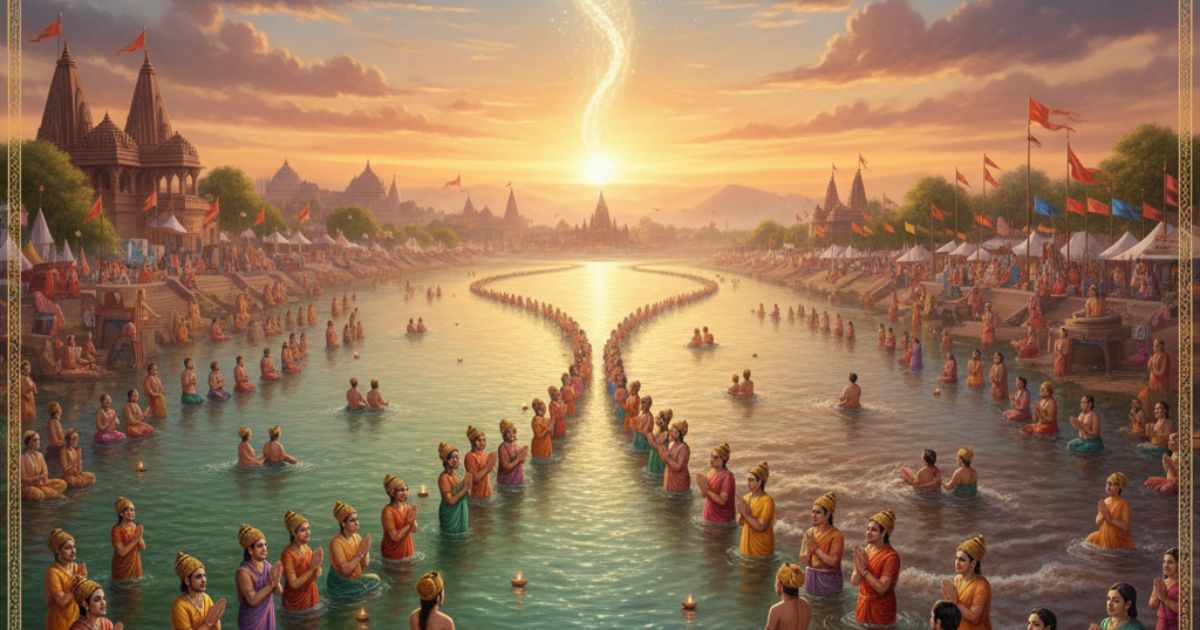
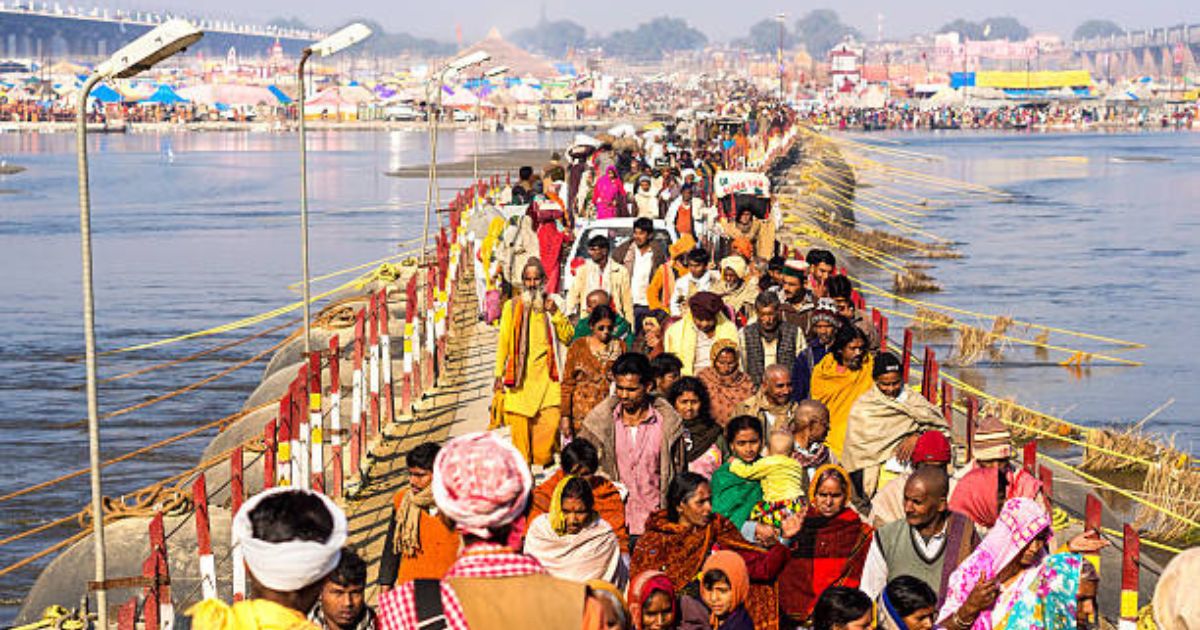
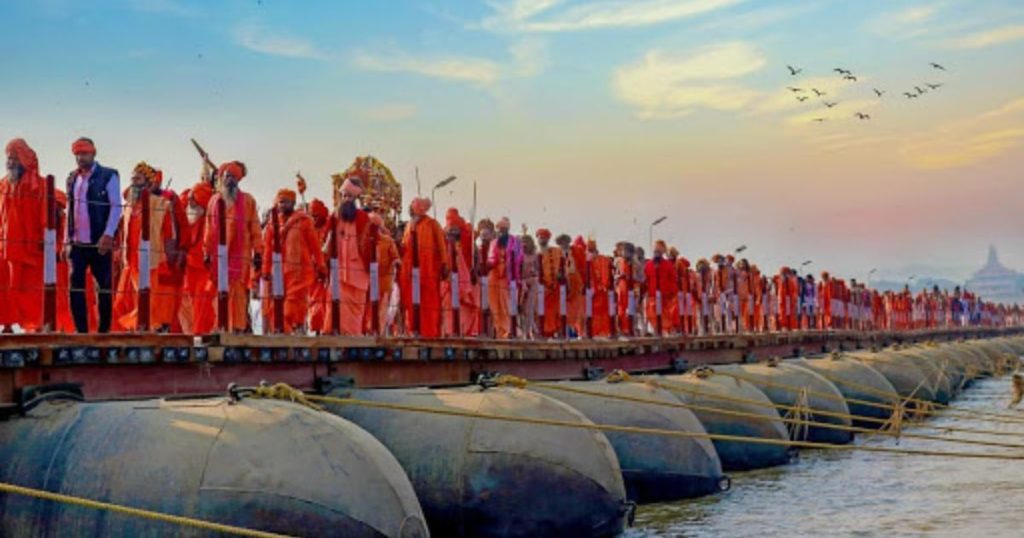
Picture the ancient riverbanks of Prayagraj suddenly transformed into a sea of brilliant yellow—pilgrims dressed in vibrant golden hues, marigold garlands adorning every shrine, and the crisp winter air carrying the first whispers of approaching spring. This magical transformation happens on Basant Panchami, one of the most joyful and spiritually significant days during Magh Mela.

The basant panchami magh mela celebration brings a refreshing shift in the festival’s energy. Following the intense austerity of Mauni Amavasya, this spring festival introduces celebration, color, and hope. It’s a day when spiritual depth meets joyous devotion, where seekers of liberation also honor the goddess of wisdom, and where winter’s grip begins loosening to spring’s gentle embrace.

This special day devoted to goddess saraswati puja transforms the sacred Sangam into a massive open-air temple of learning. Millions gather seeking blessings for wisdom, education, and creative expression. The magh mela observance on Basant Panchami carries unique significance—beyond karmic purification, it awakens the dormant seeds of knowledge and creativity residing within every soul.

Whether you’re a student pursuing academic success, an artist seeking creative inspiration, or a spiritual seeker yearning for divine wisdom, Basant Panchami at Magh Mela offers blessings perfectly suited to your aspirations. Let’s explore why this beautiful spring festival holds such special importance during the sacred month of Magh!

Importance of Basant Panchami

Understanding Basant Panchami

The Spring Festival

Basant (also written Vasant) translates to “spring” in Sanskrit. Basant Panchami heralds the arrival of spring season (Vasant Ritu) in the Hindu calendar. Though winter’s chill still persists, this day celebrates nature’s impending awakening—the first mustard flowers blooming in brilliant yellow, birds beginning their melodious mating calls, and the earth preparing for the fertility and abundance of spring.

Consider it nature’s promise that harsh winter shall pass—warmth, color, and abundance await! This natural renewal mirrors spiritual renewal, making it exceptionally auspicious for new beginnings, particularly in education and creative endeavors.

Sacred Fifth Day

Panchami means “fifth day.” Basant Panchami falls on the fifth day of the bright fortnight (Shukla Paksha) during Magh month, typically occurring in late January or early February—perfectly positioned within Magh Mela.

The number five carries deep significance in Hindu cosmology—five elements, five senses, five vital energies (pranas). This fifth day represents the harmonious balance of these fundamental fives, creating an auspicious moment for intellectual and spiritual pursuits.

Goddess Saraswati Puja: The Central Celebration

The defining characteristic of Basant Panchami is the worship of Goddess Saraswati.

The Divine Mother of Knowledge

Saraswati is the Hindu goddess of knowledge (vidya), wisdom (buddhi), learning, music, arts, and eloquent speech. Traditional iconography depicts her as a beautiful woman dressed in white, holding a veena (stringed instrument), seated upon a white lotus or swan. Her white attire symbolizes the purity of knowledge, while her veena represents the harmony uniting arts and sciences.

Within the Hindu trinity of goddesses:

  • Lakshmi presides over wealth and prosperity
  • Durga/Parvati governs power and protection
  • Saraswati reigns over knowledge and creativity

Saraswati embodies existence’s subtle, refined aspects—wisdom transcending mere information, creativity channeling divine inspiration, and eloquence communicating truth beautifully.

Birth of Saraswati Legend

Hindu mythology describes Goddess Saraswati’s emergence on Basant Panchami. According to the Puranas, Lord Brahma, having completed universal creation, found it silent and devoid of life. He sprinkled water from his kamandalu (water pot), from which emerged Goddess Saraswati, playing her divine veena. Instantly, the universe filled with sound, music, and knowledge—creation became conscious and expressive.

This sacred origin story makes Basant Panchami the most auspicious day for goddess saraswati puja, seeking blessings for education and arts, and initiating children into formal learning through the Vidyarambha ceremony.

Basant Panchami as a Major Bathing Day

Basant Panchami ranks among the major bathing days (Shahi Snan) during Magh Mela, though it draws smaller crowds than Mauni Amavasya. This makes it ideal for pilgrims seeking powerful spiritual benefits without overwhelming throngs.

The sacred bath during basant panchami magh mela combines Triveni Sangam’s purifying power with Saraswati’s special blessings. Devotees believe bathing on this day:

  • Purifies karma connected to speech and communication
  • Unblocks stagnant creativity and intelligence
  • Removes obstacles to learning and knowledge acquisition
  • Blesses students with academic success
  • Enhances artistic abilities and creative expression

The Sangam atmosphere on Basant Panchami differs noticeably from other bathing days—there’s a celebratory, almost festive quality alongside spiritual solemnity. The ubiquitous yellow colors create a visual representation of the Sun’s warmth finally conquering winter’s darkness.

The Significance of Yellow Color

The dominant color of Basant Panchami—yellow—carries profound symbolic meaning.

Nature’s Golden Message

Yellow represents the mustard flowers (sarson) blooming across North India during this season. These brilliant yellow fields signal spring’s arrival and agricultural prosperity. Wearing yellow honors this natural abundance and aligns humans with nature’s rhythms.

At basant panchami magh mela, the sea of yellow-clad pilgrims creates a stunning visual spectacle—millions dressed in bright golden hues, yellow marigolds offered to Saraswati, yellow sweets distributed as prasad. The entire mela transforms into a celebration of solar energy and vitality.

Spiritual Symbolism

Yellow also symbolizes knowledge, learning, and wisdom in Hindu color tradition. It’s associated with the solar plexus chakra (Manipura), the energy center governing intellect, confidence, and personal power.

Additionally, yellow represents prosperity and auspiciousness—consider turmeric’s sacred role in rituals, or gold’s yellow appearance. Wearing yellow on Basant Panchami invites both intellectual and material abundance into your life.

Magh Mela Observance Rituals

The magh mela observance of Basant Panchami follows specific traditional practices distinguishing it from other bathing days.

Sacred Bath at Triveni Sangam

The day begins with a pre-dawn holy bath at Triveni Sangam. However, unlike Mauni Amavasya’s silent, austere atmosphere, Basant Panchami bathing includes:

  • Chanting Saraswati mantras during immersion
  • Offering yellow flowers to the sacred rivers
  • Prayers specifically for knowledge and wisdom
  • Wearing yellow clothes for the bath

Many pilgrims carry small books or musical instruments to the riverbank, placing them at the water’s edge for Saraswati’s blessings before their own immersion.

Vidyarambha Ceremony

Basant Panchami is supremely auspicious for Vidyarambha—formally initiating children into education. At Magh Mela, thousands of families perform this sacred ceremony:

  • Children aged 3-5 years are taught their first letters
  • Typically begins with “Om” or “Hari Om”
  • Performed following the sacred bath
  • Guided by priests or learned elders

This beautiful tradition connects spiritual purification with educational initiation—the child’s consciousness is cleansed through sacred bathing, then opened to knowledge through formal ceremony.

Artistic and Musical Celebrations

Unlike other magh mela observance days focused purely on austerity, Basant Panchami celebrates the arts:

  • Musical performances throughout the mela grounds
  • Devotional singing (bhajans) dedicated to Saraswati
  • Poetry recitations by scholars
  • Classical dance performances
  • Kite flying (a beloved Basant Panchami tradition)

This joyful celebration reminds us that spirituality encompasses not just renunciation but also divine beauty appreciation expressed through arts.

Spring’s Spiritual Awakening

Why connect a seasonal change to spiritual practice? Hindu philosophy perceives profound links between external nature and internal consciousness.

Spring as awakening metaphor: Just as seeds dormant through winter suddenly sprout in spring, spiritual potentials dormant within consciousness awaken through proper cultivation. Winter’s cold darkness of ignorance yields to spring’s warm brightness of knowledge.

Fertility and creativity: Spring is nature’s most fertile season—plants reproduce, animals mate, life multiplies. Similarly, Basant Panchami celebrates mental fertility—the creative explosion occurring when consciousness is properly nourished through knowledge and wisdom.

Balance of opposites: Spring represents perfect equilibrium between winter and summer, cold and heat, dormancy and growth. This balance mirrors the spiritual harmony sought through yoga and meditation—neither extreme asceticism nor indulgent pleasure, but the middle path.

Bathing at Sangam on Basant Panchami symbolically aligns your individual consciousness with these universal patterns of renewal and awakening.

Scriptural References to Basant Panchami

Various Hindu texts reference Basant Panchami’s significance:

The Padma Purana describes bathing at Prayag on Basant Panchami as especially meritorious, granting blessings for knowledge and prosperity.

The Narada Purana emphasizes goddess saraswati puja on this day, stating sincere worship grants devotees eloquence, wisdom, and creative abilities.

The Skanda Purana mentions Basant Panchami as an auspicious day for beginning new educational endeavors and artistic pursuits.

These scriptural endorsements have sustained the tradition across millennia, making basant panchami magh mela an integral part of Hindu spiritual culture.

Regional Celebration Styles

While Basant Panchami is celebrated throughout India, regional variations add distinctive local flavors:

Bengal: Elaborate Saraswati Puja in schools, colleges, and homes, with goddess idols worshipped for three days.

Punjab: Predominantly spring festival featuring kite flying, folk dances, and yellow rice dishes.

Bihar: Strong emphasis on educational initiation and academic prayers.

Uttar Pradesh (including Prayagraj): Balanced emphasis combining sacred bathing, Saraswati worship, and spring celebration.

At Magh Mela, pilgrims from various regions bring their local traditions, creating a rich tapestry of pan-Indian spirituality.

Special Rituals at Sangam

Bath Procedures

  1. Wake during Brahma Muhurta (pre-dawn)
  2. Wear yellow clothes
  3. Carry yellow flowers (marigolds, chrysanthemums)
  4. Walk to Sangam chanting Saraswati mantras
  5. Immerse completely three times
  6. Offer yellow flowers to the rivers
  7. Chant: “Om Aim Saraswatyai Namaha” (108 times ideally)
  8. Perform Surya Arghya facing east

Worship Practices

After bathing, pilgrims worship Saraswati through:

  • Placing books, musical instruments, or learning tools near the water
  • Offering yellow flowers, fruits, and sweets
  • Reciting Saraswati Stotram or Saraswati Vandana
  • Seeking blessings for wisdom and eloquence

Charitable Traditions

Traditional donations on Basant Panchami include:

  • Books and educational materials to students
  • Musical instruments to aspiring artists
  • Donations to educational institutions
  • Feeding brahmins and scholars
  • Supporting libraries and schools

These acts align perfectly with Saraswati’s domain of knowledge and learning.

Blessings for Students and Knowledge Seekers

Basant Panchami holds special significance for students, scholars, and anyone pursuing knowledge.

The goddess saraswati puja at Triveni Sangam is believed to:

  • Remove mental blocks and learning difficulties
  • Enhance memory and concentration
  • Grant success in examinations
  • Clarify intellectual confusion
  • Open intuitive understanding

Many students plan their Magh Mela visit specifically for Basant Panchami, seeking Saraswati’s blessings before important exams or academic milestones.

Beyond formal education, Saraswati’s domain includes spiritual wisdom, artistic creativity, eloquent communication, musical and performing arts, and scientific inquiry—anyone pursuing excellence in these areas benefits tremendously.

The Festive Spirit: Kites and Music

Basant Panchami brings noticeably lighter, more joyful energy to Magh Mela following the intense austerity of earlier dates.

Music and dance: The day features extensive musical celebrations—devotional songs, classical performances, folk music—honoring Saraswati as goddess of arts. The veena, her sacred instrument, features prominently.

Kite flying: Though more prominent in cities than mela grounds, colorful kites dotting the sky symbolize the soul’s upward flight toward knowledge and liberation.

This joyful celebration reminds us spirituality includes beauty, art, and celebration—not merely severe austerity.

Planning Your Basant Panchami Visit

Before arrival:

  • Purchase yellow clothes
  • Learn basic Saraswati mantras
  • Bring items for worship (books, instruments if applicable)

On the day:

  • Wake early for pre-dawn bath
  • Wear yellow throughout the day
  • Perform Saraswati puja after bathing
  • Attend musical satsangs
  • Make educational-focused donations
  • Enjoy yellow foods (sweet rice, besan sweets)

For students:

  • Carry a meaningful book to be blessed
  • Write prayer intentions for academic success
  • Seek blessings from scholarly sadhus

Conclusion

Basant panchami magh mela beautifully integrates nature’s rhythms, intellectual aspiration, and spiritual purification. The goddess saraswati puja at Triveni Sangam connects personal quests for knowledge with cosmic flows of wisdom. The magh mela observance of this spring festival reminds us spirituality encompasses not only austerity but also joy, not merely renunciation but also celebration of divine beauty and creativity.

Whether you’re a student seeking academic excellence, an artist pursuing creative mastery, or a spiritual seeker thirsting for divine wisdom, Basant Panchami at Magh Mela offers blessings uniquely suited to your aspirations. May this spring celebration awaken your consciousness, may Saraswati’s grace flow abundantly into your mind and heart, and may the seeds of wisdom planted on this auspicious day blossom into the fragrant flowers of enlightenment!

FAQs About Basant Panchami Magh Mela

1. Is Basant Panchami equally important as Mauni Amavasya for spiritual benefits?

While Mauni Amavasya is universally recognized as the most powerful bathing day for karmic purification and moksha (liberation), Basant Panchami offers different rather than lesser benefits—specifically related to knowledge, wisdom, and creative awakening. Think of comparing different medicines: antibiotics cure infections while vitamins build overall health—both valuable, serving different purposes. Mauni Amavasya’s darkness and intensity create optimal conditions for deep karmic cleansing and serious moksha-oriented practice. Basant Panchami’s light and celebration create perfect conditions for intellectual and creative breakthroughs. The magh mela observance on both days is considered highly auspicious, addressing different dimensions of spiritual development. For students, artists, writers, musicians, or anyone in knowledge-based professions, Basant Panchami might actually be MORE personally relevant than Mauni Amavasya. The ideal approach is attending both if possible—Mauni Amavasya for deep purification, Basant Panchami for knowledge activation. The goddess saraswati puja on this day offers unique blessings that even Amavasya’s intense austerities don’t specifically target.

2. What specific Saraswati mantras should I chant during the holy bath on Basant Panchami?

Several powerful Saraswati mantras are traditionally chanted during basant panchami magh mela bathing. For beginners: “Om Aim Saraswatyai Namaha”—the most common Saraswati mantra where “Aim” (pronounced “I’m”) is her seed syllable (bija mantra). Chant throughout your bath, especially during the three immersions, aiming for 108 repetitions if possible. Slightly more elaborate: “Om Saraswati Mahabhage Vidye Kamalalochane, Vishwarupe Vishalakshi Vidyam Dehi Namostute”—meaning “O Goddess Saraswati, the greatly fortunate one, knowledge personified with lotus eyes, embodiment of the universe, with large eyes, please bestow upon me knowledge; I bow to you.” Important principle: Sincere devotion matters more than perfect pronunciation or knowing the longest mantra. If “Om Aim Saraswatyai Namaha” is all you know, that’s entirely sufficient when chanted with deep faith. For personalized mantra recommendations based on your birth chart, consult AstroInsights.guru who can identify which Saraswati invocations align best with your planetary configuration.

3. Can adults who aren’t formal students benefit from Basant Panchami worship?

Absolutely! This common misconception unnecessarily limits the basant panchami magh mela experience. While Saraswati worship certainly blesses academic students, her domain extends far beyond formal education. Saraswati governs: all learning forms (spiritual wisdom is perhaps the highest learning!), creative expression in any medium, eloquent communication and writing, problem-solving and innovation, intellectual clarity and decision-making, artistic pursuits at any age, and continuous learning defining conscious living. Every adult engages these areas! Are you learning spiritual truths? Developing new skills? Solving complex problems? Creating anything—art, business, relationships? Then you’re in Saraswati’s domain and benefit from her blessings. Moreover, the magh mela observance on Basant Panchami includes initiating adults into deeper spiritual knowledge, not just children into formal education. The day is equally powerful for a 50-year-old beginning spiritual inquiry as for a 5-year-old beginning kindergarten. Basant Panchami’s spring energy—renewal, awakening, new beginnings—applies to any age.

4. How does the yellow color tradition work—must I wear completely yellow clothes?

The yellow tradition varies from strict to flexible, allowing personal interpretation. Traditional approach: Wear completely yellow from head to toe—yellow kurta/sari, yellow shawl, even yellow accessories. This full commitment honors tradition thoroughly and creates the beautiful visual spectacle when millions dress similarly. Practical approach: Wear predominantly yellow—yellow main garment with other-colored accents, or other-colored clothes with prominent yellow elements (yellow shawl, dupatta, or headscarf). This balances tradition with practical limitations. Minimal approach: Incorporate some yellow—yellow flowers in hair, yellow tilak (forehead mark), yellow cloth for prayers, yellow accessories. This acknowledges tradition even when full yellow clothing isn’t available. The yellow symbolism—representing knowledge, spring, and solar energy—matters more than strict compliance. If you only have a yellow scarf to add, that sincere gesture carries spiritual value. That said, full yellow immersion creates powerful psychological and energetic effects—making a clear statement of intention, aligning yourself visually and energetically with Saraswati and spring’s awakening power.

5. If I can only attend Magh Mela for one day, should I choose Mauni Amavasya or Basant Panchami?

This choice depends on your personal spiritual goals and life circumstances. Choose Mauni Amavasya if: Your primary goal is deep karmic purification and moksha-oriented practice; you’re comfortable with intense spiritual energy and massive crowds; you’re observing silence (mauna vrata); you’re seeking maximum spiritual power regardless of physical challenges. Choose Basant Panchami if: Your focus is knowledge, learning, creativity, or intellectual clarity; you’re a student, teacher, artist, writer, or in a knowledge-based profession; you prefer celebratory spirituality over austere intensity; you want significant spiritual benefits with manageable crowds; you’re bringing children (easier with the joyful atmosphere); you resonate more with Saraswati than moksha-focused practice. Astrological consideration: If you’re in Jupiter dasha (spiritual wisdom), Basant Panchami’s Saraswati worship aligns perfectly. If you’re in Ketu dasha (liberation-oriented), Mauni Amavasya’s moksha focus suits better. Ideal answer: Attend both by staying from Mauni Amavasya through Basant Panchami (about a week). But if truly limited to one day, consult AstroInsights.guru for personalized guidance based on your birth chart, planetary periods, and spiritual goals.

Astrological Significance

From a Vedic astrology perspective, Basant Panchami occurs when:

  • Sun transits through Capricorn (disciplined energy)
  • Moon enters favorable nakshatras
  • Jupiter’s wisdom influence strengthens
  • Mercury’s intellectual energies activate

This planetary configuration creates optimal conditions for intellectual and creative pursuits. Initiating studies or projects on this day aligns with supportive cosmic energies.

For personalized guidance about how Basant Panchami affects your specific birth chart and which rituals will benefit you most, AstroInsights.guru provides expert consultations.

Contact Information:

  • Website: astroinsights.guru
  • Phone: +916306407641
  • Email: astroinsights.guru@gmail.com
  • AstroInsights AI: https://bit.ly/astroguru_ai

Puja Booking for Magh Mela: 7 Best Ways to Book a Pandit Online

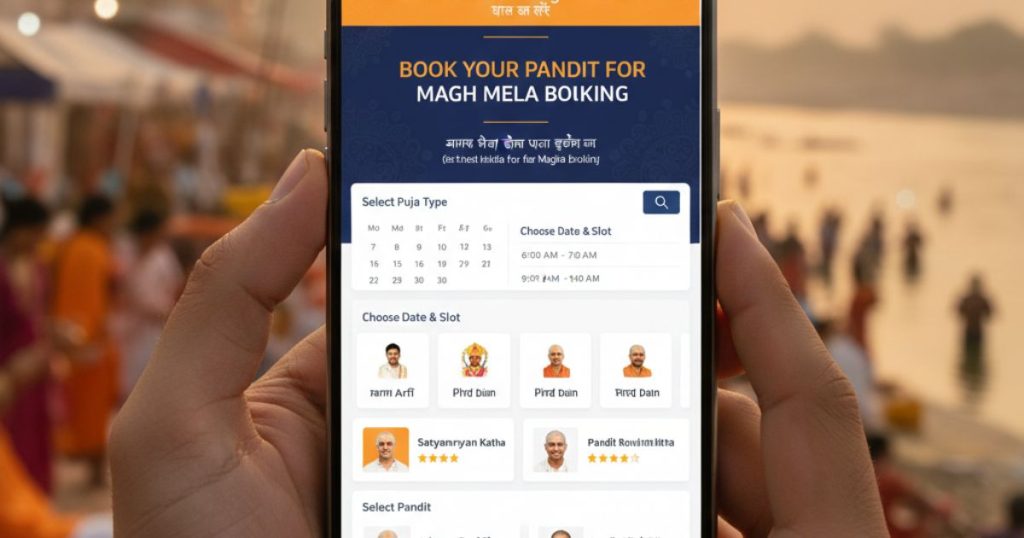
Explore Puja booking for Magh Mela and see how to book an online pandit for sacred rituals, personalized ceremonies, and hassle-free spiritual arrangements at the Mela.

Imagine standing at the sacred Triveni Sangam, the confluence of three holy rivers, ready to perform your ancestral rituals. But here’s the problem—you don’t know the proper mantras, the correct sequence, or the astrologically auspicious timing. You’re surrounded by thousands of pandits, each claiming expertise, but how do you know whom to trust? This is where magh mela puja booking becomes not just convenient, but essential.

The digital age has revolutionized pilgrimage experiences. No longer do you need to negotiate with unknown pandits on the spot, worry about inflated prices, or compromise on ritual authenticity. Today, you can book qualified, verified pandits from the comfort of your home, ensuring your sacred ceremonies are conducted with proper Vedic protocols and transparent pricing.

Whether you’re planning pitru tarpan for your ancestors, a comprehensive Ganga puja, or specialized Vedic rituals, understanding the process of pandit booking magh mela saves time, money, and most importantly, ensures spiritual efficacy. This comprehensive guide walks you through everything you need to know about online puja prayagraj services, helping you make informed decisions for your sacred journey.

Puja-Booking-for-Magh-Mela

Why Book a Pandit for Magh Mela?

Traditional Significance of Guided Rituals

You might wonder, “Can’t I just take a holy dip and pray on my own?” Technically, yes. But here’s what you’d miss: centuries of accumulated Vedic wisdom encoded in precise mantras, gestures, and timings. Hindu rituals aren’t random acts—they’re sophisticated spiritual technologies designed to create specific energetic outcomes.

A qualified pandit serves as more than just a ritual guide. He’s a bridge between the ancient Sanskrit traditions and your modern understanding. He knows which mantras invoke which deities, what offerings please specific planetary energies, and how to time rituals according to astrological transits. This knowledge isn’t found in books or YouTube videos—it’s passed down through generations of oral tradition and practical training.

During Magh Mela, when millions gather and cosmic energies peak, proper ritual execution becomes even more critical. The right pandit doesn’t just recite mantras—he creates a sacred space where divine grace can flow unobstructed into your life.

Benefits of Professional Pandit Services

Authentic Vedic Procedures: Professional pandits trained in traditional gurukuls follow authentic scriptural guidelines, ensuring your puja generates maximum spiritual merit.

Correct Pronunciation: Sanskrit mantras lose potency with incorrect pronunciation. Trained pandits maintain the precise intonation that activates mantra power.

Astrological Timing: Experienced pandits calculate muhurat (auspicious timing) based on your birth chart, planetary transits, and lunar phases—something impossible to determine alone.

Complete Ritual Knowledge: From kalash sthapana to poornahuti, professional pandits know the complete sequence, ensuring no crucial steps are missed.

Language Bridge: If you don’t speak Sanskrit or Hindi fluently, pandits explain the rituals in your language, making the experience meaningful rather than mechanical.

Stress-Free Experience: Instead of worrying about logistics and procedures, you focus entirely on devotion while your pandit handles everything else.

Understanding Online Puja Prayagraj Services

How Online Puja Booking Works

The process of online puja prayagraj booking is remarkably simple:

1. Browse Services: Visit platforms like AstroInsight.guru and explore available puja packages for Magh Mela.

2. Select Your Ritual: Choose from various pujas based on your spiritual goals—ancestor rituals, health prayers, prosperity ceremonies, or general worship.

3. Provide Details: Fill in your birth details (for astrological calculations), preferred date/time, and specific requirements.

4. Receive Confirmation: Get instant booking confirmation with pandit details, meeting location, and timing.

5. Make Payment: Secure online payment with transparent pricing—no hidden charges.

6. Attend Your Puja: Meet your assigned pandit at the designated location within Magh Mela grounds.

The entire process takes minutes, and you receive detailed communication at every step. No uncertainty, no last-minute scrambling, no price negotiations at the ghats.

Types of Pujas Available During Magh Mela

Standard Puja Packages:

  • Ganga Snan Puja (Holy Bath Ritual)
  • Sankalp Puja (Intention Setting Ceremony)
  • Pitru Tarpan (Ancestor Appeasement)
  • Narayan Bali (Liberation for Unsettled Ancestors)
  • Rudrabhishek (Shiva Worship)
  • Ganga Aarti (Evening River Worship)

Specialized Rituals:

  • Navagraha Shanti (Planetary Peace Ceremony)
  • Kaal Sarp Dosh Nivaran (Serpent Affliction Remedy)
  • Mangal Dosh Puja (Mars Affliction Remedy)
  • Rahu-Ketu Shanti (Nodal Planet Pacification)
  • Mahamrityunjaya Homa (Death-Conquering Fire Ritual)

Premium Services:

  • Full-Day Comprehensive Puja
  • Multi-Day Kalpvas Ritual Support
  • Vedic Homa with Multiple Priests
  • Personalized Astrological Rituals

Each puja type serves different spiritual purposes. The right choice depends on your astrological needs, family traditions, and spiritual goals.

Complete Guide to Pandit Booking Magh Mela

Step-by-Step Booking Process

Step 1: Assess Your Needs

Before booking, clarify your intentions. Are you seeking:

  • Ancestral blessings (Pitru Tarpan)
  • Health improvement (Mahamrityunjaya)
  • Prosperity (Lakshmi Puja)
  • Spiritual awakening (Ganga Puja)
  • Astrological remedies (Graha Shanti)

Your purpose determines the appropriate ritual and timing.

Step 2: Choose a Reliable Platform

Not all online puja prayagraj services are equal. Look for:

  • Verified pandit credentials
  • Transparent pricing
  • Customer reviews
  • Proper support system
  • Astrological consultation options

AstroInsight.guru meets all these criteria with our rigorous pandit verification process and comprehensive customer support.

Step 3: Provide Accurate Information

For maximum benefit, provide:

  • Complete birth details (date, time, place)
  • Family gotra (lineage) if known
  • Specific concerns or prayers
  • Preferred language
  • Any dietary restrictions (for prasad)

Accurate information allows pandits to personalize rituals precisely.

Step 4: Select Date and Time

Choose based on:

  • Your travel schedule
  • Astrological recommendations
  • Special Magh Mela dates (Mauni Amavasya, Basant Panchami, etc.)
  • Pandit availability

Our astrologers can recommend optimal timings based on your horoscope.

Step 5: Review Booking Details

Before confirming, verify:

  • Pandit name and qualifications
  • Exact puja location
  • Timing and duration
  • Inclusions and exclusions
  • Total cost
  • Cancellation policy

Step 6: Complete Payment

Secure payment through:

  • Credit/debit cards
  • UPI
  • Net banking
  • Digital wallets

You receive instant confirmation and detailed invoice.

Step 7: Pre-Puja Preparation

Before your scheduled puja:

  • Take a holy bath
  • Wear clean, traditional clothes
  • Keep fasting if applicable
  • Arrive 15 minutes early at meeting point
  • Carry any special items requested

What to Expect from Your Booked Pandit

Professional Conduct:

  • Punctual arrival at designated spot
  • Traditional appearance and demeanor
  • Courteous communication
  • Complete ritual knowledge

Service Delivery:

  • Explanation of each ritual step
  • Correct Sanskrit pronunciation
  • Appropriate timing and pace
  • Personalized blessings

Post-Puja Support:

  • Prasad distribution
  • Guidance on further practices
  • Answering spiritual questions
  • Recommendations for continued benefits

Quality platforms like AstroInsight.guru ensure these standards through strict pandit training and monitoring.

Popular Pujas for Magh Mela: Which One is Right for You?

Ganga Puja and Snan Vidhi

The foundation of all Magh Mela rituals, Ganga Puja honors Mother Ganga herself. This magh mela puja booking typically includes:

Ritual Components:

  • Sankalp (intention declaration)
  • Ganga invocation mantras
  • Offering of flowers, incense, and lamps
  • Sacred bath with prescribed mantras
  • Ganga water collection for home

Best For: First-time pilgrims, those seeking general purification, devotees without specific issues.

Duration: 30-45 minutes

Cost Range: â‚č500-1,500

This forms the base that can be combined with other specialized rituals.

Pitru Tarpan and Shraaddh

One of the most sought-after pandit booking magh mela services, Pitru Tarpan appeases departed ancestors.

Ritual Components:

  • Sankalp with family lineage details
  • Tarpan (water offerings) with til (sesame) and barley
  • Pind daan (rice ball offerings)
  • Brahman bhoj (feeding priests)
  • Gaya Shraaddh (if performing complete ritual)

Best For: Those seeking ancestral blessings, relief from Pitru Dosh, family peace, resolving inherited problems.

Duration: 1-2 hours

Cost Range: â‚č2,000-10,000 (depending on elaborateness)

Magh Mela is particularly powerful for Pitru Tarpan as the Triveni Sangam is considered as potent as Gaya for ancestral rites.

Kalash Sthapana and Sankalpam

A comprehensive ritual for establishing divine presence and declaring spiritual intentions.

Ritual Components:

  • Sacred pot installation with mango leaves
  • Ganesha puja (obstacle removal)
  • Navagraha puja (nine planets worship)
  • Sankalp declaration
  • Purnahuti (completion offering)

Best For: Beginning Kalpvas, major life transitions, seeking divine guidance, comprehensive blessings.

Duration: 1.5-2 hours

Cost Range: â‚č3,000-8,000

Special Vedic Homas

Fire rituals (homas/havans) for specific astrological remedies.

Popular Homas:

  • Mahamrityunjaya Homa: Health, longevity, overcoming obstacles
  • Navagraha Homa: Balancing planetary influences
  • Lakshmi-Kubera Homa: Wealth and prosperity
  • Rudra Homa: Shiva worship, spiritual elevation

Ritual Components:

  • Sacred fire establishment
  • Specific deity invocations
  • Ahuti (offerings) with ghee and herbs
  • Mantra repetition (108 or more times)
  • Final prayers and blessings

Best For: Serious astrological afflictions, chronic problems, major desires.

Duration: 2-4 hours

Cost Range: â‚č5,000-25,000

These require multiple priests and elaborate materials but offer powerful results.

Pricing Guide for Magh Mela Puja Booking

Understanding pricing helps you budget and prevents exploitation:

Basic Pujas (â‚č500-2,000):

  • Simple Ganga Snan Puja
  • Basic Sankalp
  • Short Aarti participation

Standard Pujas (â‚č2,000-5,000):

  • Pitru Tarpan
  • Ganga Puja with full vidhi
  • Single priest rituals
  • 1-2 hour duration

Premium Pujas (â‚č5,000-15,000):

  • Specialized homas
  • Multiple priests
  • Extended duration
  • Elaborate materials

Comprehensive Packages (â‚č15,000-50,000+):

  • Full-day rituals
  • Multiple pandits
  • Complete Vedic procedures
  • All materials included
  • Extended family participation

What’s Typically Included:

  • Pandit dakshina (priest fees)
  • Basic puja materials
  • Simple prasad
  • Guidance and explanations

What Costs Extra:

  • Elaborate offerings
  • Multiple priest requirements
  • Video/photo documentation
  • Special materials or herbs
  • Brahman bhoj (feeding multiple priests)

AstroInsight.guru maintains transparent pricing with detailed breakdowns, ensuring you understand exactly what you’re paying for.

How to Choose the Right Pandit for Your Needs

Qualification Verification:

  • Traditional gurukul training
  • Years of experience
  • Specialization areas
  • Sanskrit proficiency
  • Astrological knowledge

Personal Compatibility:

  • Language comfort
  • Communication style
  • Patience with questions
  • Willingness to explain
  • Cultural sensitivity

Practical Considerations:

  • Availability on your dates
  • Location flexibility
  • Physical stamina for long rituals
  • Experience with your specific puja type
  • Previous customer feedback

Red Flags to Avoid:

  • Unwillingness to provide credentials
  • Vague pricing
  • Pressure tactics
  • No fixed location
  • Lack of references
  • Promises of impossible results

Reputable platforms like AstroInsight.guru pre-screen all pandits, eliminating these concerns.

Documents and Materials Required for Puja

Personal Documents:

  • Birth details (date, time, place)
  • Gotra (family lineage) – ask elders if uncertain
  • Names of family members (for sankalp)
  • Specific intentions written clearly

Puja Materials (Usually Provided):

  • Kalash (sacred pot)
  • Mango leaves
  • Coconut
  • Flowers
  • Incense and camphor
  • Kumkum and turmeric
  • Rice and til
  • Sacred thread
  • Fruits for offering

You Should Bring:

  • Clean traditional clothing
  • Small towel for after bath
  • Dakshina (extra offering) if desired
  • Notebook for instructions
  • Container for prasad
  • Open mind and devotional attitude

For Pitru Tarpan Specifically:

  • Names of deceased ancestors (3-7 generations if possible)
  • Their gotras if known
  • Death dates if available (not mandatory)

Most online puja prayagraj services provide complete material lists after booking confirmation.

Online vs Offline Puja Booking: Pros and Cons

Online Booking Advantages:

  • Convenience of advance planning
  • Verified pandit credentials
  • Transparent, fixed pricing
  • Customer reviews available
  • No on-spot negotiations
  • Astrological timing guidance
  • Customer support throughout
  • Digital documentation

Online Booking Disadvantages:

  • Requires internet access
  • Advance planning needed
  • Less flexibility for last-minute changes
  • Technology dependency

Offline Booking Advantages:

  • Immediate availability
  • Face-to-face assessment
  • Can see pandit before committing
  • Spontaneous decision possible

Offline Booking Disadvantages:

  • Price negotiations required
  • Unknown pandit credentials
  • Risk of exploitation
  • Limited recourse if unsatisfied
  • High-pressure situations
  • Language barriers
  • No advance planning possible
  • Difficulty verifying authenticity

Verdict: For most pilgrims, especially first-timers, online magh mela puja booking through trusted platforms offers significantly better value, security, and peace of mind.

AstroInsight.guru’s Premium Pandit Booking Services

Why Choose AstroInsight.guru

As a leading astrology website with years of experience in spiritual services, AstroInsight.guru brings unique advantages to pandit booking magh mela:

Astrological Integration: Unlike generic puja booking platforms, we analyze your horoscope before recommending rituals. Our expert astrologers identify specific doshas, beneficial timings, and personalized ritual requirements based on your birth chart.

Verified Pandit Network: Every pandit in our network undergoes:

  • Credential verification
  • Background checks
  • Sanskrit proficiency testing
  • Customer service training
  • Regular performance reviews

Transparent Processes:

  • Clear pricing with no hidden charges
  • Detailed ritual explanations
  • Written confirmations
  • Pre-puja consultations
  • Post-puja support

Comprehensive Services: Beyond just pandit booking, we offer:

  • Pre-pilgrimage horoscope analysis
  • Personalized ritual recommendations
  • Live webinar consultations
  • Real-time chat support during Magh Mela
  • Follow-up astrological guidance
  • Online puja options for those who can’t attend physically

Our Unique Service Features

Personalized Matching: We don’t assign random pandits. Based on your birth chart, ritual needs, and personal preferences, we match you with the most suitable pandit from our network.

Astrological Muhurat Calculation: Our astrologers calculate the most auspicious timing for your specific puja based on:

  • Your natal chart
  • Current planetary transits
  • Lunar phases
  • Magh Mela special dates
  • Your personal dasha periods

Multi-Language Support: Pandits available in:

  • Hindi
  • English
  • Sanskrit
  • Bengali
  • Tamil
  • Telugu
  • Marathi
  • And more regional languages

Video Documentation: Premium packages include professional video recording of your puja, allowing you to:

  • Share with family unable to attend
  • Review rituals later
  • Preserve sacred memories
  • Learn for future personal practice

Extended Support:

  • 24/7 helpline during Magh Mela period
  • Emergency rescheduling assistance
  • Lost-and-found coordination
  • Medical emergency support
  • Travel guidance

Customer Success Stories

Rajesh from Mumbai: “I booked Pitru Tarpan through AstroInsights.guru for Magh Mela 2024. The pandit was incredibly knowledgeable and explained everything in English. Within three months, family conflicts that plagued us for years resolved naturally. The astrological consultation beforehand helped me understand why this ritual was crucial for my chart.”

Priya from Bangalore: “As a working professional, I couldn’t take extended leave. AstroInsights.guru’s one-day comprehensive puja package was perfect. They handled everything—timing, materials, even coordinated with my limited schedule. The pandit called me afterward to explain ongoing practices. Exceptional service!”

Sharma Family from Delhi: “We’ve been doing online puja prayagraj bookings with AstroInsights.guru for three years. Their pandits are genuine, prices fair, and the astrological guidance invaluable. They’re not just a booking platform—they’re spiritual guides who genuinely care about outcomes.”

Tips for a Successful Magh Mela Puja Experience

Before Your Puja:

  1. Fast appropriately (consult your pandit about requirements)
  2. Take a complete bath in the Ganga before ritual begins
  3. Wear clean, preferably new, traditional clothes
  4. Keep mind calm and focused
  5. Review your intentions clearly
  6. Arrive early to avoid rushing

During Your Puja:

  1. Participate actively, don’t just watch
  2. Repeat mantras after the pandit (even if pronunciation isn’t perfect)
  3. Ask questions if confused
  4. Stay present and focused
  5. Avoid phone distractions
  6. Show respect through attention

After Your Puja:

  1. Accept prasad with reverence
  2. Don’t discard sacred materials carelessly
  3. Immerse puja flowers in the Ganga
  4. Follow any ongoing practices suggested
  5. Maintain positive mindset
  6. Share prasad with family

Maximizing Benefits:

  • Combine puja with personal meditation
  • Maintain purity of thought and action
  • Continue related spiritual practices at home
  • Follow astrological remedies suggested
  • Return annually if possible

Common Mistakes to Avoid When Booking Pandits

Mistake 1: Last-Minute Booking During peak Magh Mela days, quality pandits book out completely. Reserve at least 2-3 weeks in advance for popular dates like Mauni Amavasya.

Mistake 2: Choosing Based on Price Alone The cheapest option often means inexperienced pandits or incomplete rituals. Invest in quality—this isn’t where you should cut corners.

Mistake 3: Not Verifying Credentials Random pandits at ghats may or may not have proper training. Always use verified platforms or get strong personal recommendations.

Mistake 4: Unclear Communication If the pandit doesn’t speak your language comfortably, ritual explanations suffer. Ensure language compatibility during booking.

Mistake 5: Ignoring Astrological Timing Performing rituals at inauspicious times reduces efficacy. Always consult astrologers about optimal muhurat.

Mistake 6: Incomplete Preparation Not having gotra information, birth details, or required materials causes delays and incompleteness. Prepare thoroughly beforehand.

Mistake 7: Unrealistic Expectations Rituals support spiritual growth but aren’t magic spells for instant results. Maintain realistic, faith-based expectations.

Mistake 8: Skipping Post-Puja Practices Pandits often suggest ongoing practices—meditation, charity, specific mantras. Following through multiplies puja benefits.

Conclusion

The ancient tradition of sacred rituals meets modern convenience through magh mela puja booking services. What once required local knowledge, language skills, and considerable negotiation can now be arranged with a few clicks, ensuring authenticity, fair pricing, and spiritual efficacy.

Whether you’re seeking ancestral blessings through Pitru Tarpan, personal purification through Ganga Puja, or astrological remedies through specialized homas, professional pandit booking magh mela services transform your pilgrimage from logistically challenging to spiritually focused. You can dedicate your energy to devotion rather than coordination.

The key is choosing the right platform. Generic booking services might connect you with a pandit, but comprehensive platforms like AstroInsight.guru offer so much more—astrological consultation, personalized recommendations, verified professionals, transparent processes, and ongoing support. We don’t just book pandits; we guide your entire spiritual journey.

As Magh Mela approaches, thousands will gather at the sacred Triveni Sangam. Those who plan ahead with proper online puja prayagraj bookings will experience the event’s full spiritual potential, while others scramble with last-minute arrangements. Which group will you join?

Don’t leave your sacred rituals to chance. Let AstroInsights.guru’s expert team handle the logistics while you focus on what truly matters—your spiritual transformation.

FAQs About Puja Booking for Magh Mela

1. How far in advance should I complete my magh mela puja booking?

For optimal availability and timing, book 3-4 weeks before your intended date. Popular dates like Makar Sankranti, Mauni Amavasya, and Basant Panchami require even earlier booking—ideally 6-8 weeks in advance. Last-minute bookings (within a week) are possible but limit your choice of pandits and timing options. AstroInsight.guru keeps some pandits reserved for genuine emergencies, but advance planning ensures you get exactly the ritual, timing, and pandit you need. Early booking also allows time for proper astrological consultation to determine the most beneficial rituals for your specific chart, rather than rushing into generic options.

2. What if I can’t physically attend Magh Mela but want the puja benefits?

AstroInsight.guru offers comprehensive online puja prayagraj services for those unable to attend physically. Here’s how it works: You book the puja online, providing your birth details and intentions. Our verified pandits perform the complete ritual at the actual Triveni Sangam on your behalf (called “proxy puja”). You receive live video streaming or recorded video of your puja, along with prasad shipped to your home. The spiritual efficacy remains identical because Vedic rituals work through sankalp (intention) and proper procedure, not physical presence. We’ve served thousands of international devotees and those with health/work constraints this way. Your devotion and the ritual’s authenticity matter most, not your physical location.

3. Can I book pandits for multiple family members’ pujas simultaneously?

Absolutely! This is actually more economical and efficient. When booking through pandit booking magh mela services, you can request: Family Package Option—one pandit performs rituals for multiple family members sequentially, with individual sankalpas for each person. Cost savings of 20-30% compared to individual bookings. Multiple Pandit Booking—if rituals differ significantly or time is limited, book multiple pandits performing simultaneously. This works well for large families with varying needs. Combined Ritual—some pujas like Pitru Tarpan can include multiple family members in a single extended ceremony. AstroInsights.guru’s experts design optimal combinations based on your family’s astrological charts and budget, ensuring everyone receives maximum benefit efficiently.

4. What recourse do I have if I’m unsatisfied with the pandit or puja quality?

Reputable platforms like AstroInsights.guru provide multiple protection layers: Immediate Redress: During the puja, if anything seems incorrect, contact our 24/7 helpline immediately. We can send a supervisor or alternative pandit. Quality Guarantee: If the puja wasn’t performed according to booked specifications, we arrange a complimentary repeat with a different pandit. Partial Refund: For minor issues (delays, incomplete explanations), we offer partial refunds after investigation. Full Refund: In cases of pandit misconduct or serious deviations, full refunds are provided. Feedback System: Your detailed feedback helps us maintain quality standards. Random pandits at ghats offer none of these protections—another compelling reason for online puja prayagraj bookings through established platforms.

5. Are there specific pujas recommended based on astrological conditions in my birth chart?

This is precisely where AstroInsights.guru excels beyond basic booking platforms. Based on your horoscope analysis, we recommend specific rituals: For Pitru Dosh (ancestor afflictions): Pitru Tarpan, Narayan Bali, specific Shraaddh variations. For Kaal Sarp Dosh (serpent affliction): Specialized Rahu-Ketu Shanti, Kaal Sarp Dosh Nivaran puja. For Mangal Dosh (Mars affliction): Mangal Shanti Puja, Hanuman worship rituals. For Graha Dosh (planetary afflictions): Navagraha Homa, planet-specific rituals. For Health Issues: Mahamrityunjaya Homa, Dhanvantari Puja. For Prosperity Blocks: Lakshmi-Kubera Puja, specific wealth rituals. Our astrologers analyze your dasha periods, current transits, and natal chart to prescribe the most beneficial magh mela puja booking for your unique situation—transforming generic rituals into personalized spiritual prescriptions.

Ready to Book Your Magh Mela Puja?

Contact AstroInsights.guru Today:

  • 🌐 Website: astroinsights.guru
  • 📞 Phone: +916306407641
  • 📧 Email: astroinsights.guru@gmail.com
  • đŸ€– AstroInsights AI: https://bit.ly/astroguru_ai

Our experienced astrologers and verified pandits await to make your Magh Mela experience truly transformative. Book now and receive a complimentary astrological consultation for personalized ritual recommendations!

Essential Items to Carry for Magh Mela Pilgrimage

Explore essential items to carry for Magh Mela pilgrimage, including warm clothes, hygiene kits, medicines, spiritual essentials, and practical gear for a safe, peaceful stay.

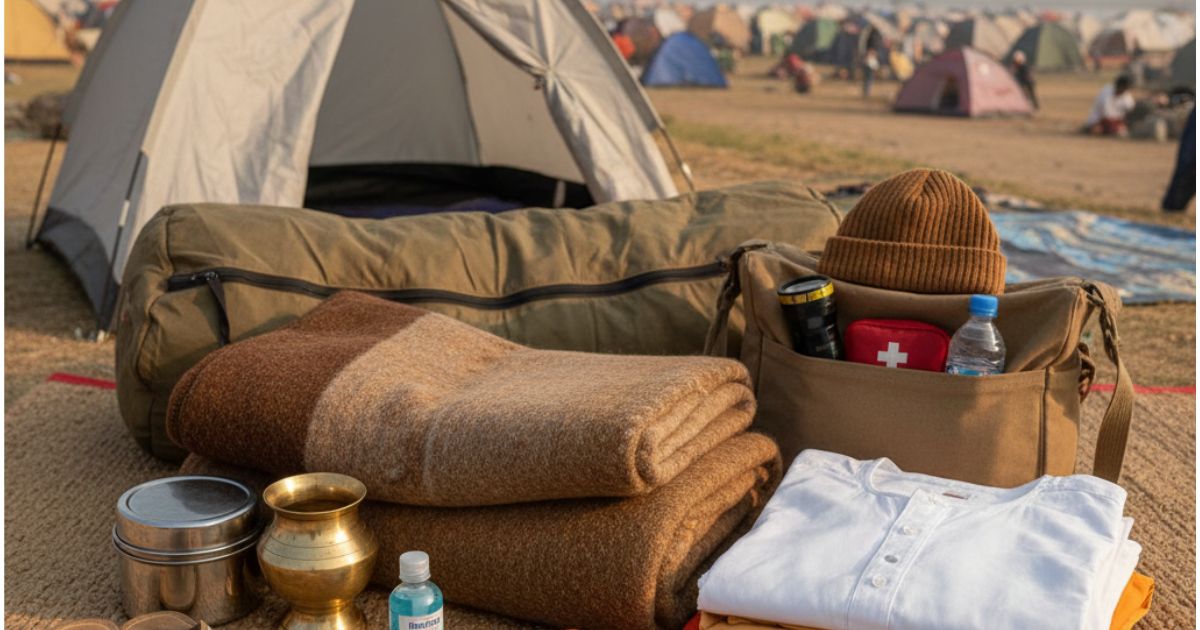
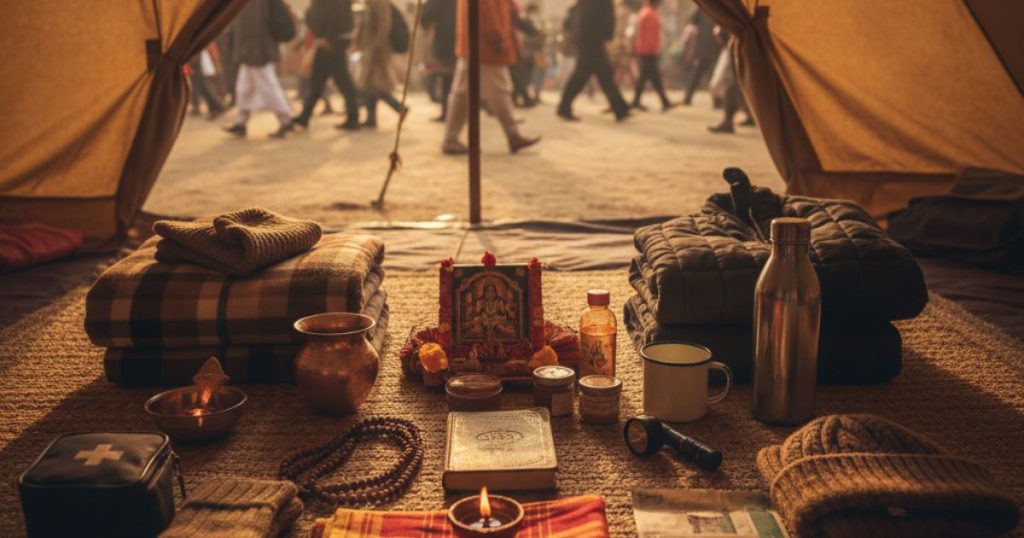
Picture this: you’ve arrived at the sacred confluence for Magh Mela after a long journey, your heart brimming with devotion, only to realize you forgot your warm blanket. The January cold cuts through you like a knife, and suddenly your spiritual retreat feels more like a survival challenge. Sound familiar? Poor planning can transform a divine pilgrimage into an uncomfortable ordeal.

Here’s the truth—proper pilgrim preparation isn’t just about comfort; it’s about ensuring your spiritual focus remains undisturbed. When you’re adequately prepared with the right magh mela essentials, you can dedicate your energy to prayer, meditation, and sacred bathing instead of scrambling for basic necessities.

Whether you’re planning a day visit or a month-long Kalpvas, this comprehensive packing list mela guide will ensure you’re ready for everything the sacred gathering throws at you. From winter protection to spiritual items, from health kit necessities to budget-friendly tips—we’ve got you covered.

Essential Items to Carry for Magh Mela

Why Proper Pilgrim Preparation Matters

Magh Mela isn’t your typical vacation. You’re camping in temporary conditions, surrounded by millions of fellow devotees, with limited access to modern conveniences. The nearest market might be kilometers away, and during peak days, it could take hours to navigate through the crowds.

Inadequate preparation doesn’t just affect your comfort—it can compromise your health and safety. Every year, thousands of pilgrims face preventable challenges: hypothermia from insufficient warm clothing, dehydration from not carrying enough water, infections from poor hygiene supplies, or medication emergencies from forgetting their health kit.

But here’s the good news: with the right magh mela essentials and proper planning, your pilgrimage can be transformative in all the right ways. You’ll sleep comfortably, maintain your health, stay spiritually focused, and return home with memories of divine experiences rather than stories of survival struggles.

Ultimate Packing List Mela: Category-Wise Breakdown

Clothing and Personal Wear

Essential Clothing Items:

  • Warm clothes (3-4 sets): January temperatures can drop to near-freezing. Pack thermal innerwear, thick sweaters, and full-sleeved shirts
  • Traditional wear: At least 2-3 sets of clean dhotis for men or sarees/salwar suits for women. White or light colors are preferred
  • Extra undergarments (7-10 pairs): You’ll be bathing twice daily; quick-dry fabric is ideal
  • Socks (4-5 pairs): Woolen socks are essential for cold nights
  • Jacket or shawl: A waterproof windcheater jacket serves dual purpose—warmth and rain protection
  • Comfortable footwear: Rubber slippers for bathing, sturdy walking shoes for navigating the grounds
  • Towels (2-3): Quick-dry, compact towels save space and dry faster
  • Cap or hat: Protects from sun during day and retains body heat at night

Pro Tip: Layer your clothing rather than packing one heavy item. Layers provide better insulation and flexibility.

Bedding and Shelter Items

Must-Have Sleeping Essentials:

  • Sleeping bag or thick blanket (2): This is non-negotiable for your magh mela essentials. The ground gets extremely cold
  • Mattress or yoga mat: Even a thin mat protects from ground coldness and dampness
  • Plastic sheet or tarpaulin: Place under your bedding to prevent moisture seepage
  • Pillow or cushion: A small travel pillow ensures proper neck support
  • Mosquito net (if staying long-term): Though winter has fewer mosquitoes, some areas near water still have them
  • Tent or temporary shelter material: If not using organized camps, lightweight camping tent is crucial
  • Rope and pegs: For securing tarpaulin or creating clotheslines

Kalpvas Special Note: If observing strict Kalpvas, you’ll sleep directly on the ground with minimal bedding. Adjust accordingly.

Spiritual and Religious Items

Sacred Essentials for Pilgrim Preparation:

  • Prayer book or mantra collection: Carry a small notebook with your favorite prayers
  • Rudraksha or mala beads: For japa (mantra chanting)
  • Small puja thali: Compact steel plate with space for diya, incense, kumkum
  • Incense sticks and camphor: For daily worship
  • Sacred thread (janeu): Extra sets if you wear one
  • Small deity idols or photos: Of your Ishta Devata (chosen deity)
  • Ganga jal container: Empty bottles to collect holy water for home
  • Donation money: Keep separate cash for dakshina and charity
  • Religious books: Bhagavad Gita, Ramayana, or texts you study
  • Notebook and pen: For journaling spiritual insights

Health Kit: Medical Essentials

Your health kit is perhaps the most critical part of your packing list mela:

Basic Medicines:

  • Prescribed medications: Carry double the quantity you’ll need
  • Pain relievers: Paracetamol, ibuprofen
  • Cold and flu medication: Cough syrup, antihistamines
  • Digestive aids: Antacids, anti-diarrheal medication, ORS packets
  • Antiseptic cream and antibiotic ointment: For cuts and minor infections
  • Bandages and gauze: Multiple sizes
  • Adhesive tape and cotton: For wound care
  • Thermometer: Digital one is compact
  • Insect repellent cream
  • Pain relief balm: For muscle aches from sitting on ground

Additional Health Items:

  • Hand sanitizer (multiple bottles): Absolutely essential given limited washing facilities
  • Moisturizer and lip balm: Winter air is extremely dry
  • Sunscreen (SPF 30+): Despite cold, sun exposure is significant
  • Eye drops: For dust and pollution irritation
  • Vitamins and supplements: Especially Vitamin C for immunity
  • Glucose or energy powder: For instant energy during fasting

Emergency Contacts: Keep printed list of nearby hospitals and emergency numbers.

Food and Water Supplies

Safe Food Options for Magh Mela Essentials:

  • Water bottles (3-4 liters capacity): Stay hydrated constantly
  • Water purification tablets: If refilling from local sources
  • Dry fruits and nuts: Almonds, cashews, dates provide energy
  • Biscuits and snacks: Choose sattvic options if observing Kalpvas
  • Instant food packets: Sattu powder, roasted gram flour
  • Fresh fruits: Bananas, apples (easy to carry)
  • Steel tiffin or lunch box: For carrying food
  • Steel glass and plate: Avoid disposables when possible
  • Small stove (if allowed): Check camp regulations first
  • Matchbox or lighter

Important: Follow Kalpvas dietary restrictions if observing that vow. Refer to sattvic food guidelines.

Hygiene and Sanitation Products

Personal Hygiene in Your Packing List Mela:

  • Biodegradable soap: For bathing and washing clothes
  • Toothbrush and toothpaste: Travel-sized or full, depending on stay duration
  • Toilet paper or tissues: Facilities may not always have them
  • Wet wipes: For quick cleaning when water isn’t accessible
  • Nail cutter and file
  • Comb or brush
  • Hair oil (small bottle): Winter dryness affects hair
  • Shampoo sachets: If you’ll be washing hair
  • Feminine hygiene products: Adequate supply for women
  • Plastic bags: Multiple bags for waste segregation and wet clothes
  • Bucket and mug: For bathing; most camps don’t provide these
  • Washing detergent: Small packets for handwashing clothes

Documents and Money

Critical Items for Pilgrim Preparation:

  • Identity proof: Aadhaar card, driver’s license (originals and photocopies)
  • Medical prescriptions: If carrying medicines
  • Emergency contact list: Printed, not just in phone
  • Cash: ATMs get crowded; carry sufficient cash in small denominations
  • Separate emergency fund: Keep hidden in different location
  • Travel tickets: Return journey tickets, if pre-booked
  • Photocopies of all documents: Store separately from originals
  • Small lock and key: For securing your belongings
  • Money belt or pouch: Wear under clothes for safety

Electronics and Communication

Tech Essentials (Minimal):

  • Mobile phone: Fully charged before arrival
  • Power bank (high capacity): 20,000mAh minimum
  • Charger and cable: Keep in waterproof bag
  • Flashlight or torch: LED torch with extra batteries
  • Headlamp: Keeps hands free at night
  • Whistle: For emergencies in crowds
  • Watch: Simple, waterproof
  • Camera (optional): Only if you want to document the experience

Note: Keep electronics to minimum. This is a spiritual retreat, not a photography expedition.

Season-Specific Magh Mela Essentials

Winter Protection Items

January Cold-Weather Must-Haves:

  • Thermal innerwear (full set): Top and bottom, at least 2 pairs
  • Woolen scarf or muffler: Protects throat and face
  • Woolen cap: You lose significant body heat through your head
  • Gloves: For early morning baths
  • Ear muffs or earplugs: Against cold winds
  • Hot water bag: Traditional rubber one works wonders at night
  • Vapor rub: For congestion from cold
  • Warm socks: Extra-thick for sleeping
  • Thermos flask: To carry hot water or tea

The health kit becomes even more critical in winter. Respiratory issues, hypothermia risks, and cold-related ailments increase significantly.

Rain Preparation

Unexpected Weather Protection:

  • Raincoat or poncho: Covers you and your bag
  • Waterproof bag covers: For protecting your belongings
  • Extra plastic sheets: For covering bedding
  • Waterproof footwear: At least one pair
  • Sealed plastic containers: For keeping clothes dry
  • Quick-dry clothes: As backups

January typically has minimal rain, but weather can be unpredictable. Better safe than shivering.

Items to Avoid Bringing

What NOT to Include in Your Packing List Mela:

  • Expensive jewelry or watches: Unnecessary risk
  • Laptops or tablets: No secure storage, and frankly, distracting
  • Large suitcases: Impractical for temporary camping
  • Non-vegetarian food items: Completely inappropriate for the sacred space
  • Alcohol or cigarettes: Strictly prohibited
  • Excessive valuables: Bring only essentials
  • Hair dryers or styling tools: No electricity in most areas
  • Formal shoes or delicate footwear: Will get ruined in the dusty, muddy terrain
  • Glass containers: Risk of breakage; use steel or plastic

Safety and Emergency Preparedness

Critical Safety Items in Your Magh Mela Essentials:

  • First aid manual: Basic guide for emergencies
  • Emergency whistle: To signal for help
  • Photocopy of camp location map: Mark your spot
  • Meeting point decided with travel group: If separated in crowds
  • Waterproof document holder: Worn around neck
  • Safety pins: Multiple sizes, surprisingly useful
  • Duct tape: Fixes almost anything temporarily
  • Small sewing kit: For clothing repairs
  • Emergency food: High-calorie bars that last without refrigeration

Safety Protocol: Always inform someone trustworthy about your daily plans and expected return time.

Kalpvas-Specific Packing Considerations

If you’re observing the full month-long Kalpvas, your pilgrim preparation needs adjustment:

Additional Kalpvas Items:

  • Extra clothing sets: At least 7-10 sets for month-long stay
  • More bedding: Multiple blankets for extended cold exposure
  • Larger water storage: 10-20 liter containers
  • Extended medical supplies: Full health kit with 45-day medication supply
  • Books for spiritual study: More reading material for daily study
  • Writing materials: Journal, extra notebooks
  • Minimal luxury items: Perhaps a small radio for news updates

What to Reduce:

  • Electronics (even more minimal)
  • Fancy items (embrace simplicity)
  • Multiple outfit choices (rotate basics)

Budget-Friendly Shopping Tips for Pilgrim Preparation

Save Money on Your Packing List Mela:

Where to Shop:

  • Local wholesale markets: Significantly cheaper than retail
  • Government cooperative stores: Good quality at fair prices
  • Online bulk deals: Order month in advance for best prices
  • Borrow where possible: Sleeping bags, torches from friends

Smart Shopping Strategies:

  • Buy multi-purpose items (soap for body and clothes)
  • Choose reusable over disposable
  • Purchase medicines generically, not branded
  • Carry from home what you already own
  • Shop with fellow pilgrims and split costs

Budget Breakdown:

  • Clothing and bedding: â‚č2,000-3,000
  • Health kit: â‚č500-1,000
  • Food supplies: â‚č1,000-1,500 (for week)
  • Miscellaneous: â‚č500-1,000
  • Total: â‚č4,000-6,500 for week-long stay

Conclusion

Preparing for Magh Mela might seem overwhelming, but with this comprehensive packing list mela, you’re now equipped with everything you need to know. Remember, the goal of proper pilgrim preparation isn’t to recreate home comforts—it’s to ensure basic necessities don’t distract from your spiritual practice.

Your magh mela essentials should strike a balance: enough to keep you safe and comfortable, but not so much that you’re weighed down by material possessions at a spiritual gathering. Think practical, not luxurious. Think necessary, not convenient.

The health kit deserves special attention—it’s far better to carry medications you don’t use than to need something you don’t have. Similarly, winter protection items aren’t optional extras; they’re survival essentials for January pilgrimage.

Pack smart, pack light, but pack complete. Test your gear before leaving home. Ensure your health kit is well-stocked. Double-check documents and money. And most importantly, prepare your mind and heart for the transformative journey ahead.

When you arrive at the sacred confluence with adequate preparation, you’ll spend less time worrying about logistics and more time immersed in the divine experience. You’ll bathe in the holy Ganga without concern, meditate without discomfort, and return home with soul-level transformation.

May your Magh Mela pilgrimage be blessed, comfortable, and spiritually enriching. With proper preparation and divine grace, it will be an experience that transforms your life forever.

FAQs About Magh Mela Essentials

1. Can I buy forgotten magh mela essentials at the venue, or should I carry everything?

Basic items like food, water, blankets, and common medicines are available at markets near Magh Mela grounds, but they’re significantly overpriced (often 2-3 times normal cost) and quality is questionable. During peak days, shops get overcrowded, and popular items sell out quickly. Specialized items like prescription medications, specific hygiene products, or quality warm clothing are hard to find. Your best strategy: carry all essentials from home. Treat local shopping as emergency backup only. This approach saves money and guarantees you have exactly what you need.

2. How do I protect my belongings from theft in such crowded conditions?

Theft, while not rampant, does occur. Follow these safety measures: Never leave belongings unattended—always have someone from your group stay at camp. Use small locks on bags (more deterrent than absolute security). Wear a money belt under clothing for cash and documents. Keep valuables to absolute minimum. Make photocopies of documents and store separately from originals. Mark your belongings clearly with name/phone number. Stay in organized camps with security when possible. Most importantly, don’t display wealth—keep jewelry and expensive items at home. Fellow pilgrims respect sacred space, but crowds attract opportunists too.

3. What should be in my health kit if I have specific medical conditions?

Your health kit needs customization beyond the basic list. For diabetes: extra glucose meter, testing strips, insulin (with cold storage arrangement), sugar candies for low blood sugar episodes. For hypertension: blood pressure monitor, all cardiac medications in double quantity, low-sodium food options. For asthma: multiple inhalers, nebulizer if possible, anti-allergy medications. For arthritis: pain relief creams, mobility aids if needed, extra cushioning for sleeping. Carry a detailed medical summary including diagnoses, medications, allergies, and emergency contacts. Inform travel companions about your conditions. Consider consulting AstroInsights.guru’s astrologers—they can predict health vulnerable periods during your stay and suggest additional precautions based on your horoscope.

4. Is it better to carry a tent or stay in organized camps?

Each has pros and cons. Personal tent advantages: Privacy, control over location, flexibility in schedule, cheaper if you already own one. Disadvantages: Must carry bulky item, setup time, less security, isolated from community. Organized camps advantages: Security, community support, provided bedding often included, established facilities, easier for first-timers. Disadvantages: More expensive (â‚č500-2,000 per night), less privacy, strict timings, limited availability during peak dates. Recommendation: First-time pilgrims or those with health concerns should use organized camps. Experienced devotees observing strict Kalpvas might prefer personal tents. Groups can rent larger tents and share costs. AstroInsights.guru can guide you on the best option based on your chart and circumstances.

5. How can I minimize my packing list mela while ensuring I have all magh mela essentials?

The art of minimal yet complete packing: 1) Choose multi-purpose items—soap for body and clothes, shawl as blanket and prayer cloth, smartphone as torch/camera/alarm. 2) Wear your bulkiest items during travel—heavy jacket, walking shoes. 3) Use compression bags for clothing to reduce volume. 4) Embrace pilgrim simplicity—you truly need fewer clothes than you think; washing and reusing is part of the experience. 5) Coordinate with travel group—share items like first aid kit, cooking stove, toiletries. 6) Prioritize health and warmth over everything else—when in doubt, choose the item that protects your wellbeing. 7) Create a digital backup of documents instead of carrying multiple photocopies. 8) Buy consumables small—travel-sized versions of everything. One medium backpack plus one small shoulder bag should suffice for week-long stays.

AstroInsights.guru’s Essential Items to Carry for Magh Mela

While this comprehensive guide covers standard magh mela essentials, your individual needs might differ based on your astrological chart, health profile, and spiritual goals.

How AstroInsights.guru Enhances Your Pilgrim Preparation:

Our expert astrologers provide:

  • Personalized packing recommendations based on your birth chart and planetary periods
  • Auspicious timing guidance for starting your pilgrimage
  • Health predictions to help you pack appropriate medical supplies
  • Spiritual goal setting to determine which religious items you’ll need most
  • Budget planning aligned with your financial astrological indicators
  • Travel direction analysis for choosing the best route and accommodation

We also offer:

  • Pre-pilgrimage consultations via live webinar or chat
  • Real-time support during your Magh Mela stay
  • Pandit booking services for those needing ritualistic guidance at the mela
  • Post-pilgrimage integration sessions to help you maintain spiritual gains

Don’t leave your sacred journey to chance. Let our experienced team help you prepare comprehensively, ensuring your Magh Mela experience is safe, comfortable, and spiritually transformative.

Connect with AstroInsights.guru:

  • 🌐 Website: astroinsights.guru
  • 📞 Phone: +916306407641
  • 📧 Email: astroinsights.guru@gmail.com
  • đŸ€– AstroInsights AI: https://bit.ly/astroguru_ai

Why Prayagraj Sangam is Considered Sacred

Learn why Prayagraj Sangam is considered sacred, highlighting its divine confluence of rivers, mythological importance, purification rituals, and centuries-old spiritual faith.

Stand at the edge of the world’s most sacred confluence, where three mighty rivers merge, and you’ll feel something inexplicable—a presence that transcends the physical, an energy that predates recorded history. This is Prayagraj Sangam, the Triveni—literally “triple braid”—where the visible Ganga and Yamuna embrace the invisible but eternally flowing Saraswati. But what transforms this geographical point into the spiritual epicenter of Hindu consciousness?

Is it merely religious sentiment that draws millions to this spot annually? Or does something deeper—something ancient, powerful, and transformative—actually exist here? The prayagraj sangam significance isn’t just a matter of faith; it’s woven into the very fabric of Indian spirituality, philosophy, and cultural identity spanning millennia.

From the Vedas that first proclaimed its glory to modern seekers who experience inexplicable peace at its banks, from ancient rishis who chose it for their highest spiritual practices to contemporary scientists intrigued by its unique properties—the sacred rivers confluence at Prayagraj commands attention, reverence, and wonder.

This isn’t just another pilgrimage site. This is where heaven and earth are believed to meet, where the mortal sheds the burden of karma, and where the impossible—liberation itself—becomes possible. Let’s explore why this confluence has held humanity’s spiritual imagination captive for over three thousand years.

Why Prayagraj Sangam is Considered

Understanding Triveni Sangam Meaning: The Triple Confluence

The Three Sacred Rivers

The triveni sangam meaning lies in the union of three sacred rivers, each carrying profound spiritual symbolism:

Ganga (Ganges): The holiest river in Hinduism, Ganga is personified as the goddess Ganga. According to mythology, she descended from heaven to earth through Lord Shiva’s matted locks to purify the souls of King Bhagiratha’s ancestors. The Ganga represents:

  • Purity and Purification: Her waters are believed to cleanse all sins
  • Moksha (Liberation): Death near Ganga or with Ganga water ensures release from rebirth cycle
  • Divine Grace: She embodies compassion and mercy
  • Spiritual Knowledge: Her flow represents the continuous stream of divine wisdom

Scientifically, the Ganga water contains unique bacteriophages that prevent bacterial growth—a phenomenon that intrigued even the British during colonial times.

Yamuna: The second visible river, Yamuna is associated with Lord Krishna, who spent his childhood on her banks in Vrindavan. She represents:

  • Devotion (Bhakti): Her connection to Krishna symbolizes the path of loving devotion
  • Karma Yoga: The river of action and duty
  • Earthly Life: While Ganga is celestial, Yamuna represents worldly engagement
  • Beauty and Aesthetics: Her dark waters contrast beautifully with Ganga’s lighter hue

At the Sangam, you can visually distinguish the two rivers—Ganga’s greyish-white waters and Yamuna’s darker blue-green streams flowing side by side before merging.

Saraswati: The invisible third river represents the greatest mystery of the triveni sangam meaning. Once a mighty river according to Vedic texts, Saraswati is now underground or disappeared. She symbolizes:

  • Hidden Knowledge: Esoteric wisdom not accessible to all
  • Intuition and Inner Vision: What cannot be seen but must be felt
  • Spiritual Wisdom: Goddess Saraswati presides over learning and arts
  • The Subtle Body: While Ganga and Yamuna are physical, Saraswati represents the spiritual dimension

Archaeological and geological studies have found evidence of an ancient river system in the region, lending credibility to Saraswati’s historical existence. Satellite imagery has traced what might be the dried riverbed of the Saraswati.

The Mystery of Saraswati

Why does the prayagraj sangam significance emphasize an invisible river? Because it teaches a profound spiritual principle: the most powerful realities are often unseen. Just as consciousness, love, and divine presence cannot be photographed yet are absolutely real, Saraswati’s invisible flow reminds seekers that the spiritual realm operates beyond physical perception.

Ancient texts claim that bathing at the Triveni—even if Saraswati is invisible—connects you with all three energies: physical purification (Ganga), devotional activation (Yamuna), and spiritual awakening (Saraswati). The three rivers represent the three paths to enlightenment: Karma (action), Bhakti (devotion), and Jnana (knowledge).

Mythological Origins: Ancient Stories Behind Sacred Rivers Confluence

The Samudra Manthan Legend

One of Hinduism’s most famous myths directly connects to the sacred rivers confluence:

When gods and demons churned the cosmic ocean (Samudra Manthan) to obtain amrita (nectar of immortality), the process yielded both poison and nectar. During the struggle for the amrita pot, drops fell at four locations on earth—Prayagraj, Haridwar, Ujjain, and Nashik—making them the four Kumbh Mela sites.

But Prayagraj received special distinction. According to some versions, Lord Vishnu’s navel is believed to be at the Sangam point. Since Vishnu’s navel birthed Brahma (the creator) on a lotus, this makes Prayagraj the creation point of the universe—the adi tirtha (first pilgrimage site).

The amrita drops at Prayagraj fell precisely at the confluence, charging the waters with immortality-granting properties. This explains why bathing here during Kumbh Mela—when planetary alignments recreate the original cosmic churning conditions—is believed to grant liberation.

Lord Brahma’s First Yajna

Another powerful mythological foundation comes from the Puranas:

Lord Brahma, after creating the universe, sought an ideal location for the first yajna (fire sacrifice) to stabilize creation. He chose the confluence of three rivers as the perfect spot because:

  • Water represents the primordial element
  • Confluence symbolizes unity in diversity
  • The meeting point creates maximum spiritual energy

Brahma performed the Prakrista Yajna (excellent sacrifice) here, establishing Prayag (later Prayagraj) as Tirtharaj—the king of all pilgrimage sites. The name “Prayag” itself comes from “pra” (excellent) and “yag” (sacrifice).

This mythological event explains why performing rituals at the Sangam carries exponentially greater spiritual merit than at other locations. You’re essentially conducting your ceremony at the same spot where creation itself was sanctified.

The Ramayana Connection

The epic Ramayana strengthens the prayagraj sangam significance through several episodes:

When Lord Rama, along with Sita and Lakshmana, traversed through during their exile, they stopped at Prayag. Here, they met the great sage Bharadwaja at his ashram near the Sangam. The sage guided them toward Chitrakoot, but first, they bathed at the confluence and received blessings.

This establishes two important spiritual precedents:

  1. Even divine incarnations honor the Sangam’s sanctity
  2. The confluence blesses both spiritual seekers and righteous rulers

Later, in the Uttara Ramayana, when Rama’s sons Lava and Kusha perform the Ashwamedha Yajna, they do so at Prayag, reaffirming its status as the most auspicious location for major rituals.

Spiritual Significance of Prayagraj Sangam

Purification of Three Bodies

Hindu philosophy recognizes three bodies within each person:

Sthula Sharira (Physical Body): The Ganga’s waters purify this physical form. The cold bath, the mantra chanting, and the ritualistic immersion cleanse physical impurities and diseases. Many practitioners report healing of chronic ailments after Sangam baths.

Sukshma Sharira (Subtle Body): This includes mind, intellect, and ego. The Yamuna’s energies work on this level, purifying thoughts, emotions, and mental patterns. The devotional atmosphere and spiritual practices calm the restless mind.

Karana Sharira (Causal Body): This deepest layer contains karmic seeds and soul impressions. The invisible Saraswati operates here, dissolving karmic knots and ancestral burdens. This explains why Pitru Tarpan (ancestor rituals) at Sangam are considered supremely effective.

The sacred rivers confluence offers simultaneous purification of all three bodies—an opportunity unavailable at single-river sites. This triple-action cleansing explains the transformative power devotees experience.

Liberation from Karmic Cycles

The prayagraj sangam significance peaks in its promise of moksha—liberation from the cycle of birth, death, and rebirth.

How Does Sangam Grant Liberation?

According to spiritual philosophy:

  • Karmic Dissolution: The confluence’s energy field actually erases karmic debts accumulated over lifetimes
  • Divine Grace Concentration: Because the spot is so sacred, divine attention focuses here, making grace more accessible
  • Samskara Cleansing: Deep subconscious impressions (samskaras) that bind the soul to repeated incarnation get purified
  • Consciousness Elevation: The high-vibration environment naturally lifts awareness toward transcendental states

Ancient texts claim that even looking at the Sangam (darshan), touching its waters (sparshan), or drinking them (achamana) confers spiritual merit. But full immersion with proper mantras and rituals offers the ultimate benefit—freedom from compulsory rebirth.

Moksha Gateway

Prayagraj is classified as a “Moksha Tirtha”—one of seven locations in India where liberation is most accessible:

The seven Moksha Tirthas are:

  1. Ayodhya
  2. Mathura
  3. Haridwar
  4. Kashi (Varanasi)
  5. Kanchipuram
  6. Ujjain
  7. Dwarka

But even among these seven, Prayagraj holds special status because it’s where rivers (representing life’s flow) converge and lose their individual identities—a perfect metaphor for the soul merging with the divine.

The triveni sangam meaning extends to spiritual symbolism: just as three rivers become one, the individual soul (atman), material nature (prakriti), and supreme consciousness (brahman) unite here, facilitating the ultimate spiritual realization.

Scientific and Energetic Aspects of the Confluence

Geological Uniqueness

Modern science offers intriguing perspectives on the sacred rivers confluence:

Distinct Water Properties: Studies show that Ganga and Yamuna waters have different pH levels, mineral compositions, and microbial content. When they meet, a unique mixing zone is created where distinct properties interact.

Sediment Patterns: Geological surveys reveal fascinating sediment deposition patterns at the confluence, creating a unique topography unlike simple river junctions. The third component—possibly underground water streams—adds complexity.

Historical River Courses: Satellite imagery and archaeological evidence suggest multiple ancient river channels in the region, supporting the Saraswati narrative. Climate and tectonic changes over millennia altered river courses, but underground water channels may persist.

Energy Vortex Theory

Many spiritual traditions and modern energy workers describe the Sangam as a powerful energy vortex:

What is an Energy Vortex? Locations where earth’s electromagnetic field creates spiraling energy concentrations. These spots facilitate heightened spiritual experiences, healing, and consciousness expansion.

Sangam as Vortex: Practitioners report:

  • Tingling sensations while bathing
  • Spontaneous meditative states
  • Emotional releases and healing
  • Profound peace and clarity
  • Synchronicities and spiritual experiences

Geomagnetic Factors: Some researchers theorize that the unique geology—water flow, mineral deposits, and underground formations—creates geomagnetic anomalies that affect human consciousness.

While mainstream science hasn’t validated these claims, the consistent reports across centuries suggest something beyond placebo effect operates here.

Astrological Importance

The prayagraj sangam significance multiplies during specific planetary configurations:

Kumbh Mela Astronomy: The Kumbh occurs when Jupiter (Guru) enters Aquarius (Kumbha) and the Sun enters Aries—a configuration that traditionally marks maximum spiritual benefit. The precise astronomical calculations determining Kumbh dates reflect ancient India’s sophisticated astronomical knowledge.

Magh Mela Timing: During Magh (January-February), the Sun transits through Capricorn while specific planetary alignments occur. These configurations are believed to:

  • Open spiritual gateways
  • Amplify ritual effectiveness
  • Facilitate ancestral communication
  • Enhance karmic cleansing

Personal Astrological Connections: Individual birth charts determine optimal timing for Sangam visits. Certain planetary periods (dashas) and transits make the pilgrimage more beneficial for specific people—another service AstroInsights.guru provides through personalized consultations.

Historical References: Prayagraj Through the Ages

Vedic Literature Mentions

The Rigveda, humanity’s oldest continuous religious text (circa 1500 BCE), references the sacred rivers confluence:

Hymns mention “Triveni” and “Prayag” as supremely holy. The Atharvaveda describes pilgrimage to river confluences as merit-generating acts. These ancient references establish that Prayagraj’s sanctity predates even recorded Indian history.

The Mahabharata extensively discusses Prayagraj in the Tirtha-yatra Parva (Pilgrimage section), describing it as the holiest of all tirthas where even devas (gods) come to bathe.

Buddhist and Jain Connections

Prayagraj’s significance transcends Hindu tradition:

Buddhist References: Buddha himself reportedly visited Prayag during his travels. Buddhist texts mention the confluence as a place of merit-making. Emperor Ashoka (3rd century BCE) built a pillar at the Sangam, recognizing its spiritual importance—this Ashoka Pillar still stands (though relocated) in Prayagraj Fort.

Jain Tradition: Jain texts also acknowledge the sacred rivers confluence as a tirtha. Several Jain tirthankaras are believed to have visited and blessed the location.

This inter-religious recognition suggests the Sangam’s spiritual potency is universally acknowledged, not limited to Hindu belief systems.

Medieval Accounts and Travelers’ Records

Historical travelers documented Prayagraj’s significance:

Hiuen Tsang (7th century CE): The Chinese Buddhist monk described Prayag as having numerous temples and bustling spiritual activity, with pilgrims from across India converging there.

Al-Biruni (11th century CE): The Persian scholar documented Hindu pilgrimage practices at Prayag, noting the confluence’s supreme importance in the Hindu hierarchy of sacred sites.

Akbar’s Recognition: The Mughal emperor Akbar built a fort at Prayag (1583 CE), recognizing its strategic and spiritual importance. He renamed it “Illahabas” (later anglicized to Allahabad), though it was officially renamed Prayagraj in 2018.

British Colonial Records: British administrators meticulously documented the Kumbh Mela gatherings, amazed by the millions who assembled—the world’s largest peaceful human gathering.

These diverse historical references across cultures and religions validate that something genuinely special exists at the sacred rivers confluence.

The Four Sacred Tirthas and Prayagraj’s Supreme Status

Hindu tradition recognizes four supreme pilgrimage sites where Kumbh Mela occurs:

  1. Prayagraj (Uttar Pradesh): Ganga-Yamuna-Saraswati confluence
  2. Haridwar (Uttarakhand): Where Ganga enters the plains
  3. Ujjain (Madhya Pradesh): On the Shipra River
  4. Nashik (Maharashtra): On the Godavari River

Among these four, ancient texts consistently rank Prayagraj as Tirtharaj—the emperor of pilgrimage sites. Why?

Multiple Confluence: Prayagraj is the only spot with three rivers (even if one is invisible/underground), making it geometrically and spiritually unique.

Vedic Authentication: The oldest scriptures give Prayagraj primacy, suggesting its recognition predates the other three sites.

Moksha Promise: While all four grant spiritual merit, Prayagraj specifically promises moksha—liberation itself—not just purification or blessings.

Creation Connection: The mythology connecting Prayagraj to Brahma’s first yajna and creation itself gives it foundational importance.

This supreme status explains why the Prayagraj Kumbh Mela attracts the largest crowds—up to 120 million visitors during the 2019 Ardh Kumbh.

Kumbh and Magh Mela: Amplifying the Sacred

The prayagraj sangam significance reaches its peak during two major festivals:

Kumbh Mela (Every 12 Years): Based on precise astronomical calculations, the Kumbh recreates the conditions of the mythological Samudra Manthan when amrita dropped at Prayagraj. The planetary alignments supposedly open maximum spiritual gateways, making this the most auspicious time for darshan and bathing.

Ardh Kumbh (Every 6 Years): A “half Kumbh” with significant but slightly lesser astronomical alignment.

Magh Mela (Annual): During the Hindu month of Magh (January-February), a month-long gathering occurs where devotees observe Kalpvas—living on the banks following strict spiritual discipline.

Why Do These Events Amplify Sangam’s Power?

  • Collective Consciousness: Millions of devotees praying simultaneously create enormous spiritual energy
  • Planetary Alignment: Specific cosmic configurations enhance earth’s energy field
  • Divine Presence: Tradition holds that devas descend to bathe during Kumbh
  • Karmic Windows: These times offer accelerated karmic dissolution
  • Community Support: Fellow seekers provide encouragement and shared devotion

Even skeptics acknowledge the palpable energy difference during these festivals—the atmosphere becomes electric with devotion.

Rituals That Gain Special Power at Sangam

Pitru Tarpan (Ancestor Rituals)

Perhaps no ritual benefits more from the sacred rivers confluence than Pitru Tarpan:

Why Sangam for Ancestor Rituals?

  • The convergence point symbolizes the meeting of different dimensions—perfect for communicating with departed souls
  • Saraswati’s invisible presence represents the subtle realm where ancestors reside
  • Water is the medium connecting living and departed in Hindu philosophy
  • The spiritual power concentrated here facilitates ancestral liberation

Many families travel to Prayagraj specifically to perform shraaddh (death anniversary rituals) and Pitru Tarpan, believing it grants peace to ancestors and removes Pitru Dosh (ancestral afflictions) from their horoscopes.

Asthi Visarjan (Ash Immersion)

Immersing cremation ashes at the Sangam is considered supremely beneficial:

Spiritual Rationale:

  • The deceased soul receives blessings from all three rivers simultaneously
  • The confluence’s moksha-granting power directly aids the departed soul
  • It provides closure and peace to grieving family members
  • It honors the deceased by offering them the highest spiritual benefit

Thousands annually bring ash urns to Prayagraj for this sacred act. The triveni sangam meaning includes this role as a bridge between life and death, physical and spiritual realms.

Sankalp and Vows

Taking spiritual vows (sankalpas) at the Sangam carries special weight:

Types of Sankalpas:

  • Beginning a new spiritual practice
  • Committing to life changes
  • Seeking divine guidance for major decisions
  • Dedicating oneself to a spiritual path
  • Taking monk/renunciant vows

Why Sangam for Sankalpas? The location’s spiritual potency witnesses and empowers your vows. Making commitments in such a sacred space creates accountability and divine support for fulfilling them.

Many spiritual teachers conduct initiation ceremonies at the Sangam, recognizing that disciples initiated here receive special blessings.

Personal Experiences: Testimonies of Transformation

Beyond scripture and tradition, personal testimonies validate the prayagraj sangam significance:

Healing Stories: Countless reports exist of chronic illnesses improving or disappearing after Sangam bathing. While scientific verification is limited, the consistent patterns suggest something beyond coincidence.

Emotional Breakthroughs: Many describe profound emotional healing—releasing grief, finding forgiveness, overcoming depression—during or immediately after Sangam visits.

Spiritual Experiences: Common reports include:

  • Visions of deities or divine light
  • Spontaneous samadhi (meditative absorption) states
  • Meeting spiritual teachers synchronistically
  • Receiving answers to long-held spiritual questions
  • Feeling tangible divine presence

Life Direction Clarity: Numerous pilgrims report that confusion about life direction, career, relationships, or spiritual path suddenly resolves during Sangam contemplation.

The Skeptic’s Experience: Even rationalists and skeptics often report unexpected experiences that challenge their worldview. The Sangam seems to touch even those who come without faith.

Comparing Prayagraj Sangam with Other Sacred Confluences

India has several river confluences (sangams), but none match Prayagraj’s status:

Devprayag (Uttarakhand): Where Bhagirathi and Alaknanda merge to form the Ganga. Highly sacred but involving two rivers, not three.

Vishnuprayag, Nandprayag, etc.: The Panch Prayag (five confluences) in the Himalayas are beautiful and spiritual but lack the mythological depth and moksha promise of Prayagraj.

Other Sangams: Various smaller sangams exist throughout India, each with local significance, but none carry scriptural authentication or historical importance comparable to the Triveni.

What Makes Prayagraj Unique?

  1. Three-river confluence (tri-sangam)
  2. Inclusion of invisible/sacred Saraswati
  3. Vedic textual authentication
  4. Moksha-granting status
  5. Historical continuity across millennia
  6. Universal religious recognition
  7. Astronomical significance (Kumbh calculations)

This combination of factors makes Prayagraj Sangam truly incomparable.

Modern Relevance: Why Millions Still Visit

In our materialistic, scientific age, why does the sacred rivers confluence still draw millions?

Spiritual Hunger: Modern life’s stress, meaninglessness, and disconnection create spiritual hunger that ancient sacred sites satisfy in ways temples and churches often don’t.

Ancestral Connection: In an age of broken families and lost traditions, performing ancestral rituals at Sangam reconnects people with lineage and heritage.

Alternative Healing: As faith in modern medicine wavers for chronic conditions, many seek spiritual healing at powerful locations like Sangam.

Bucket List Spirituality: Even non-religious Indians consider Sangam pilgrimage essential—a cultural experience validating Indian identity.

Global Hindu Diaspora: Non-resident Indians living abroad often plan Sangam visits during India trips, reconnecting with spiritual roots.

Scientific Curiosity: Researchers from multiple disciplines study the Kumbh Mela and Sangam, intrigued by its scale, organization, and reported phenomena.

Insta-Spirituality: Yes, social media plays a role—posting from Sangam during Kumbh has become a statement. But superficial motivation often transforms into genuine spiritual experience.

The prayagraj sangam significance endures because it addresses timeless human needs—meaning, purification, connection, and transcendence—that modernity hasn’t satisfied.

How to Experience the Sacred Energy of Sangam

Visiting Prayagraj Sangam is one thing; truly experiencing its sacred energy requires preparation:

Before Your Visit:

  1. Study and Understanding: Read about the triveni sangam meaning, mythology, and significance
  2. Intention Setting: Clarify why you’re going—healing? Ancestral rituals? Spiritual growth?
  3. Astrological Consultation: Determine optimal timing based on your horoscope
  4. Physical Preparation: The cold water and basic facilities require physical readiness
  5. Mental Preparation: Approach with reverence, not just tourist curiosity

During Your Visit:

  1. Sacred Bath: Immerse completely, chant mantras, invite purification consciously
  2. Meditation: Spend time in silent contemplation at the banks
  3. Ritual Participation: Engage in aarti, pujas, and ceremonies
  4. Seva (Service): Help fellow pilgrims, donate to genuine causes
  5. Mindfulness: Stay present, notice your internal experiences
  6. Documentation: Journal your thoughts and feelings

After Your Visit:

  1. Integration: Don’t immediately resume normal life; take transition days
  2. Continued Practice: Maintain spiritual practices inspired by the experience
  3. Sharing: Share insights with fellow seekers
  4. Gratitude: Regular thanks for the opportunity and experiences
  5. Follow-through: If you made sankalpas, honor them diligently

The sacred rivers confluence offers its blessings to all, but conscious engagement multiplies the benefits exponentially.

Conclusion

The prayagraj sangam significance transcends religious dogma or cultural tradition—it touches something fundamental in human consciousness. For over three millennia, this sacred rivers confluence has called to seekers, pilgrims, and saints. From Vedic rishis to medieval saints to modern spiritual seekers, all have found something at the Triveni that transformed them.

Is it the unique geology creating energetic phenomena? The power of collective faith generating morphic fields? The actual presence of divine grace at a location honored for so long? The accumulated prayers of billions over centuries creating a spiritual vortex? Perhaps all of these factors interweave, creating a space where the boundary between material and spiritual dissolves.

The triveni sangam meaning goes beyond three rivers meeting—it represents the convergence of heaven and earth, past and present, individual and universal, mortal and divine. At this singular point, the impossible becomes possible: karmic debts dissolve, ancestral curses lift, spiritual insights dawn, and the soul glimpses its own immortality.

Whether you understand it through mythology, science, philosophy, or direct experience, the Sangam remains what it has always been—a portal to transformation, a gateway to grace, a place where the finite touches the infinite.

In our fragmented, confused, often despairing modern world, sacred sites like Prayagraj Sangam remind us that the divine hasn’t abandoned humanity. Ancient wisdom still flows like the eternal rivers, available to all who approach with sincerity and reverence.

The sacred rivers confluence awaits—not just in Uttar Pradesh, but in the landscape of your own consciousness. The outer journey to Prayagraj mirrors an inner journey to your own Triveni, where body, mind, and spirit converge, where past, present, and future merge, where you discover that the sacred you sought externally has always resided within.

May your understanding of Prayagraj Sangam’s significance inspire your own sacred journey, wherever it may lead.

FAQs About Prayagraj Sangam Significance

1. Can the prayagraj sangam significance be experienced without Hindu belief, or is it exclusively for Hindus?

The sacred rivers confluence welcomes all sincere seekers regardless of religious affiliation. While Hindu tradition provides the primary interpretive framework, people from various faiths and even atheists report profound experiences at the Sangam. The site’s power operates beyond belief systems—many Buddhists, Jains, Sikhs, and even some Muslims and Christians visit with reverence. What matters is approaching with respect, openness, and genuine spiritual intent rather than casual tourism. The triveni sangam meaning transcends sectarian boundaries, addressing universal human longings for purification, peace, and transcendence. That said, participating in specific Hindu rituals (like Pitru Tarpan) obviously requires engagement with Hindu spiritual framework. AstroInsights.guru can guide seekers from any background in accessing the Sangam’s benefits appropriately.

2. What is the best time to visit Prayagraj Sangam for maximum spiritual benefit?

The answer depends on your personal astrological chart and spiritual goals. Universal Peak Times: Magh Mela (January-February annual), Kumbh Mela (12-year cycle), and especially Mauni Amavasya (new moon during Magh) offer maximum collective energy and spiritual potency. Personal Optimal Times: Your individual birth chart determines when Sangam visit benefits you most—certain dashas, transits, and planetary periods make pilgrimage exponentially more effective. Practical Considerations:Non-festival times offer quieter, more contemplative experiences without crowds, though with less collective energy. Astrological Guidance: AstroInsights.guru’s astrologers calculate your personalized muhurat (auspicious timing) based on: your natal chart, current planetary transits, specific intentions (healing vs. ancestor rituals vs. general purification), and practical constraints. Generally, Thursdays (Jupiter’s day) and Mondays (Moon’s day) at the Sangam are considered highly favorable, especially during morning hours (Brahma Muhurta).

3. How does the sacred rivers confluence physically look—can you actually see three different rivers merging?

Visually, you can clearly distinguish two rivers at the Sangam: the Ganga flowing from the north with greyish-white, lighter-colored water, and the Yamuna coming from the west with darker, blue-green water. The convergence creates a stunning visual effect—a distinct line where the two colored waters meet before gradually mixing. Photographers love capturing this phenomenon. The third river, Saraswati, remains invisible to physical eyes, though some spiritually sensitive individuals claim to perceive subtle energy or even visual shimmer in the area where she’s believed to flow underground. The viewing experience depends on season and water levels—monsoon creates more dramatic visual contrast, while summer shows clearer color distinction. The best viewing points are from boats on the river or from the fort ramparts. The triveni sangam meaning includes this visible-invisible dynamic, reminding seekers that reality contains both manifest and unmanifest dimensions.

4. Are there any scientific studies validating the spiritual or healing properties attributed to the prayagraj sangam significance?

Scientific validation remains limited and controversial. Existing Research: Water quality studies show Ganga water contains unique bacteriophages and maintains purity longer than ordinary water—properties recognized even by British colonial authorities. Geological surveys confirm unusual underground water channels and ancient river systems in the region, supporting Saraswati’s historical existence. Some researchers have documented electromagnetic anomalies at the confluence, though peer-reviewed publications are scarce. Challenges to Scientific Study: Spiritual experiences are inherently subjective and difficult to measure scientifically. Placebo effect, confirmation bias, and cultural conditioning complicate research. The massive Kumbh gatherings present logistical challenges for controlled studies. Anecdotal Evidence: Thousands of documented testimonies describe healing, transformative experiences, and life changes following Sangam visits. While not scientific proof, the consistency and cross-cultural nature of reports suggest phenomena worth investigating. Modern Perspective: Perhaps the question itself is flawed—demanding scientific validation for spiritual phenomena is like demanding spiritual validation for scientific facts. Different domains of human experience require appropriate epistemologies. The sacred rivers confluence operates in the spiritual domain, where direct experience trumps external validation.

5. If I cannot physically visit Prayagraj Sangam, can I still receive its spiritual benefits?

Yes, though the experience differs from physical presence. Traditional Solutions: Ancient texts describe “manasa snana” (mental bathing)—visualizing yourself bathing at the Sangam with full devotion. This practice acknowledges that spiritual reality operates beyond physical limitation. Keeping Ganga water from the Sangam at home and adding drops to your daily bath while chanting appropriate mantras brings the Sangam’s blessings to you. Proxy Rituals: AstroInsights.guru and similar services arrange pandits to perform rituals on your behalf at the actual Sangam. You provide sankalp (intention), birth details, and offerings; experienced pandits conduct the complete ceremony with video documentation. This is spiritually valid—your sincere intention matters more than physical presence. Virtual Participation: Live-streaming of Magh Mela and Kumbh events allows global participation. While watching, you can synchronize your meditation and prayers with the actual ceremonies. Spiritual Principle: The prayagraj sangam significance ultimately points to an inner reality. The outer Sangam represents the inner convergence of different aspects of your being. Through meditation, you can access this inner Triveni anywhere. AstroInsights.guru’s Remote Services: We specialize in helping those unable to physically visit still receive Sangam’s blessings through: proxy puja arrangements, personalized mantra practices, astrological remedies, online ceremonies, and spiritual guidance that brings the Sangam’s essence to your location.

AstroInsight.guru’s Guidance Why Prayagraj Sangam is Considered

Maximizing your Prayagraj Sangam experience benefits from expert astrological and spiritual guidance:

Our Comprehensive Sangam Services:

Pre-Pilgrimage Consultation:

  • Horoscope analysis to determine optimal visit timing
  • Identifying specific rituals most beneficial for your chart
  • Understanding which planetary doshas can be remedied at Sangam
  • Personalized mantra recommendations for maximum benefit

Ritual Planning:

  • Customized puja package suggestions based on your needs
  • Pandit booking for authentic ritual performance
  • Coordination of Pitru Tarpan and ancestor ceremonies
  • Special ritual arrangements during Magh Mela or Kumbh

During Your Visit:

  • Live chat support for any questions or challenges
  • Emergency pandit availability
  • Guidance on navigating the Mela grounds
  • Real-time astrological muhurat calculations

Post-Visit Integration:

  • Follow-up consultations to integrate experiences
  • Ongoing spiritual practice recommendations
  • Addressing any post-visit challenges
  • Planning future spiritual journeys

Special Services:

  • Proxy Puja: If you cannot physically visit, we arrange pandits to perform rituals on your behalf with video documentation
  • Group Pilgrimage Coordination: Organizing complete pilgrimage packages for families or groups
  • Online Puja Services: Participate in Sangam rituals virtually from anywhere in the world

Our holistic approach combines:

  • Deep astrological expertise
  • Traditional spiritual knowledge
  • Modern logistical support
  • Genuine care for your spiritual journey

Don’t navigate the profound opportunity of Prayagraj Sangam without expert guidance. Let AstroInsights.guru ensure your pilgrimage is spiritually optimal and practically smooth.

Connect with AstroInsight.guru:

  • 🌐 Website: astroinsights.guru
  • 📞 Phone: +916306407641
  • 📧 Email: astroinsights.guru@gmail.com
  • đŸ€– AstroInsights AI: https://bit.ly/astroguru_ai

Best Daily Routine of Kalpvasis at Magh Mela Prayagraj

Experience the daily routine of Kalpvasis at Magh Mela Prayagraj, featuring sacred morning dips, meditation, yajnas, fasting, and deep spiritual discipline by the Ganga.

Picture the scene: It’s 3:30 AM, and the winter air at Prayagraj cuts like ice. While most of the world sleeps comfortably under warm blankets, thousands of souls stir awake on thin mats spread directly on the cold ground. These are the Kalpvasis—spiritual warriors who’ve taken a sacred vow to live an austere life for an entire month at Magh Mela. Their day hasn’t begun yet; in their world, it’s about to unfold with a precision that would humble any corporate schedule.

The kalpvas daily routine isn’t a casual spiritual vacation. It’s an intensive spiritual bootcamp that transforms ordinary humans into disciplined seekers. From pre-dawn baths in the freezing Ganga to sunset meditation, from minimal meals to maximum devotion—every moment is structured with purpose, every action infused with meaning.

What drives someone to embrace such rigorous austerities? What exactly fills their days from sunrise to sunset? And most intriguingly—what profound transformations occur when you surrender to this ancient sangam routine for thirty consecutive days? Let’s walk through a complete day in the life of a Kalpvasi, understanding not just the schedule, but the spiritual science behind each practice.

Kalpvasis at Magh Mela Prayagraj

Who are Kalpvasis Prayagraj? Understanding the Sacred Vow

Before diving into the daily routine, let’s understand who Kalpvasis are. The word “Kalpvas” comes from “kalpa” (a cosmic time period) and “vas” (to reside). Kalpvasis are pilgrims who vow to spend the entire Hindu month of Magh (January-February) living at the sacred Triveni Sangam in Prayagraj.

But it’s not merely about location—it’s about complete lifestyle transformation. Kalpvasis observe strict vows:

Physical Austerities:

  • Sleeping on the ground (no beds or mattresses)
  • Wearing simple, minimal clothing
  • Bathing in the cold Ganga at least twice daily
  • Following sattvic diet with severe restrictions
  • No modern comforts or luxuries

Mental Disciplines:

  • Daily meditation and mantra chanting
  • Attending spiritual discourses
  • Maintaining silence during specific hours
  • Controlling thoughts and emotions
  • Practicing detachment from worldly concerns

Spiritual Commitments:

  • Regular puja and worship
  • Scripture study
  • Service to fellow pilgrims
  • Charity and donations
  • Maintaining purity in thought, word, and deed

These aren’t weekend warriors of spirituality—they’re committing to a month of intensive spiritual practice that ancient sages prescribed for karmic cleansing and spiritual elevation.

The Pre-Dawn Hours: Beginning Before Sunrise (3:00 AM – 6:00 AM)

Waking Up in Brahma Muhurta

The kalpvas rituals daily begin in what yogis call “Brahma Muhurta”—approximately 1.5 hours before sunrise, around 3:30-4:00 AM. This is considered the most sattvic (pure) time of day when spiritual practices yield maximum benefit.

There’s no alarm clock here. Kalpvasis train their bodies to wake naturally at this hour. The camp stirs to life quietly—no loud noises, no harsh lights. Fellow seekers wake each other gently, and the day begins with:

Morning Ablutions:

  • Simple washing of face and hands
  • Cleaning teeth with neem twigs (traditional method)
  • Preparation of bath materials
  • Wearing clean bathing clothes

Pre-Bath Prayers: Before heading to the Ganga, Kalpvasis recite morning invocations:

  • “Om Gange Cha Yamune Chaiva…” (inviting sacred rivers)
  • Personal sankalp (daily intention setting)
  • Gratitude prayers for another day of spiritual practice

The cold is biting, especially in January when temperatures hover near freezing. Yet this is exactly when they prepare to immerse themselves in the glacial waters.

First Sangam Routine: The Sacred Bath

Between 4:30-5:30 AM, the first of two mandatory daily baths takes place. This isn’t a quick splash—it’s a complete ritual:

The Bathing Sequence:

  1. Approach with Reverence: Walking to the sangam with prayers, never running or casual
  2. Ganga Invocation: Reciting specific mantras while standing at the bank
  3. First Immersion: Complete dip while chanting “Om Namah Shivaya” or “Gange Cha Yamune Chaiva”
  4. Triple Dip: Traditional practice of three complete immersions
  5. Mantra Japa: Standing waist-deep, chanting 108 repetitions of chosen mantra
  6. Water Collection: Filling containers with holy water for camp use
  7. Gratitude Prayer: Thanking Ganga Ma before leaving the water

The Physical Reality: The water temperature in January ranges from 10-15°C (50-59°F). For perspective, Olympic swimmers train in 25-28°C water. Yet Kalpvasis immerse not just once, but multiple times daily. The shock to the system is immense, but they believe this physical tapas (austerity) burns karmic impurities.

Health Considerations: Interestingly, despite the cold, most long-term Kalpvasis report improved immunity and circulation. The sudden cold exposure triggers the body’s survival mechanisms, releasing adrenaline and endorphins, creating natural resilience. Still, gradual acclimatization is crucial—first-timers should start slowly.

Morning Spiritual Practices (6:00 AM – 10:00 AM)

Sandhya Vandana and Morning Prayers

After returning from the first bath, Kalpvasis don’t rush to breakfast. The morning is the most spiritually productive time, and they maximize it:

Sandhya Vandana (Twilight Worship): This ancient Vedic practice performed at sunrise includes:

  • Achamana (sipping water for internal purification)
  • Pranayama (controlled breathing exercises)
  • Gayatri Mantra chanting (108 times minimum)
  • Surya Namaskar (sun salutations)
  • Offerings to the sun with water

This entire process takes 30-45 minutes and must be completed before the sun fully rises.

Meditation and Japa

Following Sandhya Vandana comes the core spiritual practice:

Structured Meditation:

  • Finding a quiet spot in the camp or near the sangam
  • Sitting on a simple mat or deer skin (if traditional)
  • Adopting padmasana (lotus) or sukhasana (easy pose)
  • Focusing on breath or chosen deity
  • Duration: 1-2 hours

Japa (Mantra Repetition): Most Kalpvasis have a daily japa target—anywhere from 1,000 to 10,000 repetitions of their chosen mantra. Using mala beads, they maintain count while keeping awareness focused.

Popular mantras for kalpvas rituals daily:

  • “Om Namah Shivaya”
  • “Hare Rama Hare Krishna”
  • Gayatri Mantra
  • “Om Gam Ganapataye Namaha”
  • Personalized mantras from their guru

First Meal and Dietary Observances

Only after 2-3 hours of spiritual practice does food consumption begin, typically around 8:00-9:00 AM.

Morning Meal Components:

  • Fresh fruits (usually bananas and seasonal fruits)
  • Light khichdi (rice and lentil porridge)
  • Simple vegetables (no onion, garlic, or heavy spices)
  • Milk (if not fasting)
  • Dry fruits and nuts

Eating Protocol:

  • Meal consumed in silence or with spiritual conversation only
  • Sitting on the ground, never at tables
  • Eating with hands (right hand only)
  • Consuming only what’s needed, no wastage
  • Offering food to God before eating (prasad mentality)

The sangam routine emphasizes that food is fuel for spiritual practice, not sensory entertainment.

Midday Kalpvas Rituals Daily (10:00 AM – 2:00 PM)

Spiritual Discourses and Satsang

Late morning is typically designated for learning and community spiritual practice:

Satsang (Company of Truth):

  • Gathering under shamiana (temporary tent structures)
  • Listening to spiritual teachers and sadhus
  • Discussions on scriptures like Bhagavad Gita, Upanishads, Ramayana
  • Devotional singing (bhajans and kirtans)
  • Questions and spiritual guidance

These sessions aren’t passive lectures—they’re interactive explorations of dharma, karma, and moksha. Renowned spiritual teachers often visit during Magh Mela, offering Kalpvasis access to wisdom that might take years to acquire otherwise.

Second Sangam Bath

Around noon (12:00-1:00 PM), the second mandatory bath occurs:

Afternoon Bath Significance: While morning bath focuses on purification, the afternoon bath is considered:

  • Energizing and rejuvenating
  • Optimal for mantra charging (mantras gain extra potency at noon)
  • Suitable for sun worship rituals
  • Preparation for the main meal

The ritual sequence mirrors the morning bath but often includes additional offerings:

  • Flower garlands to Ganga
  • Floating diyas (oil lamps)
  • Charitable acts (distributing prasad or clothes to needy pilgrims)

Main Meal and Rest Period

Following the second bath and noon prayers comes the main meal (1:00-2:00 PM):

Lunch Components:

  • Rice or chapatis
  • Dal (lentil curry)
  • Two simple vegetable preparations
  • Yogurt or buttermilk
  • Optional sweet dish (jaggery-based, not sugar)

Post-Meal Rest: Unlike modern life where lunch leads to sluggishness, the sattvic Kalpvas meal energizes rather than depletes. Still, a brief rest period (30-60 minutes) is observed:

  • Light rest, not deep sleep
  • Never lying flat (sitting or reclining slightly)
  • Often spent in gentle scripture reading
  • Digestive walk around the camp

The austerities aren’t about suffering—they’re about optimization. The body needs recovery time between intensive practices.

Afternoon Austerities and Practices (2:00 PM – 6:00 PM)

Self-Study and Scripture Reading

Afternoons are ideal for swadhyaya (self-study):

Study Practices:

  • Reading sacred texts (Vedas, Puranas, Gita)
  • Copying verses in notebooks
  • Memorizing shlokas (Sanskrit verses)
  • Contemplating philosophical concepts
  • Writing spiritual journals or diary entries

Many Kalpvasis report that insights gained during Magh Mela study stay with them for life. The combination of austere living and focused study creates extraordinary mental clarity.

Community Service and Seva

Karma Yoga (selfless service) is integral to the kalpvas daily routine:

Service Activities:

  • Helping elderly or sick fellow Kalpvasis
  • Distributing food or blankets to needy pilgrims
  • Cleaning common camp areas
  • Assisting in organizing satsangs
  • Guiding first-time visitors
  • Participating in larger community projects

Service isn’t an obligation—it’s an opportunity to practice compassion and overcome ego. When everyone lives with minimal possessions, the impulse to help naturally emerges.

Evening Preparations

As sunset approaches (5:00-6:00 PM), preparations begin for evening rituals:

Preparation Activities:

  • Gathering puja materials
  • Preparing diyas for evening aarti
  • Final touches to personal altars
  • Changing into clean evening clothes
  • Mental preparation for the day’s culmination

There’s a palpable shift in energy as evening descends. The busy, service-oriented afternoon gives way to introspective, devotional evening.

Sunset Rituals and Evening Routine (6:00 PM – 9:00 PM)

Sandhya Aarti at Sangam

The evening Ganga Aarti is the emotional and spiritual peak of the daily sangam routine:

Aarti Experience:

  • Thousands gathering at the sangam banks
  • Hundreds of diyas floating on the river
  • Synchronized chanting of prayers
  • Waving of large ceremonial lamps
  • Musical accompaniment (bells, drums, conches)
  • Collective energy creating palpable spiritual vibration

For Kalpvasis, this isn’t spectacle—it’s communion with the divine. Standing in the twilight, participating in millennia-old tradition, individual identity dissolves into collective devotion.

Sandhya Vandana (Evening): Similar to morning practice but adapted for sunset:

  • Facing west toward setting sun
  • Offering water (arghya) to the sun
  • Evening Gayatri recitation
  • Transition prayers from day to night

Final Meal Before Sunset

Critical rule of kalpvas rituals daily: no food consumption after sunset:

Evening Meal (Before 6:30 PM):

  • Light meal, smaller than lunch
  • Often just fruits and milk
  • Some Kalpvasis skip this entirely (eating only once daily)
  • Consumed well before darkness falls

The prohibition on post-sunset eating serves multiple purposes:

  • Aids digestion (body isn’t processing food during sleep)
  • Maintains alertness for evening practices
  • Disciplines sensory desires
  • Aligns with natural circadian rhythms

Night Prayers and Bhajans

After sunset, spiritual practices intensify rather than wind down:

Evening Activities (7:00-9:00 PM):

  • Group bhajan sessions (devotional singing)
  • Individual prayer and meditation
  • Recitation of evening prayers
  • Final mantra japa rounds
  • Reading sacred texts by lamplight

The atmosphere becomes deeply meditative. The cold intensifies, but the warmth of collective devotion sustains everyone.

Night Discipline: Sleep and Austerities

Bedtime (9:00-10:00 PM):

Kalpvasis retire early:

Sleep Protocol:

  • Sleeping directly on ground or thin mat
  • Minimal blankets (part of austerity)
  • Simple pillow or bundled cloth
  • No electronic devices or entertainment
  • Maintaining awareness even while falling asleep (yogic sleep)

Night Austerities: The ground sleeping isn’t about discomfort—it’s about:

  • Staying connected to earth’s energy
  • Preventing excessive comfort attachment
  • Maintaining alertness and discipline
  • Traditional belief that earth absorbs negative energy

Most Kalpvasis report that after initial days of discomfort, the body adapts remarkably. Many experience deeper, more restful sleep than in their regular beds at home.

Midnight Practices (Optional): Serious practitioners sometimes wake at midnight for:

  • Additional meditation
  • Special tantric or yogic practices
  • Silent contemplation
  • Extra japa rounds

Then back to sleep before the 3:30 AM wake-up call begins the cycle again.

Special Kalpvas Rituals Daily on Auspicious Days

Certain days during Magh Mela intensify the routine:

Makar Sankranti:

  • Extra baths (sometimes 3-4 times)
  • Elaborate pujas
  • Longer meditation sessions
  • Special food offerings and charity

Mauni Amavasya:

  • Complete silence for 24 hours
  • No speaking except mantras
  • Extended fasting (many eat nothing all day)
  • Midnight meditation vigils

Basant Panchami:

  • Goddess Saraswati worship
  • Knowledge-focused rituals
  • Yellow-colored food offerings
  • Special music and arts celebrations

Maghi Purnima:

  • Final bath before concluding Kalpvas
  • Grand pujas and celebrations
  • Increased charity
  • Emotional farewells to Ganga Ma

These special days break the routine monotony and provide peaks of spiritual intensity within the already rigorous month.

Physical and Mental Challenges of the Sangam Routine

Physical Challenges:

  • Cold Exposure: January temperatures test physical endurance daily
  • Hard Sleeping Surface: Back pain and body aches are common initially
  • Restricted Diet: Hunger and cravings persist for first 2-3 weeks
  • Minimal Hygiene Facilities: Adjusting to basic sanitation
  • Fatigue: Constant activity from 3:30 AM to 10:00 PM is exhausting
  • Crowd Management: Navigating millions during peak days

Mental Challenges:

  • Boredom: The repetitive routine can feel monotonous
  • Homesickness: Missing family and modern comforts
  • Doubt: Questioning whether the austerities are worth it
  • Irritability: Lack of sleep and comfort strains patience
  • Ego Battles: Pride about observing Kalpvas versus authentic humility
  • Maintaining Focus: Distractions from fellow pilgrims and surroundings

The Transformation: Most Kalpvasis report that challenges peak around day 10-15, then dramatically ease. The body adapts, the mind settles, and what initially felt impossible becomes natural. By week three, many experience states of continuous peace and joy they’ve never known.

Spiritual Benefits of Following Kalpvas Daily Routine

Why endure such rigorous discipline? The benefits, according to both tradition and practitioner testimony:

Immediate Benefits:

  • Mental Clarity: Simplified living creates extraordinary mental focus
  • Emotional Stability: Regular spiritual practice balances emotions
  • Physical Health: Despite austerity, many report improved health
  • Community Connection: Deep bonds form with fellow Kalpvasis
  • Spiritual Experiences: Heightened awareness, visions, insights

Long-Term Benefits:

  • Karmic Cleansing: Belief that ancestral and personal karma dissolves
  • Discipline Transfer: Enhanced self-control in regular life
  • Perspective Shift: Material attachments naturally reduce
  • Spiritual Foundation: Establishes lifelong practice patterns
  • Inner Peace: Lasting contentment that transcends circumstances

Traditional Claims: Ancient texts promise that completing Kalpvas with proper discipline grants:

  • Liberation from karmic cycles (moksha)
  • Fulfillment of heartfelt desires
  • Protection from misfortune
  • Elevation to higher consciousness
  • Merit equivalent to thousands of lifetimes

Whether these claims are literal or metaphorical, the transformative power of the kalpvas daily routine is undeniable.

Modern Adaptations: Can You Partially Observe Kalpvas?

Not everyone can commit to full month-long Kalpvas. Modern adaptations include:

Mini Kalpvas (One Week):

  • Observing the complete routine for 7 days
  • Focusing on especially auspicious dates
  • Maintaining all disciplines but shorter duration

Day Kalpvas:

  • Following the full sangam routine for a single day
  • Multiple baths, sattvic diet, spiritual practices
  • Returning home at night

Weekend Kalpvas:

  • Friday evening to Sunday evening observation
  • Partial adherence to sleeping and dietary rules
  • Intensive spiritual practice condensed

Kalpvas at Home:

  • Following the spiritual schedule from your home
  • Two daily baths in available water
  • Diet and discipline maintained
  • Virtual participation in Magh Mela satsangs

While traditional purists might question partial observance, the principle remains: engage with the practices to whatever degree possible. Some spiritual discipline beats none, and even abbreviated Kalpvas generates significant benefits.

Conclusion

The kalpvas daily routine isn’t for the faint-hearted. It’s a complete lifestyle immersion that challenges every aspect of your being—physical comfort, mental habits, emotional patterns, and spiritual assumptions. From the 3:30 AM wake-up in freezing cold to the ground-sleeping at night, every moment is structured to break down the ego and build up the soul.

Yet within this rigorous structure lies profound freedom. When external comforts are stripped away, internal strength emerges. When sensory indulgences are minimized, spiritual sensitivity amplifies. When days follow a sacred pattern, the eternal breaks through the temporal.

The sangam routine followed by Kalpvasis for centuries continues because it works. It transforms ordinary individuals into extraordinary seekers. It converts religious curiosity into spiritual conviction. It changes lives at the deepest levels.

Whether you’re planning full Kalpvas, considering a shorter version, or simply seeking to understand this remarkable tradition, remember: the kalpvas rituals daily aren’t about suffering—they’re about liberation. They’re not punishment but purification. They’re not restrictions but freedom from the truly limiting forces in life—ignorance, attachment, and ego.

As thousands gather annually at the sacred Triveni Sangam to undertake these ancient austerities, they’re participating in something far greater than themselves. They’re connecting with an unbroken spiritual lineage, tapping into collective devotional energy, and discovering that when you surrender completely to a higher purpose, you find yourself in ways you never imagined.

May your understanding of Kalpvas inspire your own spiritual journey, whatever form it takes.

FAQs About Kalpvasis at Magh Mela Prayagraj

1. Can women observe the full kalpvas daily routine, including during menstruation?

Yes, women absolutely can and do observe Kalpvas. Regarding menstruation, traditional rules suggest temporary modification during those days: women might skip the ritual Ganga baths (or take them without immersion), avoid temple entries, and focus on meditation and japa instead. However, many modern spiritual teachers encourage women to follow their comfort and conviction—some continue all practices without interruption, while others observe traditional breaks. The key is maintaining the spiritual intention regardless of physical modifications. AstroInsights.guru provides personalized guidance for women navigating these questions, balancing tradition with individual circumstances. Pregnancy and nursing mothers should significantly modify the austerities, prioritizing health while maintaining spiritual practice.

2. What happens if I break the kalpvas rituals daily unintentionally—does the entire month become invalid?

No, the month doesn’t become “invalid,” though traditional texts do emphasize consistency. If you unintentionally miss a bath due to illness, oversleep, or eat prohibited food by mistake, the remedy is: immediate recognition and apology (praschit), increased spiritual practice that day (extra japa or meditation), possible donation or charity, and renewed commitment moving forward. The spiritual benefit comes from sincere effort and discipline, not mechanical perfection. Even masters acknowledge that maintaining absolute consistency for 30 days challenges everyone. What matters is your overall sincerity and the majority pattern of your observance. Some traditions prescribe specific praschit (corrective) rituals for different lapses—AstroInsights.guru’s pandits can guide you through appropriate remedies for your situation.

3. How do Kalpvasis manage modern necessities like medications, phone communication, or emergencies?

Kalpvas requires balance between spiritual idealism and practical reality. Medications: Essential medicines are absolutely permitted—spiritual practice shouldn’t compromise health. Kalpvasis take prescribed medications as needed. Phone Communication: This is debated. Purists avoid phones entirely or use minimally for emergencies only. Moderate approach allows brief daily check-ins with family, avoiding entertainment or social media. Emergencies: Family emergencies, health crises, or urgent work matters justify temporarily leaving Kalpvas. You can return and continue if possible. The principle is: spiritual practice supports life, not negates it. Experienced Kalpvasis maintain “emergency contacts” with camp neighbors who can reach them if needed. Modern Kalpvasis often designate one family member as liaison, checking in briefly once daily or every few days.

4. Is the sangam routine physically sustainable for elderly or health-compromised individuals?

Kalpvas can be adapted for different physical capabilities. Elderly Adaptations: Fewer or shorter baths (one daily instead of two), warmer bathing times (avoiding pre-dawn cold), additional bedding/cushioning, more substantial meals, shorter meditation periods, assistance with walking and activities. Health Compromises: Those with chronic conditions should consult doctors before Kalpvas. Modifications might include: heated water baths instead of river immersion, medications without fasting interference, proper dietary adjustments, avoiding extreme temperature exposure. The spiritual essence—sincere practice, devotion, simplified living—matters more than physical extremes. Many elderly Kalpvasis observe “light Kalpvas” with reduced austerities but full devotional commitment. AstroInsights.guru’s consultations help design modified routines that maintain spiritual integrity while respecting physical limitations.

5. After completing Kalpvas, how do I transition back to normal life without losing the spiritual gains?

This is the most crucial question, as many Kalpvasis struggle with post-Kalpvas integration. Gradual Transition: Don’t immediately resume all old habits. Week 1: Maintain early rising, daily bath routine, simplified diet. Week 2-3: Gradually reintroduce normal schedule while keeping morning spiritual practice. Month 2 onward: Establish permanent practice routine. Maintain Core Practices: Daily meditation (even 20 minutes), regular scripture reading, weekly fasting or dietary discipline, monthly charitable acts, annual spiritual retreat. Community Connection: Stay in touch with fellow Kalpvasis, join local spiritual groups, attend satsangs regularly. Environmental Design: Create home altar, minimize unnecessary possessions, reduce entertainment consumption, maintain sattvic diet practices. AstroInsights.guru’s Support: We offer post-Kalpvas integration consultations, helping design sustainable spiritual practices aligned with your regular life responsibilities. The goal isn’t replicating Kalpvas daily—it’s carrying its essence forward permanently.

Expert Guidance from AstroInsights.guru for Kalpvas Prayagraj

Undertaking Kalpvas, whether full or partial, benefits enormously from expert guidance:

Connect with AstroInsights.guru:

  • 🌐 Website: astroinsights.guru
  • 📞 Phone: +916306407641
  • 📧 Email: astroinsights.guru@gmail.com
  • đŸ€– AstroInsights AI: https://bit.ly/astroguru_ai

Astrological Remedies to Perform During Magh Mela

Explore sacred astrological remedies for Magh Mela. Perform pujas, daan, and mantra sadhanas to remove doshas, purify the soul, and invite divine blessings.

Imagine having a cosmic reset button—a specific time and place where planetary afflictions that have haunted you for years could be dissolved in a single sacred bath. That’s not fantasy; that’s the power of performing astrology remedies magh mela. When Vedic astrology meets sacred geography at the world’s most spiritually charged gathering, transformation becomes not just possible but probable.

For thousands of years, enlightened astrologers and sages have recognized that certain locations and timings exponentially amplify the effectiveness of astrological remedies. Magh Mela at Prayagraj’s Triveni Sangam represents the ultimate convergence—where cosmic timing aligns with sacred space, where planetary energies concentrate, and where dosha remedies mela achieve results that would take years of ordinary practice elsewhere.

Whether you’re struggling with Kaal Sarp Dosha that’s blocked opportunities, Mangal Dosha affecting your relationships, Pitra Dosha creating unexplained obstacles, or any planetary affliction revealed in your horoscope—Magh Mela offers a concentrated window of remedial opportunity. The puja for planets performed here doesn’t just appease celestial forces; it realigns your karmic trajectory.

But here’s the critical insight most people miss: not all remedies work equally for everyone. Your birth chart determines which specific rituals, timings, and practices will benefit you most. Generic approaches yield generic results. Personalized snan astrology remedies based on your unique planetary positions? That’s where miracles happen.

Let’s explore how to harness Magh Mela’s cosmic potential for targeted, effective astrological healing that addresses your specific challenges and accelerates your spiritual evolution.

magh-mela-astrology-remedies-magh-mela

Why Magh Mela Amplifies Astrological Remedies

The Cosmic Timing Advantage

Vedic astrology operates on a fundamental principle: timing is everything. The same remedy performed during different planetary periods yields dramatically different results.

Magh Month’s Astrological Significance:

During the Hindu month of Magh (January-February), the Sun transits through Capricorn—a sign ruled by Saturn that governs karma, discipline, and time itself. This transit creates optimal conditions for:

  • Karmic Cleansing: Saturn’s energy facilitates deep karmic resolution
  • Ancestral Healing: The Sun in Capricorn strengthens connections with pitrus (ancestors)
  • Structural Change: Capricorn energy supports permanent transformations, not temporary fixes
  • Discipline Activation: Remedies performed now integrate more deeply into daily practice

Planetary Alignments:

During Magh Mela, specific planetary configurations occur that don’t repeat elsewhere in the annual cycle:

  • Jupiter’s aspects often support spiritual growth
  • Saturn’s position facilitates dosha removal
  • Moon’s phases (especially Amavasya and Purnima) create peak remedial moments
  • Mercury’s transit supports communication with divine forces

These alignments mean that astrology remedies magh mela operate with cosmic support, like swimming downstream versus upstream.

Sacred Geography and Planetary Energies

Location matters in astrology as much as timing. Certain geographical points on Earth act as energy vortexes where planetary influences concentrate.

Prayagraj as a Planetary Nexus:

Ancient texts classify Prayagraj as one of seven “Moksha Kshetras” (liberation fields) precisely because:

  • Geographical Power Point: The three-river confluence creates unique electromagnetic properties
  • Accumulated Punya: Millennia of spiritual practices have charged the location with positive energy
  • Planetary Correspondence: Different areas of the Sangam correspond to different planets
  • Divine Presence: Deities and celestial beings are believed to personally oversee Magh Mela

How Geography Affects Remedies:

Think of it like cellular reception. Your phone works everywhere, but signal strength varies by location. Similarly, planetary remedies work anywhere, but their effectiveness multiplies exponentially at power points like Prayagraj.

When you perform puja for planets at the Sangam during Magh Mela, you’re essentially:

  1. Timing the remedy for maximum cosmic support
  2. Positioning yourself at the optimal geographical location
  3. Leveraging accumulated spiritual energy of millions of past practitioners
  4. Receiving direct divine attention during a sacred occasion

This triple amplification—timing, location, and collective energy—explains why dosha remedies mela achieve in days what might take months or years elsewhere.

Understanding Dosha Remedies Mela: Common Afflictions

What Are Doshas in Vedic Astrology?

“Dosha” literally means “fault” or “affliction”—specific planetary configurations in your birth chart that create challenges in life areas.

Common Doshas:

  • Kaal Sarp Dosha: All planets hemmed between Rahu and Ketu
  • Mangal Dosha (Manglik): Mars in specific houses affecting relationships
  • Pitra Dosha: Ancestral afflictions from unresolved family karma
  • Shani Dosha: Saturn’s malefic placement or Sade Sati period
  • Naga Dosha: Serpent afflictions from past life karma
  • Grahan Dosha: Eclipse influences on natal Moon or Sun
  • Kemadruma Dosha: Isolated Moon causing emotional/mental challenges

How Doshas Manifest:

  • Repeated failures despite sincere efforts
  • Inexplicable obstacles in specific life areas
  • Chronic health issues without clear medical causes
  • Relationship patterns that consistently sabotage happiness
  • Financial instability despite adequate skills
  • Delayed marriage or childbirth
  • Mental unrest and anxiety

Why Magh Mela for Dosha Removal?

Several factors make Magh Mela particularly effective for dosha remedies:

1. Sacred River Energy: The Ganga, Yamuna, and Saraswati each carry specific purificatory frequencies. Their confluence creates a “detergent effect” on karmic stains that manifest as doshas.

2. Collective Sankalp: Millions performing remedies simultaneously generate enormous spiritual momentum. Your individual intention joins this collective wave, amplifying its power.

3. Priest Expertise: Magh Mela attracts India’s most knowledgeable pandits who specialize in complex remedial rituals. Their concentrated presence ensures proper execution.

4. Divine Grace Window: The period is considered when divine mercy flows most abundantly. Gods are more receptive to sincere pleas for relief from karmic burdens.

5. Astrological Optimization: The planetary positions during Magh naturally support karmic resolution, making dosha remedies mela exponentially more effective.

Think of it like this: you can clean your house any day, but spring cleaning—when you have time, energy, proper tools, and ideal weather—gets results far beyond daily tidying. Magh Mela is the spiritual equivalent of spring cleaning for your karmic household.

Specific Puja for Planets: The Navagraha Connection

The nine planets (Navagraha) govern different life areas. Magh Mela offers opportunities for targeted planetary remedies:

Sun (Surya) Remedies

Sun Governs: Authority, father, government, health, vitality, soul purpose, fame, career in administration

Sun-Related Problems:

  • Weak Sun: Low confidence, health issues, father troubles, career stagnation
  • Afflicted Sun: Ego problems, conflicts with authority, heart issues

Magh Mela Remedies for Sun:

Surya Puja at Sunrise: Perform at the Sangam during sunrise while chanting: “Om Hreem Suryaya Namaha” (108 times)

Offerings:

  • Red flowers, wheat, jaggery, copper items
  • Donate red cloth to priests
  • Feed brahmins before noon

Sacred Bath: Bathe facing east at sunrise, offering water (arghya) to the rising sun while standing waist-deep in the Sangam.

Snan Astrology Timing: Best during Brahma Muhurta (1.5 hours before sunrise) on Sundays during Magh Mela.

Moon (Chandra) Remedies

Moon Governs: Mind, emotions, mother, mental peace, intuition, memory, public relations

Moon-Related Problems:

  • Weak Moon: Anxiety, depression, emotional instability, insomnia, mother issues
  • Afflicted Moon: Mood swings, mental disorders, relationship problems

Magh Mela Remedies for Moon:

Chandra Puja on Monday: Perform at the Sangam on Mondays, especially during Purnima (full moon): “Om Shreem Chandraya Namaha” (108 times)

Offerings:

  • White flowers, rice, milk, pearls, silver items
  • Donate white clothes
  • Feed children or elderly women

Sacred Bath: Bathe during moonrise on full moon nights. If visiting during Amavasya, perform mental worship to the invisible moon.

Special Practice: Collect Ganga water during moonlit night and keep at home to strengthen Moon energy.

Mars (Mangal) Remedies

Mars Governs: Energy, courage, siblings, property, surgery, accidents, anger, technical skills

Mars-Related Problems:

  • Weak Mars: Low energy, cowardice, blood disorders, property disputes
  • Afflicted Mars (Mangal Dosha): Relationship conflicts, delayed marriage, aggression, accidents

Magh Mela Remedies for Mars:

Mangal Dosha Puja: This is one of the most sought-after dosha remedies mela. Perform on Tuesdays: “Om Kreem Kum Bhaumaya Namaha” (108 times)

Offerings:

  • Red flowers, red lentils (masoor dal), jaggery mixed with wheat
  • Donate red cloth to soldiers or athletes
  • Feed birds, especially crows

Sacred Bath: Take three immersions while visualizing red light dissolving Mars-related blockages.

Special Ritual: Perform Hanuman puja at the Sangam—Hanuman represents perfected Mars energy. Chant Hanuman Chalisa after your bath.

Mercury (Budh) Remedies

Mercury Governs: Intelligence, communication, business, education, speech, nervous system, humor

Mercury-Related Problems:

  • Weak Mercury: Communication difficulties, learning problems, business failures, nervous disorders
  • Afflicted Mercury: Deception, confusion, speech disorders, exam failures

Magh Mela Remedies for Mercury:

Budh Puja on Wednesday: “Om Aim Budhaya Namaha” (108 times)

Offerings:

  • Green flowers and vegetables, green gram (moong dal), emerald or green stones
  • Donate green clothes and books
  • Feed young students or provide educational materials

Sacred Bath: Bathe while consciously intending to purify communication channels and intellectual faculties.

Special Practice: Study sacred texts at the Sangam after bathing—the location amplifies Mercury’s knowledge-granting capacity.

Jupiter (Guru) Remedies

Jupiter Governs: Wisdom, spirituality, children, teaching, wealth, fortune, higher learning, grace

Jupiter-Related Problems:

  • Weak Jupiter: Financial struggles, lack of wisdom, childlessness, spiritual disconnect
  • Afflicted Jupiter: Poor judgment, weight gain, liver issues, wasteful spending

Magh Mela Remedies for Jupiter:

Guru Puja on Thursday: “Om Graam Greem Graum Sah Gurave Namaha” (108 times)

Offerings:

  • Yellow flowers, turmeric, chana dal, yellow sapphire, gold items
  • Donate yellow clothes to priests or teachers
  • Feed brahmins and sponsor educational activities

Sacred Bath: Thursdays during Magh Mela are supremely auspicious for Jupiter remedies. Bathe with the intention of receiving divine wisdom.

Special Ritual: Seek blessings from elderly saints and spiritual teachers present at Magh Mela—embodiments of Jupiter energy.

Venus (Shukra) Remedies

Venus Governs: Love, marriage, luxury, arts, beauty, vehicles, wealth, creativity, romance

Venus-Related Problems:

  • Weak Venus: Relationship failures, lack of comforts, artistic blockages, reproductive issues
  • Afflicted Venus: Excessive indulgence, infidelity, STDs, financial losses through women

Magh Mela Remedies for Venus:

Shukra Puja on Friday: “Om Draam Dreem Draum Sah Shukraya Namaha” (108 times)

Offerings:

  • White flowers, rice, sugar, diamonds or white stones, silver items
  • Donate white clothes or sweets to young women
  • Feed cows or offer them green fodder

Sacred Bath: Bathe while visualizing harmonious relationships and material comforts flowing into your life.

Special Practice: Offer flowers to Goddess Lakshmi (Venus’s consort) at the Sangam after your bath.

Saturn (Shani) Remedies

Saturn Governs: Karma, discipline, longevity, obstacles, delays, servants, chronic illness, hard work

Saturn-Related Problems:

  • Weak Saturn: Lack of discipline, instability, bone/teeth issues, irresponsibility
  • Afflicted Saturn (Shani Dosha): Continuous obstacles, delays, suffering, chronic depression, Sade Sati troubles

Magh Mela Remedies for Saturn:

Shani Shanti Puja on Saturday: “Om Praam Preem Praum Sah Shanaye Namaha” (108 times)

Offerings:

  • Black flowers, black sesame seeds (til), iron items, black cloth
  • Donate black clothes to servants or laborers
  • Feed crows, ants, and physically disabled persons
  • Light mustard oil lamp at the Sangam

Sacred Bath: Saturn remedies require special attention during Magh Mela. Bathe on Saturdays with deep humility and acceptance of karmic lessons.

Special Ritual: Perform Shani Tel Abhishek (oil offering) at a nearby Shani temple after your Sangam bath. Many establish temporary Shani temples during Magh Mela.

Rahu and Ketu Remedies

Rahu (North Node) Governs: Materialism, foreign lands, unconventional paths, sudden gains, addictions, confusion

Ketu (South Node) Governs: Spirituality, moksha, past life karma, detachment, psychic abilities, unexpected losses

Rahu-Ketu Problems:

  • Rahu affliction: Mental confusion, addictions, relationship chaos, foreign travel troubles
  • Ketu affliction: Spiritual delusion, isolation, inexplicable health issues, accident-proneness
  • Kaal Sarp Dosha: All planets between Rahu-Ketu causing life stagnation

Magh Mela Remedies for Rahu-Ketu:

Kaal Sarp Dosha Puja: This is among the most powerful dosha remedies mela offerings. Best performed on Naga Panchami or Tuesdays:

“Om Raam Rahave Namaha” (108 times) “Om Kem Ketave Namaha” (108 times)

Offerings:

  • Blue flowers for Rahu, multi-colored for Ketu
  • Donate blue/brown clothes
  • Feed stray dogs and street dwellers
  • Offer milk to snakes (symbolically through images)

Sacred Bath: For Kaal Sarp Dosha, perform special three-bath ritual: once at sunrise, once at noon, once at sunset on the same day.

Special Ritual: Perform Naga Puja (serpent worship) at the Sangam. Many pandits specialize in this during Magh Mela.

Snan Astrology: Bathing Rituals Based on Your Chart

Snan astrology is the science of timing your sacred bath according to your birth chart for maximum benefit:

Personalized Bathing Times

Based on Your Ascendant (Lagna):

  • Aries, Leo, Sagittarius (Fire Signs): Sunrise to mid-morning
  • Taurus, Virgo, Capricorn (Earth Signs): Mid-morning to noon
  • Gemini, Libra, Aquarius (Air Signs): Afternoon to early evening
  • Cancer, Scorpio, Pisces (Water Signs): Pre-dawn or moonlit evening

Based on Your Moon Sign:

Your Moon sign determines emotional and mental receptivity:

  • Waxing Moon Signs: Bathe during morning, absorbing growing lunar energy
  • Waning Moon Signs: Bathe during evening, releasing negative patterns
  • Full Moon Birth: Purnima (full moon) bathing exponentially beneficial
  • New Moon Birth: Amavasya bathing particularly powerful

Based on Running Dasha:

Your current planetary period (dasha) determines which planet to emphasize:

  • Sun Dasha: Sunrise bathing with Surya mantras
  • Moon Dasha: Moonlit or early morning with Chandra mantras
  • Mars Dasha: Tuesday bathing with Mangal mantras
  • And so forth for each planetary period

Mantras for Different Ascendants

Aries Ascendant: Primary mantra: “Om Namah Shivaya” Supporting: Mars and Sun mantras

Taurus Ascendant: Primary mantra: “Om Shukraya Namaha” Supporting: Venus and Mercury mantras

Gemini Ascendant: Primary mantra: “Om Aim Saraswatyai Namaha” Supporting: Mercury mantras

Cancer Ascendant: Primary mantra: “Om Chandraya Namaha” Supporting: Moon mantras, Ganga invocations

Leo Ascendant: Primary mantra: “Om Suryaya Namaha” Supporting: Sun mantras, confidence affirmations

Virgo Ascendant: Primary mantra: “Om Budhaya Namaha” Supporting: Mercury and Ketu mantras

Libra Ascendant: Primary mantra: “Om Shukraya Namaha” Supporting: Venus and Saturn mantras

Scorpio Ascendant: Primary mantra: “Om Namah Shivaya” Supporting: Mars and Ketu mantras

Sagittarius Ascendant: Primary mantra: “Om Gurave Namaha” Supporting: Jupiter mantras

Capricorn Ascendant: Primary mantra: “Om Shanaye Namaha” Supporting: Saturn mantras

Aquarius Ascendant: Primary mantra: “Om Shanaye Namaha” Supporting: Saturn and Rahu mantras

Pisces Ascendant: Primary mantra: “Om Gurave Namaha” Supporting: Jupiter and Ketu mantras

This personalized approach transforms generic snan astrology into targeted remedial practice.

Major Dosha Remedies at Magh Mela

Kaal Sarp Dosha Remedies

Kaal Sarp Dosha occurs when all seven planets are positioned between Rahu and Ketu, creating a serpentine enclosure that blocks planetary energies.

Complete Remedy Protocol:

Day 1: Preparation

  • Arrive at Prayagraj and establish intention
  • Fast on simple sattvic food
  • Evening Ganga Aarti participation

Day 2: Main Ritual

  • Pre-dawn bath at Sangam
  • Kaal Sarp Dosha Puja by qualified pandit
  • Naga (serpent) worship with milk offerings
  • 108 repetitions of both Rahu and Ketu mantras
  • Donation of blue/brown cloth and feeding street dwellers

Day 3: Sealing

  • Morning bath with gratitude prayers
  • Final offerings to Ganga
  • Brahmin feeding
  • Collect Sangam water for home

Expected Results: Significant reduction in obstacles, improved opportunity flow, mental clarity, relationship improvements within 3-6 months.

Mangal Dosha Solutions

Mangal Dosha (Manglik) affects relationships and delays marriage when Mars occupies certain houses.

Complete Remedy Protocol:

Tuesday Special:

  • Arrive on Monday evening
  • Tuesday pre-dawn bath at Sangam
  • Mangal Shanti Puja by expert pandit
  • Offer red flowers, sindoor, red cloth
  • 108 Hanuman Chalisa recitations (or 11 complete readings)
  • Feed poor couples or newly married pairs
  • Donate red items to Mars-related professions (military, police, athletes)

Advanced Practice:

  • Perform ritual on three consecutive Tuesdays during Magh Mela
  • Establish Hanuman worship routine to continue at home
  • Wear red coral (moonga) after proper energization at Sangam

Expected Results: Relationship harmony, removal of marriage obstacles, reduced anger, better energy management.

Pitra Dosha Healing

Pitra Dosha stems from ancestral curses or unfulfilled ancestral obligations.

Complete Remedy Protocol:

Amavasya Focus:

  • Perform specifically on Mauni Amavasya (most powerful) or any Amavasya during Magh
  • Pitru Tarpan ritual at Sangam with qualified pandit
  • Offer water, til (sesame), barley mixed together
  • Recite ancestral names going back three generations
  • Perform Shraaddh (death anniversary ritual) even if not the actual date
  • Feed brahmins (traditionally 13, minimum 3)
  • Donate items useful to elderly: blankets, walking sticks, warm clothes

Special Practice:

  • Narayan Bali ritual (advanced ancestral appeasement)
  • Collect Sangam water to perform home tarpans monthly
  • Commit to annual Pitru Paksha observances

Expected Results: Family peace, removal of unexplained obstacles, resolution of property disputes, improved descendant prosperity.

Shani Dosha Relief

Saturn’s malefic influence or Sade Sati (7.5-year Saturn transit) creates prolonged difficulties.

Complete Remedy Protocol:

Saturday Observance:

  • Begin on Friday evening with fasting
  • Saturday early morning Sangam bath
  • Shani Shanti Puja with oil offerings
  • Light mustard oil lamp at Sangam
  • Chant Shani mantras 108 times
  • Feed crows, ants, and disabled persons
  • Donate black items: cloth, sesame seeds, iron utensils
  • Visit Shani temple if available nearby

Extended Practice:

  • Perform on three consecutive Saturdays
  • Maintain Saturday fast and charity routine after returning home
  • Wear blue sapphire (neelam) only after proper astrological consultation—powerful but risky gem

Expected Results: Gradual obstacle removal, increased patience, better handling of delays, protection from severe Sade Sati effects, eventual success after disciplined effort.

Donation and Charity as Planetary Remedies

Each planet is appeased through specific donations at Magh Mela:

Sun Donations: Wheat, jaggery, red cloth, copper items, donate to government servants or authority figures

Moon Donations: Rice, white cloth, silver, pearl, donate to mothers, elderly women, mental health organizations

Mars Donations: Red lentils, red cloth, copper items, donate to military personnel, athletes, surgeons

Mercury Donations: Green gram, books, green cloth, emerald, donate to students, teachers, writers

Jupiter Donations: Chana dal, turmeric, yellow cloth, gold, donate to priests, teachers, educational institutions

Venus Donations: White rice, sugar, white cloth, silver, diamond, donate to young women, artists, cows

Saturn Donations: Black sesame, black cloth, iron items, blue sapphire, donate to laborers, servants, disabled persons, elderly

Rahu Donations: Mustard oil, blue cloth, blankets, donate to outcasts, foreigners, patients in mental hospitals

Ketu Donations: Multi-colored cloth, dogs’ food, blanket, donate to spiritual seekers, ascetics, street animals

The Principle: Donating items related to afflicted planets pacifies their negative energies while strengthening positive aspects.

Mantra Sadhana During Magh Mela

Intensive mantra practice (sadhana) during Magh Mela yields accelerated results:

Mantra Acceleration Principle: One mantra repetition at the Sangam during Magh Mela equals 100 or even 1,000 repetitions elsewhere, according to ancient texts.

Structured Sadhana:

For Beginners:

  • Choose one planetary mantra based on your primary affliction
  • Commit to 108 repetitions daily for entire Magh Mela duration
  • Perform immediately after morning bath
  • Use mala beads to maintain count

For Intermediate:

  • Multiple mantras: morning (Sun), noon (personal planet), evening (Moon)
  • 1,080 repetitions daily (10 malas)
  • Maintain ritual purity and sattvic diet
  • Journal experiences

For Advanced:

  • Purashcharana (intensive mantra discipline): 10,000+ repetitions
  • Begin on auspicious muhurat, conclude on another
  • Observe mauna (silence) during practice
  • Work with guru or experienced guide

Critical Success Factors:

  • Correct pronunciation (learn from pandit or audio guide)
  • Consistent timing
  • Proper sitting posture
  • Focused attention
  • Faith and devotion

Gemstone Activation at the Sacred Sangam

Gemstones worn for planetary remedies gain maximum potency when activated at Magh Mela:

Activation Process:

Step 1: Purification Immerse gemstone in Ganga water overnight before activation day

Step 2: Astrological Timing Wear on the appropriate day/time:

  • Sunday sunrise: Ruby (Sun)
  • Monday morning: Pearl (Moon)
  • Tuesday morning: Red Coral (Mars)
  • Wednesday morning: Emerald (Mercury)
  • Thursday morning: Yellow Sapphire (Jupiter)
  • Friday morning: Diamond/White Sapphire (Venus)
  • Saturday evening: Blue Sapphire (Saturn)

Step 3: Ritual Activation

  • Take morning bath at Sangam
  • Place gemstone on a clean cloth
  • Chant corresponding planetary mantra 108 times
  • Visualize divine light entering the gem
  • Wear immediately after completing mantras

Step 4: Sealing

  • Keep gemstone immersed in Sangam water for few minutes
  • Offer flowers to the planet deity
  • Donate to related causes
  • Maintain positive thoughts about desired outcomes

Maintenance:

  • Never remove gemstone during Magh Mela
  • Energize monthly by washing in collected Sangam water
  • Annual re-activation at next Magh Mela (if possible)

Important Caution: Some gemstones, especially blue sapphire (Saturn) and hessonite (Rahu), can be volatile. Only wear after complete astrological consultation. AstroInsight.guru provides detailed gemstone recommendations based on your complete chart analysis.

Timing Your Remedies: Muhurat Considerations

Not all moments during Magh Mela are equally auspicious:

Peak Remedy Timings:

Makar Sankranti: First major bathing day, excellent for beginning any long-term remedy practice

Mauni Amavasya: Supreme for all dosha remedies, especially Pitra Dosha and Kaal Sarp Dosha

Basant Panchami: Excellent for Mercury/education related remedies, Saraswati worship

Maghi Purnima: Final major day, good for completing remedy cycles and sealing intentions

Daily Muhurats:

Brahma Muhurta (pre-dawn): Best for Sun, Jupiter, and spiritual planet remedies

Sunrise: Optimal for Sun remedies and beginning new practices

Noon: Good for Mars remedies and dynamic/action-oriented intentions

Sunset: Beneficial for Saturn remedies and releasing negative patterns

Moonrise/Moonlit Evening: Ideal for Moon remedies and emotional/mental healing

Avoid: Rahu Kaal (inauspicious daily period) for beginning new remedies, though ongoing practices can continue

AstroInsight.guru calculates personalized muhurats based on your birth chart, ensuring optimal timing for each specific remedy.

Common Mistakes to Avoid in Astrological Remedies

Mistake 1: Generic Approach Performing random rituals without chart analysis often wastes effort. Your specific planetary positions determine which remedies benefit you.

Mistake 2: Impatience Expecting instant results. Astrological remedies work on karmic levels—effects manifest gradually over 3-6 months typically.

Mistake 3: Incomplete Rituals Starting but not completing prescribed sequences. Half-done remedies sometimes create more disturbance than benefit.

Mistake 4: Wrong Gemstones Wearing gemstones without proper consultation. Some gems worsen conditions if unsuited to your chart.

Mistake 5: Ignoring Lifestyle Performing rituals while maintaining negative habits. Remedies work best when supported by ethical living.

Mistake 6: Skepticism Approaching with doubt or mechanical attitude. Faith and sincerity are essential components—not blind belief but open receptivity.

Mistake 7: Excessive Remedies Trying to fix everything simultaneously. Focus on 1-2 primary afflictions for best results.

Mistake 8: Forgetting Follow-Through Magh Mela remedies must be supported by continued practices at home. One-time rituals without maintenance lose potency.

Conclusion

The astrology remedies magh mela offers aren’t religious superstition—they’re sophisticated spiritual technologies developed and refined over thousands of years. When cosmic timing aligns with sacred geography, when collective devotional energy concentrates at a single point, and when ancient remedial wisdom meets individual astrological needs, transformation becomes not just possible but probable.

Your birth chart doesn’t represent fate—it maps karmic patterns that can be modified through conscious spiritual practice. The doshas afflicting your chart aren’t permanent sentences but challenges awaiting resolution through proper remedies. Magh Mela provides the optimal environment, timing, and energetic support for this resolution.

Whether you’re struggling with Kaal Sarp Dosha blocking opportunities, Mangal Dosha affecting relationships, Pitra Dosha creating inexplicable obstacles, or any planetary affliction—targeted puja for planets performed at the sacred Sangam during Magh Mela can shift your karmic trajectory.

But remember the critical insight: not all remedies work equally for everyone. The snan astrology that benefits one person might be neutral or even counterproductive for another. Your unique planetary configuration demands personalized analysis and customized remedial protocols.

This is where expert astrological guidance becomes invaluable. AstroInsights.guru doesn’t just tell you to “bathe at Magh Mela”—we analyze your complete chart, identify your specific afflictions, calculate your optimal timings, recommend your personalized rituals, coordinate expert pandits, and support you through the entire process and beyond.

Magh Mela 2026 approaches. The cosmic window opens just once annually. The Sangam’s sacred waters await. Your planetary remedies await. The question is: will you approach this opportunity randomly, hoping for the best? Or will you leverage expert guidance to ensure your remedies are precisely targeted, properly timed, and effectively executed?

The choice between generic hope and personalized transformation is yours. The cosmic forces are neutral—they respond to proper application of spiritual law, not wishful thinking. Invest in proper guidance. Your karmic future depends on the spiritual actions you take today.

May the sacred Triveni Sangam purify your planetary afflictions. May the expert guidance of qualified astrologers illuminate your path. And may your Magh Mela experience mark the beginning of a new chapter—one where planetary challenges transform into opportunities, where karmic obstacles dissolve into lessons learned, and where your life aligns with your soul’s highest potential.

FAQs About Astrology Remedies Magh Mela

1. How do I know which specific astrology remedies magh mela I need—should I perform all planetary pujas or focus on specific ones?

Performing all nine planetary pujas (Navagraha Puja) without chart analysis is like taking all medicines in a pharmacy—ineffective and potentially counterproductive. Your birth chart reveals which planets are benefic, malefic, or neutral for you. The Key Principle: Focus on 1-3 primary afflictions rather than scattering energy. How to Determine: A professional Vedic astrologer analyzes: your natal chart identifying afflicted planets, current dasha (planetary period) you’re running, active transits during Magh Mela, specific doshas present in your chart, and life areas requiring immediate attention (health, career, relationships, etc.). AstroInsights.guru’s Process: We provide detailed analysis identifying your top 2-3 priority remedies based on: severity of affliction, timing (which planetary periods are active), your specific life goals and challenges, and practical considerations (time and budget). General Guidance: If consultation isn’t possible before Magh Mela, focus on: the planet ruling your current dasha period, any known doshas (Mangal, Kaal Sarp, Pitra), and planets afflicting houses with current problems. But professional analysis always yields superior results—generic approaches waste the precious opportunity Magh Mela offers.

2. Can I perform dosha remedies mela on behalf of family members who cannot attend, or must they be physically present?

Yes, proxy remedies are spiritually valid and often necessary! Vedic tradition recognizes that sincere intention (sankalp) transcends physical limitation. Who Can Perform Proxy Remedies: Parents for children (especially minors), children for elderly parents, husbands for wives and vice versa, siblings for each other (with permission), and anyone granted explicit permission by the person receiving benefit. Proxy Procedure: You must clearly state in the sankalp (intention declaration) that you’re performing the ritual on behalf of [specific person’s name]. Provide the person’s complete birth details to the pandit, carry their photo if possible (not mandatory but helpful), perform the ritual with the same sincerity as for yourself, and collect prasad and Ganga water to give them afterward. Remote Participation: The person can participate energetically by: observing fast on the remedy day, meditating at the ritual timing, maintaining positive thoughts about desired outcomes. AstroInsight.guru’s Proxy Services: We specialize in authentic proxy rituals with: complete sankalp in the person’s name, video documentation showing the entire ceremony, blessed items shipped to the beneficiary, and post-ritual consultation explaining procedures and expected outcomes. Important: Some highly personal remedies (like marriage-related Mangal Dosha) ideally involve the person’s direct participation, though proxy remains beneficial when impossible.

3. How long after performing astrology remedies magh mela should I expect to see results, and what if nothing changes?

Realistic timelines prevent disappointment and maintain faith: General Timeline: Minor improvements: 40 days to 3 months (one lunar cycle completion), significant changes: 3-6 months, major life shifts: 6-12 months, complete dosha resolution: 1-3 years with continued practice. Why This Duration? Karmic patterns accumulated over lifetimes don’t dissolve overnight. Remedies work on causal (karmic) level first, then subtle (mental/emotional) level, finally manifesting on physical (material) level. Planetary transits must also support the remedy’s fruition—timing affects manifestation speed. What If Nothing Changes? Several possibilities: 1. Insufficient Time: Most people judge too quickly. Continue observing for minimum 6 months. 2. Incomplete Execution: Ritual performed incorrectly or without proper intensity reduces effectiveness. 3. Continued Negative Actions: Remedies can’t compensate for ongoing negative karma. Lifestyle must support spiritual work. 4. Different Manifestation: Benefits may appear in unexpected areas—remain open to non-obvious improvements. 5. Deeper Karma: Some karmic patterns require multiple remedy cycles. The Follow-Through Factor: Magh Mela remedies must be supported by: continued mantra practice at home, maintaining ethical lifestyle, patience and faith, annual reinforcement (returning to Magh Mela or performing home rituals on key dates). AstroInsights.guru’s Support: We provide 6-month and 1-year follow-up consultations reviewing chart changes, assessing remedy effectiveness, and recommending adjustments or additional practices as needed.

4. Are there any risks or negative effects from performing wrong puja for planets or dosha remedies I don’t actually need?

Yes, unnecessary or incorrect remedies can create imbalance—this is why professional consultation matters: Potential Issues: 1. Energy Imbalance: Strengthening already-strong planets can create excess (e.g., strengthening powerful Mars might increase aggression). 2. Opposite Effect: Some remedies for one planet can weaken another. Without chart knowledge, you might solve one problem while creating another. 3. Karmic Acceleration: Remedies accelerate karmic fruition. If you perform a remedy for karma not yet ripe for resolution, it can bring premature challenges you’re unprepared to handle. 4. Financial Waste: Expensive unnecessary pujas waste resources better spent on actually beneficial remedies. 5. False Security: Performing wrong remedies creates false sense of having addressed issues, delaying actual solutions. Common Mistakes: Strengthening functional malefics (planets that harm your specific ascendant), performing Rahu-Ketu remedies when they’re actually beneficial in your chart, doing marriage-related remedies when relationship problems stem from different astrological factors. Safety Principles: Always consult qualified astrologer before major remedies, start with general purification (Ganga snan, charity) which harms no one, focus on ethical living as foundation, and use remedies as supplements, not replacements for practical action. The Balanced Approach: Some universal practices are safe for everyone: Ganga worship, ancestor rituals (most people benefit), general Navagraha peace puja (balanced approach to all planets), charity and service (purifies regardless of chart). AstroInsights.guru’s Protection: Our thorough chart analysis ensures recommended remedies are: actually needed for your specific afflictions, properly balanced with your chart’s overall energy, timed correctly for your dasha periods, and safe given your current life circumstances and capacity.

How AstroInsight.guru Personalizes Your Magh Mela Remedies

Generic astrology remedies magh mela advice helps, but personalized guidance transforms results:

Our Comprehensive Approach:

Pre-Magh Mela Consultation:

Complete horoscope analysis identifying your specific doshas and afflictions

  • Prioritizing which planetary remedies will benefit you most
  • Calculating your personalized muhurat timings for maximum efficacy
  • Designing customized ritual sequences based on your chart
  • Recommending specific mantras aligned with your planetary periods
  • Gemstone suitability analysis with activation protocols

Customized Remedy Planning:

  • Detailed day-by-day schedule for your Magh Mela duration
  • Specific puja for planets based on your dasha and transit conditions
  • Dosha remedies mela protocols tailored to your afflictions
  • Snan astrology timings calculated from your birth chart
  • Donation recommendations matching your planetary needs
  • Budget-appropriate options from basic to elaborate rituals

Expert Pandit Coordination:

  • Booking verified, knowledgeable pandits specializing in your required rituals
  • Ensuring pandits understand your specific astrological requirements
  • Providing them your chart details for targeted remedy performance
  • Quality assurance that rituals follow authentic Vedic protocols
  • Video documentation of your ceremonies for future reference

Real-Time Support:

  • Live chat assistance during your Magh Mela visit
  • Emergency consultation if unexpected situations arise
  • Adjustment of plans based on ground realities
  • Guidance on interpreting experiences and signs
  • Troubleshooting any ritual performance issues

Post-Magh Mela Integration:

  • Follow-up consultation reviewing your experience
  • Analysis of any astrological shifts post-remedies
  • Ongoing practice recommendations to maintain benefits
  • Monthly check-ins during critical transit periods
  • Annual planning for continued spiritual progress

Remote Remedy Services: Cannot physically attend Magh Mela? We arrange:

  • Proxy rituals performed by pandits on your behalf
  • Complete sankalp (intention setting) with your birth details
  • Live video streaming or recorded documentation
  • Blessed prasad and Sangam water shipped to your location
  • Virtual consultation ensuring you feel spiritually connected

Holistic Astrology Services: Beyond remedies, we provide:

  • Comprehensive horoscope readings
  • Kundali matching for marriage compatibility
  • Business astrology for career decisions
  • Career guidance based on planetary strengths
  • Relationship counseling through astrological lens
  • Health predictions and preventive remedies
  • Annual forecasting and transit analysis

Why Choose AstroInsights.guru:

Expertise: Our astrologers combine traditional Vedic knowledge with practical experience, having guided thousands through successful remedy protocols.

Authenticity: We maintain strict standards, working only with verified pandits trained in traditional gurukuls, ensuring genuine Vedic procedures.

Personalization: Every recommendation stems from thorough chart analysis—never generic, always specific to your unique planetary configuration.

Transparency: Clear pricing, honest timelines, realistic expectations—we never make impossible promises or exploit vulnerability.

Continuity: We’re not transactional. We build long-term relationships, supporting your spiritual journey beyond single events.

Accessibility: Multiple consultation formats—live webinars, chat support, phone calls, in-person meetings—whatever suits your comfort.

Results-Oriented: While we can’t guarantee specific outcomes (astrology shows possibilities, not certainties), our clients consistently report significant improvements in targeted life areas.

Connect with AstroInsights.guru Today:

  • 🌐 Website: astroinsights.guru
  • 📞 Phone: +916306407641
  • 📧 Email: astroinsights.guru@gmail.com
  • đŸ€– AstroInsights AI: https://bit.ly/astroguru_ai

Don’t navigate the profound opportunity of Magh Mela remedies without expert guidance. Your birth chart contains your karmic blueprint—let our experienced astrologers help you read it correctly and apply the most effective remedies for your specific challenges

Magh Mela 2026 Dates, Snan Muhurat, and Important Rituals

Magh Mela 2026 Dates in Prayagraj is a sacred gathering of faith and devotion. Explore the complete Snan Muhurat, important rituals, and festival significance.

Are you already thinking ahead to Magh Mela 2026? Smart planning makes all the difference when it comes to one of India’s most spiritually significant gatherings. Whether you missed the 2025 edition or you’re planning to make this an annual spiritual practice, knowing the magh mela dates 2026, understanding the precise magh mela 2026 snan muhurat, and familiarizing yourself with essential magh mela rituals will ensure your pilgrimage is both meaningful and well-organized.

Planning a year in advance might seem excessive, but for devotees serious about their spiritual journey, early preparation is actually wisdom. Accommodations book up quickly, travel arrangements become complex during peak season, and understanding the ritual calendar helps you plan vacation time strategically. Think of this guide as your early-bird advantage for experiencing Magh Mela 2026 at its spiritual best.

Let’s walk through everything you need to know—from exact dates to auspicious bathing times to the sacred practices that will make your 2026 pilgrimage truly transformative.

Magh Mela 2026 Dates

Magh Mela Dates 2026: Complete Calendar

Official Duration of the Festival

The magh mela dates 2026 are projected to run from January 3, 2026, to February 1, 2026. Notice something different? Yes, the entire mela shifts earlier compared to 2025! This happens because the Hindu lunar calendar doesn’t align perfectly with the Gregorian calendar, causing dates to shift by approximately 10-11 days each year.

This month-long festival will once again transform Prayagraj into a spiritual epicenter during the Magh month. The earlier dates mean slightly warmer weather conditions compared to mid-January starts, which might actually be a relief for pilgrims concerned about the cold!

Major Bathing Days for 2026

While daily bathing throughout the month holds significance, five dates stand out as particularly auspicious. Here’s your essential calendar for the magh mela dates 2026:

  • Paush Purnima: January 3, 2026 (Saturday)
  • Makar Sankranti: January 14, 2026 (Wednesday)
  • Mauni Amavasya: January 18, 2026 (Sunday)
  • Basant Panchami: January 23, 2026 (Friday)
  • Maghi Purnima: February 1, 2026 (Sunday)

Notice that both Mauni Amavasya and Maghi Purnima fall on Sundays in 2026—expect even larger crowds on these days as more people can attend without taking weekdays off work!

Magh Mela 2026 Snan Muhurat: Timing Guide

Understanding Muhurat Calculation

Before diving into specific times, it’s important to understand how the magh mela 2026 snan muhurat gets calculated. Vedic astrologers use complex calculations involving:

  • Lunar phase (tithi)
  • Nakshatra (lunar mansion)
  • Sunrise and sunset times
  • Planetary positions
  • Yogas and karanas (auspicious combinations)

These calculations happen months in advance, though final confirmations come closer to the actual dates. The timings provided here are based on preliminary astronomical data and traditional calculation methods.

Why 2026 Timings Differ from 2025

You might wonder: can’t we just use the same timings every year? Not quite. The snan schedule prayagraj changes annually because:

Lunar Calendar Shifts: The moon’s phases don’t repeat at the same time each year

Sunrise Variations: The sun rises at slightly different times depending on the exact date

Planetary Transits: Different planetary positions each year affect auspicious timing

Nakshatra Changes: The lunar mansions move through the zodiac differently

This is why checking year-specific muhurat timings is crucial rather than assuming previous years’ schedules apply.

Day-Wise Snan Muhurat for 2026

Paush Purnima Snan Timing

Date: January 3, 2026 (Saturday)

The magh mela 2026 snan muhurat for Paush Purnima is calculated to begin around 5:45 AM and extend until 7:00 AM. This opening day of the mela carries special significance as it marks the transition into the sacred month of Magh.

The full moon energy on this day represents completion and fulfillment. Starting your Magh Mela journey on Paush Purnima is considered highly auspicious, especially for those planning to become Kalpavasis (staying the entire month). The Friday timing adds Venus’s blessings, enhancing the day’s energy for relationships and harmony.

Makar Sankranti Muhurat

Date: January 14, 2026 (Wednesday)

Makar Sankranti’s snan schedule prayagraj shows the prime muhurat falling between 6:20 AM and 8:00 AM. This solar festival remains one of the most significant days at Magh Mela, regardless of which year you attend.

The sun’s entry into Capricorn (Makar) marks the beginning of Uttarayan—the six-month period when spiritual practices yield enhanced results. The 2026 edition falls on a Wednesday, governed by Mercury, adding intellectual clarity and communication skills to the day’s blessings. Expect massive crowds as this remains the most popular bathing day.

Mauni Amavasya Timing

Date: January 18, 2026 (Sunday)

The magh mela 2026 snan muhurat for Mauni Amavasya—the most spiritually potent day—falls between 5:30 AM and 6:45 AM. This new moon day represents the peak of transformative energy at the Sangam.

The Sunday timing in 2026 is particularly interesting. Sundays are governed by the Sun, representing consciousness and the soul. Combined with the dark moon’s introspective power, this creates unique conditions for deep spiritual work. The practice of maintaining silence (maun) throughout the day helps channel this energy inward.

Many astrologers consider the 2026 Mauni Amavasya especially powerful due to certain planetary alignments occurring that day. Mark this date as non-negotiable if you can only attend one day.

Basant Panchami Muhurat

Date: January 23, 2026 (Friday)

The snan schedule prayagraj for Basant Panchami indicates optimal bathing between 6:10 AM and 7:30 AM. This spring celebration dedicated to Goddess Saraswati brings energy of creativity, learning, and new beginnings.

Friday’s Venus energy combined with Saraswati’s blessings makes the 2026 edition particularly favorable for students, artists, musicians, and anyone in creative fields. Wear yellow clothing to align with traditional practices and the vibrant energy of blooming spring.

Maghi Purnima Snan Timing

Date: February 1, 2026 (Sunday)

The concluding magh mela 2026 snan muhurat spans 6:15 AM to 7:45 AM on Maghi Purnima. This full moon marks the festival’s culmination and represents completion of the spiritual cycle.

Landing on a Sunday adds solar blessings to the lunar fullness, creating a powerful combination for integration and manifestation. Kalpavasis who stayed the entire month will take their final sacred dip during this muhurat, completing their month-long spiritual tapasya (austerity).

Snan Schedule Prayagraj 2026: What’s Different

Enhanced Infrastructure Plans

Based on learnings from previous years, authorities are planning enhanced infrastructure for the snan schedule prayagraj 2026:

Improved Ghat Access: Additional bathing points to reduce congestion

Better Crowd Management: Digital entry systems for major bathing days

Enhanced Safety Measures: More lifeguards and safety equipment

Upgraded Facilities: Better sanitation and medical camps

Technology Integration: Mobile apps for real-time crowd density information

These improvements aim to make the 2026 experience smoother while maintaining the mela’s traditional spiritual character.

Daily Bathing Timings

Beyond the five major days, daily bathing follows consistent patterns. The most auspicious time remains Brahma Muhurta (4:00 AM to 6:00 AM)—the pre-dawn period when spiritual energy is purest.

For the 2026 edition, authorities recommend:

  • Peak season bathing: 5:00 AM to 9:00 AM
  • Mid-day bathing: 10:00 AM to 2:00 PM (less crowded but less auspicious)
  • Evening bathing: 4:00 PM to 6:00 PM (peaceful but not traditionally preferred)

Regular pilgrims and Kalpavasis maintain the discipline of pre-dawn bathing throughout their stay, regardless of weather or crowds.

Essential Magh Mela Rituals

Pre-Bath Purification

The magh mela rituals begin before you even see the water. Traditional preparation includes:

Physical Preparation: Light eating or fasting the night before; waking early and completing morning ablutions at your accommodation

Mental Preparation: Chanting mantras while walking to the Sangam; maintaining mindful awareness rather than casual chatter

Spiritual Preparation: Making sankalp (sacred vow), clearly stating your intention for the bath

Material Preparation: Carrying offerings (flowers, incense), extra clothes, and towels in waterproof bags

Think of these preparations as creating sacred space within yourself before entering sacred space physically.

The Sacred Bathing Process

The core magh mela rituals for bathing follow time-honored steps:

  1. Approach with Reverence: Remove footwear at designated areas; walk mindfully toward the water
  2. Face East: Enter facing the rising sun, symbolizing enlightenment
  3. Invoke River Goddesses: Pray to Ganga, Yamuna, and Saraswati
  4. Triple Immersion: Dip completely three times, chanting appropriate mantras
  5. Surya Arghya: Offer water to the sun using cupped palms
  6. Silent Meditation: Spend moments in contemplation while immersed
  7. Respectful Exit: Exit the water respectfully, not turning your back to the Sangam

Each step carries symbolic meaning, transforming a simple bath into a profound ritual.

Post-Bath Observances

After emerging from the sacred waters, the magh mela rituals continue:

Changing Clothes: Don fresh, clean garments (traditional cotton is preferred)

Temple Visits: Proceed to nearby shrines, particularly Akshayavat and Hanuman Mandir

Prayers and Puja: Offer flowers and incense at riverside altars

Prasad Acceptance: Receive blessed food from community kitchens

Integration Time: Sit quietly, allowing the bath’s spiritual energy to settle

Rushing away immediately after bathing is considered disrespectful and reduces the ritual’s effectiveness.

Charitable Acts and Dana

An indispensable aspect of magh mela rituals is dana (charitable giving). The spiritual principle is simple: receiving blessings creates responsibility to give back. Traditional dana includes:

  • Annadaan: Feeding Brahmins, sadhus, and the poor
  • Vastradaan: Donating clothes and blankets
  • Godaan: Cow donation (often symbolic through monetary contributions)
  • Gyan Daan: Sharing knowledge and spiritual teachings
  • Abhaya Daan: Offering safety and protection to those in need

The amount doesn’t matter as much as the sincerity. Even small offerings made with genuine generosity carry great spiritual merit.

Special Rituals for 2026

Sankalp and Intention Setting

Before any major ritual, making a proper sankalp is essential. This sacred vow includes:

  • Your full name and father’s name
  • Your gotra (ancestral lineage) if known
  • Current date (both lunar and solar)
  • Planetary period (if consulting an astrologer)
  • Specific intention for your pilgrimage

The 2026 sankalp carries extra significance for those planning multi-year spiritual commitments. Some devotees use Magh Mela as an annual checkpoint in longer spiritual goals.

Pind Daan for Ancestors

Many pilgrims perform pind daan—ritual offerings to deceased ancestors—at the Sangam. The snan schedule prayagraj allows specific times for these ancestral rites, usually performed by priests on the riverbanks.

Using rice, barley, sesame seeds, and sacred water, devotees remember up to three generations of ancestors, seeking their blessings and offering gratitude. The Sangam is considered especially effective for pind daan, as offerings reach ancestors quickly and completely.

Temple Visits and Darshan

Completing your magh mela rituals requires visiting key sacred sites:

Akshayavat: The immortal banyan tree inside Patalpuri Temple, believed to be eternal

Hanuman Mandir: Located right at the Sangam, housing a unique reclining Hanuman idol

Mankameshwar Temple: Ancient Shiva temple central to Prayagraj’s spiritual geography

Saraswati Koop: The well said to connect with the underground Saraswati River

Various Akharas: Camps of different monastic orders where saints give darshan

Each visit adds layers of blessing to your pilgrimage, creating a complete spiritual journey.

Planning Your 2026 Pilgrimage

Advance Booking Tips

Planning for magh mela dates 2026 should begin now, especially for major bathing days:

Accommodation: Book at least 6-8 months in advance for decent options; luxury tent camps often fill up 10-12 months early

Travel: Train tickets for Prayagraj get reserved quickly; book during the general booking window (120 days in advance)

Local Transport: Pre-arrange transportation from railway station to mela grounds

Guided Services: If you want priests or guides, confirm bookings months ahead

The early dates (starting January 4) might affect New Year travel plans, so coordinate accordingly.

What Makes 2026 Special

While every Magh Mela carries spiritual significance, 2026 has some unique features:

Astronomical Alignments: Certain planetary combinations occurring in early 2026 add extra potency

Infrastructure Improvements: The learnings from 2025 will result in better facilities

Post-Pandemic Normalization: After recent disruptions, 2026 represents a return to full traditional observance

Weekend Major Days: Mauni Amavasya and Maghi Purnima both falling on Sundays increases accessibility

These factors combine to make 2026 a particularly auspicious year for first-time visitors and seasoned pilgrims alike.

Conclusion

The magh mela dates 2026 are set, the magh mela 2026 snan muhurat timings are calculated, and the essential magh mela rituals await your participation. With dates starting earlier than usual (January 2) and major bathing days falling on weekends, 2026 presents unique opportunities for spiritual seekers.

Planning ahead doesn’t diminish spontaneity—it enhances experience. Knowing the snan schedule prayagraj allows you to arrive prepared, participate fully, and immerse yourself in the sacred atmosphere without logistical stress. Whether you’re a first-timer or returning devotee, these details help you approach Magh Mela 2026 with confidence and devotion.

The sacred waters of the Triveni Sangam flow eternally, waiting to receive those who answer the call. Will you be there in 2026? The dates are marked, the muhurats are calculated, the rituals are clarified. Now it’s your turn to begin planning a pilgrimage that could transform your spiritual journey forever.

FAQs

1. Why do the magh mela dates 2026 start so much earlier than 2025?

The Hindu lunar calendar shifts approximately 10-11 days earlier each year relative to the Gregorian calendar. This is why the magh mela dates 2026 begin on January 2 rather than mid-January like in 2025. Every few years, an extra month (Adhik Maas) is added to realign the calendars, which can cause dates to jump forward instead. This natural variation is part of the lunar calendar system and affects all Hindu festivals, not just Magh Mela.

2. Are the magh mela 2026 snan muhurat timings final, or might they change?

The timings provided are based on preliminary astronomical calculations and traditional methods. While generally accurate, minor adjustments (typically 10-15 minutes) might occur closer to the actual dates based on precise local sunrise times and final panchangam (almanac) confirmations. It’s wise to check official Magh Mela sources or consult local priests 2-3 weeks before your planned visit for any final timing updates. The broader time windows remain consistent.

3. If I attended Magh Mela 2025, will the rituals be different in 2026?

The core magh mela rituals remain unchanged—these traditional practices have been consistent for centuries. What differs are the specific dates, muhurat timings, and possibly improved infrastructure. The bathing process, pre and post-bath ceremonies, charitable practices, and temple visits follow the same patterns year after year. If you learned the rituals in 2025, you’ll find them familiar in 2026, just at different calendar dates.

4. Should I plan to attend multiple major bathing days or focus on just one?

This depends on your available time and spiritual goals. If you can only spare a few days, prioritizing Mauni Amavasya (January 18, 2026) gives you the most spiritually potent experience. However, attending multiple major days allows you to work with different energies—solar (Makar Sankranti), lunar (full and new moons), and seasonal (Basant Panchami). Many devotees create week-long pilgrimages around 2-3 major dates, which offers depth without requiring a full month.

5. How will the Sunday timing of major days in 2026 affect the crowds?

Expect significantly larger crowds on Mauni Amavasya (Sunday, January 18) and Maghi Purnima (Sunday, February 1) since weekend timing makes attendance easier for working people. This means earlier arrival times are even more critical—aim to reach the bathing ghats by 4:00 AM instead of 5:00 AM. The upside? The collective energy of millions united in devotion is extraordinarily powerful, making the crowded experience spiritually intense. If you prefer smaller crowds, consider attending Paush Purnima (Saturday, January 3) or Basant Panchami (Friday, January 23).

How AstroInsights.guru Connects You Magh Mela 2026 Dates

Understanding the mythological importance is one thing; experiencing it authentically is another. AstroInsights.guru bridges this gap:

Mythological Context Consultations: Our experts explain relevant myths based on your personal astrological chart, helping you understand which stories and deities most relate to your spiritual journey.

Optimal Timing Calculations: We calculate your personalized muhurat for Mauni Amavasya bathing based on:

  • Your natal chart
  • Current planetary transits
  • Specific spiritual goals
  • Mythological correspondences

Ritual Guidance: Understanding which rituals align with which mythological traditions ensures authentic participation. We guide you through:

  • Appropriate mantras based on your chosen deity
  • Proper sequence matching traditional accounts
  • Silence protocols adapted to your capacity
  • Pitru Tarpan procedures for ancestor rituals

Pandit Booking Services: Our verified pandits specialize in conducting rituals according to authentic Puranic guidelines, not commercialized shortcuts. They understand the amavasya puranic stories and incorporate that wisdom into ceremonies.

Virtual Participation: Cannot physically attend? We arrange proxy rituals performed by experienced pandits on your behalf, with full video documentation. Your sankalp (intention) travels through the pandit to the sacred waters.

Post-Experience Integration: After your Mauni Amavasya experience, our consultations help you:

  • Interpret experiences through mythological lens
  • Maintain spiritual momentum
  • Address challenges or confusion
  • Plan ongoing spiritual practices

Comprehensive Support: From pre-pilgrimage preparation through post-return integration, AstroInsights.guru ensures your connection to these sacred traditions is authentic, meaningful, and transformative.

Connect with AstroInsights.guru:

  • 🌐 Website: astroinsights.guru
  • 📞 Phone: +916306407641
  • 📧 Email: astroinsights.guru@gmail.com
  • đŸ€– AstroInsights AI: https://bit.ly/astroguru_ai

Magh Snan 2026 – Significance, Mantras, and Best Timing

Introduction to Magh Snan

Magh Snan 2026 holds great spiritual value. Discover its significance, powerful mantras, and the best timing for the holy dip at Triveni Sangam, Prayagraj.

Have you ever wondered why millions of Hindus brave the cold winter waters each year during the month of Magh? The practice of Magh Snan—sacred bathing during this auspicious month—isn’t just about physical cleansing. It’s a profound spiritual discipline that connects practitioners to thousands of years of Vedic wisdom and offers transformative benefits that ripple through every aspect of life.

Magh Snan represents one of Hinduism’s most powerful yet accessible spiritual practices. You don’t need years of meditation training or complex yogic knowledge. Simply understanding the magh snan 2026 significance, learning the appropriate triveni snan mantras, and knowing the proper magh snan muhurat can transform this into a life-changing spiritual practice.

Whether you’re planning to attend Magh Mela at Prayagraj or considering establishing a home practice, this comprehensive guide will illuminate everything you need to know about Magh Snan in 2026. Let’s dive into the sacred waters of this ancient tradition.

Magh Snan 2026

Magh Snan 2026 Significance: Why This Practice Matters

Spiritual Purification Through Sacred Waters

At the heart of magh snan 2026 significance lies the concept of spiritual purification. Hindu philosophy recognizes that we accumulate not just physical dirt but spiritual impurities—negative thoughts, harmful actions, and karmic residues. Regular bathing in sacred waters, especially during the spiritually charged month of Magh, acts as a powerful cleanser for these subtle impurities.

Think of it like this: if your computer accumulates junk files that slow performance, your consciousness accumulates karmic impressions that cloud clarity. Magh Snan is the delete button that clears the cache, restoring your spiritual operating system to optimal function.

The waters during Magh aren’t ordinary—they’re believed to be charged with heightened spiritual energy due to planetary alignments and the collective devotion of millions. Bathing during this period is like plugging into a cosmic power source that recharges your spiritual batteries.

Karmic Cleansing and Liberation

The deeper magh snan 2026 significance relates to karma—the law of cause and effect that governs our existence. Every action creates impressions (samskaras) that influence future experiences. Over lifetimes, these accumulate, creating the complex web of circumstances we call destiny.

Sacred bathing during Magh, particularly at confluences like the Triveni Sangam, helps dissolve these karmic knots. Ancient texts promise that sincere Magh Snan can absolve sins from multiple lifetimes, accelerating the soul’s journey toward moksha (liberation). It’s not magic—it’s spiritual mechanics, working with cosmic laws to facilitate evolution.

Connection to Ancient Vedic Traditions

The magh snan 2026 significance is rooted in Vedic scriptures that date back thousands of years. The Matsya Purana, Padma Purana, and other texts extensively describe the benefits of bathing during Magh. This isn’t a new-age invention—it’s an ancient practice that has survived precisely because it works.

Our ancestors observed natural rhythms and cosmic patterns, codifying them into practices that optimize spiritual growth. When you perform Magh Snan, you’re not just following a ritual—you’re participating in a living tradition that connects you to countless seekers who’ve walked this path before you.

Magh Snan Benefits: Physical, Mental, and Spiritual

Physical Health Benefits

Beyond spiritual gains, the magh snan benefits extend to physical health. Bathing in cold water during winter months offers several physiological advantages:

Improved Circulation: Cold water causes blood vessels to constrict and then dilate, improving cardiovascular health

Enhanced Immunity: Regular cold water exposure strengthens immune response

Better Skin Health: Cold water tightens pores and improves skin tone

Increased Energy: The shock of cold water stimulates the nervous system, boosting alertness

Detoxification: Cold water helps flush toxins from the body more effectively

The sacred rivers, particularly the Ganga, also contain specific minerals and beneficial microorganisms that have healing properties. Modern science is now validating what ancient sages always knew.

Mental and Emotional Healing

The magh snan benefits profoundly impact mental and emotional well-being:

Stress Reduction: The ritual creates a meditative state that calms the nervous system

Emotional Release: Water has long been associated with emotional cleansing; tears flow, burdens lift

Clarity of Mind: The practice cuts through mental fog, providing fresh perspective

Reduced Anxiety: The combination of cold water, mantra chanting, and devotional focus interrupts anxiety patterns

Enhanced Focus: Regular practice improves concentration and mental discipline

Many practitioners report feeling emotionally “lighter” after Magh Snan, as though invisible weights have been removed from their shoulders.

Spiritual Advancement

The ultimate magh snan benefits are spiritual:

Increased Devotion (Bhakti): Regular practice naturally deepens your connection to the divine

Karmic Merit (Punya): Each bath accumulates positive spiritual energy

Spiritual Protection: Creates a protective shield against negative energies

Heightened Intuition: Opens channels of inner wisdom and guidance

Progress Toward Liberation: Accelerates the journey toward moksha

Think of Magh Snan as spiritual compound interest—each day builds on the previous, creating exponential growth in consciousness over time.

Understanding the Month of Magh

The Astrological Importance

Why specifically Magh? The magh snan 2026 significance is deeply tied to astronomical and astrological factors. During the month of Magh (roughly January-February), several cosmic conditions align:

The sun begins its northward journey (Uttarayan) after Makar Sankranti, considered the “day of the gods.” This six-month period is regarded as highly auspicious for spiritual practices. The moon passes through specific nakshatras (lunar mansions) that enhance purification practices. Jupiter’s and Saturn’s positions during this period often create favorable spiritual conditions.

These aren’t superstitions—they’re observations of how celestial bodies influence Earth’s electromagnetic fields, which in turn affect human consciousness and the energetic properties of water.

Why Winter Bathing is Significant

The challenge of winter bathing is intentional, not incidental. Braving cold waters demonstrates spiritual commitment—you’re prioritizing soul over comfort, essence over convenience. This act of tapasya (austerity) generates spiritual heat (tapas) that burns away karmic impurities.

Cold water also forces you into the present moment. You can’t be mentally distracted when plunging into 10°C water—you’re fully present. This presence is meditation in action, creating the mental stillness where transformation occurs.

Magh Snan Muhurat 2026: Optimal Timing

Daily Bathing Times

The magh snan muhurat—auspicious timing—significantly impacts the practice’s effectiveness. Throughout Magh 2026 (January 2 – February 1), the optimal daily bathing window is Brahma Muhurta: 4:00 AM to 6:00 AM.

Why this specific time? Brahma Muhurta is the last phase of night before dawn, when the veil between material and spiritual worlds is thinnest. The atmosphere is saturated with sattva (purity), making spiritual practices exponentially more powerful. Scientifically, this period also shows lower pollution levels and specific atmospheric conditions beneficial for health.

Secondary favorable times include:

  • Sunrise to 8:00 AM: Still auspicious though less powerful
  • Sunset hours: Acceptable but not traditional for Magh Snan
  • Afternoon: Generally avoided except in special circumstances

Special Auspicious Days

While daily bathing throughout Magh brings benefits, certain dates offer amplified spiritual returns:

  • Paush Purnima (January 2, 2026): Full moon beginning Magh
  • Makar Sankranti (January 14, 2026): Solar transition
  • Mauni Amavasya (January 18, 2026): Most powerful new moon
  • Basant Panchami (January 23, 2026): Spring celebration
  • Maghi Purnima (February 1, 2026): Full moon concluding Magh

The magh snan muhurat on these days extends slightly longer (5:30 AM to 8:00 AM) due to their special spiritual significance.

Brahma Muhurta and Its Importance

Understanding Brahma Muhurta deepens your appreciation of the magh snan muhurat. This “creator’s hour” occurs approximately 96 minutes before sunrise—when Lord Brahma is said to be most active in creation.

During this period:

  • Melatonin levels remain high, facilitating meditative states
  • Cortisol begins rising naturally, promoting alertness without stress
  • The mind is fresh, unburdened by the day’s accumulations
  • Spiritual seekers worldwide practice simultaneously, creating collective energy

Bathing during Brahma Muhurta during Magh multiplies the already powerful benefits of this sacred practice.

Triveni Snan Mantras: Sacred Chants for Bathing

Invocation Mantras

Before entering the water, chanting appropriate triveni snan mantras sets sacred intention. The primary invocation is:

“Om Gange Cha Yamune Chaiva Godavari Saraswati | Narmade Sindhu Kaveri Jale’smin Sannidhim Kuru ||”

Translation: “O Ganga, Yamuna, Godavari, Saraswati, Narmada, Sindhu, and Kaveri—please be present in these waters.”

This invites all seven sacred rivers into whatever water you’re bathing in, sanctifying it regardless of physical location. Even if bathing at home, this mantra transforms ordinary water into spiritually charged waters.

During Immersion Mantras

While immersing (traditionally three times), chant:

“Om Apavitrah Pavitro Va Sarvavastham Gatopi Va | Yah Smaret Pundarikaksham Sa Bahyabhyantarah Shuchih ||”

Translation: “Whether pure or impure, in whatever condition, whoever remembers the lotus-eyed Lord becomes purified internally and externally.”

For simpler practice, repeatedly chant:

“Om Namah Shivaya” (Honoring Lord Shiva) “Om Namo Narayanaya” (Honoring Lord Vishnu) “Om Gange Namah” (Honoring Goddess Ganga)

The triveni snan mantras create vibrational patterns that align your consciousness with divine frequencies, amplifying the bath’s transformative power.

Post-Bath Prayers

After exiting the water, offer gratitude:

“Gange Cha Yamune Chaiva Godavari Saraswati | Narmade Sindhu Kaveri Jalesthale Sannidhim Kuru ||”

Follow with:

“Om Sarvebhyo Devebhyo Namah” (Salutations to all deities)

These post-bath triveni snan mantras seal the spiritual work, ensuring the benefits remain anchored in your consciousness.

Surya Arghya Mantras

Offering water to the sun (Surya Arghya) is essential:

“Om Ehi Suryasahasramsho Tejorashe Jagat Pate | Anukampaya Mam Bhaktyam Grihnanarghyam Divakara ||”

Translation: “O Sun with thousand rays, repository of light, lord of the universe, with compassion and devotion I offer this water to you, O maker of day.”

Simpler alternative:

“Om Suryaya Namah” (Salutations to the Sun)

Chant this while cupping water in your palms and offering it toward the rising sun, repeated three times.

Where to Perform Magh Snan

Prayagraj Triveni Sangam

The ultimate location for experiencing full magh snan 2026 significance is the Triveni Sangam in Prayagraj—the confluence of Ganga, Yamuna, and invisible Saraswati. This sacred meeting point creates a spiritual vortex where the benefits of Magh Snan multiply exponentially.

If you can arrange it, spending even a few days at Prayagraj during Magh transforms the practice from individual ritual to collective spiritual event. The energy of millions performing Magh Snan simultaneously is palpable and unforgettable.

Other Sacred Rivers

If Prayagraj isn’t accessible, other sacred rivers offer significant magh snan benefits:

Ganga: At Haridwar, Rishikesh, Varanasi Yamuna: At Mathura, Vrindavan Narmada: At Omkareshwar, Maheshwar Godavari: At Nashik, Trimbakeshwar Kaveri: At Talakaveri, Shivanasamudra

Any natural water body—even local rivers or the ocean—can serve as Magh Snan locations when approached with proper intention and triveni snan mantras.

Home Ritual Alternatives

Can’t access sacred rivers? The magh snan 2026 significance isn’t lost. You can perform Magh Snan at home with proper ritual:

  1. Fill your bath or a large vessel with water
  2. Add Ganga water if available (even a few drops sanctify)
  3. Add tulsi (holy basil) leaves
  4. Chant the invocation mantras to invite sacred rivers
  5. Perform the bath with full devotion
  6. Complete all rituals as you would at a river

The physical location matters less than consciousness and intention. Devotees in apartments worldwide successfully practice Magh Snan, receiving significant benefits.

Step-by-Step Magh Snan Ritual Process

Preparation Phase

Evening Before:

  • Eat light, vegetarian meal
  • Avoid negative thoughts, arguments
  • Set intention for tomorrow’s bath
  • Sleep early to wake for Brahma Muhurta

Morning Of:

  • Wake at 3:30-4:00 AM
  • Complete toilet and brush teeth
  • Gather offerings (flowers, incense)
  • Chant preparatory mantras while walking to bath location

The Bathing Ceremony

Step 1: Stand at water’s edge facing east (toward rising sun)

Step 2: Remove footwear, maintaining reverential attitude

Step 3: Chant invocation triveni snan mantras

Step 4: Make sankalp (sacred vow) stating your intention

Step 5: Enter water slowly, chanting continuously

Step 6: Immerse completely three times, each with appropriate mantra

Step 7: Perform Surya Arghya (water offering to sun)

Step 8: Spend moments in silent meditation while immersed

Step 9: Exit water respectfully, not turning back

Completion and Offerings

After exiting:

  1. Change into clean, fresh clothes
  2. Offer flowers and incense at riverside altar
  3. Perform brief puja if possible
  4. Give charity (dana)—food, money, or clothes
  5. Visit nearby temple if available
  6. Maintain silence or speak only necessary words
  7. Break fast with simple, sattvic food

This complete process honors all aspects of magh snan 2026 significance, ensuring maximum spiritual benefit.

Rules and Observances During Magh Month

Daily Discipline

Serious practitioners follow these guidelines throughout Magh:

Wake during Brahma Muhurta daily Perform Magh Snan before any other activity Maintain strict vegetarian diet Avoid garlic, onions, and tamasic foods Practice brahmacharya (celibacy) during the month Reduce worldly entertainment and distractions Increase spiritual practices—meditation, japa, study

These aren’t arbitrary rules—they create conditions that amplify the magh snan benefits.

Dietary Guidelines

Food significantly impacts spiritual practice. During Magh:

Eat: Fresh fruits, vegetables, whole grains, dairy, nuts Avoid: Meat, fish, eggs, alcohol, processed foods Limit: Spicy, oily, or heavy foods Prefer: Simple, fresh, homemade meals Fast: Optionally on major bathing days

The principle is simple: light body, light mind, easier spiritual ascent.

Behavioral Practices

Cultivate these qualities during Magh:

Satya (truthfulness): Speak only truth Ahimsa (non-violence): Practice compassion toward all Daya (kindness): Help others generously Kshama (forgiveness): Release grudges and resentments Santosha (contentment): Find peace in simplicity

These behavioral practices transform Magh from mere bathing ritual into comprehensive spiritual transformation program.

Who Should Perform Magh Snan?

Everyone can benefit from Magh Snan, but it’s especially recommended for:

Spiritual Seekers: Those seriously pursuing enlightenment Karma Cleansing: People feeling burdened by past actions Life Transitions: Anyone facing major changes or decisions Health Issues: Those seeking physical or mental healing Difficult Times: People navigating challenging life circumstances Devotional Path: Bhakti practitioners deepening their connection

However, pregnant women, severely ill individuals, and very young children should consult healthcare providers before cold water bathing. Modified versions can be practiced indoors with warm water and full devotional intention.

Common Mistakes to Avoid

Don’t diminish your magh snan benefits by making these errors:

Rushing the ritual: This isn’t a quick shower—give it proper time Skipping mantras: The triveni snan mantras are essential, not optional Wrong timing: Bathing at noon or evening reduces effectiveness Lack of devotion: Going through motions without heart negates benefits Improper preparation: Eating heavy food before or not resting adequately Neglecting follow-up: Not maintaining discipline throughout the day Physical recklessness: Ignoring genuine health concerns to prove devotion

The practice requires balance—sincere devotion combined with practical wisdom.

Conclusion

Understanding the magh snan 2026 significance opens doors to one of Hinduism’s most accessible yet profound spiritual practices. The magh snan benefits span physical health, mental clarity, and deep spiritual transformation. By learning the appropriate triveni snan mantras and following the proper magh snan muhurat, you transform a simple bath into a powerful tool for evolution.

Whether you journey to Prayagraj’s sacred Sangam or practice sincerely at home, Magh Snan offers everyone—regardless of spiritual background—an opportunity to cleanse karma, deepen devotion, and accelerate spiritual growth. The ancient practice continues precisely because it works.

As January 2026 approaches, consider making Magh Snan part of your spiritual discipline. The sacred waters await. The mantras are ready. The cosmic timing is perfect. Will you take the plunge?

FAQs

1. Can I perform Magh Snan even if I don’t live near sacred rivers?

Absolutely! While bathing at sacred rivers like the Triveni Sangam amplifies the magh snan 2026 significance, the practice remains powerful anywhere when performed with proper devotion and triveni snan mantras. Fill your bathtub or a large vessel, add a few drops of Ganga water if available (or tulsi leaves), chant the invocation mantras to invite all sacred rivers, and proceed with the ritual. Your consciousness and intention matter more than physical location. Many devotees worldwide practice Magh Snan at home with profound results.

2. What if I can’t wake up during Brahma Muhurta for the optimal magh snan muhurat?

While Brahma Muhurta (4:00-6:00 AM) offers maximum magh snan benefits, bathing during sunrise to 8:00 AM still provides significant spiritual value. If even that’s impossible due to work or health reasons, bath whenever you can with maximum devotion. The practice’s sincerity matters more than perfect timing. However, if you’re serious about spiritual growth, training yourself to wake early specifically for Magh brings additional tapasya benefits that accelerate transformation. Start gradually—even 30 minutes earlier than usual makes a difference.

3. Are there specific triveni snan mantras for people who don’t know Sanskrit?

Yes! While traditional Sanskrit mantras carry specific vibrations, non-Sanskrit speakers can use simplified versions or vernacular prayers. The essential triveni snan mantras like “Om Gange Namah” (Salutations to Ganga) are simple enough for anyone. Alternatively, pray sincerely in your own language, inviting the sacred rivers and expressing your devotion. God understands all languages—what matters is genuine feeling. That said, learning even a few Sanskrit mantras enhances the practice, as these sounds were specifically designed to create beneficial vibrational effects.

4. How cold should the water be to receive full magh snan benefits?

Traditional Magh Snan involves naturally cold water (typically 10-15°C in North India during January-February). The cold itself serves as tapasya (austerity) that generates spiritual heat. However, the practice adapts to circumstances. If you have health conditions that contraindicate cold water, use cool or even lukewarm water—reduce temperature as much as safely possible. The combination of proper magh snan muhurat, correct triveni snan mantras, and sincere devotion matters more than water temperature alone. Never risk your health to prove devotion.

5. Can women perform Magh Snan during menstruation?

Traditional practices discourage ritual bathing during menstruation, viewing this time as naturally purifying and recommending rest rather than additional austerities. However, views are evolving. Some modern practitioners believe sincere devotion transcends all rules, while others honor traditional restrictions as part of cyclical feminine wisdom. If you choose not to bathe during menstruation, you can maintain the spiritual discipline through meditation, mantra chanting, and reading sacred texts, then resume physical bathing afterward. Consult your own tradition, spiritual teacher, and inner guidance for what feels right.

How AstroInsights.guru Connects You to Sacred Traditions

Understanding the mythological importance is one thing; experiencing it authentically is another. AstroInsights.guru bridges this gap:

Mythological Context Consultations: Our experts explain relevant myths based on your personal astrological chart, helping you understand which stories and deities most relate to your spiritual journey.

Optimal Timing Calculations: We calculate your personalized muhurat for Mauni Amavasya bathing based on:

  • Your natal chart
  • Current planetary transits
  • Specific spiritual goals
  • Mythological correspondences

Ritual Guidance: Understanding which rituals align with which mythological traditions ensures authentic participation. We guide you through:

  • Appropriate mantras based on your chosen deity
  • Proper sequence matching traditional accounts
  • Silence protocols adapted to your capacity
  • Pitru Tarpan procedures for ancestor rituals

Pandit Booking Services: Our verified pandits specialize in conducting rituals according to authentic Puranic guidelines, not commercialized shortcuts. They understand the amavasya puranic stories and incorporate that wisdom into ceremonies.

Virtual Participation: Cannot physically attend? We arrange proxy rituals performed by experienced pandits on your behalf, with full video documentation. Your sankalp (intention) travels through the pandit to the sacred waters.

Post-Experience Integration: After your Mauni Amavasya experience, our consultations help you:

  • Interpret experiences through mythological lens
  • Maintain spiritual momentum
  • Address challenges or confusion
  • Plan ongoing spiritual practices

Comprehensive Support: From pre-pilgrimage preparation through post-return integration, AstroInsights.guru ensures your connection to these sacred traditions is authentic, meaningful, and transformative.

Connect with AstroInsights.guru:

  • 🌐 Website: astroinsights.guru
  • 📞 Phone: +916306407641
  • 📧 Email: astroinsights.guru@gmail.com
  • đŸ€– AstroInsights AI: https://bit.ly/astroguru_ai

What is Magh Mela and Why is it Celebrated in Prayagraj?

Magh Mela in Prayagraj is a sacred confluence of faith and devotion. Explore its history, rituals, and why millions gather for this holy river festival.

What is Magh Mela Picture this: millions of devotees gathered along the banks of sacred rivers, temporary tent cities stretching as far as the eye can see, the air filled with devotional chants and the smoke of ceremonial fires. This is Magh Mela—one of India’s most significant yet lesser-known religious gatherings. But what is magh mela exactly, and why does it draw seekers from across the world to the banks of Prayagraj every winter?

Unlike one-day festivals, Magh Mela is a month-long spiritual journey that transforms the holy city of Prayagraj into a vast pilgrimage center. It’s a celebration that seamlessly blends ancient tradition with living faith, where the past meets the present in the most profound way possible. Whether you’re spiritually inclined or simply curious about India’s rich cultural tapestry, understanding Magh Mela opens a window into the soul of Hindu civilization.

What is Magh Mela

Magh Mela Meaning: Understanding the Name

The Significance of “Magh”

Let’s break down the magh mela meaning by starting with its name. “Magh” refers to a month in the Hindu lunar calendar, typically corresponding to January-February in the Gregorian calendar. But it’s not just any month—Magh is considered especially auspicious for spiritual practices and purification rituals.

In Hindu cosmology, time itself is sacred, and different months carry distinct energies. Magh is associated with discipline, devotion, and deep spiritual work. The winter cold during this month is seen as a test of dedication—braving the chilly waters of the Ganges becomes an act of devotion itself, demonstrating the pilgrim’s commitment to spiritual growth over physical comfort.

What Does “Mela” Represent?

“Mela” translates to “gathering” or “fair” in Hindi, but it’s so much more than a simple congregation. A mela is where the sacred and the social intersect—where spiritual seeking meets community celebration. It’s a uniquely Indian concept that combines religious observance with cultural festivity.

So when we put it together, magh mela meaning literally translates to “the gathering in the month of Magh.” But its deeper significance points to a collective spiritual endeavor—a community coming together to elevate consciousness during an auspicious time period.

Historical Origins of Magh Mela

Ancient References in Hindu Scriptures

The roots of Magh Mela stretch back thousands of years. Ancient texts like the Rigveda and later scriptures such as the Matsya Purana and Padma Purana make references to the spiritual importance of bathing at the confluence of rivers during the month of Magh.

Hindu mythology tells us that this tradition began in the Satya Yuga (the first of four ages in Hindu cosmology) when Lord Brahma himself performed a yajna (sacred ritual) at this very location. The gods and celestial beings are said to have blessed this land, making it eternally sacred.

Historical records from Chinese traveler Hsuan Tsang’s visit to India in the 7th century CE mention large gatherings at Prayag (the ancient name of Prayagraj). Even Mughal emperor Akbar documented the mela celebration in his court records, showing how this tradition has persisted through different eras and rulers.

Evolution Through the Centuries

While the spiritual core of Magh Mela has remained constant, its scale and organization have evolved dramatically. What might have started as smaller gatherings of ascetics and local devotees has grown into a massive event requiring extensive government planning and infrastructure.

The British colonial period saw attempts to regulate and document these gatherings. Post-independence India has embraced Magh Mela as part of its cultural heritage, investing in facilities and safety measures while preserving its traditional essence. Today’s Magh Mela is a fascinating blend of timeless tradition and modern organization.

Why Prayagraj? The Sacred Geography

The Triveni Sangam’s Spiritual Importance

You might wonder: what makes Prayagraj so special? The answer lies in the Triveni Sangam—the confluence of three rivers: Ganga, Yamuna, and the mystical Saraswati. In Hindu tradition, water bodies are considered sacred, but confluences hold special power as meeting points of distinct energies.

The Ganga represents purity and divine grace. The Yamuna symbolizes devotion and love. The invisible Saraswati embodies wisdom and knowledge. Where these three rivers merge, devotees believe there exists a powerful vortex of spiritual energy—a natural temple created by the divine itself.

Think of it like this: if rivers are pathways of sacred energy, their confluence is like a spiritual crossroads where multiple blessings converge. That’s the prayagraj mela importance in a nutshell—it’s not just about any location, but the location where maximum spiritual benefit can be obtained.

Prayagraj Mela Importance in Hindu Tradition

Prayagraj (previously known as Allahabad) is considered one of the four holiest pilgrimage sites in Hinduism. It’s mentioned in the Vedas as “Prayag,” meaning “place of sacrifice.” The city’s spiritual significance isn’t limited to one tradition or sect—it’s revered across the Hindu spectrum, from Vaishnavites to Shaivites to Shaktas.

The prayagraj mela importance is also tied to the concept of “Tirtharaj”—the king of all pilgrimage sites. Ancient texts declare that bathing here during Magh absolves sins accumulated over many lifetimes. For believers, this isn’t mere metaphor—it’s a genuine opportunity for spiritual transformation that justifies traveling thousands of miles and enduring considerable hardship.

Magh Mela Celebration: How is it Observed?

The Month-Long Festival

So, what is magh mela in terms of actual practice? Unlike most festivals that last a day or even a week, the magh mela celebration spans an entire month. The festival typically begins with Paush Purnima (full moon in December-January) and concludes with Maghi Purnima (full moon in January-February).

During this period, the riverbanks of Prayagraj transform completely. Massive tent cities spring up, housing millions of pilgrims. The government creates temporary infrastructure including roads, lighting, hospitals, and administrative offices. It’s like a pop-up city dedicated entirely to spiritual practice—appearing for one month and then vanishing until the next year.

Daily Rituals and Practices

The heart of magh mela celebration is the daily ritual bath, or “snan,” in the sacred waters. Devotees wake before dawn, often around 4 AM, to take their holy dip. The pre-sunrise hours are considered most auspicious, when the spiritual atmosphere is purest.

But bathing is just the beginning. After the snan, pilgrims engage in various practices:

  • Puja and offerings to the river goddesses
  • Charity and dana (giving to the less fortunate)
  • Meditation and prayer along the ghats
  • Listening to spiritual discourses by saints and scholars
  • Participating in bhajan and kirtan (devotional singing)

Many devotees also observe fasting or simple eating habits, sleep on the ground, and abstain from luxuries—practicing austerity as part of their spiritual discipline.

Major Bathing Days

While daily bathing holds value, certain days during Magh Mela are considered exceptionally auspicious. These “Shahi Snan” or royal bathing days see the largest crowds:

Makar Sankranti: Marks the sun’s transition into Capricorn, celebrated around January 14-15

Mauni Amavasya: The new moon day when devotees observe silence and take the most powerful bath

Basant Panchami: Celebrates the arrival of spring and Goddess Saraswati

Maghi Purnima: The full moon that concludes the mela

On these special days, the population at the mela grounds can swell to several million people, all seeking the amplified spiritual benefits these dates offer.

Who Attends Magh Mela?

Kalpavasis: The Dedicated Devotees

The most committed participants in the magh mela celebration are the Kalpavasis—people who stay for the entire month and follow strict spiritual disciplines. The term “Kalpa” means a complete cycle, and these devotees dedicate an entire cycle of the moon to spiritual practice.

Kalpavasis follow rigorous rules: bathing daily before dawn regardless of weather, sleeping on simple mats, eating basic vegetarian meals (often just once a day), abstaining from modern conveniences, and spending their days in prayer, meditation, and study of scriptures. For them, Magh Mela isn’t a visit—it’s an intensive spiritual retreat.

Sadhus and Saints

Hindu ascetics, or sadhus, from various akharas (monastic orders) gather at Magh Mela in large numbers. These wandering holy men and women, who’ve renounced worldly life, consider the mela an important annual gathering. Different sects set up their camps, and their presence adds to the spiritual atmosphere.

Naga sadhus—the ash-covered, often naked ascetics—are particularly notable. They’re the first to bathe on major days, leading processions with great ceremony. Their dramatic appearance and austere lifestyle fascinate visitors and embody the most extreme form of Hindu renunciation.

Common Pilgrims

Beyond the Kalpavasis and sadhus, millions of ordinary people—families, elderly couples, young students, business people—attend Magh Mela for anywhere from a single day to a few weeks. They come from all walks of life, united by shared faith and the desire for spiritual merit.

Some come to fulfill vows, others seek blessings for specific life events, many simply feel called to participate in this ancient tradition. The democratic nature of Magh Mela is beautiful—there’s no VIP section in the river; everyone enters the same sacred waters as equals.

The Spiritual Significance of Magh Mela

Purification and Liberation

At its core, what is magh mela about spiritually? It’s about purification—not just physical cleanliness, but the cleansing of karmic impressions. Hindu philosophy teaches that actions create karmic residues that bind us to the cycle of rebirth. Sacred bathing, especially at powerful locations during auspicious times, helps burn away this karmic debt.

The cold waters serve as a metaphor too—just as cold shocks the body awake, the spiritual energy of the Sangam awakens consciousness, burning away ignorance and delusion. Pilgrims often describe feeling “lighter” after their bath, as though burdens they didn’t even know they carried have been lifted.

Breaking the Cycle of Rebirth

The ultimate goal in Hindu spirituality is moksha—liberation from the cycle of death and rebirth. While moksha is traditionally seen as requiring years of spiritual practice, certain actions at certain times and places are believed to fast-track this process.

The prayagraj mela importance is precisely this: scriptures declare that sincere devotion and bathing at the Sangam during Magh can grant moksha or at least significantly advance one toward it. For believers, this isn’t just about feeling good—it’s about the ultimate human possibility, freedom from suffering itself.

Magh Mela vs Kumbh Mela: What’s the Difference?

Many people confuse Magh Mela with Kumbh Mela. While they share similarities, there are key differences:

Frequency: Magh Mela happens annually, while Kumbh Mela occurs every 12 years at four different locations (Prayagraj, Haridwar, Ujjain, and Nashik).

Scale: Kumbh Mela is larger, particularly the Maha Kumbh at Prayagraj which happens every 144 years. Magh Mela typically attracts 10-30 million people over the month; Kumbh can see 100+ million.

Duration: Both last about a month, though the peak days differ slightly.

Recognition: Kumbh Mela has UNESCO recognition and global fame. Magh Mela is less known internationally but equally important spiritually.

Think of Magh Mela as the annual spiritual gathering of the faithful, while Kumbh Mela is the once-in-a-lifetime mega-event that draws worldwide attention. Both serve the same spiritual purpose but at different scales.

Cultural Impact and Modern Relevance

A Living Tradition

In our increasingly globalized, digital world, Magh Mela stands as a testament to living tradition. It’s not a museum piece or a historical reenactment—it’s a vibrant, evolving practice that continues to draw millions because it fulfills real spiritual needs.

The magh mela celebration demonstrates how ancient wisdom can remain relevant. Young people attend alongside the elderly. Tech professionals from Bangalore mingle with farmers from rural Bihar. In the sacred waters, modernity and tradition merge seamlessly.

Unity in Diversity

Perhaps one of Magh Mela’s most beautiful aspects is how it brings together India’s incredible diversity. People from different regions, speaking different languages, following different Hindu traditions all converge with a common purpose. Regional differences dissolve in the Sangam’s waters.

This unity isn’t forced or artificial—it emerges organically from shared spiritual aspiration. In a world often divided by identity politics, Magh Mela offers a powerful counter-narrative: millions of people peacefully coexisting, united by something deeper than nationality, language, or caste.

Practical Information for Visitors

When Does Magh Mela Happen?

Magh Mela follows the Hindu lunar calendar, so dates shift slightly each year. Generally, it runs from mid-January to mid-February. For 2025, the mela is expected from January 13 to February 12.

Check official government sources or the Uttar Pradesh Tourism website for exact dates and major bathing days if you’re planning to attend.

What to Expect at the Mela

If you’re considering visiting, here’s what awaits:

  • Crowds: Prepare for large gatherings, especially on major bathing days
  • Basic facilities: While improving, accommodations are often simple
  • Cultural immersion: You’ll experience Hindu spirituality in its most authentic form
  • Weather: Expect cold temperatures, especially for early morning baths
  • Spiritual energy: An intangible but palpable atmosphere of devotion and community

Come with an open mind and heart, and the experience can be transformative regardless of your religious background.

Conclusion

So, what is magh mela? It’s more than a festival—it’s a living bridge between ancient wisdom and modern life. The magh mela meaning encompasses purification, devotion, community, and the eternal human search for something beyond the mundane. The magh mela celebration, with its daily rituals and major bathing days, offers millions a chance to press pause on ordinary life and reconnect with the sacred.

The prayagraj mela importance lies not just in its historical or religious significance, but in its continued relevance. In a world that often feels fragmented and purposeless, Magh Mela reminds us that there are traditions, places, and practices that connect us to something timeless and profound.

Whether you view it through the lens of faith, culture, anthropology, or simple human curiosity, Magh Mela deserves attention as one of humanity’s most remarkable spiritual gatherings—proof that ancient traditions can still inspire, transform, and unite us in the 21st century.

FAQ

1. Is Magh Mela only for Hindus, or can people of other faiths attend?

Magh Mela welcomes everyone regardless of religious background. While rooted in Hindu tradition, the mela has no restrictions on who can attend or even participate in the bathing rituals. People of all faiths, as well as tourists and researchers, regularly visit the mela. The spirit of the gathering is inclusive—anyone seeking spiritual experience or cultural understanding is welcome.

2. How long should I plan to stay at Magh Mela to get the full experience?

This depends on your interest level and schedule. At minimum, plan for 2-3 days to experience a major bathing day, explore the mela grounds, and attend some spiritual programs. For a deeper experience, a week allows you to witness the daily rhythm of the mela and attend multiple events. Serious seekers become Kalpavasis and stay the full month, but this requires significant commitment and adaptation to austere living conditions.

3. What’s the best way to reach Prayagraj for Magh Mela?

Prayagraj is well-connected by air, rail, and road. The city has an airport (Bamrauli Airport) with flights from major cities. Prayagraj Junction is a major railway station with excellent connectivity. Special trains are added during the mela period. By road, the city is accessible via national highways. During the mela, expect heavy traffic and crowds; arriving a day before major bathing days is advisable.

4. Are there any specific customs or dress codes I should follow at Magh Mela?

While there’s no strict dress code, modest clothing is recommended out of respect for the religious setting. Many devotees wear traditional Indian attire—dhoti-kurta for men, sarees or salwar-kameez for women. If you plan to bathe, bring extra clothes and towels. Remove footwear before entering temple areas. Photography is generally allowed but ask permission before photographing sadhus or during private rituals. Respectful behavior and openness to local customs go a long way.

5. What is the historical significance of the location where Magh Mela is held?

Prayagraj holds immense historical and spiritual significance. Ancient texts identify it as the place where Lord Brahma performed the first sacrifice after creation. It’s mentioned in the Vedas and appears in Hindu epics. Historically, it has been a center of learning and culture for millennia. The city has witnessed countless dynasties—from the Mauryas to the Mughals to British colonial rule—yet maintained its spiritual character. The Triveni Sangam’s geography creates a natural amphitheater of spiritual energy, making it unique among pilgrimage sites.

How AstroInsights.guru Connects You to Sacred Traditions

Understanding the mythological importance is one thing; experiencing it authentically is another. AstroInsights.guru bridges this gap:

Mythological Context Consultations: Our experts explain relevant myths based on your personal astrological chart, helping you understand which stories and deities most relate to your spiritual journey.

Optimal Timing Calculations: We calculate your personalized muhurat for Mauni Amavasya bathing based on:

  • Your natal chart
  • Current planetary transits
  • Specific spiritual goals
  • Mythological correspondences

Ritual Guidance: Understanding which rituals align with which mythological traditions ensures authentic participation. We guide you through:

  • Appropriate mantras based on your chosen deity
  • Proper sequence matching traditional accounts
  • Silence protocols adapted to your capacity
  • Pitru Tarpan procedures for ancestor rituals

Pandit Booking Services: Our verified pandits specialize in conducting rituals according to authentic Puranic guidelines, not commercialized shortcuts. They understand the amavasya puranic stories and incorporate that wisdom into ceremonies.

Virtual Participation: Cannot physically attend? We arrange proxy rituals performed by experienced pandits on your behalf, with full video documentation. Your sankalp (intention) travels through the pandit to the sacred waters.

Post-Experience Integration: After your Mauni Amavasya experience, our consultations help you:

  • Interpret experiences through mythological lens
  • Maintain spiritual momentum
  • Address challenges or confusion
  • Plan ongoing spiritual practices

Comprehensive Support: From pre-pilgrimage preparation through post-return integration, AstroInsights.guru ensures your connection to these sacred traditions is authentic, meaningful, and transformative.

Connect with AstroInsights.guru:

  • 🌐 Website: astroinsights.guru
  • 📞 Phone: +916306407641
  • 📧 Email: astroinsights.guru@gmail.com
  • đŸ€– AstroInsights AI: https://bit.ly/astroguru_ai